EHR Evolution: Key Updates & Interoperability for 2026
The Evolution of Electronic Health Records (EHR) in the US: Key Updates and Interoperability Improvements for 2026
The landscape of healthcare in the United States is constantly evolving, driven by technological advancements, regulatory mandates, and an unwavering commitment to improving patient outcomes. At the heart of this transformation lies the Electronic Health Record (EHR) system. Once a nascent concept, EHRs have become the backbone of modern medicine, fundamentally changing how patient information is managed, accessed, and utilized. As we approach 2026, the focus intensifies on further refining these systems, particularly concerning their ability to communicate and share information seamlessly – a concept known as EHR interoperability 2026.
This comprehensive article will delve into the critical updates, anticipated improvements, and the overarching vision for EHR interoperability in the US by 2026. We will explore the driving forces behind these changes, the challenges that lie ahead, and the profound impact they are expected to have on healthcare providers, patients, and the entire healthcare ecosystem.
The journey towards robust EHR interoperability has been long and multifaceted. Early EHR systems, while digitizing patient records, often operated in silos, hindering efficient data exchange between different healthcare organizations. This fragmentation led to duplicated tests, incomplete patient histories, and inefficiencies that compromised patient care and increased costs. Recognizing these shortcomings, policymakers and industry stakeholders have consistently pushed for greater connectivity and data liquidity.
The Current State of EHRs and the Push for Interoperability
Today, the vast majority of hospitals and physician offices in the US have adopted EHR systems, largely due to initiatives like the HITECH Act. This widespread adoption has laid the groundwork for a more connected healthcare system. However, true interoperability, where health information can be exchanged effortlessly and securely across disparate systems and organizations, remains a significant challenge. The sheer volume of data, the diversity of EHR vendors, varying data standards, and concerns around data security and patient privacy all contribute to this complexity.
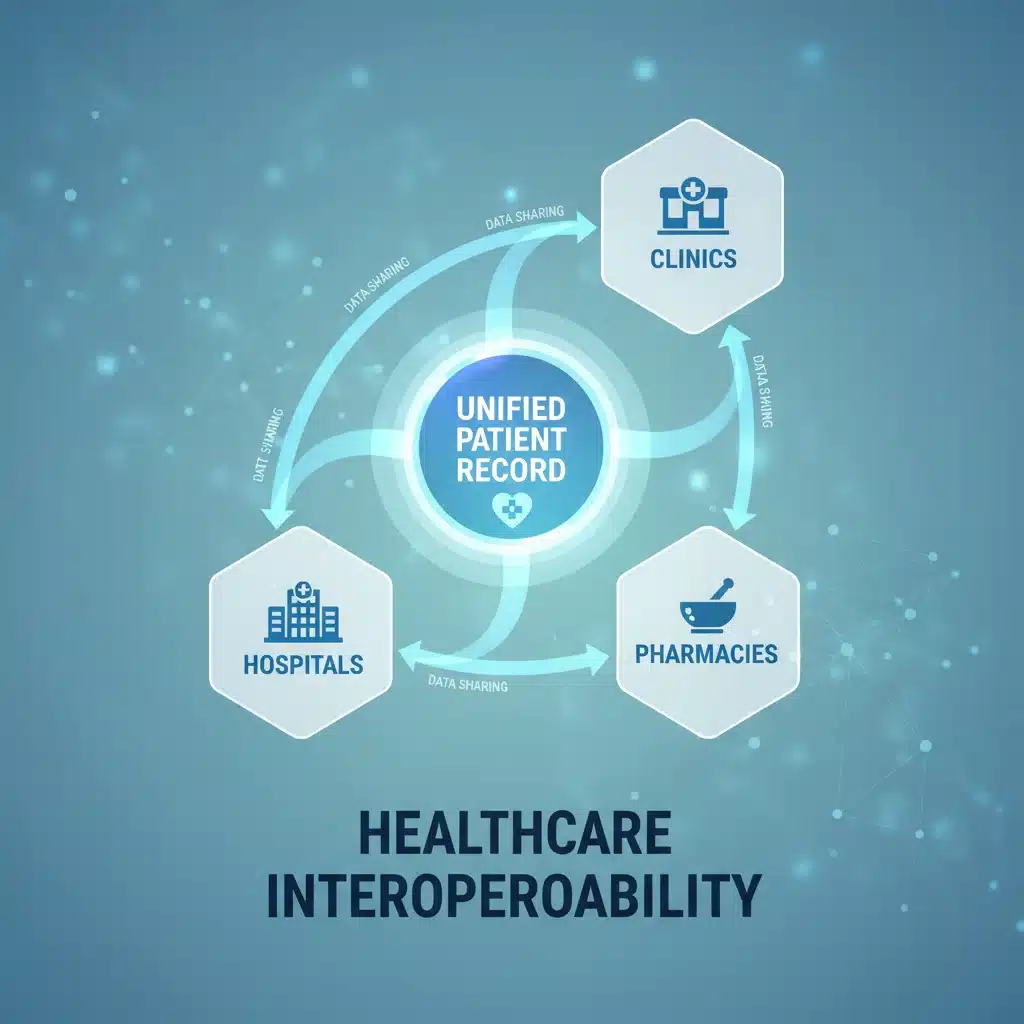
The drive for EHR interoperability 2026 is not merely a technical endeavor; it’s a strategic imperative aimed at achieving the Quadruple Aim of healthcare: improving patient experience, improving population health, reducing costs, and improving the work life of healthcare providers. When healthcare providers have access to a patient’s complete medical history, regardless of where that care was received, they can make more informed decisions, avoid medical errors, and provide more personalized and effective treatment.
Key Regulatory and Legislative Drivers
Several key regulatory and legislative initiatives are propelling the movement towards enhanced EHR interoperability 2026. The 21st Century Cures Act, enacted in 2016, has been particularly instrumental. This landmark legislation includes provisions designed to accelerate the adoption of interoperable EHRs and prevent information blocking – practices that hinder the exchange of electronic health information.
The Office of the National Coordinator for Health Information Technology (ONC) has been tasked with implementing many of these provisions, including developing rules for information blocking and establishing common standards for data exchange. These regulations aim to create a more transparent and competitive market for health IT, ultimately benefiting patients and providers.
The Role of FHIR and APIs
A crucial enabler for future interoperability is the Fast Healthcare Interoperability Resources (FHIR) standard. FHIR, developed by HL7 International, provides a modern, flexible, and efficient way to exchange healthcare information. Unlike older, more rigid standards, FHIR leverages web-based APIs (Application Programming Interfaces) to allow for easier access and exchange of specific data elements. This granular approach makes it simpler for developers to build applications and services that can interact with different EHR systems.
By 2026, we expect to see even wider adoption of FHIR-based APIs across all EHR platforms. This will facilitate a more dynamic flow of information, enabling innovative solutions such as patient-facing apps that pull data from multiple sources, and provider tools that integrate information from various specialists into a single view. The mandate for certified EHRs to support FHIR APIs is a significant step towards achieving truly seamless data exchange.
Anticipated Key Updates and Improvements by 2026
The next few years are poised to bring substantial advancements in EHR interoperability 2026. These improvements will touch upon various aspects of data exchange, security, and patient engagement.
Enhanced Data Standardization and Semantic Interoperability
While FHIR provides a structural framework for data exchange, true interoperability also requires semantic interoperability – meaning that different systems must interpret and understand the data in the same way. This involves consistent use of standardized terminologies (e.g., SNOMED CT, LOINC) for clinical concepts, medications, and laboratory results.
By 2026, we anticipate increased efforts to enforce and harmonize these semantic standards, ensuring that data exchanged between systems is not just technically transferable but also clinically meaningful. This will reduce the risk of misinterpretation and improve the quality of care.
Wider Adoption of Trusted Exchange Networks
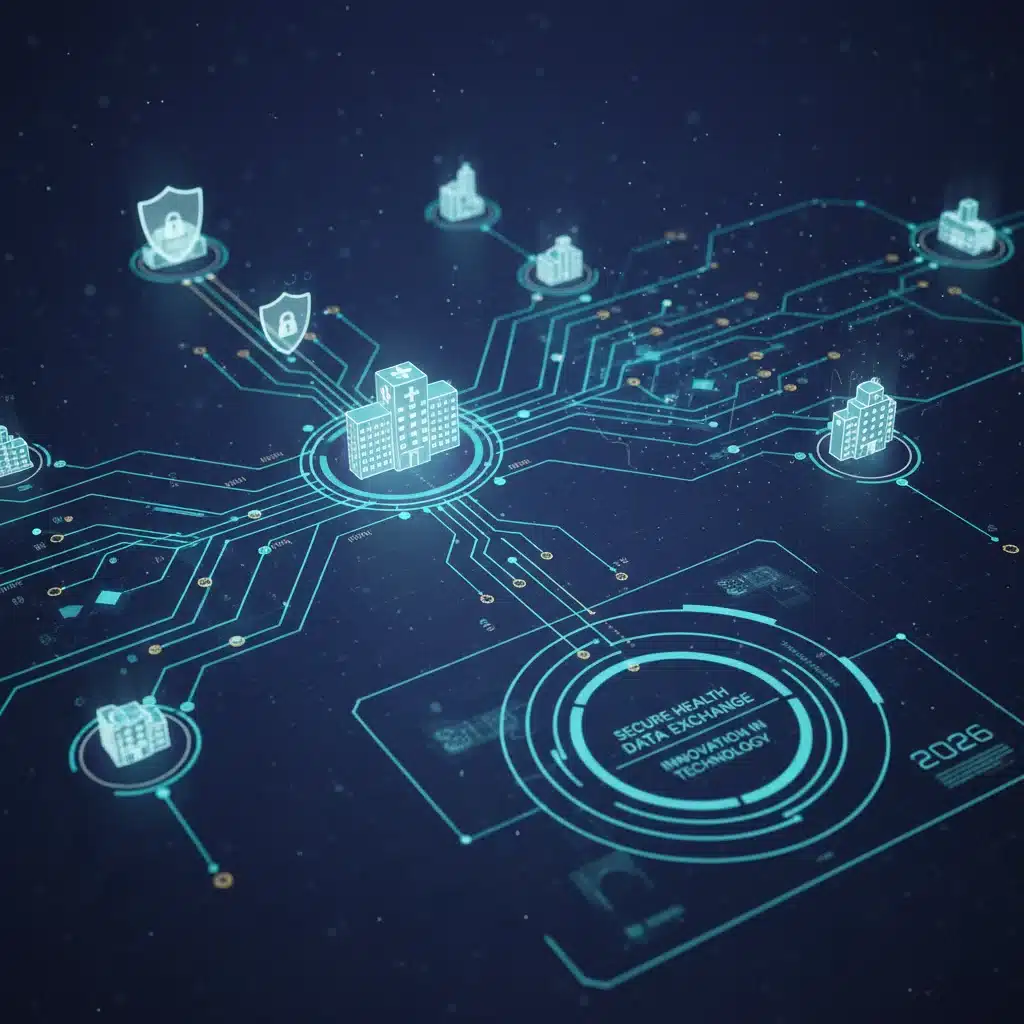
Trusted Exchange Networks (TENs) like the Common Agreement for Nationwide Health Information Exchange (Common Agreement) under the Trusted Exchange Framework and Common Agreement (TEFCA) are designed to create a universal framework for health information exchange. TEFCA aims to establish a common set of rules, policies, and technical standards that all participants must adhere to, thereby simplifying and standardizing the process of sharing health information across different networks and regions.
The goal is to move beyond point-to-point connections and create a more robust, nationwide health information network. By 2026, we expect a significant expansion in the number of qualified health information networks (QHINs) and participants within TEFCA, leading to a more comprehensive and accessible health information exchange infrastructure.
Improved Patient Access and Data Control
Patient access to their health information is a cornerstone of patient-centered care. The 21st Century Cures Act mandates that patients have immediate and free access to their electronic health information. This includes the ability to view, download, and transmit their data to third-party applications.
By 2026, we anticipate more user-friendly patient portals and applications that leverage FHIR APIs to aggregate data from various providers. Patients will have greater control over their health data, including the ability to direct where their information is shared, fostering a more engaged and empowered patient population. This shift empowers individuals to take a more active role in managing their health, leading to better adherence to treatment plans and improved health outcomes.
Enhanced Public Health Reporting and Surveillance
The COVID-19 pandemic starkly highlighted the need for more efficient and timely public health reporting. Interoperable EHR systems are crucial for effective public health surveillance, allowing for rapid identification of disease outbreaks, monitoring of treatment effectiveness, and informing public health interventions.
By 2026, we expect significant advancements in the automation and standardization of public health reporting directly from EHR systems. This will reduce the manual burden on healthcare providers and provide public health agencies with more accurate and real-time data, ultimately strengthening national health security.
Challenges on the Path to Full EHR Interoperability 2026
Despite the significant progress and ambitious goals, several challenges remain on the path to achieving full EHR interoperability 2026.
Data Security and Privacy Concerns
Exchanging sensitive patient information across multiple systems inherently raises concerns about data security and privacy. While regulations like HIPAA provide a framework, the increasing volume and complexity of data exchange necessitate robust cybersecurity measures and continuous vigilance. Ensuring that data is protected from breaches and unauthorized access while facilitating legitimate sharing remains a top priority.
The healthcare industry must invest heavily in advanced encryption, access controls, and threat detection systems. Furthermore, educating both healthcare professionals and patients about data security best practices is crucial to maintaining trust in the interoperable ecosystem.
Vendor Engagement and Standardization
The EHR vendor market is diverse, with numerous companies offering proprietary systems. While regulatory mandates are pushing for standardization, achieving universal compliance and seamless integration across all vendors can be challenging. Some vendors may be slower to adopt new standards or may implement them in ways that still create friction in data exchange.
Continued collaboration between government agencies, industry associations, and EHR vendors is essential to ensure consistent implementation of standards and to foster a competitive environment that encourages true interoperability rather than mere compliance.
Cost and Resource Allocation
Implementing and maintaining interoperable EHR systems requires significant financial investment and skilled personnel. Healthcare organizations, particularly smaller practices and rural hospitals, may struggle with the costs associated with upgrading their systems, training staff, and integrating new technologies. Ensuring equitable access to interoperable solutions across all types of healthcare settings is a critical consideration.
Government incentives and support programs will continue to play a vital role in helping organizations overcome these financial and resource barriers, promoting widespread adoption and utilization of advanced EHR capabilities.
Data Quality and Integrity
The adage "garbage in, garbage out" holds true for health information exchange. If the data entered into EHR systems is inaccurate, incomplete, or inconsistently formatted, then even the most sophisticated interoperability solutions will fail to deliver reliable information. Ensuring high data quality at the source is fundamental to the success of EHR interoperability 2026.
This requires robust data governance policies, standardized data entry protocols, and ongoing training for healthcare professionals. Automated data validation tools and artificial intelligence could also play an increasing role in identifying and correcting data quality issues.
The Benefits of Enhanced EHR Interoperability by 2026
The successful implementation of robust EHR interoperability 2026 promises a multitude of benefits for all stakeholders in the healthcare system.
Improved Patient Safety and Outcomes
With a complete and accessible patient record, healthcare providers can make more accurate diagnoses, avoid adverse drug events, and ensure continuity of care. This leads to fewer medical errors, better treatment decisions, and ultimately, improved health outcomes for patients. Emergency care, in particular, stands to benefit immensely from immediate access to critical patient information.
Increased Efficiency and Reduced Costs
Interoperable systems reduce the need for manual data entry, eliminate duplicate tests, and streamline administrative processes. This frees up healthcare professionals to focus more on patient care and less on paperwork. By reducing inefficiencies, healthcare organizations can achieve significant cost savings, which can then be reinvested in patient services or help to control rising healthcare expenditures.
Enhanced Care Coordination
Effective care coordination is paramount for patients with complex conditions or those receiving care from multiple specialists. Interoperable EHRs enable seamless communication and data sharing among all members of a patient’s care team, including primary care physicians, specialists, pharmacists, and even social workers. This holistic view ensures that everyone is on the same page, leading to more coordinated and patient-centered care plans.
Empowered Patients and Population Health Management
As mentioned earlier, greater patient access to health data empowers individuals to be more active participants in their own healthcare. Furthermore, aggregated and de-identified data from interoperable EHRs can be a powerful tool for population health management. Public health officials and researchers can analyze vast datasets to identify health trends, understand disease patterns, and develop targeted interventions to improve the health of entire communities.

Looking Ahead: The Future Beyond 2026
While 2026 marks a significant milestone in the evolution of EHR interoperability, the journey doesn’t end there. The healthcare industry is continuously innovating, and future advancements will likely build upon the foundations laid by current initiatives.
Artificial Intelligence and Machine Learning Integration
With highly interoperable data, the potential for integrating Artificial Intelligence (AI) and Machine Learning (ML) into healthcare becomes even greater. AI algorithms can analyze vast amounts of patient data to identify patterns, predict disease risks, and even suggest personalized treatment plans. This could revolutionize diagnostics, drug discovery, and preventive care.
Imagine an AI system that can flag potential drug interactions by cross-referencing a patient’s entire medication history from various pharmacies, or an ML model that can predict the likelihood of a patient developing a chronic condition based on their longitudinal health data. The fully interoperable EHR will be the fuel for these intelligent systems.
Telehealth and Remote Patient Monitoring
The rapid expansion of telehealth services during the pandemic underscored the need for seamless data exchange between remote care providers and traditional healthcare settings. As telehealth continues to grow, interoperable EHRs will be crucial for ensuring that virtual consultations are supported by comprehensive patient data and that information from remote monitoring devices is integrated into the patient’s central record.
By 2026 and beyond, we can expect even tighter integration of telehealth platforms with EHRs, allowing for a more continuous and holistic view of patient health, regardless of where care is delivered.
Blockchain for Enhanced Security and Transparency
While still in nascent stages for healthcare, blockchain technology holds promise for further enhancing the security, privacy, and transparency of health information exchange. Distributed ledger technology could create immutable records of data transactions, providing an auditable trail of who accessed what information and when. This could bolster trust and address some of the persistent privacy concerns associated with widespread data sharing.
While widespread adoption by 2026 might be ambitious, foundational research and pilot projects in this area are likely to continue, paving the way for future applications in healthcare data management.
Conclusion
The push for enhanced EHR interoperability 2026 represents a pivotal moment in the evolution of healthcare in the US. Driven by regulatory mandates, technological advancements like FHIR, and a collective vision for a more connected and patient-centered system, the next few years promise to bring transformative changes. While challenges related to data security, vendor harmonization, and resource allocation persist, the benefits of achieving true interoperability – improved patient safety, increased efficiency, better care coordination, and empowered patients – are too significant to ignore.
As healthcare stakeholders continue to collaborate and innovate, the vision of a seamlessly interconnected healthcare ecosystem, where patient information flows freely and securely, is steadily becoming a reality. This future promises not just better management of health records, but a fundamental improvement in the delivery and experience of healthcare for all Americans.