The Future of Remote Patient Monitoring in the US: Latest Devices and 2026 Integration Strategies
The landscape of healthcare is undergoing a profound transformation, driven by technological advancements and an increasing demand for accessible, personalized care. At the forefront of this revolution is remote patient monitoring future (RPM), a paradigm shift that allows healthcare providers to track and manage patients’ health outside traditional clinical settings. In the United States, the adoption of RPM is accelerating, propelled by its potential to improve patient outcomes, reduce healthcare costs, and enhance the efficiency of medical services. As we look towards 2026, the trajectory of RPM is set to become even more sophisticated, with cutting-edge devices and advanced integration strategies shaping the future of healthcare delivery.
The concept of RPM is not entirely new, but its widespread implementation and the capabilities of current devices have evolved dramatically. Historically, RPM might have involved a simple blood pressure cuff at home, with readings manually reported to a doctor. Today, the remote patient monitoring future encompasses a vast array of interconnected devices, artificial intelligence (AI), machine learning (ML), and robust data analytics platforms. This evolution is particularly critical in the US, where an aging population, the prevalence of chronic diseases, and the ongoing need for cost-effective healthcare solutions make RPM an indispensable tool.
This article delves into the exciting prospects of remote patient monitoring future in the US, exploring the latest technological innovations in devices and the strategic integration plans that will define its role by 2026. We will examine how these advancements are not just incremental improvements but foundational changes that are redefining patient care, empowering individuals, and optimizing healthcare operations.
The Current State of Remote Patient Monitoring in the US
Before peering into the future, it’s essential to understand the current foundation of RPM in the US. The COVID-19 pandemic significantly accelerated the adoption of telehealth and RPM, as healthcare providers sought ways to continue patient care while minimizing in-person contact. This period saw a rapid expansion of RPM services, with regulatory bodies like the Centers for Medicare & Medicaid Services (CMS) introducing new reimbursement codes, making RPM a financially viable option for many practices.
Today, RPM is widely used for managing various chronic conditions, including hypertension, diabetes, heart failure, and chronic obstructive pulmonary disease (COPD). Patients are often equipped with devices that automatically collect and transmit data to their healthcare providers. This real-time data allows for proactive interventions, preventing complications, reducing hospital readmissions, and improving the overall quality of life for patients. The current ecosystem benefits from a growing awareness among both patients and providers about the advantages of continuous monitoring and personalized care.
However, challenges remain. These include data security concerns, interoperability issues between different devices and electronic health records (EHRs), and the digital divide, which can limit access for certain populations. Addressing these challenges is crucial for the successful realization of the remote patient monitoring future.
Latest Devices Driving the Remote Patient Monitoring Future
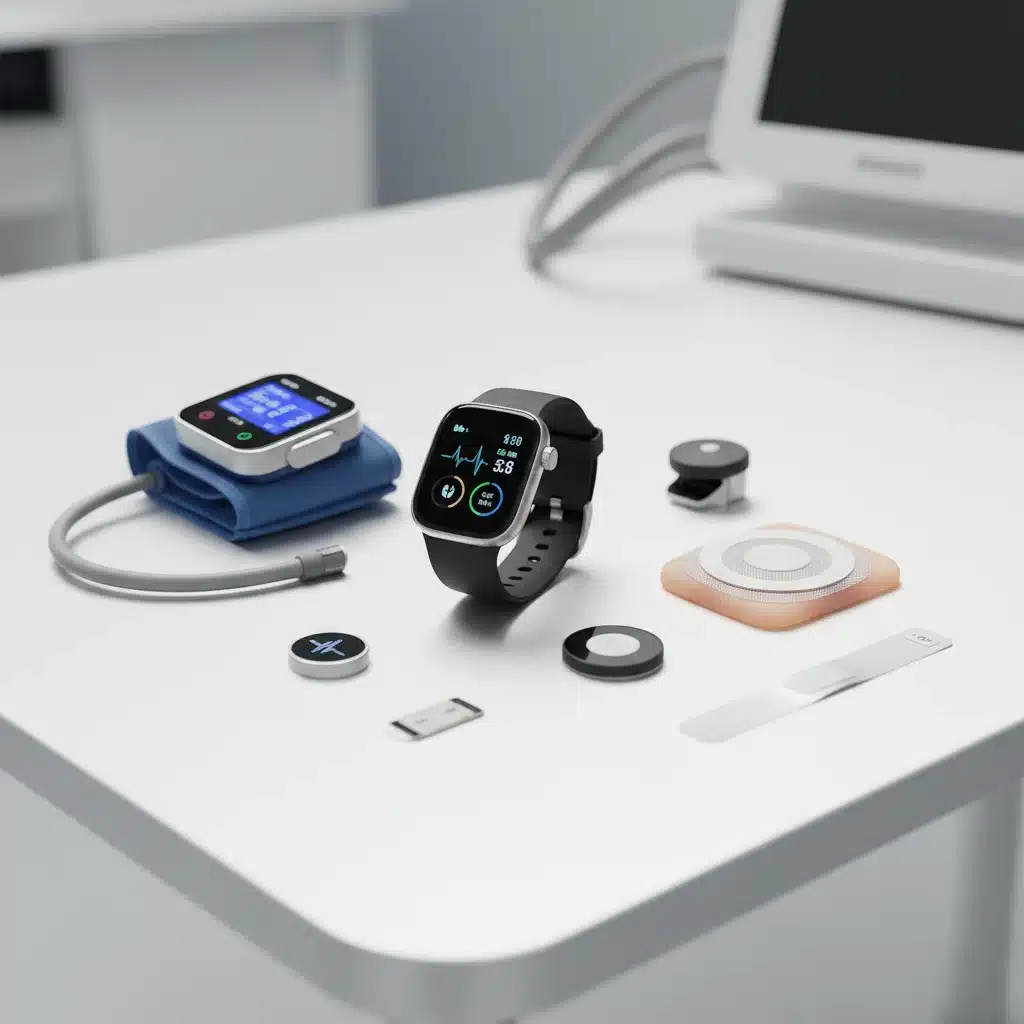
The innovation in RPM devices is relentless, with manufacturers constantly pushing the boundaries of what’s possible. By 2026, we can expect to see even more sophisticated, user-friendly, and integrated solutions. Here are some of the key device categories and emerging trends:
Wearable Sensors and Smart Devices
Wearable technology is at the heart of the remote patient monitoring future. Beyond basic fitness trackers, medical-grade wearables are becoming increasingly common. These include:
- Advanced Smartwatches: Equipped with ECG capabilities, blood oxygen saturation (SpO2) monitoring, fall detection, and even continuous blood pressure monitoring (though still in early stages for some). These devices offer a holistic view of a patient’s health.
- Continuous Glucose Monitors (CGMs): Revolutionizing diabetes management, CGMs provide real-time glucose readings, eliminating the need for frequent finger pricks and allowing for better glycemic control. The next generation will be even smaller, less invasive, and offer longer wear times.
- Smart Patches and Biometric Sensors: These discreet, adhesive patches can monitor a range of vital signs, including heart rate, respiratory rate, temperature, and even posture, for extended periods. They are particularly useful for post-operative care, sleep monitoring, and detecting early signs of deterioration.
- Smart Clothing and Textiles: Integrating sensors directly into clothing items (e.g., shirts, socks) to monitor vital signs, activity levels, and even detect specific medical conditions. This offers a seamless and non-intrusive monitoring experience.
Home-Based Diagnostic and Therapeutic Devices
Beyond wearables, the remote patient monitoring future also relies on more specialized home-based devices:
- Smart Blood Pressure Monitors: Automated cuffs that transmit readings wirelessly, often with personalized insights and reminders.
- Digital Stethoscopes and Otoscopes: Allowing patients to capture audio and video of heart, lung, and ear examinations at home, which can then be transmitted to clinicians for review.
- Portable Ultrasound Devices: Miniaturized ultrasound devices that can be used by patients or caregivers for specific monitoring tasks, such as tracking fetal development or assessing fluid retention in heart failure patients.
- Smart Scales and Body Composition Analyzers: Providing not just weight but also body fat percentage, muscle mass, and hydration levels, all transmitted to the care team.
- Medication Adherence Devices: Smart pill dispensers and bottle caps that track medication intake, sending reminders to patients and alerts to caregivers if doses are missed.
AI-Powered and Predictive Analytics Devices
The true power of the remote patient monitoring future lies in the integration of AI and predictive analytics. Devices themselves are becoming smarter, capable of:
- Anomaly Detection: Algorithms that can identify subtle changes in vital signs or activity patterns that might indicate an impending health crisis, alerting clinicians before a severe event occurs.
- Personalized Health Insights: AI-driven platforms that analyze collected data to provide personalized recommendations for diet, exercise, and medication adjustments.
- Behavioral Health Monitoring: Devices and applications that track sleep patterns, mood indicators, and activity levels to identify potential mental health issues or exacerbations of existing conditions.
2026 Integration Strategies for Remote Patient Monitoring
The effectiveness of RPM is not solely dependent on advanced devices; it requires robust integration strategies to ensure seamless data flow, actionable insights, and efficient clinical workflows. By 2026, several key integration strategies will be paramount in shaping the remote patient monitoring future in the US:
1. Enhanced Interoperability and Data Exchange
A major hurdle in current RPM systems is the lack of seamless interoperability between different devices, platforms, and EHRs. By 2026, there will be a stronger emphasis on:
- Standardized Data Protocols: Adoption of universal data standards (e.g., FHIR – Fast Healthcare Interoperability Resources) to ensure that data from various RPM devices can be easily integrated into a patient’s electronic health record, regardless of the vendor.
- Cloud-Based Health Data Lakes: Secure, centralized cloud platforms that can aggregate vast amounts of patient data from multiple sources, making it accessible to authorized healthcare providers and researchers.
- APIs for Seamless Integration: Development of robust Application Programming Interfaces (APIs) that allow third-party RPM solutions to communicate directly with existing hospital systems and EHRs, reducing manual data entry and improving data accuracy.
2. AI and Machine Learning for Predictive Analytics and Clinical Decision Support
The sheer volume of data generated by RPM devices necessitates advanced analytical tools. By 2026, AI and ML will be deeply embedded in RPM workflows:
- Predictive Risk Scoring: AI models will analyze continuous patient data to predict the likelihood of adverse events (e.g., heart attack, stroke, diabetic ketoacidosis) days or even weeks in advance, allowing for timely interventions.
- Personalized Treatment Pathways: ML algorithms will help tailor treatment plans based on individual patient responses to interventions, optimizing medication dosages and lifestyle recommendations.
- Automated Alerting and Prioritization: AI systems will intelligently filter and prioritize alerts from RPM devices, ensuring that clinicians are notified of critical changes while minimizing alarm fatigue from non-urgent data fluctuations.
- Clinical Decision Support Systems: Integrating AI-powered insights directly into the clinician’s workflow, providing evidence-based recommendations and flagging potential drug interactions or contraindications based on real-time patient data.
3. Patient Engagement and Education Platforms
For RPM to be truly effective, patients must be active participants in their care. 2026 strategies will focus on:
- Intuitive Patient Portals and Apps: User-friendly interfaces that allow patients to view their own health data, track progress, set goals, and communicate securely with their care team.
- Gamification and Incentive Programs: Incorporating game-like elements and rewards to encourage consistent device usage and adherence to health plans.
- Personalized Educational Content: Delivering tailored health information and educational modules directly through RPM platforms, helping patients understand their conditions and manage their health more effectively.
- Virtual Health Coaching: Integrating virtual coaching services that provide personalized guidance on nutrition, exercise, stress management, and chronic disease self-management, often powered by AI-driven conversational agents.
4. Value-Based Care and Reimbursement Models
The financial viability of RPM is critical for its widespread adoption. By 2026, reimbursement models will likely evolve to better support RPM:
- Expanded Reimbursement Codes: CMS and private payers will likely expand and refine reimbursement codes for various RPM services, including device setup, data transmission, and monitoring by clinical staff.
- Outcome-Based Reimbursement: Shifting towards models that reward healthcare providers for achieving positive patient outcomes through RPM, rather than simply for the services rendered. This aligns financial incentives with patient health.
- Bundled Payments for Chronic Disease Management: Integrating RPM into bundled payment models for chronic conditions, where a single payment covers all care related to a condition over a period, incentivizing comprehensive and preventive care.
5. Cybersecurity and Data Privacy Frameworks
As more sensitive health data is collected and transmitted, robust cybersecurity and data privacy measures become paramount. By 2026, these will be non-negotiable components of RPM integration:
- End-to-End Encryption: Implementing state-of-the-art encryption protocols for all data, both in transit and at rest, to protect against unauthorized access.
- Blockchain Technology: Exploring the use of blockchain for secure, immutable record-keeping of patient data and consent management, enhancing transparency and trust.
- Strict Adherence to HIPAA and GDPR: Ensuring all RPM platforms and devices comply with existing and evolving data privacy regulations, with regular audits and vulnerability assessments.
- Patient Consent Management: Developing clear and transparent mechanisms for obtaining and managing patient consent for data collection, sharing, and use.
6. Integration with Telehealth and Virtual Care Platforms
RPM is a natural complement to telehealth. By 2026, the lines between these services will blur further:
- Unified Virtual Care Platforms: Development of integrated platforms that combine video consultations, secure messaging, and RPM data visualization, offering a comprehensive virtual care experience.
- Remote Diagnostics and Consultations: Leveraging RPM data during telehealth visits to inform clinical decisions and provide more accurate diagnoses without the need for an in-person examination.
- Virtual Hospitals and Hospital-at-Home Programs: RPM will be a cornerstone of these programs, allowing patients to receive hospital-level care in the comfort of their homes, reducing the burden on traditional inpatient facilities.
Impact on Healthcare Providers and Patients
The widespread adoption and strategic integration of RPM by 2026 will have profound implications for both healthcare providers and patients.
For Healthcare Providers:
- Proactive Care Delivery: Shifting from reactive to proactive care, allowing for early intervention and preventing acute health crises.
- Improved Efficiency and Workflows: Automating data collection and analysis, freeing up clinicians’ time to focus on complex patient needs rather than routine data entry.
- Enhanced Patient Panels: Ability to manage a larger number of patients more effectively, especially those with chronic conditions, without compromising care quality.
- Reduced Burnout: Streamlined processes and better patient insights can contribute to reduced administrative burden and improved job satisfaction for healthcare professionals.
- Better Resource Utilization: Reducing hospital admissions and emergency room visits, optimizing the use of valuable healthcare resources.
For Patients:
- Greater Convenience and Accessibility: Receiving care from the comfort of their homes, eliminating travel time and reducing the need for frequent clinic visits.
- Empowered Self-Management: Gaining a deeper understanding of their health data and actively participating in their care decisions.
- Improved Health Outcomes: Continuous monitoring and timely interventions lead to better management of chronic conditions and a higher quality of life.
- Personalized Care: Treatment plans tailored to their individual needs and responses, leading to more effective and efficient care.
- Reduced Healthcare Costs: Avoiding costly hospital stays and emergency visits through preventive care and early intervention.
Challenges and Considerations for the Remote Patient Monitoring Future
While the outlook for the remote patient monitoring future is overwhelmingly positive, several challenges must be addressed to ensure its successful and equitable implementation:
- Digital Divide: Ensuring equitable access to RPM technologies for all populations, including the elderly, low-income individuals, and those in rural areas who may lack reliable internet access or digital literacy. Programs to provide devices and connectivity will be crucial.
- Data Overload and Alarm Fatigue: The sheer volume of data generated by continuous monitoring can overwhelm clinicians. Intelligent AI systems are needed to filter and prioritize information effectively.
- Regulatory and Policy Evolution: Healthcare regulations must continue to adapt to keep pace with technological advancements, ensuring patient safety, data privacy, and appropriate reimbursement.
- Training and Education: Both healthcare providers and patients require adequate training on how to use RPM devices and platforms effectively.
- Cybersecurity Threats: As more health data moves digitally, the risk of cyberattacks increases. Continuous investment in robust cybersecurity infrastructure and protocols is essential.
- Integration Complexity: The challenge of integrating disparate RPM systems with existing EHRs and clinical workflows remains significant, requiring strong technical expertise and standardized solutions.
Conclusion: A Healthier, More Connected 2026
The remote patient monitoring future in the US is bright, promising a healthcare system that is more proactive, personalized, and patient-centric. By 2026, we can anticipate a landscape where advanced, AI-powered devices seamlessly integrate into comprehensive virtual care platforms, enabling continuous monitoring and intelligent interventions. This evolution will not only enhance the management of chronic diseases but also empower individuals to take a more active role in their health journey.
The journey towards this future requires ongoing collaboration among technology innovators, healthcare providers, policymakers, and patients. Addressing the challenges of interoperability, equitable access, and data security will be crucial. However, the benefits – improved patient outcomes, reduced healthcare costs, and a more efficient healthcare system – make the pursuit of a robust remote patient monitoring future an imperative. As we move closer to 2026, RPM is set to become an indispensable component of modern medicine, transforming how care is delivered and experienced across the nation.