EHR Updates 2026: Navigating the Future of Electronic Health Records in the US
The landscape of healthcare technology is in a constant state of evolution, and nowhere is this more evident than in the realm of Electronic Health Records (EHR). As we approach 2026, healthcare providers, administrators, and technology developers across the United States are bracing for a new wave of significant EHR updates 2026. These changes are not merely incremental adjustments; they represent a fundamental shift in how patient data is managed, shared, and utilized, ultimately aiming to enhance patient care, streamline operations, and bolster data security.
The journey towards a fully integrated and interoperable healthcare ecosystem has been long and complex. From the initial push for digital records to the current emphasis on data exchange and patient access, each year brings new challenges and opportunities. The EHR updates 2026 are poised to accelerate this transformation, driven by a combination of regulatory mandates, technological advancements, and the growing demand for more personalized and efficient healthcare services. Understanding these impending changes is crucial for any stakeholder in the US healthcare system to ensure compliance, optimize workflows, and leverage the full potential of modern health IT.
This comprehensive guide will delve into the anticipated EHR updates 2026, exploring the key drivers behind these changes, the specific areas that will be impacted, and the strategic considerations for healthcare organizations. We will examine the regulatory frameworks, technological innovations, and the overarching goals that underpin this next phase of EHR development. By understanding these dynamics, healthcare providers can proactively prepare for the future, ensuring they remain at the forefront of patient-centric care and operational excellence.
The Regulatory Landscape Shaping EHR Updates 2026
Regulatory bodies, primarily the Office of the National Coordinator for Health Information Technology (ONC) and the Centers for Medicare & Medicaid Services (CMS), play a pivotal role in dictating the direction of EHR development. Their initiatives, such as the 21st Century Cures Act and ongoing efforts to promote interoperability, serve as the bedrock for many of the EHR updates 2026. These regulations are designed to foster a more connected and transparent healthcare system, empowering patients with greater control over their health information and enabling seamless data exchange among providers.
One of the most significant aspects of the regulatory push is the continued emphasis on interoperability. The goal is to move beyond mere data exchange to true semantic interoperability, where information can be understood and utilized across different systems without manual intervention. This involves standardized APIs (Application Programming Interfaces) and data formats, making it easier for various EHR systems to communicate effectively. The EHR updates 2026 will likely see further mandates and incentives aimed at achieving this higher level of data fluidity, which is essential for coordinated care and population health management.
Another critical area of focus is information blocking. Regulations have been put in place to prevent healthcare providers and IT developers from intentionally interfering with the access, exchange, or use of electronic health information. As we approach 2026, expect stricter enforcement and clarification of these rules, ensuring that patient data is readily available to those who need it, when they need it. This commitment to transparency and patient access is a cornerstone of the evolving regulatory framework for EHR updates 2026.
Key Regulatory Drivers for 2026
- Further Implementation of the 21st Century Cures Act: This landmark legislation continues to drive many of the changes, particularly concerning information blocking and patient access. Expect more refined guidance and compliance requirements.
- TEFCA (Trusted Exchange Framework and Common Agreement) Expansion: TEFCA aims to create a universal framework for health information exchange across the US. The EHR updates 2026 will likely see increased participation and operationalization of this framework, leading to broader data sharing capabilities.
- Enhanced Data Standardization: Efforts to standardize clinical terminology, data elements, and exchange protocols will intensify. This is crucial for achieving true interoperability and enabling advanced analytics.
- Patient Access and Transparency: Regulations will continue to empower patients with easier access to their health information, often through secure patient portals and third-party applications. This includes access to clinical notes and test results in a timely manner.
These regulatory drivers are not just about compliance; they are about fundamentally transforming how healthcare operates. They are designed to break down information silos, foster collaboration, and ultimately improve health outcomes. Healthcare organizations must stay abreast of these evolving requirements to avoid penalties and, more importantly, to leverage these changes to their strategic advantage.
Technological Innovations Driving EHR Evolution
Beyond regulatory mandates, technological advancements are a major catalyst for the EHR updates 2026. The rapid pace of innovation in areas like artificial intelligence (AI), machine learning (ML), cloud computing, and cybersecurity is continually reshaping what is possible within EHR systems. These technologies promise to make EHRs more intelligent, efficient, and secure, moving them beyond mere record-keeping tools to proactive clinical decision support systems.
Artificial Intelligence and Machine Learning are poised to revolutionize how healthcare providers interact with EHRs. Imagine systems that can analyze vast amounts of patient data to identify potential diagnoses, predict disease progression, or recommend personalized treatment plans. The EHR updates 2026 will likely see more sophisticated AI/ML integrations, offering clinicians intelligent insights and reducing cognitive load. This could range from AI-powered diagnostic tools to predictive analytics for managing chronic diseases, ultimately leading to more precise and effective care.
Cloud computing continues to be a foundational technology for modern EHRs. Moving EHRs to the cloud offers scalability, accessibility, and often enhanced security features. For EHR updates 2026, expect to see a greater migration towards cloud-native EHR solutions, enabling real-time data access from anywhere, facilitating remote care, and supporting the growing trend of telehealth. This shift also allows for more agile development and deployment of new features and updates, ensuring systems remain cutting-edge.

Emerging Technologies Impacting EHRs by 2026
- Advanced AI/ML Integration: Expect AI to move beyond basic analytics to more predictive and prescriptive applications, aiding in diagnosis, treatment optimization, and operational efficiency.
- Enhanced Cybersecurity Measures: With increasing data exchange, robust cybersecurity frameworks will be paramount. Blockchain technology might even see niche applications for secure data provenance and integrity.
- Voice Recognition and Natural Language Processing (NLP): Improvements in these areas will make data entry more intuitive and less burdensome for clinicians, reducing burnout and improving data quality.
- Telehealth and Remote Patient Monitoring Integration: EHRs will need to seamlessly integrate data from remote patient monitoring devices and telehealth consultations, providing a holistic view of patient health regardless of location.
- FHIR (Fast Healthcare Interoperability Resources) Adoption: FHIR continues to be the standard for modern healthcare data exchange. The EHR updates 2026 will solidify its role, enabling more granular and efficient data sharing.
These technological advancements are not just about adding new features; they are about fundamentally transforming the user experience for clinicians and patients alike. They promise to make EHRs more intelligent, less intrusive, and ultimately more valuable in the delivery of high-quality care. Healthcare organizations must invest in updating their infrastructure and training their staff to fully capitalize on these innovations.
Impact of EHR Updates 2026 on Patient Care and Outcomes
The ultimate goal of any significant change in healthcare technology, especially with EHR updates 2026, is to improve patient care and health outcomes. The anticipated changes are designed to provide clinicians with better tools, empower patients with more information, and facilitate a more coordinated approach to healthcare delivery. The impact will be felt across various facets of patient care, from diagnosis and treatment to preventative health and patient engagement.
One of the most direct benefits will be improved clinical decision support. With more integrated data, advanced analytics, and AI-powered insights, clinicians will have access to a wealth of information at the point of care. This can lead to more accurate diagnoses, more effective treatment plans, and a reduced risk of medical errors. The EHR updates 2026 aim to make these decision support tools more intuitive and seamlessly integrated into the clinical workflow, rather than being an additional burden.
Enhanced interoperability will also play a crucial role in improving care coordination. When patient information can flow freely and securely between different providers, specialists, and care settings, it reduces the likelihood of fragmented care. This means fewer duplicate tests, better communication between care teams, and a more comprehensive understanding of a patient’s health journey. For patients with chronic conditions or those receiving care from multiple providers, these EHR updates 2026 will be particularly impactful.
Benefits for Patients and Providers
- Personalized Medicine: With richer, more accessible data, EHRs can support more personalized treatment plans, tailored to individual patient needs and genetic profiles.
- Improved Patient Engagement: Enhanced patient portals and mobile access to health information will empower patients to take a more active role in managing their health, leading to better adherence to treatment and preventative measures.
- Reduced Clinical Burden: Automation of routine tasks, better voice recognition, and intuitive interfaces will reduce administrative burden on clinicians, allowing them to focus more on direct patient care.
- Faster Access to Information: Real-time data exchange will ensure that critical patient information is available when and where it’s needed most, especially in emergency situations.
- Population Health Management: Aggregated and anonymized EHR data will provide valuable insights for public health initiatives, allowing for better tracking of disease trends and more targeted interventions.
The cumulative effect of these improvements will be a healthcare system that is more responsive, efficient, and patient-centric. The EHR updates 2026 are a stepping stone towards a future where technology truly serves to enhance the human element of healthcare, fostering stronger patient-provider relationships and better health outcomes for all.
Challenges and Strategic Considerations for 2026
While the promise of the EHR updates 2026 is significant, implementing these changes is not without its challenges. Healthcare organizations will need to navigate a complex landscape of technical hurdles, financial investments, and cultural shifts to successfully adapt to the evolving EHR environment. Proactive planning and strategic foresight will be critical for a smooth transition and to fully realize the benefits of the new systems.
One of the primary challenges remains data migration and integration. Upgrading to new EHR versions or integrating new functionalities often involves migrating vast amounts of historical data, which can be a complex and time-consuming process. Ensuring data integrity and consistency throughout this process is paramount. Organizations must carefully plan their data migration strategies to minimize disruption and ensure continuity of care as they adapt to the EHR updates 2026.
Another significant consideration is the cost associated with these updates. Investing in new software, hardware, training, and cybersecurity measures can represent a substantial financial outlay for healthcare providers. Organizations will need to carefully evaluate their budgets, explore potential funding opportunities, and assess the long-term return on investment for these upgrades. The benefits of improved efficiency and patient outcomes often outweigh the initial costs, but careful financial planning is essential.
Key Challenges and Mitigation Strategies
- Interoperability Hurdles: Despite regulatory pushes, achieving seamless interoperability across all systems remains a challenge. Organizations should prioritize vendors committed to open standards like FHIR and actively participate in health information exchanges.
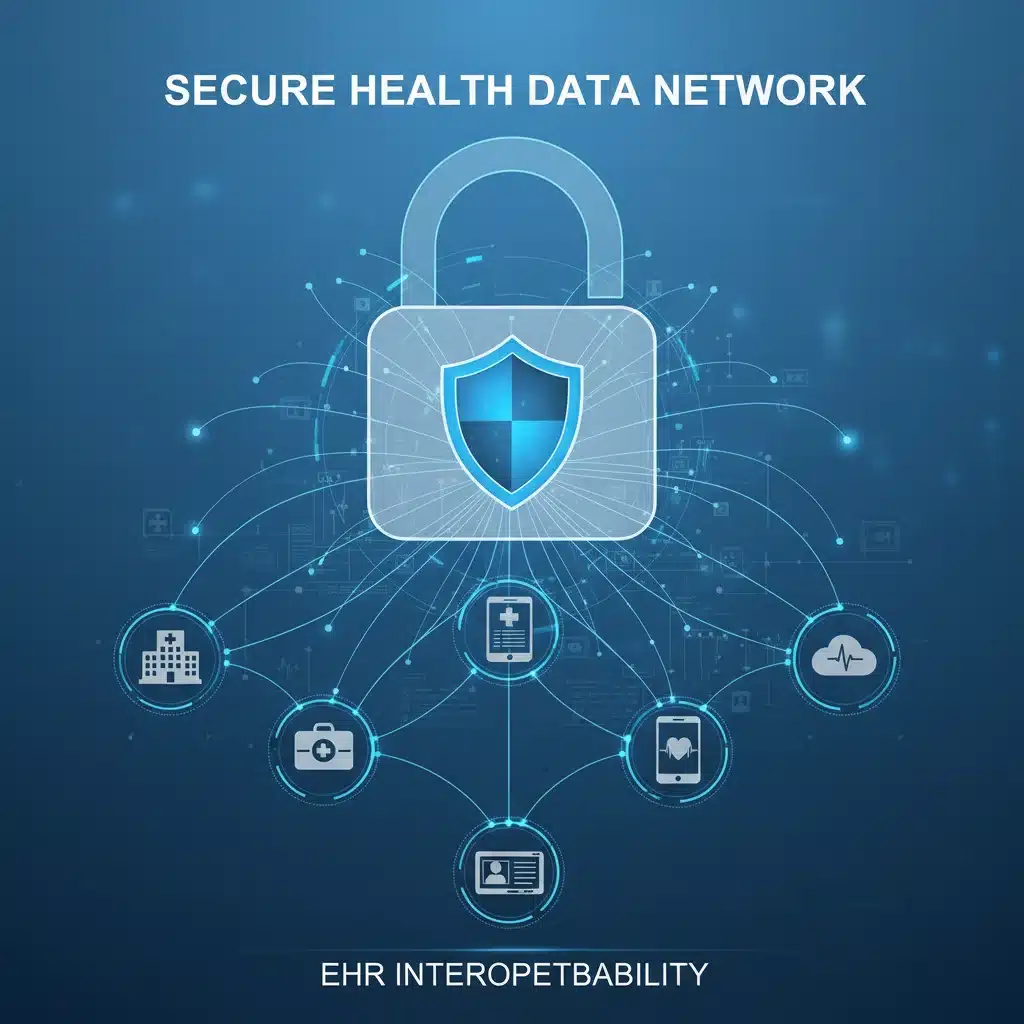
- Cybersecurity Threats: As EHRs become more connected, the risk of cyberattacks increases. Continuous investment in robust cybersecurity infrastructure, employee training, and adherence to best practices is crucial to protect sensitive patient data.
- User Adoption and Training: New functionalities and workflows require adequate training for clinical and administrative staff. Comprehensive training programs and ongoing support are vital to ensure user adoption and prevent burnout.
- Vendor Lock-in: Organizations should carefully evaluate EHR vendors to avoid being locked into proprietary systems that may hinder future interoperability or innovation.
- Data Quality and Governance: Maintaining high data quality is essential for leveraging advanced analytics and AI. Implementing strong data governance policies and practices will be critical.
Addressing these challenges requires a multi-faceted approach involving leadership commitment, cross-functional collaboration, and a willingness to embrace change. By proactively identifying potential roadblocks and developing robust mitigation strategies, healthcare organizations can successfully navigate the complexities of the EHR updates 2026 and position themselves for future success.
The Future Outlook: Beyond 2026
The EHR updates 2026 are not an end point but rather a significant milestone in the ongoing evolution of healthcare technology. The trajectory of EHR development points towards an increasingly intelligent, integrated, and patient-centric future. Looking beyond 2026, we can anticipate further advancements that will continue to reshape the delivery of healthcare in profound ways.
One major trend will be the continued convergence of clinical, administrative, and financial data within a single, unified platform. This holistic view will not only improve patient care but also enhance operational efficiency and financial performance for healthcare organizations. The distinction between various health IT systems will blur, leading to a more seamless and intuitive user experience. The foundations laid by the EHR updates 2026 will be crucial for this deeper integration.
Another area of significant growth will be the integration of social determinants of health (SDOH) into EHRs. Understanding a patient’s living conditions, socioeconomic status, and access to resources is increasingly recognized as vital for comprehensive care. Future EHR systems will likely incorporate more robust tools for collecting, analyzing, and acting upon SDOH data, enabling healthcare providers to address the root causes of health disparities and promote health equity. This holistic approach will be a natural progression from the interoperability and data sharing improvements seen in the EHR updates 2026.
Long-Term Trends in EHR Development
- Personalized and Predictive Health: EHRs will become even more sophisticated in tailoring care to individuals and predicting health risks before they become critical.
- Greater Patient Empowerment: Patients will have even more control over their health data, with advanced tools for managing appointments, accessing records, and communicating with providers.
- Real-time Data Analytics: The ability to analyze data in real-time will become standard, offering immediate insights for clinical decisions and operational adjustments.
- Seamless Integration with Wearables and IoT: EHRs will increasingly integrate data from personal health devices, providing a continuous stream of health metrics for proactive monitoring.
- Global Interoperability: While EHR updates 2026 focus on the US, the long-term vision includes global standards for health information exchange, facilitating international collaboration and research.
The future of EHRs is one of continuous innovation and adaptation. Healthcare organizations that embrace these changes, invest in the necessary infrastructure, and prioritize ongoing training will be best positioned to thrive in this dynamic environment. The EHR updates 2026 represent a critical juncture, setting the stage for a future where technology truly empowers healthcare providers and patients alike to achieve optimal health outcomes.
Conclusion: Preparing for the Next Wave of EHR Evolution
The impending EHR updates 2026 signify a pivotal moment for the US healthcare system. These changes, driven by a combination of evolving regulatory frameworks and rapid technological advancements, promise to usher in an era of unprecedented interoperability, enhanced data security, and more patient-centric care. From stricter information blocking rules to the integration of advanced AI and cloud computing, the landscape of electronic health records is undergoing a profound transformation.
For healthcare organizations, the period leading up to and through 2026 will demand proactive planning, strategic investment, and a commitment to continuous learning. Understanding the nuances of new regulations, embracing emerging technologies, and preparing staff for new workflows will be crucial for ensuring compliance, optimizing operational efficiency, and ultimately, improving the quality of patient care. The challenges, while significant, are outweighed by the immense opportunities these updates present for building a more connected, intelligent, and resilient healthcare ecosystem.
By staying informed about the EHR updates 2026 and actively engaging with the evolving health IT landscape, providers can not only meet the demands of the future but also lead the way in delivering truly transformative healthcare. The journey towards a fully integrated digital health system is ongoing, and 2026 marks an exciting and critical phase in this continuous evolution. The time to prepare is now, ensuring that every healthcare organization is ready to harness the full potential of the next generation of electronic health records.