Patient Portals 2.0: Optimizing US Digital Health Access and Engagement for 2026 with 2 Key Features
Patient Portals 2.0: Optimizing US Digital Health Access and Engagement for 2026 with 2 Key Features
The landscape of healthcare in the United States is undergoing a profound transformation, driven by technological advancements and an increasing demand for patient-centric care. At the heart of this evolution are patient portals, digital gateways that empower individuals to take a more active role in managing their health. However, the current iteration of patient portals, while functional, often falls short of their full potential. We are now on the cusp of a new era: Patient Portals 2.0, a sophisticated evolution designed to optimize US digital health access and engagement, with a critical eye towards the year 2026. This next generation of portals will be defined by enhanced functionality, seamless integration, and a truly personalized experience. The journey towards this optimized future hinges on the widespread adoption and intelligent implementation of two pivotal features: AI-powered personalization and robust, secure interoperability.
The traditional patient portal, while a significant step forward from paper records, often serves as little more than a digital filing cabinet. Patients can view lab results, schedule appointments, and send secure messages, but the experience is largely reactive and lacks the proactive, tailored approach necessary for true engagement. As we look towards 2026, the expectations for digital health tools are soaring. Patients are accustomed to highly personalized experiences in other aspects of their lives, from e-commerce to entertainment, and they expect the same level of sophistication from their healthcare providers. This is where the concept of patient portal optimization becomes paramount. It’s not just about adding new features; it’s about fundamentally rethinking how patients interact with their health information and their care teams.
The goal of Patient Portals 2.0 is not merely to provide access, but to foster genuine engagement, improve health outcomes, and reduce the administrative burden on both patients and providers. This ambitious undertaking requires a concerted effort from healthcare systems, technology developers, and policymakers to create an ecosystem where digital health tools are intuitive, comprehensive, and universally accessible. The stakes are high: an optimized digital health infrastructure can lead to earlier disease detection, better chronic disease management, reduced healthcare costs, and a more informed and empowered patient population. The focus on 2026 is strategic, providing a clear horizon for the implementation and widespread adoption of these transformative technologies.
The Imperative for Patient Portal Optimization in the US Healthcare System
The US healthcare system is notoriously complex and often fragmented. Patients frequently navigate multiple providers, specialists, and facilities, leading to a disconnected care experience. This fragmentation is exacerbated by a lack of seamless information exchange, often resulting in redundant tests, delayed diagnoses, and frustrated patients. Current patient portals, while attempting to centralize some information, often operate in silos, unable to communicate effectively with other systems or provide a holistic view of a patient’s health journey. This is precisely why patient portal optimization is not just a desirable upgrade, but an urgent necessity.
The COVID-19 pandemic dramatically accelerated the adoption of digital health technologies, including telemedicine and online patient portals. This surge in usage highlighted both the immense potential and the significant shortcomings of existing systems. Patients experienced firsthand the convenience of virtual care but also the frustrations of clunky interfaces, limited functionality, and inconsistent data access. As we move beyond the immediate crisis, the demand for robust, user-friendly, and intelligent digital health solutions will only grow. Patients now expect a digital experience that mirrors the ease and efficiency of other online services they use daily.
Furthermore, regulatory pressures and initiatives like the 21st Century Cures Act are pushing for greater interoperability and patient access to their health information. These mandates are laying the groundwork for a more connected healthcare ecosystem, but the success of these initiatives ultimately hinges on the ability of patient portals to effectively leverage and present this newly accessible data. Without a strategic focus on patient portal optimization, the vast amounts of health data being generated and shared risk becoming overwhelming and unhelpful to the very individuals they are meant to serve.
By 2026, the expectation is that patient portals will not just be portals to information, but active participants in health management. They will be tools that anticipate needs, offer relevant guidance, and facilitate a truly collaborative relationship between patients and their care teams. This shift from passive information display to active engagement is the core promise of Patient Portals 2.0 and the driving force behind their design and implementation.
Key Feature 1: AI-Powered Personalization for Enhanced Engagement
The first cornerstone of Patient Portals 2.0 is the integration of Artificial Intelligence (AI) to deliver a truly personalized patient experience. Current portals offer a one-size-fits-all approach, providing the same features and information to every user. However, each patient is unique, with distinct health conditions, preferences, and levels of digital literacy. AI can revolutionize this by tailoring the portal experience to individual needs, significantly boosting patient engagement and adherence to care plans.
Tailored Information and Resources
Imagine a patient portal that understands your medical history, your current medications, your lifestyle choices, and even your preferred learning style. AI algorithms can analyze this vast amount of data to present relevant health education materials, articles, and videos. For a patient with diabetes, the portal might prioritize information on blood sugar management, healthy recipes, and exercise routines, rather than generic health tips. For a new mother, it could offer resources on infant care, postpartum recovery, and vaccination schedules. This targeted delivery of information ensures that patients receive what is most relevant to them, reducing information overload and increasing the likelihood of positive health behaviors.
Proactive Health Management and Reminders
AI can move patient portals from reactive tools to proactive health partners. By analyzing patient data, AI can identify potential health risks or areas where intervention might be beneficial. For instance, if a patient’s blood pressure readings consistently trend upwards, the AI could trigger an alert, suggest dietary changes, or recommend scheduling a follow-up with their physician. It can also provide intelligent reminders for medication adherence, upcoming appointments, or preventative screenings, going beyond simple calendar notifications by contextualizing these reminders with the patient’s specific health goals and history. This proactive approach is vital for chronic disease management and preventative care, directly contributing to patient portal optimization.
Intelligent Chatbots and Virtual Assistants
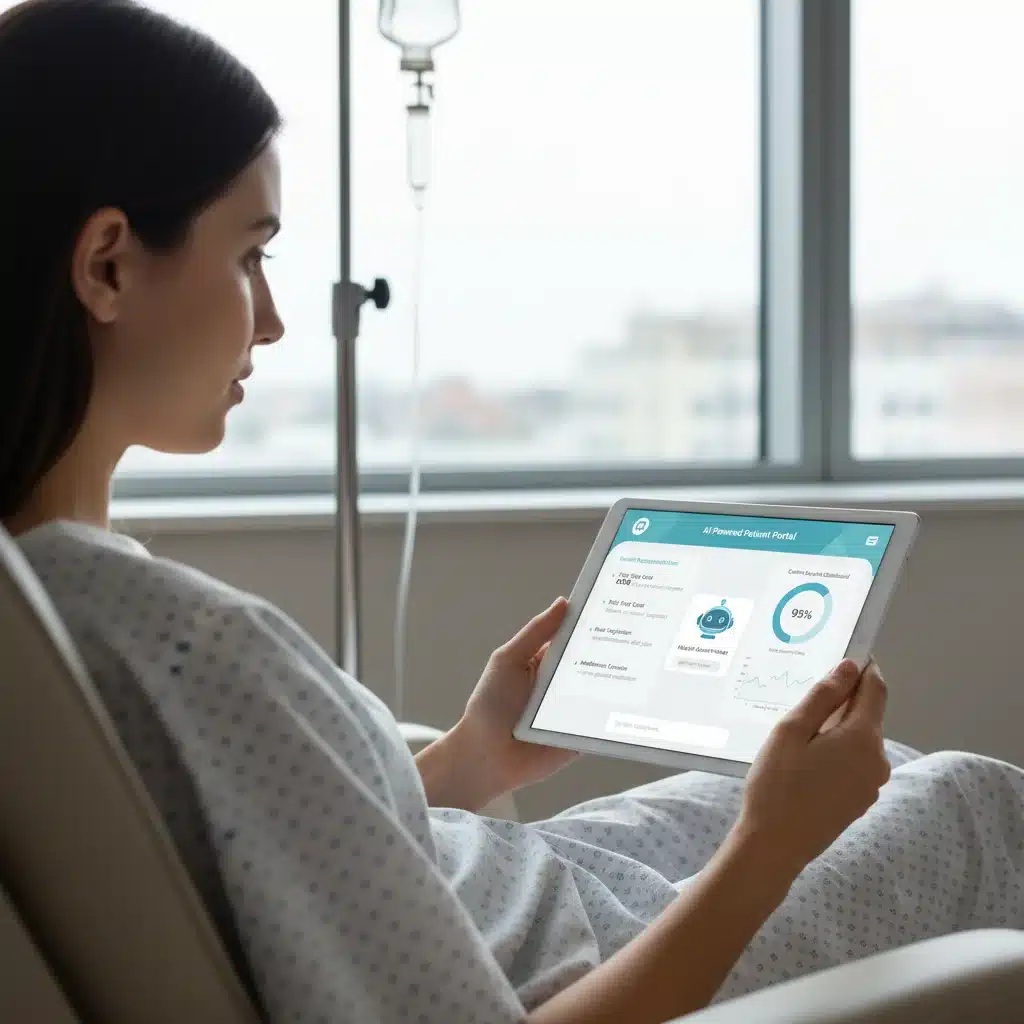
One of the most exciting applications of AI in Patient Portals 2.0 is the development of intelligent chatbots and virtual assistants. These AI-powered tools can answer common patient questions instantly, freeing up clinical staff to focus on more complex cases. From explaining lab results in plain language to guiding patients through appointment scheduling, these chatbots can provide immediate support 24/7. They can also triage symptoms, offering preliminary advice or directing patients to the appropriate level of care, thereby improving access and reducing unnecessary emergency room visits. The ability to receive immediate, personalized responses significantly enhances the patient experience and fosters a sense of being supported and understood.
Personalized Care Pathways
AI can help design and guide patients through personalized care pathways. For someone undergoing a specific treatment, the portal could provide a step-by-step guide, explain what to expect at each stage, and offer support resources. This includes personalized pre- and post-operative instructions, rehabilitation exercises, or mental health support tailored to their specific needs. This level of personalization transforms the patient portal into a dynamic, adaptive tool that evolves with the patient’s health journey, making it a critical component of patient portal optimization for 2026.
Key Feature 2: Robust and Secure Interoperability
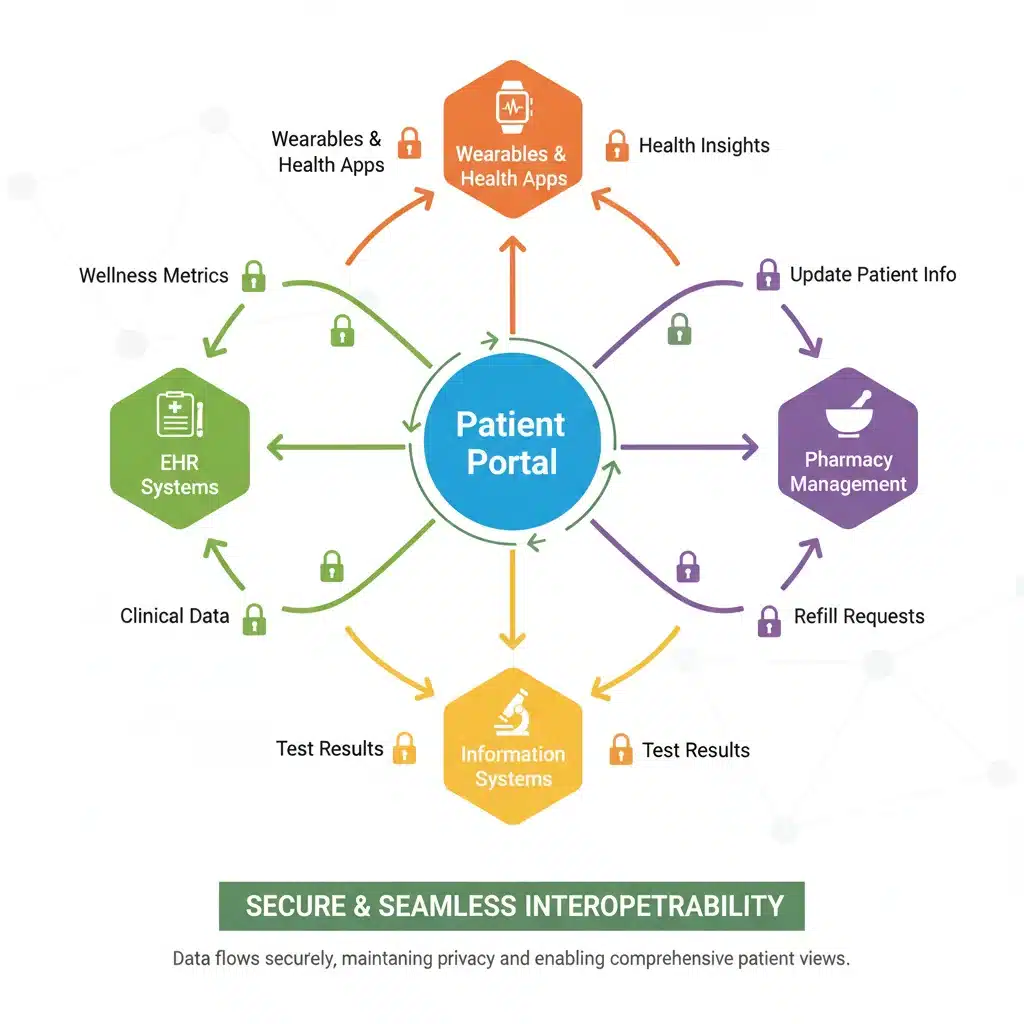
The second indispensable feature for Patient Portals 2.0 is robust and secure interoperability. Interoperability refers to the ability of different healthcare information systems and devices to seamlessly exchange and interpret data. Without it, even the most advanced AI-powered personalization will be limited by fragmented and incomplete data. For 2026, achieving true interoperability across the US healthcare ecosystem is not just an aspiration but a fundamental requirement for optimizing digital health access and engagement.
Seamless Data Exchange Across Providers
Currently, patients often act as the primary conduit for their health information, carrying records between different doctors or painstakingly recounting their medical history at each new visit. This is inefficient, prone to error, and frustrating. Robust interoperability means that a patient’s primary care physician, specialists, hospital, and even pharmacy can securely share and access relevant health data through the patient portal. This creates a comprehensive, real-time view of the patient’s health, regardless of where they receive care. This seamless exchange is crucial for coordinated care, preventing duplicate tests, and ensuring that all providers have the most up-to-date information, which is a core tenet of effective patient portal optimization.
Integration with Wearables and Health Apps
The proliferation of wearable devices (fitness trackers, smartwatches) and health apps has generated a wealth of personal health data. However, this data often remains siloed on individual devices or apps, disconnected from the formal healthcare record. Patient Portals 2.0, with strong interoperability, will be able to securely integrate with these personal health technologies. This integration allows patients to share their activity levels, sleep patterns, heart rate data, and other wellness metrics directly with their care team, providing a more complete picture of their health. Clinicians can then use this real-world data to offer more precise and personalized advice, further enhancing the effectiveness of patient portal optimization.
Enhanced Patient Access and Control
True interoperability empowers patients with unprecedented access to their own health information. They can view not just their doctor’s notes and lab results, but also data from specialists, emergency room visits, and even their own self-tracked health metrics, all in one secure location. More importantly, it gives patients greater control over who sees their data. Through granular consent mechanisms, patients can decide which providers or applications have access to specific parts of their health record, fostering trust and transparency. This level of patient agency is fundamental to boosting engagement and ensuring that digital health tools truly serve the individual.
Facilitating Public Health and Research
Beyond individual patient care, robust interoperability has significant implications for public health and medical research. Aggregated, de-identified data from interconnected patient portals can provide invaluable insights into disease trends, treatment effectiveness, and population health patterns. This data can inform public health strategies, accelerate medical research, and ultimately lead to better health outcomes for entire communities. The ethical and secure sharing of this data, facilitated by interoperable systems, represents a powerful opportunity for advancing healthcare knowledge and improving public health initiatives by 2026.
The Synergy of AI-Powered Personalization and Interoperability
While AI-powered personalization and robust interoperability are powerful features on their own, their true transformative potential emerges when they are combined. The synergy between these two features is what will truly define Patient Portals 2.0 and drive significant patient portal optimization by 2026.
Imagine an AI algorithm that can draw upon a patient’s complete medical history, including data from multiple providers, wearable devices, and even genetic information (thanks to interoperability). With this comprehensive dataset, the AI can offer far more accurate and nuanced personalized recommendations. It can identify subtle patterns that might indicate an emerging health issue, suggest highly specific preventative measures, or even predict a patient’s response to certain treatments based on their unique biological profile. This level of intelligent, data-driven personalization is simply not possible without a foundation of seamless data exchange.
Furthermore, interoperability ensures that the insights generated by AI are not confined to a single portal or healthcare system. If an AI in one system identifies a critical health alert, interoperability allows that alert to be securely transmitted to all relevant care providers and integrated into their respective electronic health records. This ensures that the patient’s entire care team is working with the same, most up-to-date information and insights, leading to better-coordinated and more effective care. This interconnectedness is vital for achieving the ambitious goals of patient portal optimization within the next few years.
The combination also fosters a more dynamic and responsive healthcare experience. For example, if a patient’s wearable device (integrated via interoperability) detects an anomaly, the AI can immediately process this data, compare it against their medical history, and then proactively suggest an action through the personalized portal – perhaps a virtual consultation or a change in medication. This real-time, intelligent response capability is a hallmark of Patient Portals 2.0 and a significant leap forward in patient care.
Challenges and Considerations for 2026
While the vision for Patient Portals 2.0 is compelling, achieving widespread patient portal optimization by 2026 is not without its challenges. Several critical factors must be addressed to ensure successful implementation and adoption.
Data Security and Privacy
With increased data sharing and AI analysis comes an amplified need for robust data security and privacy measures. Patients must have complete confidence that their sensitive health information is protected from breaches and misuse. Healthcare organizations must invest heavily in cybersecurity infrastructure, adhere to strict regulatory compliance (HIPAA, etc.), and implement transparent data governance policies. Building and maintaining patient trust in these digital platforms is paramount for sustained engagement.
Standardization and Scalability
Achieving true interoperability requires widespread adoption of common data standards and protocols across diverse healthcare systems. The lack of universal standards has historically been a significant barrier. Efforts by organizations like HL7 and the ONC are pushing for greater standardization, but continued collaboration and enforcement will be necessary. Furthermore, solutions must be scalable to accommodate the vast and varied US healthcare landscape, from large hospital networks to small rural clinics.
User Experience and Digital Equity
Even with advanced features, a patient portal will only be effective if it is intuitive and easy to use for all patients, regardless of their technological proficiency. User-centered design principles must be at the forefront of development. Moreover, addressing digital equity is crucial. Not all patients have access to reliable internet, smartphones, or the digital literacy needed to navigate complex portals. Strategies must be in place to bridge this digital divide, ensuring that Patient Portals 2.0 enhance access for everyone, rather than exacerbating existing disparities.
Provider Adoption and Workflow Integration
The success of advanced patient portals also depends heavily on provider adoption. Healthcare professionals are often burdened by complex EHR systems and administrative tasks. New portal functionalities must seamlessly integrate into existing clinical workflows, providing genuine value to providers rather than adding to their workload. Training, support, and clear demonstrations of benefits will be essential to encourage widespread use by care teams.
Ethical AI Considerations
The use of AI in healthcare raises important ethical questions. Biases in algorithms, transparency in decision-making, and the potential for over-reliance on AI must be carefully considered. Developers and healthcare providers must work together to ensure that AI is used responsibly, ethically, and always in the best interest of the patient. Clear guidelines and continuous monitoring will be necessary to navigate these complex ethical landscapes as patient portal optimization progresses.
The Future is Now: Preparing for 2026
The vision of Patient Portals 2.0 is not a distant dream but a rapidly approaching reality. By focusing on AI-powered personalization and robust interoperability, the US healthcare system can achieve significant strides in digital health access and patient engagement by 2026. This transformation will require sustained investment, collaborative effort, and a patient-first mindset from all stakeholders.
Healthcare organizations should begin by evaluating their current patient portal infrastructure and identifying areas for enhancement. Prioritizing investments in technologies that facilitate seamless data exchange and enable intelligent personalization will be key. This includes upgrading EHR systems, adopting FHIR-based APIs for interoperability, and exploring partnerships with AI solution providers.
For patients, the future promises a more intuitive, supportive, and empowering digital health experience. Imagine a world where your health portal is not just a record keeper, but a proactive partner in your wellness journey, anticipating your needs, guiding your decisions, and connecting you effortlessly with your care team. This is the promise of Patient Portals 2.0, a promise that, with strategic planning and execution, will become a reality for millions across the United States by 2026.
The journey towards full patient portal optimization is ongoing, but the direction is clear. By embracing these two key features, AI-powered personalization and robust interoperability, we can unlock the full potential of digital health, creating a more accessible, efficient, and patient-centered healthcare system for the future. The time to act is now, to ensure that the digital health landscape of 2026 is one where every patient feels empowered, informed, and truly engaged in their health.