Navigating the 2026 Patient Safety and Quality Improvement Act: MedTech Reporting Essentials

The healthcare landscape is in a constant state of evolution, driven by technological advancements, increasing patient expectations, and an unwavering commitment to safety and quality. Against this backdrop, legislative and regulatory frameworks must adapt to ensure that innovation serves humanity responsibly. One such pivotal development on the horizon is the 2026 Patient Safety and Quality Improvement Act (PSQIA). This act, while building upon its predecessors, introduces significant enhancements and mandates that will profoundly impact the MedTech industry, particularly concerning MedTech reporting.
Understanding the nuances of the MedTech Reporting Act of 2026 is not merely about compliance; it’s about embedding a culture of proactive safety, fostering transparency, and ultimately, improving patient outcomes. This comprehensive guide will delve into the core tenets of the 2026 PSQIA, analyze its implications for medical device manufacturers, and provide actionable strategies to navigate the new regulatory environment successfully.
The journey towards safer medical devices is a continuous one, and the 2026 PSQIA represents a critical milestone in this ongoing endeavor. For companies operating in the MedTech space, staying ahead of these changes is paramount to maintaining market access, building trust, and fulfilling their ethical obligations to patients.
Understanding the Genesis of the 2026 Patient Safety and Quality Improvement Act
To fully grasp the significance of the 2026 MedTech Reporting Act, it’s essential to understand its historical context. The original Patient Safety and Quality Improvement Act, enacted in 2005, aimed to encourage healthcare providers to voluntarily report medical errors and patient safety concerns without fear of legal reprisal. It established Patient Safety Organizations (PSOs) to collect and analyze this data, fostering a non-punitive environment for learning and improvement.
However, as medical technology has advanced rapidly, so too have the complexities associated with device performance, interoperability, and post-market surveillance. The 2005 act, while foundational, faced challenges in fully addressing the unique reporting requirements and data analysis needs specific to medical devices. Gaps in data collection, inconsistencies in reporting, and a lack of standardized methodologies sometimes hindered the ability to identify systemic issues related to MedTech effectively.
The 2026 iteration of the PSQIA seeks to bridge these gaps. It is a direct response to the evolving nature of healthcare delivery, the increasing sophistication of medical devices, and the growing recognition that device-related incidents often require a distinct analytical approach. The new act is designed to create a more robust, standardized, and transparent framework for MedTech Reporting Act, ensuring that lessons learned from adverse events are swiftly disseminated and acted upon across the industry.
Key drivers behind the 2026 act include:
- Technological Advancements: The proliferation of AI-powered devices, connected health solutions, and increasingly complex implantable technologies necessitates a more granular and real-time reporting mechanism.
- Data Integration Challenges: Previous reporting systems often struggled with integrating diverse data sources from various healthcare settings and device types. The 2026 act aims to streamline this.
- Global Harmonization Efforts: There’s a growing international consensus on the need for harmonized medical device regulations. The 2026 PSQIA aligns with some of these global best practices, facilitating international data exchange and learning.
- Enhanced Patient Advocacy: Patient groups and advocacy organizations have consistently pushed for greater transparency and accountability in medical device safety, influencing the development of stricter reporting mandates.
By understanding these foundational elements, MedTech companies can better appreciate the spirit and intent behind the new regulations and prepare for their implementation.
Core Mandates and Key Changes for MedTech Reporting
The 2026 MedTech Reporting Act introduces several critical mandates and shifts in focus that will directly impact how medical device manufacturers operate. These changes are designed to enhance the quality, consistency, and utility of reported data, leading to more effective patient safety interventions.
Standardized Reporting Protocols
One of the most significant changes is the emphasis on standardized reporting protocols. The act will likely introduce more prescriptive guidelines for what constitutes a reportable event, the data elements to be included, and the format of submissions. This standardization aims to reduce ambiguity, improve data comparability across different manufacturers and devices, and facilitate more robust trend analysis. MedTech companies will need to review and update their internal reporting procedures to align with these new standards, investing in training for their teams and potentially new software solutions.
Proactive Surveillance and Risk Management
The 2026 PSQIA moves beyond reactive reporting of adverse events to a more proactive stance on surveillance and risk management. Manufacturers will be expected to implement enhanced post-market surveillance plans, actively monitor device performance in real-world settings, and identify potential safety signals earlier. This includes leveraging real-world evidence (RWE), integrating data from electronic health records (EHRs), and utilizing advanced analytics to detect emerging risks. The act may also mandate more frequent and detailed risk assessments throughout the device lifecycle.
Increased Data Transparency and Accessibility
While protecting proprietary information and patient privacy, the act is expected to promote greater transparency regarding device safety data. This might involve aggregated, anonymized data being made more accessible to researchers, healthcare providers, and potentially the public. For MedTech manufacturers, this means preparing for a world where their device performance data is subject to greater scrutiny and comparison. Building a robust data governance framework will be crucial to managing this increased transparency effectively.
Strengthened Role of Patient Safety Organizations (PSOs)
PSOs are anticipated to play an even more critical role under the 2026 act. They will likely be tasked with processing a greater volume and complexity of MedTech Reporting Act data, providing advanced analytical insights, and facilitating knowledge sharing across the industry. MedTech companies should consider strengthening their engagement with PSOs, viewing them as valuable partners in identifying and mitigating risks rather than just regulatory intermediaries.
Focus on Human Factors and Usability
Recognizing that many device-related incidents stem from human factors and usability issues, the 2026 PSQIA is expected to place a greater emphasis on these aspects. Manufacturers may face stricter requirements for human factors engineering during device design and development, as well as more detailed reporting on usability-related adverse events. This will necessitate a deeper integration of human factors expertise into the entire product lifecycle.
Cybersecurity and Data Integrity
With the rise of connected medical devices, cybersecurity is no longer an ancillary concern but a core component of patient safety. The 2026 act will undoubtedly incorporate stringent requirements for cybersecurity measures in devices and the reporting infrastructure itself. Ensuring the integrity and security of reported data will be paramount, requiring robust IT infrastructure and protocols from manufacturers.
These core mandates underscore a fundamental shift towards a more integrated, proactive, and data-driven approach to MedTech safety. Companies that embrace these changes early will be better positioned for long-term success and continued innovation.
Operational Impact on Medical Device Manufacturers
The implementation of the 2026 MedTech Reporting Act will necessitate significant operational adjustments for medical device manufacturers. These changes will span across various departments, from R&D and quality assurance to regulatory affairs and post-market surveillance. Proactive planning and investment will be key to a smooth transition.
Revisiting Quality Management Systems (QMS)
Manufacturers will need to conduct a thorough review and likely an overhaul of their existing Quality Management Systems (QMS) to align with the new reporting mandates. This includes updating standard operating procedures (SOPs) for adverse event reporting, complaint handling, and corrective and preventive actions (CAPAs). The QMS must be robust enough to capture the newly required data elements and facilitate their timely submission.
Enhanced Data Collection and Analytics Capabilities
The act’s emphasis on standardized and comprehensive data will demand enhanced capabilities in data collection, storage, and analysis. Companies may need to invest in new software solutions, such as advanced electronic reporting systems, data lakes, and business intelligence tools. The ability to perform sophisticated trend analysis, identify causal factors, and predict potential issues will become a competitive differentiator. Furthermore, training personnel in data science and analytics will be crucial.
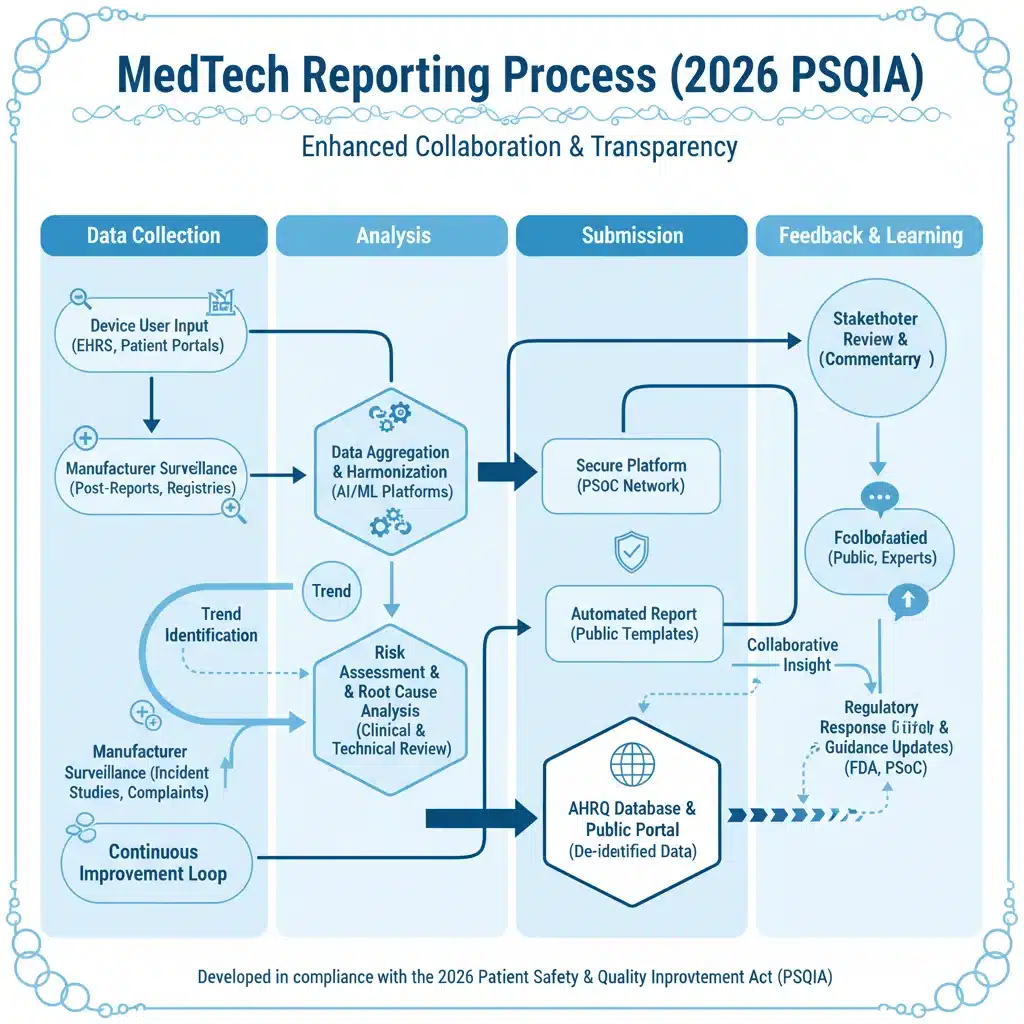
Embracing a data-driven culture will be essential. This means moving beyond merely collecting data to actively using it to inform design improvements, manufacturing processes, and post-market strategies.
Resource Allocation and Training
Compliance with the 2026 PSQIA will require significant resource allocation. This includes financial investment in technology, as well as human capital. Regulatory affairs teams will need to be well-versed in the new requirements, and training programs will be essential for all personnel involved in product design, manufacturing, sales, and post-market activities. Understanding the nuances of the MedTech Reporting Act will be a company-wide imperative.
Supply Chain and Third-Party Management
Medical device manufacturers often rely on complex supply chains and third-party vendors for components, software, and services. The 2026 act may extend reporting responsibilities or data sharing requirements to these partners. Manufacturers will need to review and update their agreements with suppliers and ensure that their entire supply chain is prepared to meet the new reporting and quality standards.
Post-Market Surveillance (PMS) Intensification
The act is expected to significantly intensify post-market surveillance requirements. This means more rigorous monitoring of devices once they are on the market, including proactive data gathering from various sources. Manufacturers will need to establish robust PMS plans that can identify and analyze emerging safety signals quickly, leading to faster recalls or field safety notices when necessary. This proactive approach to PMS is a cornerstone of the new MedTech Reporting Act.
Integration of Human Factors Engineering (HFE)
The increased focus on human factors will require manufacturers to integrate HFE principles throughout the device development lifecycle. This includes conducting thorough usability testing, analyzing user error data, and designing devices that minimize the potential for misuse. Reporting systems will also need to capture detailed information about human-device interaction leading to adverse events.
Navigating these operational impacts successfully will require a strategic, cross-functional approach. Companies that view these changes as opportunities for improvement rather than mere regulatory burdens will gain a significant advantage.
Strategies for Ensuring Compliance and Enhancing Patient Safety
Achieving compliance with the 2026 MedTech Reporting Act and simultaneously enhancing patient safety requires a multifaceted and proactive strategy. Manufacturers should begin preparing well in advance of the act’s effective date to ensure a smooth transition and avoid potential penalties.
1. Conduct a Comprehensive Gap Analysis
The first step is to perform a detailed gap analysis of current reporting practices against the anticipated requirements of the 2026 PSQIA. This involves evaluating existing QMS procedures, data collection methodologies, IT infrastructure, and personnel training. Identify areas where current systems fall short and prioritize necessary improvements.
2. Invest in Technology and Automation
Manual reporting processes are often prone to errors and inefficiencies. Investing in advanced software solutions for adverse event reporting, complaint management, and data analytics will be crucial. Automation can streamline data collection, ensure consistency, and facilitate timely submissions, greatly aiding compliance with the MedTech Reporting Act.
3. Foster a Culture of Quality and Safety
Compliance is not just about ticking boxes; it’s about embedding a deep-seated commitment to quality and patient safety throughout the organization. This involves leadership buy-in, continuous training for all employees, and creating an environment where reporting concerns is encouraged and valued. A strong safety culture is the bedrock of effective MedTech reporting.
4. Strengthen Cross-Functional Collaboration
Effective MedTech reporting requires seamless collaboration between various departments: R&D, manufacturing, quality assurance, regulatory affairs, clinical, and marketing. Establish clear communication channels and processes to ensure that all relevant information is shared and acted upon promptly. Cross-functional teams can proactively identify potential risks and develop mitigation strategies.
5. Engage with Patient Safety Organizations (PSOs)
Actively engage with PSOs to understand their evolving role and leverage their expertise. PSOs can provide valuable insights into best practices, help analyze complex data, and facilitate benchmarking against industry standards. Building strong relationships with PSOs can be a significant asset in navigating the new regulatory landscape of the MedTech Reporting Act.
6. Develop Robust Training Programs
Comprehensive training programs are essential to ensure that all personnel understand their roles and responsibilities under the new act. Training should cover updated reporting procedures, data entry requirements, the importance of accurate documentation, and the ethical implications of patient safety. Regular refreshers will be necessary to keep teams informed of any further updates.
7. Prioritize Cybersecurity and Data Integrity
With increased data exchange and the growing threat of cyberattacks, robust cybersecurity measures and sound data governance policies are non-negotiable. Ensure that all systems handling patient safety data are secure, and that data privacy regulations (e.g., HIPAA, GDPR) are strictly adhered to. The integrity of reported data is as important as the data itself.
8. Stay Informed and Adaptable
The regulatory landscape is dynamic. Manufacturers must commit to staying informed about any further guidance or amendments related to the 2026 PSQIA. Participate in industry forums, engage with regulatory bodies, and subscribe to relevant updates. Agility and adaptability will be critical to long-term compliance.
The Broader Implications: Beyond Compliance
While compliance with the 2026 MedTech Reporting Act is a primary concern, its implications extend far beyond simply meeting regulatory requirements. The act presents a unique opportunity for medical device manufacturers to redefine their approach to product development, market strategy, and stakeholder engagement.
Enhanced Product Innovation
By fostering a more rigorous approach to data collection and analysis, the act can inadvertently spur innovation. Deeper insights into device performance, user interactions, and adverse events can directly inform future design improvements, leading to safer, more effective, and more user-friendly products. This data-driven feedback loop can accelerate the development of next-generation medical technologies.
Improved Patient Trust and Brand Reputation
Companies that demonstrate a strong commitment to patient safety and transparent reporting will build greater trust with healthcare providers, patients, and regulatory bodies. A reputation for prioritizing safety can become a significant competitive advantage, enhancing brand loyalty and market standing. In an increasingly competitive market, trust is an invaluable currency.
Reduced Litigation Risk and Costs
Proactive identification and mitigation of safety issues, facilitated by robust MedTech Reporting Act compliance, can significantly reduce the risk of costly litigation and product recalls. Early detection of potential problems allows manufacturers to address them before they escalate, saving substantial financial and reputational costs.
Global Market Access and Harmonization
As international regulatory bodies increasingly align their standards, compliance with a forward-thinking act like the 2026 PSQIA can facilitate easier market access in other regions. Harmonized reporting practices can reduce the burden of complying with disparate regulations globally, streamlining product launches and expanding market reach.

The act encourages a more integrated global approach to medical device safety, benefiting both manufacturers and patients worldwide.
Operational Efficiencies
While initial investments in new systems and processes may be substantial, the long-term benefits of streamlined, standardized, and automated reporting can lead to significant operational efficiencies. Better data management, reduced manual effort, and improved decision-making processes can optimize resource allocation and enhance overall productivity.
Ethical Leadership in Healthcare
Ultimately, embracing the spirit of the 2026 MedTech Reporting Act positions manufacturers as ethical leaders in the healthcare industry. It demonstrates a commitment to putting patient well-being at the forefront of business operations, aligning commercial success with societal benefit. This ethical stance resonates deeply with today’s conscious consumers and healthcare professionals.
The Road Ahead: Preparing for 2026 and Beyond
The 2026 Patient Safety and Quality Improvement Act is not just another regulatory hurdle; it’s a fundamental recalibration of how the MedTech industry approaches patient safety and reporting. For medical device manufacturers, the time to prepare is now. Proactive engagement with the new mandates, strategic investment in technology and human capital, and a steadfast commitment to a culture of quality will be critical for success.
By viewing the MedTech Reporting Act as an opportunity to innovate, enhance trust, and improve patient outcomes, manufacturers can transform potential challenges into significant competitive advantages. The journey to 2026 will be demanding, but the destination – a safer, more transparent, and more effective MedTech ecosystem – is one that benefits everyone.
The future of medical device innovation is inextricably linked to the future of patient safety. The 2026 PSQIA serves as a powerful reminder that these two imperatives must always advance hand-in-hand. Companies that embrace this philosophy will not only comply with the law but will also lead the way in shaping a healthier tomorrow.