2026 Medical Device Excise Tax: Financial Impact Analysis and Preparation

The landscape of the medical device industry is constantly evolving, driven by technological innovation, regulatory changes, and economic shifts. Among the most significant upcoming changes that demand immediate attention from manufacturers and stakeholders is the potential reintroduction or adjustment of the medical device tax in 2026. This tax, which has a complex history, carries substantial financial implications that could reshape business strategies, investment decisions, and ultimately, the accessibility and cost of medical technologies. Understanding the nuances of this tax, its historical context, and its projected financial impact is paramount for any entity operating within this critical sector. Proactive preparation is not merely advisable; it is essential for navigating the challenges and capitalizing on potential opportunities that these adjustments may present.
The original medical device excise tax, a 2.3% levy on the sale of certain medical devices by manufacturers and importers, was initially enacted as part of the Affordable Care Act (ACA) in 2010. Its primary purpose was to help fund the ACA and ensure that all stakeholders contributed to the broader healthcare reform efforts. However, the tax faced significant opposition from the medical device industry, which argued that it stifled innovation, reduced competitiveness, and led to job losses. These concerns eventually led to a series of suspensions, culminating in its full repeal in December 2019. Now, as 2026 approaches, discussions around its potential reintroduction or a new form of taxation are gaining traction, prompting the industry to brace for another wave of financial adjustments.
This comprehensive analysis aims to dissect the potential financial impact of the 2026 medical device tax adjustments. We will delve into the historical context of the tax, explore various scenarios for its reintroduction or modification, and provide actionable strategies for businesses to prepare. From understanding the direct costs to assessing indirect effects on research and development, supply chains, and market pricing, this article will serve as a vital resource for medical device companies, investors, and policymakers. Our goal is to equip you with the knowledge and tools necessary to conduct a thorough financial impact analysis and develop robust strategies for compliance and sustained growth in a dynamic regulatory environment.
Historical Context of the Medical Device Excise Tax
To fully grasp the implications of the 2026 medical device tax, it’s crucial to revisit its origins and evolution. The tax was initially introduced as part of the Affordable Care Act (ACA) in 2010, designed to generate revenue to offset the costs of expanding health insurance coverage. It was structured as a 2.3% excise tax on the sale of certain medical devices by manufacturers and importers in the United States. The definition of a taxable medical device was broad, encompassing a wide range of products intended for human use, including diagnostic equipment, surgical instruments, and implants, but generally excluding eyeglasses, contact lenses, hearing aids, and other devices sold directly to the general public for retail purchase.
From its implementation in January 2013, the tax immediately became a contentious issue. The medical device industry, a significant contributor to the U.S. economy and a global leader in innovation, argued that the tax disproportionately affected its ability to invest in research and development (R&D), create jobs, and remain competitive internationally. Industry representatives and advocacy groups highlighted several key concerns:
- Innovation Stifling: The tax reduced available capital for R&D, potentially slowing the development of new life-saving technologies.
- Job Losses: Companies reportedly laid off employees and moved operations overseas to mitigate the financial burden.
- Competitiveness: U.S. manufacturers faced a disadvantage compared to foreign competitors who were not subject to a similar tax.
- Pass-Through Costs: While intended for manufacturers, some argued that the costs would inevitably be passed on to consumers or healthcare providers, increasing healthcare expenditures.
These arguments resonated with policymakers, leading to bipartisan efforts to repeal or suspend the tax. The tax was suspended multiple times, first for two years in December 2015, then for another two years in January 2018. Finally, in December 2019, as part of a broader spending package, the medical device tax was permanently repealed. This repeal was widely celebrated by the industry, which anticipated a resurgence in R&D investment and job creation.
However, the fiscal pressures on federal spending and the ongoing debate over healthcare funding mean that the idea of revenue generation from various sectors, including medical devices, often resurfaces. The 2026 timeframe is significant because it aligns with potential shifts in political landscapes and the expiration of other fiscal policies, creating an environment where the tax could be reconsidered. While the exact form and rationale for any new tax are yet to be determined, the industry must prepare for the possibility that a similar or modified levy could be imposed. Understanding this historical context is vital for medical device companies to anticipate the arguments for and against the tax, and to strategically position themselves for future regulatory changes.
Potential Scenarios for 2026 Medical Device Tax Adjustments
The prospect of new medical device tax adjustments in 2026 is not a certainty, but a possibility that forward-thinking businesses must consider. Several scenarios could unfold, each with distinct implications. These scenarios are largely dependent on the prevailing political climate, federal budgetary needs, and the ongoing debate surrounding healthcare funding.
Scenario 1: Reintroduction of the 2.3% Excise Tax
The most straightforward scenario would be the reintroduction of the original 2.3% excise tax on the sale of certain medical devices. This would mean a direct return to the framework that existed from 2013 to 2015. The financial impact would be immediate and significant, as companies would once again need to factor this percentage into their pricing, profit margins, and investment strategies. The administrative burden of compliance, including reporting and payment mechanisms, would also resurface.
Scenario 2: Modified Excise Tax with Exemptions or Different Rates
Another possibility is a modified version of the tax. Policymakers might introduce a tiered system, where different types of medical devices are taxed at varying rates based on their impact on public health, innovation level, or market size. Alternatively, certain devices, such as those deemed essential for public health or those developed by small businesses, might receive exemptions. This scenario would introduce additional complexity in compliance but could also offer relief to specific segments of the industry. The definition of ‘taxable medical device’ could also be refined to be more precise, addressing some of the ambiguities of the original legislation.
Scenario 3: Alternative Revenue Generation Mechanisms
Instead of a direct excise tax, policymakers might explore alternative mechanisms to generate revenue from the medical device sector. This could include:
- Increased Corporate Income Taxes: A general increase in corporate income tax rates for companies within the medical device sector.
- User Fees: Enhanced or new user fees for regulatory approvals, inspections, or other services provided by federal agencies like the FDA.
- Sales Taxes on End-Users: While less likely at the federal level for specific industries, a broader consumption tax could indirectly impact medical device sales.
- Value-Based Taxation: A more innovative approach could link taxation to the value or outcomes generated by medical devices, though this would be significantly more complex to implement and measure.
Scenario 4: No Reintroduction of the Tax
It is also possible that the medical device tax will not be reintroduced in any form. Strong lobbying efforts from the industry, coupled with compelling economic arguments about the negative impact on innovation and job creation, could persuade lawmakers to continue the repeal. However, relying solely on this scenario would be a risky strategy for businesses, given the unpredictable nature of legislative processes and fiscal needs.
Each of these scenarios presents unique challenges and opportunities. Medical device companies should conduct thorough scenario planning, assessing the potential financial impact under each possibility. This involves not only direct cost calculations but also considering how each scenario might affect R&D budgets, supply chain resilience, market competitiveness, and ultimately, patient access to critical medical technologies. Proactive engagement with industry associations and policymakers will also be crucial in shaping any future legislation.
Direct Financial Impact: Costs and Revenue
The direct financial impact of any new medical device tax would primarily manifest in increased operational costs and potential reductions in revenue and profit margins. For companies operating on tight margins, even a seemingly small percentage levy can have profound effects. Understanding these direct costs is the first step in conducting a robust financial impact analysis.
Increased Cost of Goods Sold (COGS)
If an excise tax is reintroduced, it would directly increase the cost of goods sold for manufacturers and importers. The 2.3% tax, for example, would be applied to the selling price of taxable medical devices. This means that for every $100 in sales, $2.30 would be owed in tax. Companies would need to decide whether to absorb this cost, pass it on to consumers, or a combination of both. Absorbing the cost directly reduces profit margins, while passing it on could make products less competitive or increase healthcare costs for patients and providers.
Impact on Profit Margins
For many medical device companies, especially those in highly competitive segments or those producing lower-margin devices, a 2.3% tax can significantly erode profitability. This reduction in profit can have a ripple effect, impacting shareholder returns, employee bonuses, and the ability to reinvest in the business. Small and medium-sized enterprises (SMEs) are often particularly vulnerable, as they may lack the financial buffer of larger corporations to absorb such costs.
Administrative and Compliance Costs
Beyond the direct tax payment, companies will incur administrative costs associated with compliance. This includes:
- Accounting and Reporting: Adjusting accounting systems to track taxable sales, preparing and filing tax returns, and ensuring accurate record-keeping.
- Legal and Consulting Fees: Engaging tax lawyers and consultants to interpret complex regulations, ensure compliance, and navigate potential audits.
- Training: Training internal staff on new tax laws, compliance procedures, and reporting requirements.
- System Upgrades: Potentially upgrading enterprise resource planning (ERP) systems or other financial software to accommodate the new tax structure.
These hidden costs can be substantial, especially for companies with diverse product portfolios or complex sales channels.
Cash Flow Implications
The timing of tax payments can also impact cash flow. Excise taxes are typically paid regularly (e.g., quarterly or monthly), requiring companies to manage their liquidity effectively to meet these obligations. For companies with seasonal sales or long payment cycles, this can create additional financial strain.
Pricing Strategies and Market Competitiveness
Companies will need to reassess their pricing strategies. If the tax is passed on, devices become more expensive, potentially affecting demand or shifting market share to untaxed alternatives or international competitors. If absorbed, it impacts profitability. Finding the right balance is crucial for maintaining market competitiveness while ensuring financial viability. This decision often involves complex economic modeling and market analysis.

Indirect Financial Impact: R&D, Supply Chain, and Market Dynamics
The financial implications of the 2026 medical device tax extend far beyond direct costs, influencing crucial areas such as research and development, supply chain resilience, and overall market dynamics. These indirect impacts can be more challenging to quantify but are equally, if not more, significant for the long-term health and innovation of the industry.
Impact on Research and Development (R&D)
One of the most frequently cited concerns during the original implementation of the medical device tax was its potential to stifle innovation. R&D is the lifeblood of the medical device industry, leading to advancements that improve patient outcomes and save lives. A reduction in profit margins due to the tax can directly translate into reduced budgets for R&D. Companies may:
- Scale back new product development: Prioritizing existing products over speculative new ventures.
- Delay clinical trials: Slowing down the process of bringing new devices to market.
- Reduce investment in basic science: Focusing on incremental improvements rather than groundbreaking discoveries.
- Shift R&D activities overseas: Moving innovation hubs to countries with more favorable tax environments, potentially impacting domestic job creation and technological leadership.
The long-term consequence of reduced R&D could be a slower pace of medical innovation, ultimately impacting patient access to advanced treatments and diagnostics.
Supply Chain Disruptions and Adjustments
The medical device tax can also create ripple effects throughout the global supply chain. Manufacturers might re-evaluate their sourcing strategies, looking for ways to minimize tax exposure. This could lead to:
- Reshoring or Offshoring: Companies might consider moving manufacturing operations to different regions to optimize tax liabilities, potentially disrupting established supply networks.
- Vendor Renegotiations: Pressure to reduce costs could lead to renegotiations with suppliers, impacting their profitability and potentially the quality of components.
- Inventory Management Changes: Adjustments to inventory levels and logistics to manage the tax implications of goods in transit or in warehouses.
- Increased Scrutiny on Imports/Exports: Greater focus on the classification and valuation of imported and exported devices to ensure compliance and minimize tax burdens.
These adjustments can lead to increased complexity, potential delays, and additional costs within the supply chain.
Market Dynamics and Competitive Landscape
The tax can alter the competitive landscape in several ways:
- Consolidation: Smaller companies, less able to absorb the tax burden, might become acquisition targets for larger firms.
- Market Exit: Some companies, particularly those with niche products or tight margins, might choose to exit the market.
- Pricing Pressure: If companies pass the tax onto consumers, it could lead to higher healthcare costs, potentially affecting purchasing decisions by hospitals and healthcare systems.
- International Competitiveness: U.S.-based manufacturers might face a disadvantage in global markets if their products become more expensive due to domestic taxation, encouraging foreign competitors.
These shifts can impact market access, innovation, and the overall health of the medical device ecosystem.
Strategies for Financial Impact Analysis and Preparation
Given the potential for significant financial repercussions, proactive preparation for the 2026 medical device tax adjustments is non-negotiable. A systematic approach to financial impact analysis and strategic planning can help mitigate risks and ensure continued business viability and growth.
1. Conduct a Comprehensive Financial Modeling Exercise
The first step is to model the potential impact of various tax scenarios on your company’s financials. This should include:
- Revenue Projections: Estimate how the tax might affect sales volumes and pricing strategies.
- Cost Analysis: Quantify the direct tax liability, administrative costs, and potential increases in COGS.
- Profitability Assessment: Project changes in gross and net profit margins under different tax rates and scenarios.
- Cash Flow Forecasts: Analyze the impact on working capital and liquidity, especially considering tax payment schedules.
- Sensitivity Analysis: Evaluate how changes in key variables (e.g., tax rate, sales volume, ability to pass on costs) affect the overall financial impact.
Utilize sophisticated financial modeling tools and engage with experienced tax professionals to ensure accuracy and thoroughness.
2. Review and Adjust Pricing Strategies
If a tax is reintroduced, companies will need to carefully consider their pricing. Options include:
- Partial or Full Pass-Through: Determine the extent to which the tax can be passed on to customers without significantly impacting demand or competitiveness. This requires a deep understanding of market elasticity and competitive pricing.
- Value-Based Pricing: For highly innovative devices, emphasizing the clinical and economic value can justify higher prices, potentially absorbing some of the tax burden.
- Bundling and Service Offerings: Explore bundling products with services or offering value-added services that can justify a higher overall price point, effectively diluting the impact of the tax on individual device sales.
Any pricing adjustments should be communicated transparently to customers and stakeholders.
3. Optimize Supply Chain and Operations
Examine your current supply chain for opportunities to reduce costs and minimize tax exposure:
- Supplier Negotiations: Re-negotiate terms with suppliers to secure better pricing or more favorable payment terms.
- Manufacturing Footprint Review: Assess the tax implications of your manufacturing locations and consider potential adjustments if significant tax advantages can be gained.
- Inventory Management: Implement just-in-time (JIT) inventory systems where feasible to reduce holding costs and potential tax liabilities on stored goods.
- Logistics Optimization: Streamline shipping and distribution processes to reduce costs and improve efficiency.
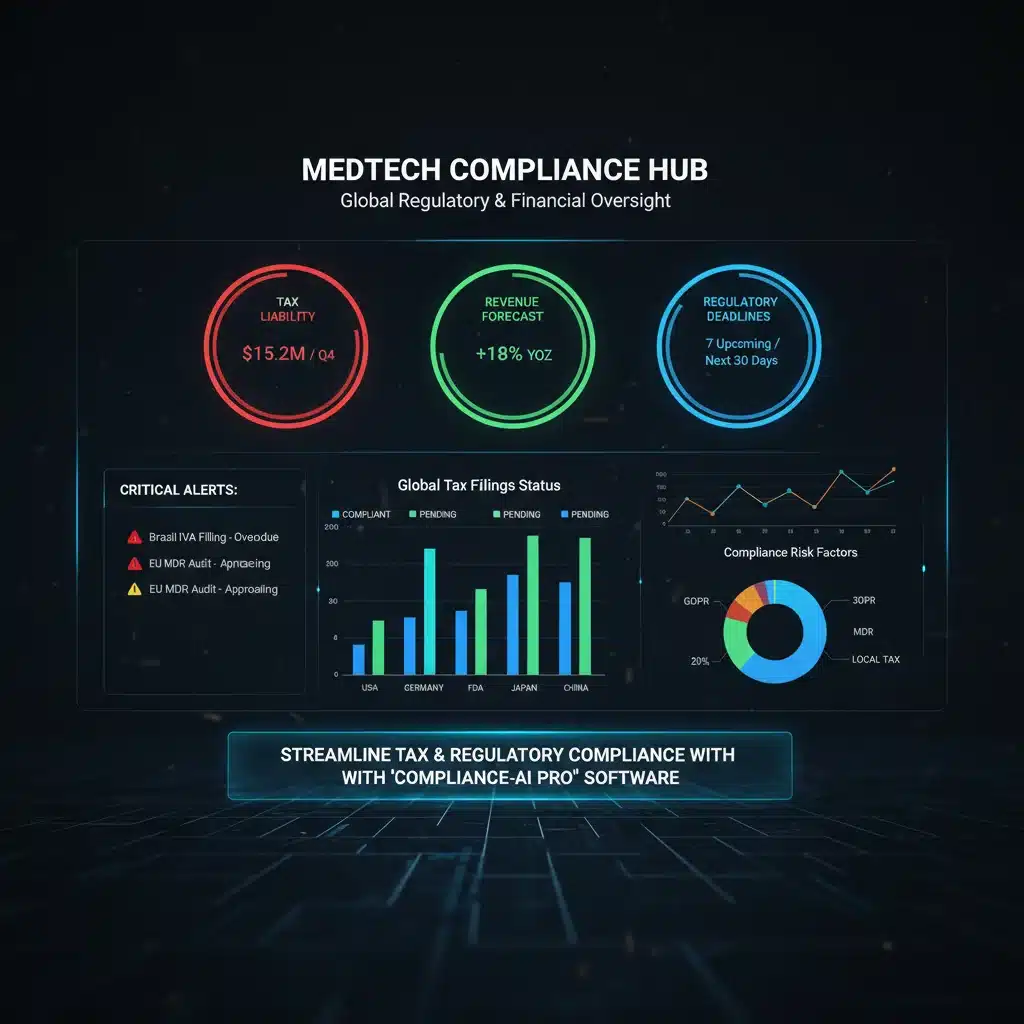
4. Enhance Tax Compliance and Reporting Systems
Proactive investment in robust tax compliance systems is crucial. This includes:
- ERP System Upgrades: Ensure your enterprise resource planning (ERP) system can accurately track taxable sales, calculate liabilities, and generate necessary reports.
- Internal Controls: Establish strong internal controls to prevent errors, ensure data integrity, and facilitate accurate reporting.
- Staff Training: Provide comprehensive training to finance, accounting, and sales teams on the specifics of the new tax regulations.
- Expert Consultation: Engage tax attorneys and consultants early to interpret complex regulations, develop compliance strategies, and prepare for potential audits.
Being prepared from a compliance standpoint can significantly reduce risks and administrative burdens.
5. Advocate and Engage with Policymakers
Industry associations and individual companies should actively engage with policymakers to articulate the potential negative impacts of the medical device tax on innovation, job creation, and patient access. Providing data-driven analyses and real-world examples can influence legislative outcomes. Advocating for exemptions, lower rates, or alternative revenue mechanisms that are less detrimental to the industry is a critical part of a comprehensive preparation strategy.
6. Re-evaluate R&D Investment Strategy
Given potential margin compression, companies may need to strategically re-evaluate their R&D investments. This doesn’t necessarily mean cutting R&D, but rather focusing on:
- High-Impact Projects: Prioritizing projects with the highest potential for clinical and commercial success.
- Partnerships: Exploring collaborations with academic institutions, startups, or other companies to share R&D costs and risks.
- Government Grants and Incentives: Actively seeking out government grants, tax credits, and other incentives for R&D activities.
Maintaining a strong R&D pipeline is essential for long-term competitiveness, even under challenging tax environments.
Long-Term Strategic Planning and Risk Mitigation
Beyond immediate adjustments, the potential reintroduction of the medical device tax necessitates a long-term strategic perspective. Companies must integrate tax considerations into their broader business planning to ensure resilience and sustained growth.
Diversification of Product Portfolio and Markets
To mitigate the impact of a targeted tax, consider diversifying your product portfolio. If certain types of devices are more heavily taxed, a balanced portfolio including exempted or lower-taxed products can reduce overall tax exposure. Similarly, expanding into international markets where the tax does not apply can help offset domestic revenue impacts, although this introduces other complexities related to international trade and regulatory compliance.
Investment in Automation and Efficiency
Increased tax burdens often compel companies to seek greater operational efficiencies. Investing in automation, advanced manufacturing techniques, and lean processes can reduce production costs, thereby helping to offset the tax impact on profit margins. This not only mitigates the tax effect but also enhances overall competitiveness and productivity.
Building Strong Financial Reserves
Maintaining robust financial reserves is crucial for weathering unexpected fiscal challenges, including new taxes. Strong cash flow and liquidity provide the flexibility to absorb initial impacts, fund necessary system upgrades, and manage potential administrative costs without jeopardizing core operations or R&D investments.
Monitoring Legislative Developments
Stay continuously informed about legislative developments related to the medical device tax. This involves monitoring congressional activities, engaging with industry associations, and subscribing to expert analyses. Early awareness of proposed changes allows for more timely and effective strategic responses.
Scenario Planning for Future Tax Regimes
Develop a robust scenario planning framework that considers not just the 2026 tax, but also potential future tax regimes and regulatory shifts. This involves identifying key uncertainties, developing plausible future scenarios, and articulating strategies for each. Such a proactive approach fosters organizational agility and adaptability.
Talent Management and Retention
The uncertainty and financial pressures introduced by a new tax can impact employee morale and retention. Companies should communicate transparently with their workforce, demonstrating a clear strategy for navigating the changes. Investing in employee training and development, particularly in areas like tax compliance and financial analysis, can also strengthen internal capabilities.
Conclusion: Navigating the Future of Medical Device Taxation
The potential reintroduction or adjustment of the medical device tax in 2026 represents a significant financial challenge for the industry. While the exact nature of these changes remains uncertain, the historical context and ongoing fiscal pressures suggest that medical device companies must prepare for a new tax reality. The direct financial impact, including increased COGS, reduced profit margins, and administrative costs, can be substantial. Equally important are the indirect effects on R&D, supply chain dynamics, and market competitiveness, which could reshape the industry’s innovation trajectory and global standing.
Proactive and comprehensive preparation is not merely a recommendation; it is a strategic imperative. By conducting thorough financial modeling, adjusting pricing strategies, optimizing supply chains, enhancing compliance systems, and engaging with policymakers, companies can build resilience and mitigate potential risks. Long-term strategic planning, including product and market diversification, investment in efficiency, and continuous monitoring of legislative developments, will be crucial for sustained success.
The medical device industry plays a vital role in global healthcare, driving innovation that improves and saves lives. Ensuring that any future tax policies support, rather than hinder, this critical mission should be a priority for all stakeholders. By embracing a proactive and adaptable approach, medical device companies can navigate the complexities of future tax adjustments, continue to innovate, and ultimately, deliver essential technologies to patients worldwide. The time to prepare for the 2026 medical device tax is now, ensuring that the industry remains robust, competitive, and at the forefront of medical advancement.