2026 Public Health Emergency Act: MedTech Implications & Preparedness

The 2026 Public Health Emergency (PHE) Preparedness Act and Its MedTech Implications
The landscape of global health is constantly evolving, presenting new challenges that demand robust and agile responses. The recent past has undeniably highlighted the critical role of preparedness in mitigating the impact of widespread health crises. In response to these lessons learned, governments worldwide are re-evaluating and strengthening their public health frameworks. A cornerstone of this global effort is the anticipated 2026 Public Health Emergency (PHE) Preparedness Act. This landmark legislation is poised to fundamentally reshape how nations prepare for, detect, and respond to future public health emergencies, with profound and far-reaching implications for the medical technology (MedTech) industry.
The PHE Preparedness MedTech landscape is on the cusp of a transformative era. This act is not merely a bureaucratic update; it represents a strategic pivot towards a more proactive, integrated, and technologically advanced approach to public health security. For MedTech companies, understanding the nuances of this act is not just about compliance; it’s about identifying new opportunities, navigating potential challenges, and ultimately contributing to a more resilient global health ecosystem. This comprehensive article will delve into the core tenets of the 2026 PHE Preparedness Act, dissecting its direct and indirect implications for the MedTech sector, and outlining crucial strategies for companies to thrive in this new regulatory and operational environment.
Understanding the Core Mandates of the 2026 PHE Preparedness Act
At its heart, the 2026 PHE Preparedness Act aims to create a more coordinated, efficient, and technologically empowered response mechanism for public health emergencies. While the specific details are still being finalized, general consensus and preliminary drafts suggest several key mandates that will directly influence the MedTech industry. These mandates are designed to address gaps identified during previous crises, focusing on areas such as rapid diagnostic development, enhanced surveillance, resilient supply chains, and accelerated regulatory pathways.
One of the primary objectives of the Act is to streamline the process for developing and deploying medical countermeasures, including vaccines, therapeutics, and diagnostic tools. This will likely involve dedicated funding mechanisms, clearer guidelines for clinical trials during emergencies, and potentially expedited review processes for essential MedTech innovations. The emphasis here is on speed and scalability, recognizing that early detection and rapid intervention are paramount in containing outbreaks and minimizing their societal impact. MedTech companies specializing in diagnostics, particularly those offering point-of-care testing and advanced genomic sequencing, are expected to see significant demand and new regulatory support under this framework. The Act will likely establish specific benchmarks for diagnostic turnaround times and accuracy, pushing the boundaries of current technological capabilities and fostering a new wave of innovation in the diagnostic space.
Furthermore, the Act is anticipated to bolster national and international surveillance capabilities. This means a greater reliance on data-driven approaches, integrating various data sources from healthcare providers, public health agencies, and even environmental monitoring systems. MedTech solutions that facilitate data collection, analysis, and secure sharing will be in high demand. This includes advanced telemedicine platforms, remote monitoring devices, and AI-powered analytics tools capable of identifying emerging threats and predicting potential outbreaks. The focus on interoperability and secure data exchange will also be a critical component, requiring MedTech developers to prioritize robust cybersecurity measures and adherence to standardized data protocols. The PHE Preparedness MedTech sector will need to adapt quickly to these evolving data requirements, ensuring their products can seamlessly integrate into a broader public health intelligence network.
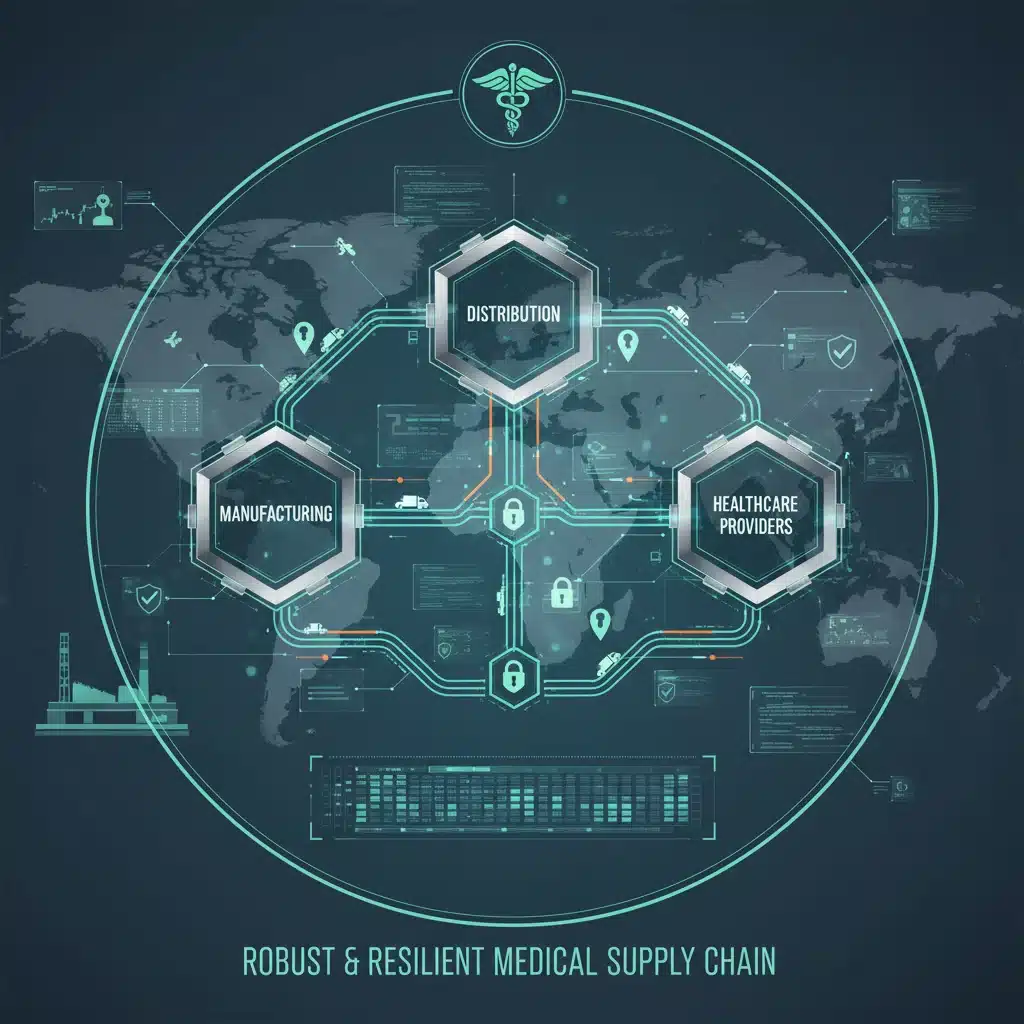
Another crucial element of the 2026 PHE Preparedness Act is the focus on supply chain resilience. Past emergencies exposed vulnerabilities in the global supply chain for essential medical supplies, leading to critical shortages. The Act is expected to introduce measures to diversify manufacturing, incentivize domestic production, and establish strategic reserves of critical MedTech devices and components. This will require MedTech companies to re-evaluate their sourcing strategies, invest in supply chain visibility tools, and potentially explore new manufacturing models, such as modular or agile production. The emphasis will be on creating redundant systems and fostering greater transparency throughout the entire product lifecycle, from raw materials to distribution. This will undoubtedly present both challenges and opportunities for MedTech manufacturers, urging them to build more robust and adaptable supply chain networks.
Direct Implications for MedTech Innovation and Development
The 2026 PHE Preparedness Act is set to be a significant catalyst for innovation within the MedTech sector. By prioritizing rapid response and technological advancement, the Act will likely steer research and development efforts towards specific areas deemed critical for public health security. This includes, but is not limited to, the development of next-generation diagnostics, advanced personal protective equipment (PPE), novel ventilation systems, and innovative telemedicine solutions.
One of the most profound direct implications will be the acceleration of regulatory pathways for essential MedTech products during a declared public health emergency. While maintaining safety and efficacy standards, the Act is expected to introduce mechanisms for expedited review, conditional approvals, and adaptive regulatory frameworks. This means MedTech companies with promising innovations will have a clearer and potentially faster route to market, provided their products address an urgent public health need. However, this expedited pathway will likely come with increased scrutiny on post-market surveillance and real-world evidence generation, requiring companies to have robust data collection and analysis capabilities.
Furthermore, dedicated funding streams and grants are anticipated to be established or expanded under the Act, specifically targeting MedTech innovations that align with preparedness goals. This could include funding for early-stage research, clinical trials, and manufacturing scale-up for critical devices. Companies that proactively engage with public health agencies and demonstrate the potential of their technologies to address identified gaps will be well-positioned to secure these resources. The Act may also encourage public-private partnerships, fostering collaboration between government entities, academic institutions, and MedTech companies to accelerate the development and deployment of innovative solutions. This collaborative environment will be crucial for addressing complex public health challenges effectively.
The Act’s emphasis on data and interoperability will also drive innovation in digital health. MedTech companies developing wearable sensors, remote patient monitoring systems, and AI-powered diagnostic algorithms will find a receptive market and regulatory environment. The ability to collect, analyze, and securely share health data in real-time will be paramount for effective public health surveillance and response. This will push the boundaries of data science within healthcare, requiring MedTech companies to invest heavily in data security, privacy-preserving technologies, and user-friendly interfaces that facilitate seamless integration into existing healthcare infrastructures. The evolution of PHE Preparedness MedTech will largely be intertwined with advancements in digital health and data analytics.
Navigating Regulatory Changes and Compliance Requirements
While the 2026 PHE Preparedness Act aims to streamline certain processes, it will also introduce new regulatory requirements and compliance standards for the MedTech industry. Companies must proactively understand and adapt to these changes to avoid disruptions and ensure continued market access. Key areas of focus will include enhanced manufacturing standards, cybersecurity protocols, and post-market surveillance obligations.
The Act is expected to place a greater emphasis on manufacturing quality and resilience. This could involve stricter requirements for good manufacturing practices (GMP), increased audits, and potentially mandates for domestic manufacturing capacity for certain critical devices. MedTech companies will need to review their manufacturing processes, supply chain partners, and quality management systems to ensure they meet these elevated standards. Investment in automation, advanced manufacturing technologies, and robust quality control will be essential for maintaining compliance and securing a competitive edge.
Cybersecurity will also be a paramount concern. As MedTech devices become increasingly connected and integrated into digital health networks, they become potential targets for cyberattacks. The Act is likely to mandate stringent cybersecurity standards for all MedTech products used in public health emergency responses, covering everything from device design to data transmission and storage. Companies will need to implement robust cybersecurity frameworks, conduct regular vulnerability assessments, and ensure their products are resilient against emerging cyber threats. Compliance with these evolving cybersecurity regulations will be non-negotiable for MedTech companies operating under the new Act.
Furthermore, post-market surveillance (PMS) and real-world evidence (RWE) generation will likely see significant enhancements. Even with expedited regulatory pathways during emergencies, the Act will probably require comprehensive data collection on device performance, safety, and effectiveness once deployed. MedTech companies will need to establish robust PMS systems, leverage digital tools for real-time data collection, and be prepared to provide RWE to demonstrate the ongoing benefit and safety of their products. This shift towards continuous monitoring and evidence generation will require a more proactive and data-driven approach to product lifecycle management.
In addition to these, the Act may introduce new requirements related to intellectual property (IP) sharing and licensing during public health emergencies. While protecting innovation, the legislation might include provisions to facilitate broader access to critical MedTech technologies when public health is at stake. MedTech companies will need to understand these potential provisions and strategically manage their IP portfolios to balance commercial interests with public health imperatives. This is a delicate balance, and proactive engagement with policymakers will be crucial in shaping fair and effective IP policies.
Building a Resilient MedTech Supply Chain for PHE Preparedness
The lessons learned from recent global health crises have underscored the critical importance of a resilient MedTech supply chain. The 2026 PHE Preparedness Act is expected to address this directly, aiming to prevent future shortages of essential medical devices and supplies. For MedTech companies, this means a fundamental re-evaluation of their supply chain strategies, moving beyond efficiency to prioritize resilience and redundancy.
Diversification of sourcing will be a key mandate. Relying on a single source or a limited number of suppliers, especially from geographically concentrated regions, has proven to be a significant vulnerability. MedTech companies will need to explore multiple suppliers for critical components and raw materials, potentially across different continents, to mitigate risks associated with regional disruptions. This diversification will require significant investment in supplier relationship management, quality control across diverse suppliers, and robust logistics networks.
Incentives for domestic manufacturing are also likely to be a significant component of the Act. Governments may offer tax breaks, grants, or preferential procurement policies to encourage MedTech companies to establish or expand manufacturing capabilities within national borders. This would reduce reliance on international supply chains for critical products, enhancing national security and ensuring rapid availability during emergencies. MedTech companies should assess the feasibility and benefits of onshoring or nearshoring production, considering factors such as labor costs, regulatory environments, and access to skilled workforces. This strategic shift could fundamentally alter global manufacturing footprints for many MedTech players.
Furthermore, the Act will likely mandate increased transparency and visibility across the entire MedTech supply chain. Companies will be expected to have real-time tracking capabilities for their products, from manufacturing to distribution, allowing for rapid identification of bottlenecks and potential shortages. This will necessitate the adoption of advanced supply chain management technologies, such as blockchain, AI-powered predictive analytics, and sophisticated inventory management systems. The ability to provide granular data on product origin, movement, and availability will become a critical compliance requirement and a competitive differentiator. The concept of PHE PreparedTech is intrinsically linked to the strength and transparency of its supply chains.
Establishing strategic reserves of critical MedTech devices and components will also be a focus. The Act may require MedTech companies, or incentivize them, to contribute to national stockpiles or maintain certain levels of buffer inventory for essential products. This would ensure immediate availability during the initial phase of an emergency, bridging the gap until increased production can meet demand. This will require careful planning and coordination between MedTech companies and government agencies to determine appropriate inventory levels and storage protocols.
Fostering Global Collaboration and Data Sharing
Public health emergencies transcend national borders, making global collaboration and data sharing indispensable. The 2026 PHE Preparedness Act is expected to emphasize international cooperation, encouraging MedTech companies to participate in global initiatives aimed at strengthening health security worldwide. This includes sharing data, best practices, and even intellectual property under certain circumstances to accelerate global response efforts.
The Act will likely promote the development of globally interoperable data standards for health information. This means MedTech products designed for surveillance, diagnostics, and patient monitoring should be capable of exchanging data seamlessly across different national healthcare systems. Companies that prioritize open standards and interoperability in their product development will be better positioned to contribute to and benefit from this global data ecosystem. The ability to aggregate and analyze data from diverse sources will be crucial for understanding the global epidemiology of emerging threats and coordinating international responses.
International partnerships for research and development will also be encouraged. The Act may facilitate cross-border collaborations between MedTech companies, academic institutions, and government agencies to accelerate the development of medical countermeasures for global threats. This could involve joint funding initiatives, shared research platforms, and coordinated clinical trials across multiple countries. For MedTech companies, participating in these global partnerships offers access to diverse expertise, broader patient populations for trials, and expanded market opportunities. The collaborative spirit embodied by the Act aims to leverage collective intelligence and resources to tackle shared global health challenges.
Furthermore, the Act may include provisions for international capacity building, particularly in low- and middle-income countries. This could involve MedTech companies contributing to training programs, donating essential equipment, or facilitating technology transfer to strengthen healthcare infrastructures in vulnerable regions. Such initiatives not only align with humanitarian goals but also contribute to global health security by preventing the unchecked spread of diseases in areas with limited resources. The global reach of PHE Preparedness MedTech will be a defining characteristic of this new era.

Preparing Your MedTech Company for the Future
The 2026 PHE Preparedness Act presents both challenges and unparalleled opportunities for the MedTech industry. Companies that proactively prepare and adapt to this new regulatory and operational landscape will be best positioned for success. Here are key strategies for MedTech companies to consider:
- Strategic Regulatory Foresight: Stay abreast of the evolving legislative details and anticipate potential regulatory shifts. Engage with industry associations and regulatory bodies to provide input and gain early insights. Develop a robust regulatory affairs strategy that can adapt quickly to new requirements, including expedited pathways and enhanced post-market surveillance.
- R&D Alignment with Public Health Needs: Realign research and development efforts to focus on areas prioritized by the Act, such as rapid diagnostics, advanced monitoring, and resilient therapeutics. Invest in agile R&D processes that can quickly pivot to address emerging threats. Explore modular design principles for devices that allow for rapid adaptation and customization.
- Supply Chain Transformation: Conduct a thorough audit of your current supply chain to identify vulnerabilities. Implement strategies for diversification, explore domestic manufacturing options, and invest in advanced supply chain visibility and management technologies. Build redundancy into your sourcing and logistics to ensure continuity during disruptions.
- Digital Health and Cybersecurity Investment: Prioritize investment in digital health solutions that facilitate data collection, analysis, and secure sharing. Ensure all connected devices and software adhere to the highest cybersecurity standards. Develop internal expertise in data privacy and compliance with evolving digital health regulations.
- Cultivating Public-Private Partnerships: Actively seek collaborations with government agencies, academic institutions, and other industry players. These partnerships can provide access to funding, expertise, and expedited pathways for critical innovations. Position your company as a reliable partner in public health preparedness.
- Workforce Development: Invest in training and upskilling your workforce to meet the demands of this new era. This includes expertise in regulatory compliance, supply chain management, data science, cybersecurity, and agile product development. A skilled and adaptable workforce will be crucial for navigating the complexities of the new Act.
- Ethical Considerations and Equity: As MedTech innovation accelerates, companies must also consider the ethical implications of their technologies and ensure equitable access to essential devices. The Act may emphasize health equity, requiring MedTech companies to design solutions that are accessible and affordable for diverse populations, both domestically and globally.
Conclusion: A New Era for PHE Preparedness MedTech
The 2026 Public Health Emergency Preparedness Act marks a pivotal moment for the MedTech industry. It is a legislative response to the lessons of the past, designed to forge a more resilient, responsive, and technologically advanced global health defense. For MedTech companies, this is an opportunity to not only innovate and grow but also to play an even more critical role in safeguarding public health.
The successful implementation of this Act will depend heavily on the proactive engagement and adaptability of the MedTech sector. By embracing the mandates for rapid innovation, regulatory agility, supply chain resilience, and global collaboration, companies can position themselves at the forefront of this new era. The future of PHE Preparedness MedTech is one defined by speed, intelligence, and an unwavering commitment to protecting communities worldwide. The time for preparation is now, as the foundations laid by this Act will shape the industry for decades to come, ensuring that the world is better equipped to face whatever public health challenges lie ahead.
Ultimately, the 2026 PHE Preparedness Act is more than just a piece of legislation; it’s a call to action for the entire MedTech ecosystem. It encourages a shift from reactive measures to proactive strategies, fostering an environment where innovation thrives in the service of global health security. Companies that align their vision with the spirit and letter of this Act will not only achieve commercial success but also contribute meaningfully to a healthier, safer world.