Navigating 2026 CLIA Amendments: A MedTech Guide
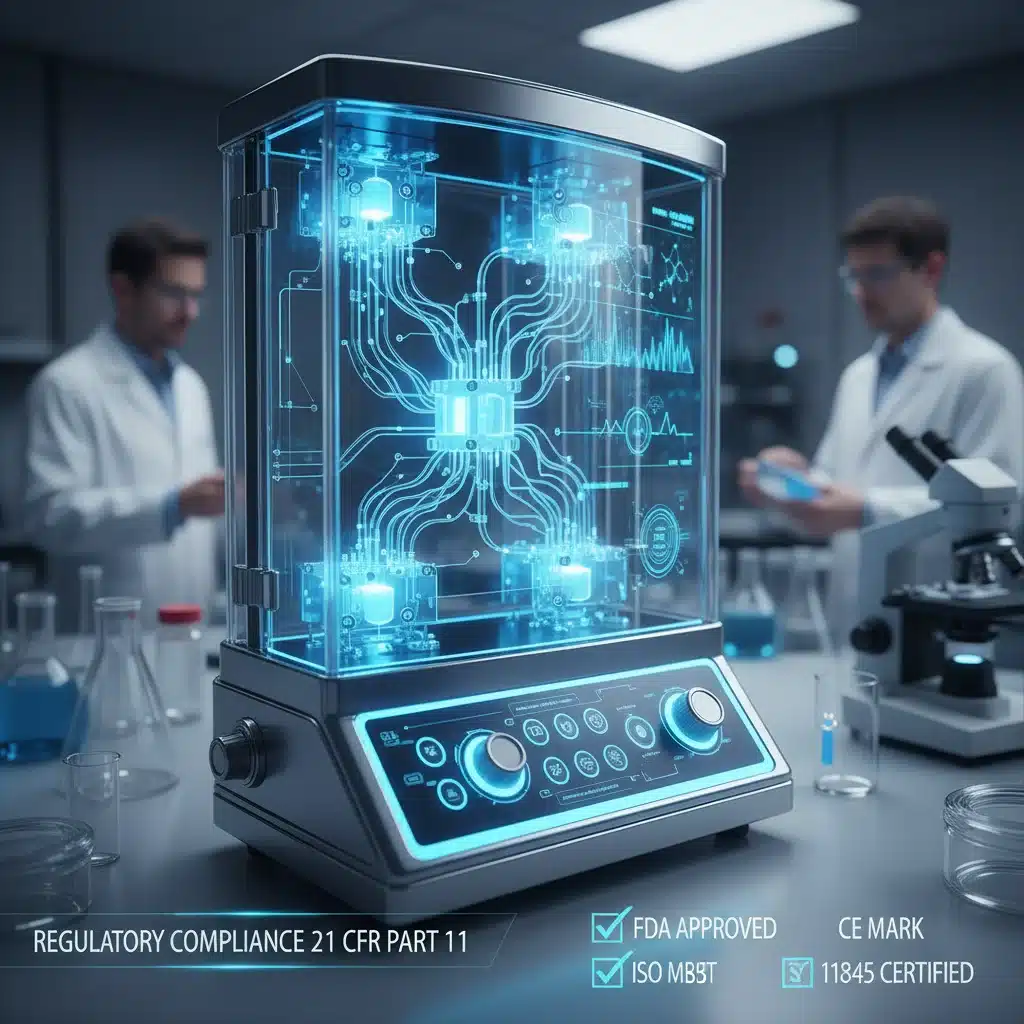
Understanding the 2026 Clinical Laboratory Improvement Amendments (CLIA) for Diagnostic MedTech
The landscape of diagnostic medical technology is perpetually evolving, driven by innovation, scientific breakthroughs, and the ever-present need for more accurate, faster, and accessible healthcare solutions. Central to ensuring the reliability and quality of laboratory testing in the United States are the Clinical Laboratory Improvement Amendments (CLIA). These federal regulations establish quality standards for all laboratory testing performed on human specimens to ensure the accuracy, reliability, and timeliness of patient test results. As we approach 2026, significant amendments to CLIA are poised to introduce new challenges and opportunities for the MedTech industry. Understanding these changes, particularly those impacting CLIA 2026 MedTech Compliance, is not merely advisable; it is imperative for manufacturers, developers, and clinical laboratories alike.
The 2026 CLIA Amendments represent a proactive effort by regulatory bodies to keep pace with the rapid advancements in diagnostic technologies, particularly in areas like genomics, point-of-care testing, and artificial intelligence (AI) driven diagnostics. These amendments aim to refine existing guidelines, introduce new categories for test complexity, and enhance oversight to maintain public trust in diagnostic services. For MedTech companies, this translates into a need for thorough re-evaluation of product development, validation processes, quality management systems, and regulatory strategies. Failing to adapt could lead to significant market access barriers, costly delays, and reputational damage. This comprehensive guide will delve into the intricacies of the 2026 CLIA Amendments, explore their implications for the MedTech sector, and outline strategic approaches to ensure robust compliance.
The Evolution of CLIA: Why 2026 Matters
CLIA was enacted in 1988 in response to concerns about the quality of laboratory testing. Since then, the regulations have undergone several updates to address emerging technologies and practices. The 2026 amendments are particularly significant because they are expected to tackle some of the most complex areas of modern diagnostics. These include the classification of novel tests, the integration of digital health technologies, and the increasing sophistication of laboratory-developed tests (LDTs).
One of the primary drivers for these amendments is the exponential growth in personalized medicine and companion diagnostics. These tests often involve highly complex methodologies, such as next-generation sequencing (NGS) for cancer diagnostics or pharmacogenomics, which require specialized expertise and rigorous quality control. The existing CLIA framework, while robust, was not originally designed to fully encompass the nuances and inherent complexities of these cutting-edge technologies. Therefore, the 2026 amendments seek to provide clearer guidance and stricter oversight, ensuring that these advanced diagnostic tools deliver consistently accurate and reliable results.
Furthermore, the amendments are likely to address the proliferation of point-of-care (POC) testing devices and direct-to-consumer (DTC) genetic tests. While these innovations offer immense potential for improving patient access and convenience, they also raise concerns about proper test administration, interpretation, and quality assurance outside traditional laboratory settings. The regulatory bodies are keen to strike a balance between fostering innovation and safeguarding patient safety, making CLIA 2026 MedTech Compliance a critical topic for manufacturers of these devices.
Key Areas of Impact for MedTech Companies
The forthcoming CLIA 2026 Amendments are anticipated to touch upon several critical aspects of diagnostic MedTech operations. Companies must proactively assess how these changes will affect their product lifecycle, from research and development to post-market surveillance.
1. Test Complexity Classification
CLIA categorizes tests into three levels of complexity: waived, moderate, and high. The level of complexity dictates the personnel qualifications, quality control, and proficiency testing requirements for the laboratory performing the test. The 2026 amendments are expected to refine these classifications, particularly for new and advanced diagnostic technologies. For MedTech manufacturers, this means:
- Re-evaluation of existing products: Devices currently classified as waived or moderate complexity might be reclassified if their underlying technology or interpretation becomes more intricate. This could necessitate changes in instructions for use, training materials, and even product design to maintain their current classification or prepare for a higher one.
- Impact on new product development: Future diagnostic products will need to be developed with a keen eye on their potential CLIA complexity classification. Early engagement with regulatory experts during the R&D phase will be crucial to design tests that align with desired complexity levels, thereby influencing market access strategies.
- Documentation and validation: More stringent requirements for demonstrating the analytical and clinical validity of tests, especially for those deemed high complexity, are expected. This will demand more robust validation studies and comprehensive documentation packages.
2. Laboratory Developed Tests (LDTs)
LDTs have long been a subject of regulatory debate. These are diagnostic tests that are developed, validated, and performed within a single laboratory. Historically, LDTs have been subject to less stringent federal oversight compared to commercially marketed kits. The 2026 amendments are highly likely to bring LDTs under a more standardized and rigorous regulatory framework, potentially requiring:
- Increased validation requirements: Laboratories developing LDTs may face more prescriptive requirements for analytical and clinical validation studies, similar to those for FDA-approved kits.
- Quality system integration: LDTs will need to be developed and performed within a robust quality management system that aligns with CLIA standards, including personnel qualifications, quality control, and proficiency testing.
- Transparency and reporting: Greater transparency regarding the performance characteristics and limitations of LDTs may be mandated, potentially involving public databases or clearer reporting mechanisms.
For MedTech companies that supply components or platforms for LDTs, this shift means ensuring their products support laboratories in meeting these heightened regulatory expectations. Collaboration with laboratory partners will become even more critical to navigate the evolving LDT landscape and ensure CLIA 2026 MedTech Compliance.
3. Digital Health and AI in Diagnostics
The integration of artificial intelligence and machine learning into diagnostic algorithms and digital health platforms presents a unique challenge for CLIA. These technologies can analyze vast amounts of data, identify complex patterns, and assist in diagnosis, but their ‘black box’ nature can make traditional validation and quality control difficult. The 2026 amendments are expected to introduce guidelines for:
- Algorithm validation: Requirements for validating AI/ML algorithms used in diagnostic interpretation, including bias detection, robustness, and generalizability across diverse patient populations.
- Data management and security: Enhanced standards for data integrity, privacy, and cybersecurity, given the sensitive nature of patient health information processed by these digital tools.
- Continuous monitoring: Guidelines for the post-market surveillance and continuous monitoring of AI/ML algorithms to ensure their performance remains consistent over time and to address any drift or unexpected behavior.
MedTech innovators in this space will need to invest heavily in transparent development practices, explainable AI, and robust validation frameworks to meet the anticipated CLIA requirements. This will be a significant aspect of achieving CLIA 2026 MedTech Compliance for next-generation diagnostic solutions.

Strategies for Achieving CLIA 2026 MedTech Compliance
Proactive engagement and strategic planning are essential for MedTech companies to successfully navigate the 2026 CLIA Amendments. Waiting until the last minute will undoubtedly lead to significant operational disruptions and potential non-compliance issues.
1. Establish a Dedicated Compliance Task Force
Forming an internal task force comprising regulatory affairs, R&D, quality assurance, and legal personnel is a crucial first step. This team should be responsible for:
- Monitoring regulatory developments: Continuously tracking official publications, guidance documents, and stakeholder meetings related to the 2026 CLIA Amendments.
- Gap analysis: Conducting a thorough assessment of current products, processes, and quality systems against anticipated new CLIA requirements.
- Developing an action plan: Creating a detailed roadmap for addressing identified gaps, including timelines, resource allocation, and responsible parties.
2. Invest in Robust Quality Management Systems (QMS)
A strong QMS is the bedrock of CLIA compliance. MedTech companies should review and potentially upgrade their QMS to ensure it can accommodate the anticipated changes. This includes:
- Enhanced documentation control: Ensuring all processes, procedures, and validation data are meticulously documented and readily accessible for audits.
- Personnel training and competency: Implementing comprehensive training programs for personnel involved in test development, manufacturing, and support, focusing on the new CLIA requirements.
- Supplier qualification: Strengthening supplier qualification processes to ensure that all components and services used in diagnostic device manufacturing meet the highest quality standards, directly impacting the overall reliability of the test.
3. Proactive Engagement with Regulatory Bodies and Stakeholders
Don’t operate in a vacuum. Engaging with regulatory bodies like CMS (Centers for Medicare & Medicaid Services) and FDA, as well as industry associations, can provide invaluable insights and opportunities to influence the regulatory landscape:
- Participate in public comment periods: Submit thoughtful feedback on proposed rules to help shape the final regulations in a way that is both effective and practical for the industry.
- Attend industry conferences and workshops: Stay informed about the latest interpretations and best practices for CLIA 2026 MedTech Compliance.
- Collaborate with clinical laboratories: Work closely with your laboratory customers to understand their challenges and help them prepare for the amendments, fostering stronger partnerships.
4. Re-evaluate Product Development and Validation Strategies
The 2026 amendments will likely necessitate a re-think of how diagnostic products are developed and validated:
- Design for compliance: Integrate CLIA compliance considerations early in the design and development phases of new products. This includes designing for specific complexity levels and ensuring ease of validation.
- Strengthen clinical validation: Prepare for potentially more rigorous requirements for clinical validation studies, which demonstrate that a test accurately measures what it’s intended to measure in a clinical setting.
- Post-market surveillance: Establish robust post-market surveillance systems to continuously monitor product performance and ensure ongoing compliance with CLIA requirements.
5. Leverage Technology for Compliance Management
Modern regulatory compliance can be significantly streamlined through the judicious use of technology:
- Electronic Quality Management Systems (eQMS): Implement or upgrade eQMS solutions to manage documentation, training records, audit trails, and non-conformances efficiently.
- Data analytics tools: Utilize data analytics to monitor quality control data, proficiency testing results, and other performance metrics, identifying potential issues before they escalate.
- AI-powered compliance tools: Explore AI solutions that can help in interpreting regulatory text, identifying compliance gaps, or even automating parts of the documentation process.
Anticipated Challenges and Opportunities
While the 2026 CLIA Amendments will undoubtedly present challenges, they also open doors for innovation and market differentiation for companies that adapt effectively.
Challenges:
- Increased operational costs: Implementing new validation studies, updating QMS, and enhanced personnel training will incur additional costs.
- Market access delays: Products that fail to meet the new compliance standards may face delays in market entry or even withdrawal.
- Talent acquisition: A potential shortage of regulatory affairs and quality assurance professionals with expertise in the new CLIA framework could be a hurdle.
- Complexity for small and medium enterprises (SMEs): Smaller MedTech companies might find it particularly challenging to allocate the necessary resources for comprehensive compliance efforts.
Opportunities:
- Enhanced market credibility: Companies that demonstrate early and robust compliance will gain a competitive advantage, building greater trust with clinical laboratories and healthcare providers.
- Innovation in compliance solutions: The need for compliance will drive innovation in software and services designed to help MedTech companies and laboratories meet CLIA requirements.
- Improved patient outcomes: Ultimately, stricter CLIA standards will lead to higher quality diagnostic testing, contributing to better patient care and public health.
- Standardization and clarity: While initially challenging, clearer guidelines for LDTs and novel technologies can ultimately reduce ambiguity and streamline future development cycles.
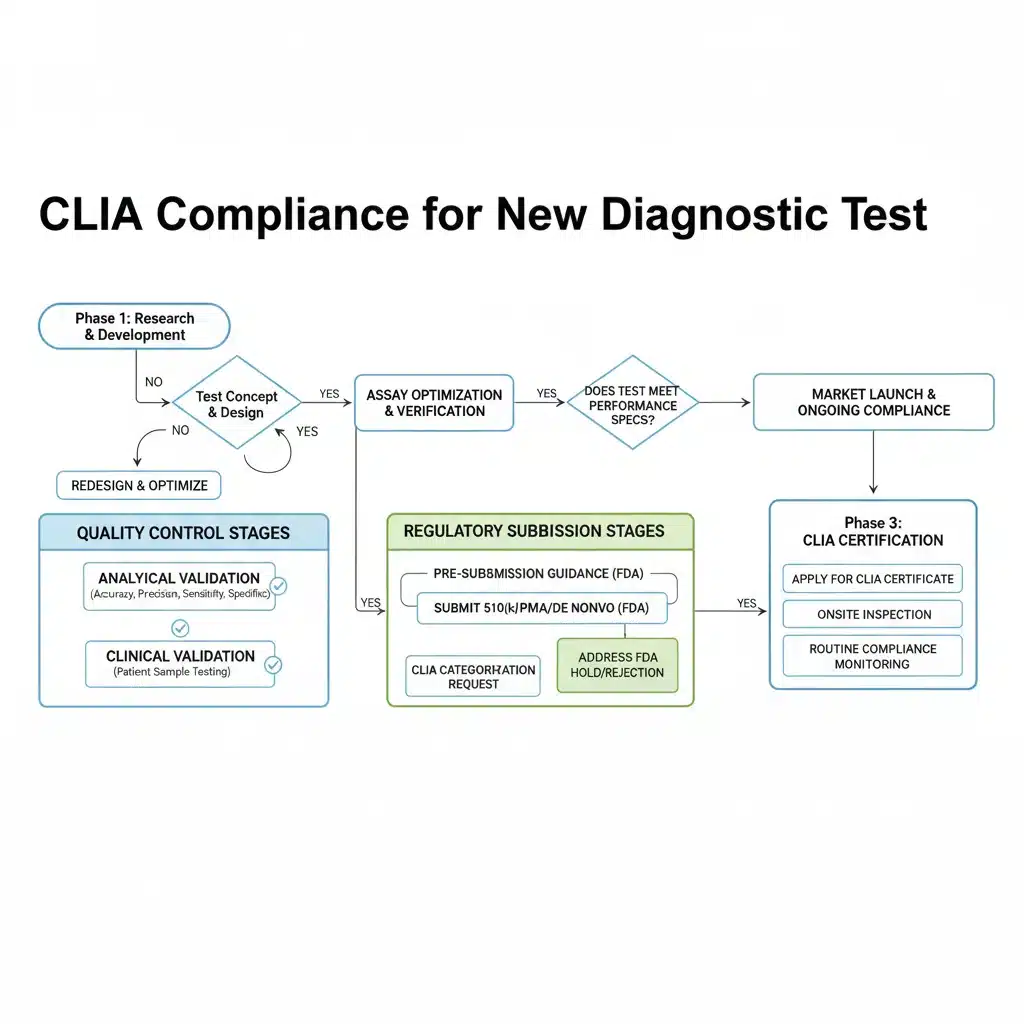
The Role of Clinical Laboratories in MedTech Compliance
It’s crucial to remember that CLIA 2026 MedTech Compliance is a two-way street. MedTech manufacturers develop the tools, but clinical laboratories use them and are directly responsible for adhering to CLIA regulations. Therefore, successful compliance for manufacturers also hinges on supporting their laboratory customers.
- Providing comprehensive training: Manufacturers should offer thorough training on their devices, including proper operation, quality control procedures, and troubleshooting, all aligned with CLIA requirements.
- Clear instructions for use (IFU): IFUs must be unambiguous, complete, and easy to understand, guiding laboratories through every step of the testing process in a CLIA-compliant manner.
- Technical support and troubleshooting: Readily available and knowledgeable technical support can help laboratories resolve issues quickly, preventing non-compliance events.
- Proficiency testing support: Manufacturers can assist laboratories by providing information or resources related to proficiency testing programs relevant to their diagnostic devices.
- Validation data sharing: Sharing appropriate validation data with laboratories can help them meet their own CLIA validation requirements, especially for LDTs that incorporate commercial components.
By fostering strong partnerships and providing robust support, MedTech companies can ensure that their products are not only compliant themselves but also facilitate compliance for the laboratories that utilize them, thereby strengthening the entire diagnostic ecosystem.
Future Outlook and Continuous Preparedness
The regulatory environment for diagnostic MedTech is dynamic. The 2026 CLIA Amendments will not be the last. Companies must adopt a culture of continuous preparedness and vigilance to stay ahead of future changes. This involves:
- Ongoing regulatory intelligence: Maintaining a dedicated function for monitoring global regulatory trends, not just CLIA, to anticipate future requirements.
- Flexible quality systems: Designing QMS that are adaptable and scalable to incorporate new regulations without requiring complete overhauls.
- Investment in R&D: Continuing to invest in research and development that not only pushes scientific boundaries but also considers regulatory implications from the outset.
- Cross-functional collaboration: Ensuring that regulatory compliance is not siloed but is an integral part of every department’s responsibilities, from design to sales.
The ultimate goal of CLIA is to ensure high-quality laboratory testing for all patients, which directly aligns with the mission of most MedTech companies. By embracing the 2026 amendments as an opportunity to enhance quality, refine processes, and strengthen partnerships, the diagnostic MedTech industry can continue to drive innovation while upholding the highest standards of patient care. Navigating CLIA 2026 MedTech Compliance effectively will distinguish industry leaders and ensure a resilient and trustworthy diagnostic future.
Conclusion
The 2026 Clinical Laboratory Improvement Amendments represent a significant milestone in the ongoing effort to ensure the accuracy and reliability of diagnostic testing in the United States. For the MedTech industry, these amendments underscore the critical importance of robust regulatory affairs, comprehensive quality management, and proactive strategic planning. From refining test complexity classifications and tightening oversight on LDTs to addressing the unique challenges of digital health and AI in diagnostics, the changes will demand a thorough re-evaluation of current practices.
Companies that prioritize early engagement, invest in strong compliance infrastructure, and foster collaborative relationships with regulatory bodies and clinical laboratories will be best positioned to thrive. While the path to CLIA 2026 MedTech Compliance may present its share of challenges, it also offers unparalleled opportunities to enhance market credibility, drive innovation in compliance solutions, and ultimately contribute to improved patient outcomes. By embracing these changes as catalysts for improvement, the MedTech sector can continue its vital role in advancing healthcare diagnostics and ensuring a future where reliable testing underpins effective medical care.