2026 Health IT Policy Shifts: EHR Integration for MedTech Explained

The healthcare landscape is in a perpetual state of evolution, driven by technological advancements, patient demands, and, crucially, policy shifts. As we look towards 2026, a new wave of National Health IT Policy Shifts is on the horizon, promising to fundamentally alter how Electronic Health Records (EHR) integrate with medical technology (MedTech). For MedTech companies, understanding and proactively adapting to these changes is not just an advantage; it’s a necessity for continued innovation and market relevance. This comprehensive guide will delve into the anticipated health IT policy 2026 changes, their profound implications for EHR integration, and strategic pathways for MedTech companies to thrive in this evolving environment.
Understanding the Impending 2026 National Health IT Policy Shifts
The year 2026 marks a critical juncture for healthcare information technology. Building upon foundations laid by previous legislation, such as the HITECH Act and the 21st Century Cures Act, the forthcoming policies are expected to intensify the focus on interoperability, data sharing, and patient-centric care. While the specifics are still being refined, several overarching themes are emerging as central pillars of the health IT policy 2026 agenda.
Enhanced Interoperability Standards
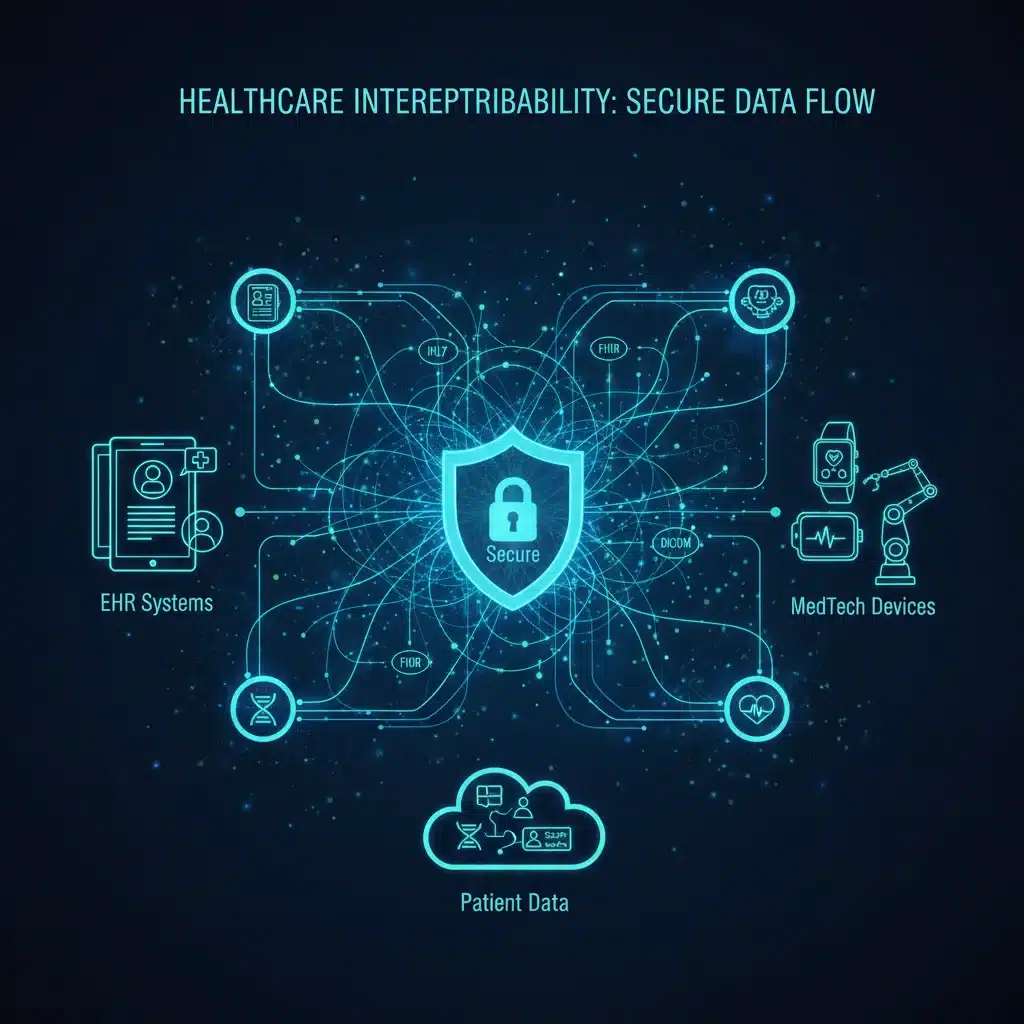
At the forefront of the 2026 policy shifts is an unequivocal commitment to enhanced interoperability. The goal is to move beyond mere data exchange to true semantic interoperability, where data can be seamlessly understood and utilized across disparate systems and organizations without extensive manual intervention. This means stricter mandates for standardized APIs (Application Programming Interfaces), greater adoption of FHIR (Fast Healthcare Interoperability Resources) standards, and potentially new requirements for data normalization and terminology mapping. For MedTech, this translates into a heightened need for devices and software to speak a common language with EHRs, ensuring that the rich data generated by medical devices can be directly and meaningfully incorporated into a patient’s digital health record.
Patient Data Access and Control
Patient empowerment remains a significant driver of health IT policy. The 2026 shifts are likely to strengthen patients’ rights to access their health information in an easily understandable and usable format. This includes data generated by MedTech devices. Policies will likely push for more intuitive patient portals, direct data feeds from devices to personal health apps, and greater transparency regarding how patient data is collected, used, and shared. MedTech companies must consider how their devices can contribute to this patient-centric data flow, potentially offering direct-to-patient data insights and ensuring compliance with evolving privacy regulations like HIPAA and potentially new federal or state-level mandates.
Data Security and Privacy Reinforcement
As more health data becomes digitized and interconnected, the imperative for robust data security and privacy measures grows exponentially. The health IT policy 2026 will undoubtedly introduce more stringent requirements for data encryption, access controls, breach notification protocols, and overall cybersecurity frameworks. MedTech devices, often collecting highly sensitive patient information, will be under increased scrutiny. Companies must demonstrate not only technical security prowess but also a comprehensive understanding of regulatory compliance, integrating security by design into every stage of product development and deployment.
Value-Based Care and Outcome Measurement
The shift towards value-based care models will continue to influence health IT policy. Policies in 2026 are expected to emphasize the collection and analysis of outcomes data to demonstrate the effectiveness and efficiency of healthcare interventions. MedTech devices that can reliably capture and integrate relevant outcome measures into EHRs will be highly valued. This includes not just clinical efficacy but also patient-reported outcomes (PROs) and cost-effectiveness. MedTech companies should design their products and integration strategies to support these reporting requirements, showcasing how their innovations contribute to improved patient outcomes and reduced healthcare costs.
The Impact on EHR Integration for MedTech Companies
The convergence of these policy shifts will create a dynamic and challenging, yet opportunity-rich, environment for MedTech companies regarding EHR integration. The days of siloed medical devices operating independently of a patient’s central health record are rapidly drawing to a close.
Increased Demand for Seamless Integration
The most immediate and significant impact will be an escalated demand for seamless, out-of-the-box EHR integration. Healthcare providers will increasingly favor MedTech solutions that can effortlessly connect with their existing EHR systems, minimizing implementation headaches and maximizing data utility. This means MedTech companies must invest heavily in developing robust integration capabilities, utilizing standardized protocols, and offering flexible integration pathways.
Standardization as a Competitive Differentiator
Adherence to and proactive adoption of new interoperability standards will no longer be a mere compliance exercise but a critical competitive differentiator. Companies that can demonstrate early and effective implementation of FHIR-based APIs, for instance, will gain a significant market advantage. This proactive stance showcases a commitment to future-proofing and ease of use for healthcare providers.
Complex Data Governance and Compliance
Navigating the intricate web of data governance, privacy, and security regulations will become even more complex. MedTech companies will need dedicated resources and expertise to ensure continuous compliance with evolving rules. This includes understanding data ownership, consent mechanisms, and cross-border data transfer regulations if applicable. Non-compliance could lead to severe penalties, reputational damage, and market exclusion.
Opportunities for Innovation in Data Utilization
While challenging, the enhanced interoperability fostered by health IT policy 2026 also presents immense opportunities. With more comprehensive and accessible data, MedTech companies can innovate in new ways. This includes developing AI-powered analytics tools that leverage integrated EHR and device data for predictive diagnostics, personalized treatment plans, and real-time clinical decision support. The ability to correlate device-generated data with broader patient histories in the EHR can unlock unprecedented insights into disease progression and treatment efficacy.
Impact on Product Development Lifecycle
The product development lifecycle for MedTech devices will need to incorporate integration and compliance considerations from the very outset. ‘Design for interoperability’ and ‘security by design’ will become fundamental principles. This will require closer collaboration between R&D, regulatory affairs, and IT teams within MedTech organizations.
Strategic Pathways for MedTech Companies to Navigate the 2026 Shifts
Proactive planning and strategic adaptation are paramount for MedTech companies aiming to thrive amidst the 2026 National Health IT Policy Shifts. Here are key strategies:
1. Embrace Interoperability Standards Fully
MedTech companies must prioritize the adoption of industry-standard interoperability frameworks, particularly FHIR. This involves:
- Investing in FHIR Expertise: Develop or acquire in-house expertise in FHIR implementation and API development.
- Designing FHIR-Native Solutions: Build new devices and software with FHIR capabilities from the ground up, rather than retrofitting older systems.
- Participating in Standard Development: Engage with industry consortia and standards bodies to influence and stay ahead of evolving interoperability requirements.
- Utilizing Interoperability Platforms: Leverage existing interoperability platforms and integration engines that facilitate seamless data exchange between devices and EHRs.
2. Prioritize Data Security and Privacy
A robust cybersecurity posture is non-negotiable. MedTech companies should:
- Implement Security by Design: Integrate security measures into every phase of product development, from conception to deployment and maintenance.
- Conduct Regular Security Audits and Penetration Testing: Proactively identify and address vulnerabilities in devices, software, and integration pathways.
- Ensure Regulatory Compliance: Stay abreast of all relevant data privacy regulations (e.g., HIPAA, GDPR, state-specific laws) and implement comprehensive compliance programs.
- Educate Staff: Provide ongoing training for all employees on data security best practices and regulatory requirements.
- Incident Response Planning: Develop and regularly test robust incident response plans to effectively manage and mitigate potential data breaches.
3. Focus on Value-Based Care Alignment
Demonstrating how MedTech solutions contribute to better patient outcomes and cost savings will be crucial. This involves:
- Outcome-Oriented Design: Develop devices and software that can reliably capture and report relevant clinical and patient-reported outcomes.
- Integration with Population Health Management Tools: Ensure that device data can feed into broader population health initiatives, enabling providers to identify trends and manage patient cohorts more effectively.
- Economic Value Proposition: Clearly articulate the economic benefits of your MedTech solutions, not just in terms of clinical efficacy but also in reducing readmissions, improving efficiency, and enhancing patient satisfaction.
4. Foster Strategic Partnerships
Collaboration will be key in navigating the complex integration landscape. MedTech companies should consider:
- Partnering with EHR Vendors: Establish direct partnerships with leading EHR providers to ensure deep and optimized integration of your devices.
- Collaborating with Healthcare Systems: Work closely with hospitals and health networks to understand their specific integration needs and challenges, co-developing solutions that meet real-world demands.
- Engaging with Digital Health Innovators: Explore partnerships with companies specializing in AI, data analytics, and cloud platforms to enhance the capabilities of your MedTech offerings.
5. Prioritize User Experience (UX) and Workflow Integration
Beyond technical integration, the usability of MedTech solutions within clinical workflows is paramount. Devices and their integrated data must be intuitive and seamlessly fit into clinicians’ daily routines. This means:
- User-Centered Design: Involve healthcare professionals in the design and development process to ensure that interfaces and data displays are clinically relevant and easy to use.
- Minimizing Alert Fatigue: Design integration to provide actionable insights without overwhelming clinicians with excessive alerts or irrelevant data.
- Contextual Data Presentation: Ensure that device data is presented within the EHR in a contextually relevant manner, aiding clinical decision-making.

Challenges and Mitigation Strategies
While the opportunities are significant, MedTech companies will face several challenges in adapting to the 2026 health IT policy 2026 shifts.
Challenge 1: Legacy Systems and Technical Debt
Many existing MedTech devices and software operate on older architectures that may not be easily adaptable to new interoperability standards. Retrofitting these systems can be costly and time-consuming.
Mitigation: Develop a phased modernization strategy. Prioritize critical products for immediate upgrades, explore middleware solutions for older devices, and plan for gradual retirement of non-compliant legacy systems. Invest in modular architectures for new products to ensure future adaptability.
Challenge 2: Resource Constraints
Implementing new integration capabilities and ensuring compliance requires significant investment in skilled personnel, technology, and time, which can strain smaller MedTech companies.
Mitigation: Seek out strategic partnerships with integration specialists or larger technology providers. Utilize cloud-based integration platforms that reduce the need for extensive in-house infrastructure. Focus on core competencies and outsource non-core IT functions where appropriate.
Challenge 3: Evolving Regulatory Landscape
The specifics of the 2026 policies may continue to evolve, creating uncertainty and requiring continuous monitoring and adaptation.
Mitigation: Establish a dedicated regulatory intelligence function to track policy developments. Engage in industry forums and advocacy groups to stay informed and potentially influence policy direction. Build agile development processes that can quickly incorporate new regulatory requirements.
Challenge 4: Data Overload and Clinical Burnout
While more data is generally good, poorly integrated or presented data can contribute to information overload and clinician burnout.
Mitigation: Focus on ‘smart integration’ – delivering only relevant, actionable data to clinicians. Employ AI and machine learning to filter, summarize, and prioritize information. Design intuitive dashboards and visualization tools within the EHR to make complex data understandable at a glance.
The Future of MedTech and EHR Integration
The 2026 National Health IT Policy Shifts represent more than just regulatory hurdles; they are catalysts for a more integrated, efficient, and patient-centric healthcare future. For MedTech companies, this means a paradigm shift from simply creating innovative devices to becoming integral components of a holistic digital health ecosystem. Success will hinge on a proactive embrace of interoperability, an unwavering commitment to data security and privacy, and a deep understanding of how technology can genuinely enhance value-based care delivery.
The move towards a truly interconnected healthcare system will unlock unprecedented opportunities for personalized medicine, remote patient monitoring, and proactive disease management. MedTech companies that strategically align their product development, integration strategies, and business models with the spirit and letter of the health IT policy 2026 will not only ensure their longevity but will also be at the forefront of shaping the next generation of healthcare delivery.
The journey to 2026 requires foresight, flexibility, and a willingness to collaborate across the healthcare spectrum. By preparing now, MedTech innovators can transform potential challenges into powerful opportunities, cementing their role as indispensable partners in advancing global health.
Conclusion
The 2026 National Health IT Policy Shifts are set to redefine the landscape of EHR integration for MedTech companies. These policies, driven by a desire for enhanced interoperability, patient data access, robust security, and value-based care, demand a strategic response from MedTech innovators. Companies that prioritize seamless integration, adhere to evolving standards, and embed security and privacy into their core offerings will not only comply with new regulations but will also gain a significant competitive edge. By proactively addressing challenges and leveraging opportunities for innovation, MedTech can continue to play a pivotal role in shaping a more connected, efficient, and patient-centered healthcare future. The time to prepare for these transformative changes is now, ensuring that MedTech solutions remain at the cutting edge of healthcare advancement and contribute meaningfully to improved patient outcomes worldwide.