2026 Federal Grants for Rare Disease Patients: Eligibility & Application Guide

New 2026 Federal Grants for Rare Disease Patient Programs: A Comprehensive Guide to Eligibility and Application
Living with a rare disease presents unique challenges, not just medically but also financially. The burden of specialized treatments, ongoing care, and limited access to resources can be overwhelming for patients and their families. Recognizing these critical needs, the federal government consistently introduces and updates funding opportunities. For 2026, several new and enhanced rare disease grants are being rolled out, promising vital support for patient programs, research, and improved access to care. This comprehensive guide aims to demystify these federal grants, providing a clear roadmap for understanding eligibility, navigating the application process, and ultimately securing the funding necessary to make a tangible difference in the lives of rare disease patients.
The landscape of rare diseases is vast and complex, encompassing over 7,000 different conditions, many of which lack effective treatments or even accurate diagnoses. Patients often face a diagnostic odyssey, followed by a lifetime of managing chronic symptoms with therapies that are frequently expensive and not always covered by standard insurance. Federal grants play a pivotal role in bridging these gaps, offering a lifeline for individuals and organizations dedicated to rare disease advocacy, research, and direct patient support. Understanding where to look, what to prepare, and how to present a compelling case is crucial for anyone seeking to tap into these invaluable resources. This article will break down the intricacies of the 2026 federal grant opportunities, ensuring you are well-equipped to pursue these essential funds.
Understanding the Landscape of Federal Grants for Rare Diseases
Before diving into the specifics of 2026, it’s important to grasp the general framework of federal funding for rare diseases. The U.S. government, primarily through agencies like the National Institutes of Health (NIH), the Health Resources and Services Administration (HRSA), and the Centers for Disease Control and Prevention (CDC), allocates billions of dollars annually to health-related initiatives. A significant portion of this is directed towards orphan diseases, defined in the U.S. as conditions affecting fewer than 200,000 people nationwide. These rare disease grants are designed to stimulate research into disease mechanisms, develop new therapies, improve diagnostic tools, and enhance the quality of life for affected individuals.
Historically, federal funding has led to groundbreaking discoveries and the approval of numerous orphan drugs. The 2026 allocation is expected to build upon these successes, with a particular emphasis on patient-centric outcomes, health equity, and innovative technological solutions. It’s not just about scientific discovery; it’s also about ensuring that advancements reach the patients who need them most. Therefore, grant programs often include components for patient support services, educational initiatives, and community outreach. Staying informed about the specific objectives of each granting agency is paramount, as their priorities can subtly shift from year to year, influencing the types of projects most likely to receive funding.
Key Federal Agencies Offering Rare Disease Grants in 2026
Several federal agencies are instrumental in distributing rare disease grants. Knowing which agencies are most relevant to your specific needs is the first step in a successful application strategy. Here are the primary players and what to expect from them in 2026:
- National Institutes of Health (NIH): The largest biomedical research agency in the world, NIH is a cornerstone of rare disease funding. Its National Center for Advancing Translational Sciences (NCATS) houses the Office of Rare Diseases Research (ORDR), which coordinates and supports research on rare diseases. Expect NIH grants in 2026 to focus on basic and clinical research, therapeutic development, natural history studies, and the development of research infrastructure. Many NIH grants are highly competitive and require robust scientific proposals.
- Health Resources and Services Administration (HRSA): HRSA focuses on improving health equity and access to care for underserved populations, which often includes rare disease patients. Their programs might include grants for genetic services, newborn screening, and specialized care centers. In 2026, HRSA is likely to emphasize programs that integrate care, reduce disparities, and expand access to telehealth services for rare disease communities.
- Centers for Disease Control and Prevention (CDC): While primarily known for public health and disease prevention, the CDC also supports surveillance, epidemiological studies, and public health initiatives related to rare diseases. Grant opportunities from the CDC might focus on improving data collection, understanding disease prevalence, and developing public health strategies to support rare disease populations.
- Food and Drug Administration (FDA): The FDA offers grants related to orphan product development, encouraging the development of drugs, biologics, and medical devices for rare diseases. These grants are often highly specific and aimed at accelerating the regulatory review process for promising therapies.
Each agency will publish specific Funding Opportunity Announcements (FOAs) or Notices of Funding Opportunities (NOFOs) detailing the exact requirements, objectives, and application deadlines for their 2026 programs. Diligent monitoring of these announcements is essential for identifying relevant opportunities.
Eligibility Criteria for 2026 Rare Disease Federal Grants
Eligibility for federal grants can vary significantly depending on the specific program and agency. However, common themes and requirements generally apply to most rare disease grants. Understanding these criteria is critical to avoid wasting time on ineligible applications.
Who Can Apply?
- Non-profit Organizations: Many grants are specifically designed for 501(c)(3) non-profit organizations, including patient advocacy groups, research foundations, and healthcare providers.
- Academic Institutions: Universities and research institutions are frequent recipients of federal grants, particularly from the NIH, for scientific research projects.
- State and Local Governments: Public health departments or state agencies may be eligible for grants focused on public health initiatives, surveillance, or direct patient services.
- For-profit Organizations: While less common for direct patient support, some grants, especially from the FDA, target for-profit entities engaged in orphan drug development.
- Individuals: Direct grants to individuals are rare but can exist for specific fellowships or research training programs. Most patient support comes through organizations.
Common Requirements:
- Legal Entity Status: Applicants must be a recognized legal entity in good standing.
- Financial Stability: Agencies often require evidence of financial stability and the capacity to manage federal funds responsibly.
- Mission Alignment: The applicant’s mission and proposed project must align directly with the grant program’s objectives.
- Scientific Merit/Program Impact: For research grants, a strong scientific premise is essential. For service grants, a clear demonstration of community need and projected impact is required.
- Data Collection & Reporting: Grantees are typically required to collect data, report on progress, and demonstrate accountability for funds used.
- Compliance: Adherence to federal regulations, including those related to human subjects research, animal welfare, and financial management, is non-negotiable.
For 2026, expect an increased emphasis on programs that demonstrate clear patient benefit, promote health equity, and utilize innovative approaches to address diagnostic delays and treatment access issues for rare disease grants. Some grants may also prioritize collaborative efforts between multiple institutions or organizations.
Navigating the 2026 Federal Grant Application Process
The federal grant application process can be complex and intimidating, but a systematic approach can significantly improve your chances of success. Here’s a step-by-step guide tailored for the 2026 cycle:
Step 1: Identify Relevant Funding Opportunities
Start by regularly monitoring official government websites. Grants.gov is the central hub for all federal grant opportunities. You can search by keyword (e.g., “rare disease,” “orphan drug”), agency, or funding opportunity number. Set up email alerts for new postings that match your criteria. Also, check individual agency websites (NIH, HRSA, CDC, FDA) for specific program announcements and guidelines. Pay close attention to the program’s objectives, target audience, and application deadlines.
Step 2: Understand the Application Package
Once you’ve identified a promising grant, download and thoroughly read the entire Funding Opportunity Announcement (FOA) or Notice of Funding Opportunity (NOFO). This document is your bible; it contains all the instructions, forms, and requirements. Pay special attention to:
- Purpose and Objectives: Ensure your project aligns perfectly.
- Eligibility Information: Double-check that your organization meets all criteria.
- Application Components: List all required sections (e.g., project narrative, budget, biosketches, letters of support).
- Review Criteria: Understand how your application will be evaluated.
- Submission Instructions: Note the specific platform (Grants.gov, eRA Commons) and format requirements.
Step 3: Register Your Organization
If your organization hasn’t applied for federal grants before, you’ll need to complete several registration steps. This can take several weeks, so start early:
- DUNS Number: Obtain a Data Universal Numbering System (DUNS) number from Dun & Bradstreet.
- SAM Registration: Register with the System for Award Management (SAM.gov). This is mandatory for all federal awardees.
- Grants.gov Registration: Register your organization on Grants.gov.
- eRA Commons Registration (for NIH grants): If applying to NIH, register your organization and key personnel (Principal Investigator) in eRA Commons.
Ensure all registrations are active and up-to-date, as expired registrations can lead to application rejection.
Step 4: Develop Your Project Proposal
This is the core of your application. Your proposal should be clear, concise, compelling, and directly address the grant’s objectives. Key components typically include:
- Abstract/Summary: A brief overview of your project.
- Introduction/Significance: Clearly state the problem (e.g., unmet needs of rare disease patients) and why your project is important.
- Specific Aims/Goals: What do you intend to achieve? Make them measurable.
- Methods/Approach: Detail how you will achieve your aims. Be specific and provide a clear timeline.
- Personnel: Describe the qualifications of your team members.
- Evaluation Plan: How will you measure success and impact?
- Dissemination Plan: How will you share your findings or project outcomes?
- Budget Justification: Provide a detailed, line-item budget that is realistic and directly supports your project activities. Justify every expense.

For 2026, emphasize innovation, collaboration, and a clear path to patient benefit within your proposal. Highlight how your project addresses specific gaps in rare disease care or research.
Step 5: Assemble Supporting Documents
Gather all necessary attachments, which may include:
- Letters of Support/Commitment
- Resumes/Biosketches of Key Personnel
- Institutional Review Board (IRB) or Institutional Animal Care and Use Committee (IACUC) approvals (if applicable)
- Data Management and Sharing Plan (increasingly required by NIH)
- Facility and Resources Descriptions
Step 6: Review and Submit
Before submitting, meticulously review your entire application package. Check for:
- Completeness: Are all required sections and documents included?
- Accuracy: Is all information correct and consistent?
- Formatting: Does it adhere to all specified font, margin, and page limit requirements?
- Clarity and Cohesion: Is the narrative easy to understand and does it flow logically?
- Grammar and Spelling: Proofread carefully.
Submit well in advance of the deadline to account for any technical issues. A late submission is an automatic rejection.
Maximizing Your Chances for 2026 Rare Disease Grant Success
Securing federal grants is highly competitive. To stand out among numerous applicants, consider these strategies:
1. Start Early and Plan Thoroughly
Federal grant applications are not something you can complete overnight. Begin planning months in advance. Develop a detailed timeline for each stage of the application process, from identifying opportunities to final submission. This allows ample time for research, writing, internal reviews, and addressing any unforeseen challenges.
2. Understand the Reviewer’s Perspective
Federal agencies use peer review panels to evaluate applications. Think about what reviewers will be looking for. They want to see a clear problem statement, a well-designed project, a qualified team, a realistic budget, and a high likelihood of achieving significant impact. Address each review criterion explicitly in your proposal.
3. Network and Seek Mentorship
Connect with individuals or organizations that have successfully secured rare disease grants in the past. They can offer invaluable insights, advice, and even potential collaboration opportunities. For academic applicants, a strong mentor can guide you through the intricacies of NIH or other agency applications.
4. Collaborate Strategically
Many 2026 federal grants, particularly those focused on complex rare diseases, will favor collaborative projects. Partnerships between academic institutions, patient advocacy groups, pharmaceutical companies, and community organizations can strengthen your application by demonstrating a broader impact and a multidisciplinary approach to addressing the disease.
5. Emphasize Patient-Centricity and Health Equity
Federal agencies are increasingly prioritizing patient engagement and health equity. Clearly articulate how your project directly benefits rare disease patients, how you will involve them in the project design and implementation, and how you will ensure equitable access to your program’s benefits, especially for underserved or minority populations affected by rare diseases. This could involve language access, cultural competence, or outreach strategies.
6. Data-Driven Justification
Support your claims with robust data. Whether it’s epidemiological statistics on disease prevalence, unmet patient needs, or preliminary data from pilot studies, evidence strengthens your proposal and demonstrates feasibility and significance. For 2026, the emphasis on data-driven decision-making will be even more pronounced.
7. Be Realistic with Your Budget
Your budget should be detailed, justifiable, and directly tied to your project’s activities. Don’t inflate costs, but also don’t underestimate what you need. Ensure your budget aligns with the scope of work and the typical funding levels for similar grants. A well-justified budget demonstrates fiscal responsibility and thorough planning.
8. Proofread and Get Feedback
Errors in grammar, spelling, or formatting can detract from an otherwise strong proposal. Have multiple people review your application, including someone unfamiliar with your project, to catch errors and ensure clarity. External feedback can highlight areas that need further explanation or improvement.
Post-Submission and Grant Management
Submitting your application is a significant milestone, but the process doesn’t end there. After submission, you’ll typically receive confirmation and a tracking number. For NIH grants, you can often track the status of your application through eRA Commons. Reviewers will then evaluate your proposal based on the criteria outlined in the FOA.
If your application is successful, congratulations! However, the work isn’t over. Grant management is a critical phase that involves:
- Award Negotiation: You may need to negotiate the final award amount, terms, and conditions with the granting agency.
- Compliance: Adhering to all federal regulations, reporting requirements, and ethical guidelines is paramount. This includes financial reporting, progress reports, and potentially audits.
- Financial Management: Meticulously track all expenditures to ensure they align with the approved budget. Keep detailed records for audit purposes.
- Project Implementation: Execute your project plan efficiently and effectively, regularly monitoring progress against your stated aims.
- Reporting: Submit timely and accurate progress reports, detailing achievements, challenges, and financial expenditures.
- Dissemination: Share your project’s outcomes and findings with relevant stakeholders, including the rare disease community, researchers, and policymakers.
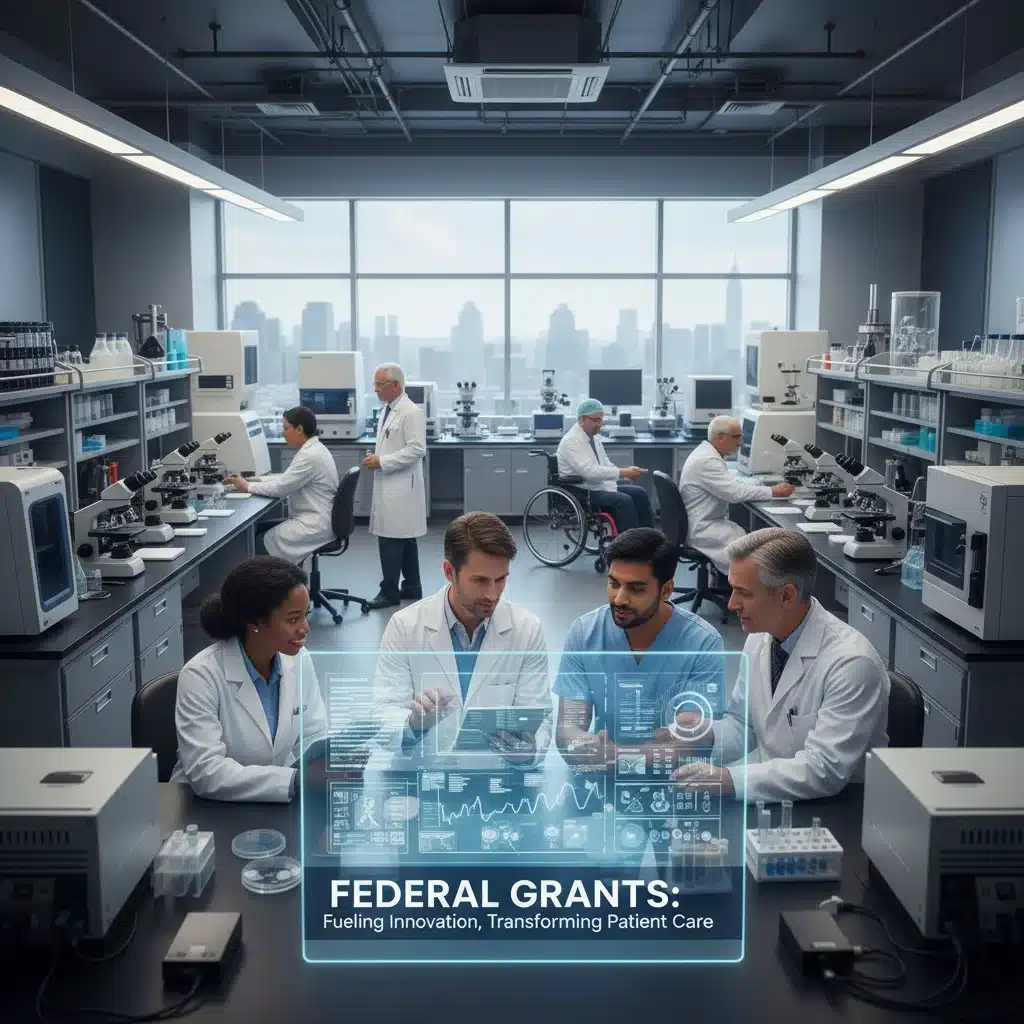
Effective grant management not only ensures the success of your current project but also builds a strong track record, which can be beneficial for future applications for rare disease grants.
Future Outlook for Rare Disease Funding and Advocacy
The landscape of rare disease funding is continually evolving. For 2026 and beyond, several trends are likely to shape federal grant opportunities:
- Increased Focus on Gene Therapies and Personalized Medicine: Advancements in genomics and biotechnology mean more grants will likely target research and development in these cutting-edge areas.
- Telehealth and Digital Health Solutions: The pandemic accelerated the adoption of telehealth. Future grants will likely support innovative digital health solutions to improve access to care for geographically dispersed rare disease patients.
- Data Sharing and Interoperability: Expect a continued emphasis on data sharing initiatives and the development of interoperable data systems to accelerate research and improve patient outcomes.
- Health Equity and Underserved Populations: Efforts to reduce health disparities and ensure equitable access to diagnostics and treatments for all rare disease patients will remain a high priority.
- Patient Engagement in Research: The voice of the patient is becoming increasingly central to research design and implementation. Grants will likely favor projects that meaningfully involve patients and caregivers.
Advocacy also plays a crucial role in shaping federal funding priorities. Patient advocacy groups and rare disease organizations are instrumental in lobbying Congress and federal agencies to ensure that the needs of the rare disease community are addressed in budget allocations and program development. Staying engaged with these advocacy efforts can provide early insights into upcoming funding trends and opportunities for rare disease grants.
Conclusion: Seizing 2026 Rare Disease Grant Opportunities
The 2026 federal grants for rare disease patient programs represent a critical opportunity to advance research, improve patient care, and provide much-needed support to individuals and families affected by these challenging conditions. While the application process demands diligence, strategic planning, and a deep understanding of federal requirements, the potential impact of securing these funds is immense. By meticulously following the guidelines, crafting compelling proposals, and demonstrating a clear commitment to the rare disease community, organizations and researchers can significantly increase their chances of success.
Remember, every successful grant application begins with thorough preparation and a clear vision. Leverage the resources available on government websites, seek expert advice, and collaborate with others in the rare disease space. The fight against rare diseases requires collective effort, and federal funding is a cornerstone of this endeavor. By proactively engaging with the 2026 rare disease grant opportunities, we can collectively work towards a future where every rare disease patient has access to the diagnostics, treatments, and support they deserve.
Stay informed, stay persistent, and make your application for rare disease grants count. The potential for positive change in the rare disease community has never been greater.