Navigating 2026 American Cancer Society Patient Programs: Transportation to Lodging
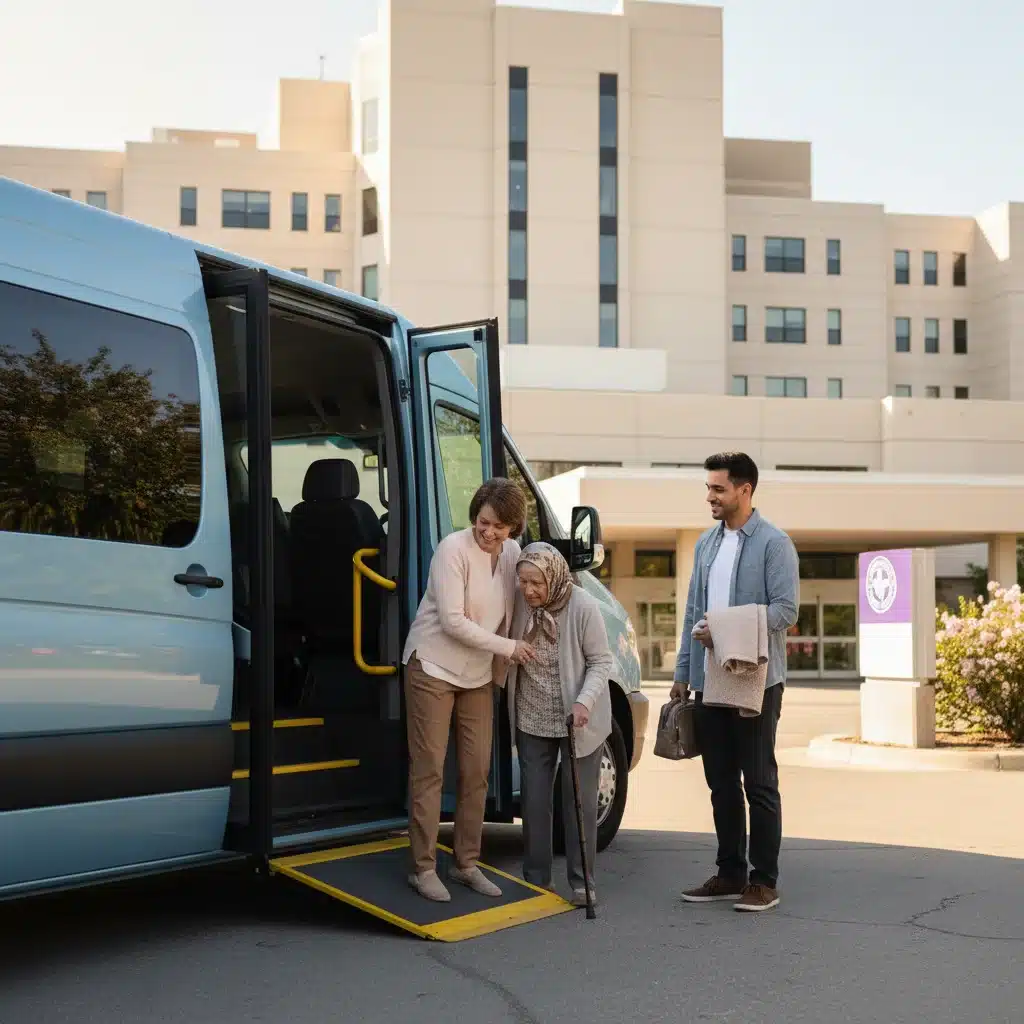
Navigating the 2026 American Cancer Society Patient Programs: From Transportation to Lodging Assistance
Facing a cancer diagnosis is undoubtedly one of life’s most challenging experiences. Beyond the emotional and physical toll, patients and their families often grapple with significant practical burdens, including the logistics of getting to treatment, finding suitable accommodation away from home, and managing unexpected financial strains. Recognizing these critical needs, the American Cancer Society (ACS) has continually evolved its patient programs to provide comprehensive support. As we look ahead to 2026, understanding the breadth and depth of these vital ACS Patient Programs becomes paramount for anyone touched by cancer.
The American Cancer Society stands as a beacon of hope, not just through its groundbreaking research, but also through its direct assistance to patients. Their programs are designed to alleviate some of the most pressing non-medical challenges, allowing patients to focus on what truly matters: their health and recovery. This article will delve into the various facets of the 2026 ACS Patient Programs, offering a detailed guide to transportation assistance, lodging options, financial aid, and other crucial support services. Our aim is to empower patients, caregivers, and healthcare professionals with the knowledge needed to access these invaluable resources effectively.
The Unseen Burdens: Why ACS Patient Programs Are Essential
The journey through cancer treatment is rarely confined to a single location or a short period. Many patients must travel long distances for specialized care, undergoing numerous appointments, chemotherapy sessions, radiation treatments, and surgeries. Each trip can incur costs for gas, tolls, parking, or public transportation. For those who live far from major treatment centers, or whose treatment requires them to stay near the facility for extended periods, the need for safe, affordable lodging becomes an overwhelming concern.
These logistical hurdles can significantly impact a patient’s ability to adhere to their treatment plan, potentially affecting outcomes. Furthermore, the financial strain from these non-medical expenses can exacerbate the already considerable burden of medical bills, leading to increased stress and anxiety. This is precisely where the ACS Patient Programs step in, bridging critical gaps and providing a lifeline to those in need. By addressing these practical barriers, the ACS helps ensure that patients can access the care they require without sacrificing their financial stability or emotional well-being.
In 2026, the ACS continues its commitment to adapting and expanding these programs to meet the evolving needs of the cancer community. They understand that every patient’s situation is unique, and their support services reflect this understanding, offering a range of options designed to be flexible and responsive.
Transportation Assistance: Getting to Treatment Safely
One of the most frequently cited barriers to cancer care is transportation. Missed appointments due to lack of transport can lead to delays in treatment, poorer health outcomes, and increased anxiety for patients and their families. The American Cancer Society’s transportation assistance program is a cornerstone of its ACS Patient Programs, aiming to remove this obstacle.
Road to Recovery Program
The ‘Road to Recovery’ program is a volunteer-based service that provides rides to and from treatment for cancer patients. Trained volunteers use their own vehicles to transport patients, offering a friendly face and a helping hand during a challenging time. This program is particularly beneficial for patients who:
- Do not have a vehicle or are unable to drive themselves.
- Do not have family or friends who can provide regular transportation.
- Live in areas with limited public transportation options.
- Are undergoing treatments that make driving unsafe or difficult.
In 2026, the ACS is focused on expanding its volunteer network and leveraging technology to make scheduling rides even more efficient and accessible. This includes exploring partnerships with ride-sharing services in certain urban areas to supplement volunteer availability, ensuring that more patients can benefit from this critical service. The emphasis remains on providing reliable, safe, and compassionate transportation.
Gas Cards and Public Transportation Vouchers
For patients who have access to a vehicle but struggle with fuel costs, or those who can utilize public transportation but face financial constraints, the ACS offers assistance through gas cards and public transportation vouchers. These resources help offset the financial burden of travel, ensuring that patients can reach their appointments without added stress. Eligibility for these programs typically depends on financial need and geographic location, and patients are encouraged to speak with an ACS representative or their healthcare team to understand the specific criteria for 2026.
Air and Train Travel Assistance
For patients requiring highly specialized treatment far from home, air or train travel may be necessary. The ACS collaborates with organizations like the Corporate Angel Network and Angel Flight to provide free or reduced-cost air transportation. While not directly managed by the ACS, their patient navigators can help connect eligible patients with these partner programs, making long-distance travel for treatment a possibility. This coordinated effort is a vital component of the comprehensive ACS Patient Programs.
Lodging Assistance: A Home Away From Home
When cancer treatment requires patients to stay close to a medical facility for days, weeks, or even months, lodging becomes a significant concern. The cost of hotels can quickly deplete savings, and the stress of finding suitable accommodation can detract from the healing process. The American Cancer Society’s lodging assistance programs are designed to provide a comforting and affordable ‘home away from home’ for patients and their caregivers.
Hope Lodge Facilities
The crown jewel of the ACS lodging assistance is its network of Hope Lodge facilities. These facilities offer free, temporary lodging to cancer patients and their caregivers who must travel away from home for treatment. Each Hope Lodge provides a supportive, home-like environment, complete with private rooms, communal kitchens, living areas, and laundry facilities. More than just a place to sleep, Hope Lodges foster a sense of community, allowing patients to connect with others facing similar challenges.
In 2026, the ACS continues to operate over 30 Hope Lodge locations across the United States, providing hundreds of thousands of nights of free lodging annually. The benefits extend beyond cost savings, offering:
- Comfort and Convenience: Located near major treatment centers, reducing travel time and stress.
- Supportive Community: Opportunities to interact with other patients and caregivers, fostering mutual support.
- Reduced Financial Burden: Eliminating hotel costs, allowing families to allocate resources to other needs.
- Peace of Mind: A safe and welcoming environment during a vulnerable time.
Patients interested in staying at a Hope Lodge should apply through their healthcare team or directly with the local Hope Lodge facility. Early application is recommended as availability can vary. The Hope Lodge program is a testament to the comprehensive nature of the ACS Patient Programs.

Hotel Partnerships and Vouchers
In areas where a Hope Lodge is not available or fully booked, the ACS may be able to provide assistance through partnerships with local hotels or by offering hotel vouchers. These programs help cover the cost of short-term stays for patients and their caregivers. Eligibility typically depends on the patient’s treatment plan, financial need, and the availability of funds. Patients should inquire about these options with their ACS patient navigator or social worker.
Financial Assistance and Resource Navigation
Beyond transportation and lodging, the financial impact of cancer can be devastating. Even with insurance, out-of-pocket costs, lost wages, and unexpected expenses can quickly accumulate. The ACS Patient Programs include critical financial assistance and resource navigation services to help alleviate these burdens.
Direct Financial Aid
While the ACS does not typically provide direct cash grants for medical bills, they do offer limited financial assistance for specific non-medical needs. This can include help with utilities, groceries, or other essential living expenses, especially for patients undergoing active treatment who are experiencing significant financial hardship. These funds are often distributed through partnerships with local agencies or through direct application processes that consider a patient’s income, household size, and treatment status.
Connecting to Other Resources
Perhaps one of the most valuable aspects of the ACS’s financial support is their comprehensive resource navigation. Their trained patient navigators and social workers are experts in identifying and connecting patients with a wide array of local, state, and national resources. This includes:
- Pharmaceutical Patient Assistance Programs: Helping patients access free or low-cost medications.
- Government Programs: Guiding patients through Medicare, Medicaid, Social Security Disability, and other public benefits.
- Disease-Specific Foundations: Referring patients to organizations that offer financial aid for specific types of cancer.
- Local Community Resources: Connecting patients with food banks, utility assistance programs, and other support services in their area.
The ACS’s role as a centralized hub for information and referrals is indispensable, ensuring that patients don’t have to navigate the complex landscape of financial aid alone. This holistic approach is a hallmark of effective ACS Patient Programs.
Information, Education, and Emotional Support
The ACS Patient Programs extend far beyond tangible aid, encompassing vital informational and emotional support services that empower patients and caregivers throughout their journey.
Cancer.org and National Cancer Information Center
The ACS website, Cancer.org, is a treasure trove of reliable, up-to-date information on every aspect of cancer, from prevention and diagnosis to treatment and survivorship. It offers detailed guides on different cancer types, treatment options, side effect management, and living well after cancer. For more personalized assistance, the National Cancer Information Center (NCIC) is available 24/7 via phone (1-800-227-2345) and online chat. Staffed by highly trained cancer information specialists, the NCIC provides answers to questions, offers support, and helps connect callers to local resources and programs.
Online Communities and Support Groups
Connecting with others who understand what you’re going through can be incredibly therapeutic. The ACS hosts online communities where patients and caregivers can share experiences, ask questions, and offer support. Additionally, the ACS can help patients find local support groups, providing a safe space for emotional expression and practical advice. These communities are vital components of the ACS Patient Programs, fostering resilience and reducing feelings of isolation.
Patient Navigators and Social Workers
Perhaps the most personalized form of support comes from ACS patient navigators and social workers. These dedicated professionals act as guides through the complex healthcare system. They help patients:
- Understand their diagnosis and treatment options.
- Coordinate appointments and treatment schedules.
- Access financial, transportation, and lodging assistance.
- Cope with the emotional and practical challenges of cancer.
- Connect with other support services and resources.
These navigators are a crucial link, ensuring that patients and their families feel supported and informed every step of the way, making the ACS Patient Programs truly comprehensive.

How to Access 2026 ACS Patient Programs
Accessing the ACS Patient Programs typically begins with a simple step: reaching out. Here’s a general guide on how to connect with these vital services in 2026:
- Visit Cancer.org: The official American Cancer Society website is an excellent starting point. It provides detailed information on all programs, eligibility criteria, and contact information for local offices.
- Call the National Cancer Information Center: Dial 1-800-227-2345. This toll-free number connects you with trained specialists who can answer questions, provide guidance, and link you to relevant programs and resources in your area.
- Speak with Your Healthcare Team: Your doctor, oncology nurse, or hospital social worker can often initiate referrals or provide direct contact information for ACS services. They are familiar with your specific needs and can help identify the most appropriate programs.
- Contact Your Local ACS Office: The ACS has local offices across the country. A quick search on Cancer.org can help you find the office nearest to you, where you can speak with staff directly about available programs.
It’s important to remember that eligibility for certain programs, especially those involving financial aid or specific lodging options, may depend on various factors including income, insurance status, diagnosis, and geographic location. Don’t hesitate to ask detailed questions to ensure you understand all requirements and how to best submit an application.
The Future of ACS Patient Programs in 2026 and Beyond
The American Cancer Society is continuously evaluating and enhancing its ACS Patient Programs to meet the evolving landscape of cancer care. In 2026, we can expect a continued focus on:
- Technological Integration: Utilizing digital platforms for easier access to information, scheduling transportation, and connecting with support communities.
- Personalized Navigation: Expanding the role of patient navigators to offer even more tailored support, addressing the unique needs of diverse patient populations.
- Health Equity: Intensifying efforts to reach underserved communities and reduce disparities in cancer care access, ensuring that all patients, regardless of their background or location, can benefit from these programs.
- Partnerships: Strengthening collaborations with other non-profits, healthcare providers, and community organizations to create a more integrated network of support.
- Advocacy: Continuing to advocate for policies that improve access to care, reduce costs, and support cancer patients and their families at the local, state, and federal levels.
The commitment to innovation and patient-centered care ensures that the ACS Patient Programs will remain a vital lifeline for millions facing cancer in the years to come.
Real-Life Impact: Stories of Hope and Resilience
The true measure of the ACS Patient Programs lies in the lives they touch. Consider Maria, a single mother from rural Ohio diagnosed with an aggressive form of breast cancer. Her treatment required daily radiation sessions at a facility two hours away. Without the Road to Recovery program, Maria wouldn’t have been able to get to her appointments consistently, impacting her ability to receive life-saving care. The volunteer drivers not only provided transportation but also much-needed companionship during her arduous journey.
Then there’s David, who traveled from Florida to New York for a specialized bone marrow transplant. His treatment spanned several months, far from his home and support network. The Hope Lodge in New York City became his sanctuary, providing free lodging, a private room, and a supportive community of fellow patients and caregivers. This allowed his wife to stay with him, offering crucial emotional support without the added financial strain of hotel costs.
These stories, among countless others, underscore the profound and tangible difference that the ACS Patient Programs make every single day. They transform overwhelming challenges into manageable steps, offering practical solutions that allow patients to focus on healing and hope.
Conclusion: A Lifeline for Cancer Patients
The 2026 American Cancer Society Patient Programs represent a comprehensive and compassionate network of support designed to ease the immense burden of a cancer diagnosis. From ensuring patients can get to their life-saving treatments through transportation assistance to providing a comforting ‘home away from home’ with lodging options like Hope Lodge, the ACS addresses critical non-medical needs. Coupled with financial resource navigation, educational materials, and invaluable emotional support, these programs create a holistic framework that empowers patients and caregivers.
As the landscape of cancer care evolves, the ACS remains steadfast in its mission to save lives, celebrate lives, and lead the fight for a world without cancer. By understanding and utilizing the full spectrum of ACS Patient Programs, patients and their families can navigate their cancer journey with greater confidence, less stress, and a stronger sense of hope. If you or someone you know is facing cancer, remember that you are not alone – the American Cancer Society is there to help every step of the way.