NKF Patient Programs 2026: Dialysis Support & Resources

The journey through kidney disease, especially for those undergoing dialysis, is often fraught with physical, emotional, and financial challenges. In such trying times, robust support systems become not just beneficial, but absolutely essential. The National Kidney Foundation (NKF) has long stood as a beacon of hope and assistance for millions affected by kidney disease. As we look towards 2026, the NKF Patient Programs are evolving, expanding, and enhancing their offerings to provide even more comprehensive support and resources for dialysis patients and their families. This article delves into the anticipated programs, highlighting their critical role in improving the quality of life for those living with kidney failure.
Kidney disease affects an estimated 37 million adults in the United States, with a significant number progressing to end-stage renal disease (ESRD), requiring dialysis or a kidney transplant. The complexities of dialysis treatment – including frequent clinic visits, dietary restrictions, medication management, and the emotional toll – can be overwhelming. Recognizing these multifaceted needs, the NKF Patient Programs are meticulously designed to address various aspects of patient care, from education and emotional support to financial aid and advocacy. Understanding these programs is crucial for patients, caregivers, and healthcare professionals alike, as they represent a lifeline for many navigating this challenging health landscape.
The Evolving Landscape of Kidney Care and NKF’s Response
The field of nephrology is continually advancing, with new research, treatments, and technologies emerging. The NKF Patient Programs are committed to staying at the forefront of these developments, ensuring that patients have access to the most current and effective information and support. In 2026, we anticipate a stronger emphasis on personalized care, digital health solutions, and integrated support networks that cater to the diverse needs of the kidney community. The foundation’s commitment extends beyond just treatment; it encompasses holistic well-being, aiming to empower patients to live fuller, more independent lives despite their condition.
One of the core philosophies behind the NKF Patient Programs is the belief that no patient should feel alone in their battle against kidney disease. This philosophy drives the creation of community-based initiatives, peer support networks, and accessible educational materials. By fostering a sense of community and shared experience, the NKF helps to alleviate the isolation that many dialysis patients often feel. This proactive approach to patient care is what sets the National Kidney Foundation apart and makes its programs indispensable.
Key Pillars of the 2026 NKF Patient Programs
The 2026 iteration of the NKF Patient Programs is built upon several foundational pillars, each designed to address specific needs of dialysis patients. These pillars work in concert to create a robust and comprehensive support system. Let’s explore each one in detail:
1. Enhanced Education and Awareness Initiatives
Knowledge is power, especially when managing a chronic illness like kidney disease. The NKF understands that well-informed patients are better equipped to make decisions about their care, adhere to treatment plans, and advocate for themselves. The 2026 educational programs will feature:
- Interactive Online Modules: These modules will cover a wide array of topics, from understanding kidney function and the different types of dialysis (hemodialysis, peritoneal dialysis) to dietary guidelines, medication management, and preparing for a kidney transplant. The content will be presented in an engaging, easy-to-understand format, utilizing videos, quizzes, and infographics.
- Webinars and Virtual Workshops: Regular live and on-demand webinars will connect patients with leading nephrologists, dietitians, social workers, and other healthcare professionals. These sessions will offer opportunities for Q&A, allowing patients to get personalized advice and clarification on complex topics.
- Printable Resources and Guides: For those who prefer physical materials, the NKF will continue to provide updated brochures, handbooks, and diet guides tailored for dialysis patients. These resources will be available in multiple languages to ensure accessibility.
- Kidney Health Fairs and Community Events: In-person events, where feasible and safe, will offer direct access to health screenings, educational booths, and opportunities to connect with local support groups and healthcare providers.
The goal of these educational initiatives within the NKF Patient Programs is to demystify kidney disease and dialysis, empowering patients to become active participants in their own health management. By providing accurate, up-to-date information, the NKF helps patients navigate the complexities of their condition with greater confidence and understanding.
2. Comprehensive Emotional and Psychosocial Support
Living with dialysis can be emotionally taxing, often leading to anxiety, depression, and feelings of isolation. The NKF Patient Programs recognize the critical importance of mental and emotional well-being and are expanding their psychosocial support services:
- Peer Mentoring Programs: Connecting new dialysis patients with experienced patients who have successfully navigated similar challenges can provide invaluable emotional support and practical advice. These programs foster a sense of camaraderie and reduce feelings of isolation.
- Support Groups (Virtual and In-Person): Facilitated by trained professionals, these groups offer a safe space for patients and caregivers to share their experiences, coping strategies, and concerns. Virtual options ensure accessibility for those who cannot attend in-person meetings.
- Counseling Referrals: The NKF will provide resources and referrals to mental health professionals specializing in chronic illness, ensuring patients have access to professional psychological support when needed.
- Caregiver Support Initiatives: Recognizing that caregivers also face significant challenges, dedicated programs will offer resources, respite care information, and emotional support specifically for family members and friends providing care.
These support systems are integral to the NKF Patient Programs, acknowledging that healing extends beyond the physical body to encompass the mind and spirit. By addressing the emotional burden of kidney disease, the NKF helps patients and their families build resilience and maintain a positive outlook.
3. Financial Assistance and Resource Navigation
The financial strain associated with dialysis treatment, medications, and related expenses can be a major source of stress for patients. The NKF Patient Programs aim to alleviate this burden by:
- Kidney Fund and Emergency Aid: Providing direct financial assistance for critical needs such as transportation to appointments, medication co-pays, and emergency living expenses for eligible patients.
- Insurance Navigation Services: Expert advisors will help patients understand their insurance options, navigate complex billing issues, and identify potential avenues for cost reduction. This includes guidance on Medicare, Medicaid, and private insurance plans.
- Prescription Assistance Programs: Connecting patients with pharmaceutical company programs and other resources that offer discounts or free medications.
- Vocational Rehabilitation Support: For patients who wish to continue working or return to employment, the NKF will offer resources and guidance on vocational rehabilitation services, workplace accommodations, and disability benefits.
By offering practical financial solutions and guidance, the NKF Patient Programs help reduce one of the most significant stressors for dialysis patients, allowing them to focus more on their health and well-being rather than financial worries.

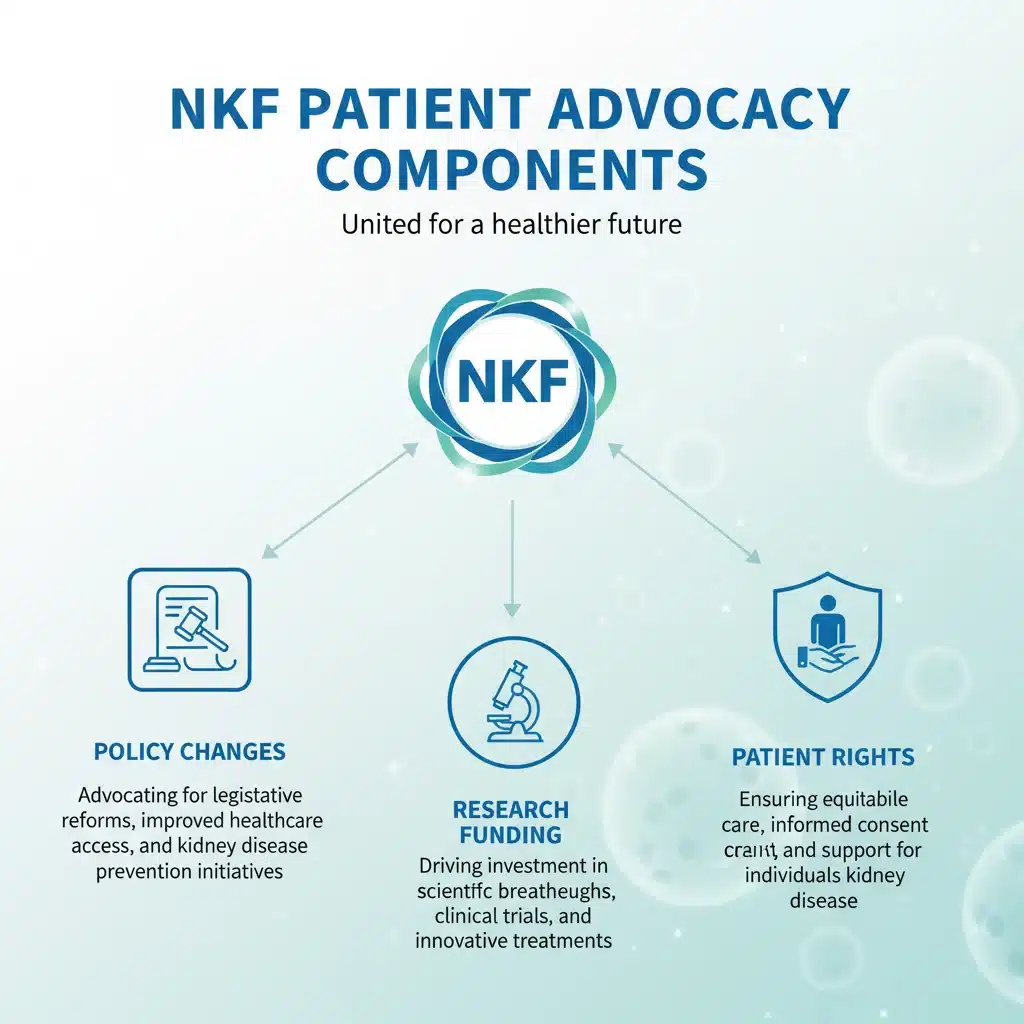
4. Advocacy and Policy Influence
Beyond direct patient services, the NKF plays a crucial role in advocating for policies that benefit the kidney community. The 2026 advocacy efforts within the NKF Patient Programs will focus on:
- Legislative Action: Lobbying for increased funding for kidney disease research, improved access to care, and policies that protect patient rights and reduce healthcare costs.
- Patient Voice Empowerment: Training patients and caregivers to share their stories effectively with policymakers, amplifying the patient voice in legislative debates.
- Promoting Organ Donation: Continuing efforts to increase organ donor registration and improve the transplant system, offering hope for a cure for many with ESRD.
- Healthcare System Reform: Advocating for models of care that prioritize patient-centered approaches, early detection of kidney disease, and integrated care coordination.
These advocacy initiatives are vital for creating a more supportive and equitable healthcare environment for all kidney patients. The NKF Patient Programs extend their impact far beyond individual support, striving for systemic changes that benefit the entire community.
Innovations and Future Directions for 2026
The NKF Patient Programs are not static; they are continuously evolving to meet the changing needs of the kidney community. For 2026, several innovations and future directions are anticipated:
Digital Health Integration
The increasing reliance on digital technologies will see the NKF Patient Programs integrate more digital health tools. This includes the development of mobile apps for tracking health metrics, medication reminders, and access to educational content. Telehealth services will also be expanded to provide remote consultations and support, particularly beneficial for patients in rural areas or those with mobility challenges.
Personalized Care Pathways
Recognizing that each patient’s journey is unique, the NKF aims to offer more personalized care pathways. This involves using data analytics to tailor educational content, support group recommendations, and resource suggestions based on an individual’s specific diagnosis, treatment stage, and personal preferences. This bespoke approach ensures that patients receive the most relevant and effective support.
Focus on Early Detection and Prevention
While the NKF Patient Programs heavily support those already on dialysis, a growing emphasis will be placed on early detection and prevention of kidney disease. This includes public awareness campaigns, free screening events, and educational materials aimed at identifying risk factors and promoting kidney-healthy lifestyles. The goal is to slow or prevent the progression of kidney disease, reducing the number of individuals who ultimately require dialysis.
Research Participation Opportunities
The NKF will facilitate opportunities for patients to participate in clinical trials and research studies. This not only contributes to scientific advancements but also gives patients access to cutting-edge treatments and a chance to play an active role in finding better solutions for kidney disease. Information on ongoing research and how to participate will be readily available through the NKF Patient Programs portal.
How to Access and Benefit from NKF Patient Programs
Accessing the comprehensive support offered by the NKF Patient Programs is designed to be straightforward. Patients, caregivers, and healthcare professionals can typically find information and resources through several channels:
- Official NKF Website: The National Kidney Foundation’s website (kidney.org) serves as the primary hub for all program information, resources, and contact details. It features dedicated sections for patients, professionals, and the general public.
- Helpline and Patient Connect: The NKF operates a toll-free helpline staffed by trained professionals who can answer questions, provide resources, and offer guidance. The Patient Connect program also allows patients to connect one-on-one with trained peer mentors.
- Local NKF Affiliates: Many regions have local NKF offices that offer community-specific programs, events, and support groups. Connecting with a local affiliate can provide more tailored assistance.
- Healthcare Provider Referrals: Nephrologists, dialysis centers, and other healthcare providers often refer patients to NKF programs as part of a holistic care plan.
Engaging with the NKF Patient Programs can significantly enhance a patient’s journey, providing not only practical assistance but also a vital sense of community and empowerment. It is advisable for anyone affected by kidney disease or caring for someone with the condition to explore these resources fully.
Success Stories and Impact
The true measure of the NKF Patient Programs‘ effectiveness lies in the countless lives they have touched and transformed. From individuals who found the strength to cope with their diagnosis through peer support, to families who navigated complex financial challenges with expert guidance, the impact is profound. These programs empower patients to take control of their health, advocate for their needs, and find joy and purpose despite their medical condition.
Consider Maria, a 55-year-old single mother who was diagnosed with ESRD and began hemodialysis. Overwhelmed by the demands of treatment and the fear of not being able to care for her children, Maria felt hopeless. Through the NKF Patient Programs, she was connected with a peer mentor who had been on dialysis for over a decade. Her mentor provided emotional support, practical tips for managing her schedule, and directed her to NKF’s financial assistance program, which helped cover transportation costs to her dialysis appointments. Maria also attended NKF webinars on dietary management, which helped her prepare kidney-friendly meals for her family. Today, Maria is an active advocate for kidney health and a peer mentor herself, paying forward the support she received.
Another example is David, a 70-year-old retiree who struggled with understanding his complex medication regimen and the implications of his diagnosis. Through NKF’s educational modules and direct access to a dietitian, David gained a comprehensive understanding of his condition. He learned how to interpret food labels, manage his fluid intake, and communicate more effectively with his healthcare team. The knowledge gained through the NKF Patient Programs not only improved his physical health but also restored his sense of control and confidence.
These stories are just a glimpse into the profound difference the NKF Patient Programs make every day. They underscore the foundation’s unwavering commitment to improving the lives of individuals affected by kidney disease.
The Role of Technology in NKF Patient Programs 2026
As we move into 2026, technology will play an even more significant role in how the NKF Patient Programs deliver support and resources. The digital transformation aims to make services more accessible, personalized, and efficient. This includes leveraging:
- AI-Powered Chatbots: For immediate answers to frequently asked questions, guiding patients to relevant resources on the NKF website, and providing initial support outside of regular helpline hours.
- Virtual Reality (VR) for Education: Exploring VR applications to create immersive educational experiences, allowing patients to visualize kidney function, dialysis procedures, or even practice managing their diet in a simulated environment.
- Secure Patient Portals: Enhanced patient portals that allow individuals to track their progress, access personalized care plans, communicate securely with NKF support staff, and connect with peer mentors.
- Data Analytics for Program Improvement: Utilizing anonymized data to identify trends, measure program effectiveness, and continuously refine the NKF Patient Programs to better meet the evolving needs of the community.
These technological advancements are not meant to replace human connection but rather to augment it, providing supplementary tools that empower patients and streamline access to vital information and support. The focus remains on human-centered design, ensuring that technology serves the patient, rather than the other way around.
Challenges and Opportunities for NKF Patient Programs
Despite the robust offerings, the NKF Patient Programs face ongoing challenges. These include securing adequate funding, reaching underserved populations, and adapting to the ever-changing healthcare landscape. However, each challenge also presents an opportunity:
- Funding: Continuous fundraising efforts, partnerships with corporate sponsors, and grant applications are crucial for sustaining and expanding programs. The opportunity lies in innovative fundraising strategies and demonstrating the profound return on investment in patient support.
- Reaching Underserved Populations: Collaborating with community health centers, establishing mobile outreach units, and developing culturally sensitive materials are key to ensuring that support reaches all demographics, especially those in rural or socioeconomically disadvantaged areas. The opportunity is to build stronger, more inclusive community partnerships.
- Adapting to Healthcare Changes: The healthcare system is dynamic, with policy shifts and new treatment modalities constantly emerging. The NKF must remain agile, proactively engaging with policymakers and healthcare providers to ensure that NKF Patient Programs align with current best practices and future trends. The opportunity is to be a leading voice in shaping patient-centric healthcare policies.
By strategically addressing these challenges, the NKF Patient Programs can continue to grow and strengthen their impact, ensuring that every patient with kidney disease receives the support they need and deserve.
Conclusion
The 2026 NKF Patient Programs represent a beacon of comprehensive support for individuals navigating the complexities of dialysis and kidney disease. From essential education and crucial emotional support to vital financial assistance and powerful advocacy, the National Kidney Foundation is dedicated to enhancing the quality of life for patients and their families. With a forward-looking approach that embraces technological innovation and personalized care, the NKF continues to adapt and expand its services, ensuring that no one faces kidney disease alone. By engaging with these invaluable programs, patients can find the resources, community, and empowerment needed to live their lives to the fullest.
The commitment of the NKF to its patient community is unwavering, and as we look ahead to 2026, the foundation’s programs are set to be more impactful and accessible than ever before. For anyone touched by kidney disease, exploring the extensive offerings of the NKF Patient Programs is a crucial step towards a more informed, supported, and hopeful future.