Veteran Healthcare Programs 2026: 5 Key Updates to VA Benefits You Need to Know Now
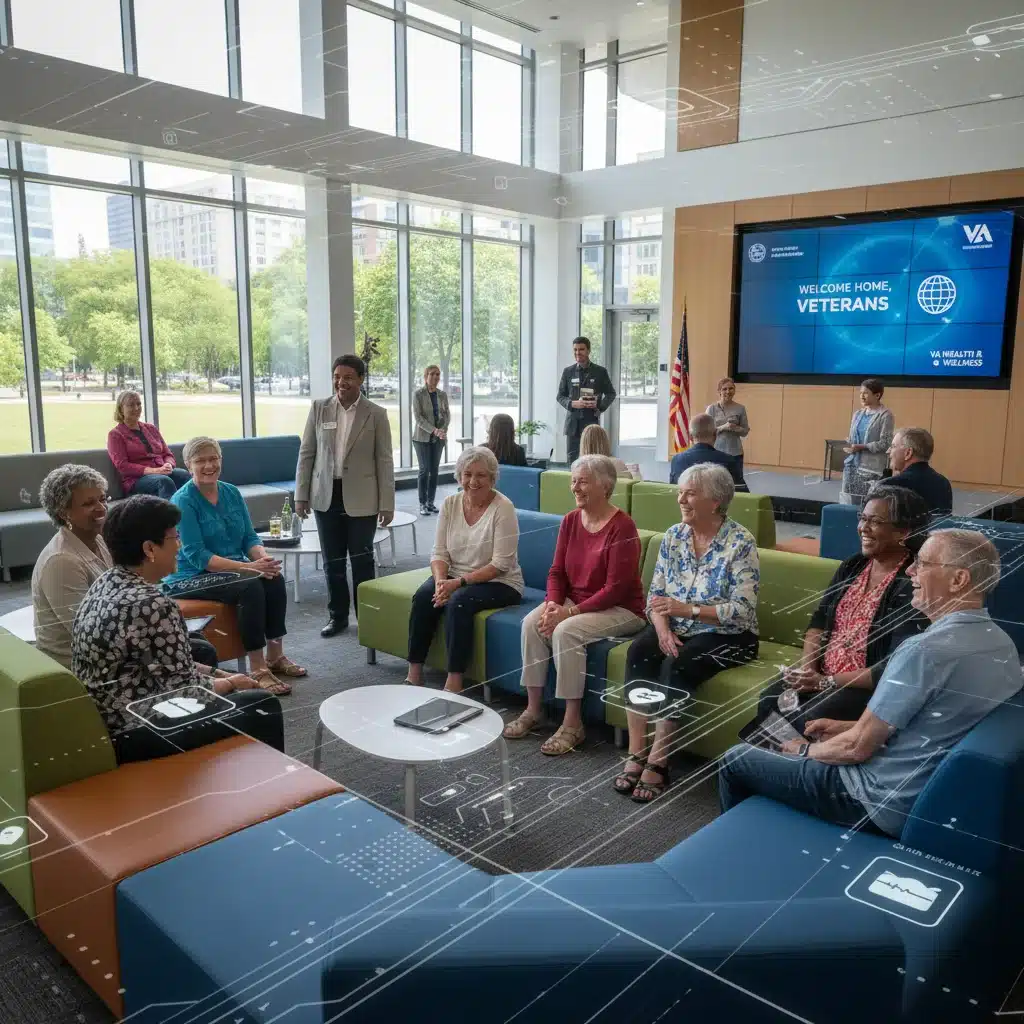
Veteran Healthcare Programs 2026: 5 Key Updates to VA Benefits You Need to Know Now
As we look ahead to 2026, the landscape of veteran healthcare programs and VA benefits continues to evolve. For millions of veterans and their families, understanding these changes is not just important; it’s essential for ensuring access to the care and support they have earned through their service. The Department of Veterans Affairs (VA) is constantly working to improve and expand its offerings, driven by legislative mandates, technological advancements, and a deeper understanding of veterans’ diverse needs. These updates often bring new opportunities, expanded eligibility, and streamlined processes, but they can also introduce complexities that require careful navigation.
The goal of this comprehensive guide is to break down the most significant VA Benefits Updates 2026. We’ll delve into five key areas where substantial changes are expected or have already begun to take shape, providing you with the knowledge you need to proactively manage your healthcare and benefits. From enhancements in mental health services to adjustments in caregiver support and the ongoing impact of the PACT Act, staying informed is your best defense against missing out on crucial resources.
Whether you’re a veteran currently utilizing VA services, considering enrolling, or a family member supporting a loved one, this article will serve as your go-to resource for understanding the future of veteran healthcare. We’ll explore what these changes mean for you, how to prepare, and where to find additional support. Let’s embark on this journey to empower you with the most current information regarding your well-deserved VA Benefits Updates 2026.
1. The Expanding Reach of the PACT Act: What 2026 Holds for Toxic Exposure Benefits
The Sergeant First Class Heath Robinson Honoring Our Promise to Address Comprehensive Toxics (PACT) Act of 2022 was a landmark piece of legislation, dramatically expanding VA healthcare and benefits for veterans exposed to toxic substances during their service. As we move into 2026, the full implementation and ongoing impact of the PACT Act will continue to be a central theme in VA Benefits Updates 2026. While many provisions are already in effect, 2026 will see further refinement, increased outreach, and potentially new presumptive conditions or expanded eligibility periods.
New Presumptive Conditions and Illnesses
One of the most significant aspects of the PACT Act is its establishment of presumptive conditions related to toxic exposure, meaning veterans no longer have to prove a direct service connection for certain illnesses if they served in specific locations or during particular timeframes. For 2026, the VA will likely continue to review scientific and medical evidence to potentially add more conditions to this list. Veterans who previously filed claims for conditions now covered by the PACT Act, but were denied, are strongly encouraged to reapply. The VA is actively working to simplify this process, and 2026 will likely bring clearer guidelines and more robust support for resubmissions.
Expanded Eligibility for Healthcare
The PACT Act also expanded VA healthcare eligibility for veterans exposed to toxins. This means more veterans, particularly those from the Vietnam War, Gulf War, and post-9/11 eras, may now qualify for VA healthcare even if they weren’t previously eligible. In 2026, the VA is expected to intensify its efforts to reach out to these newly eligible veterans, providing information on how to enroll and access care. This expansion is crucial for addressing long-standing health issues that may have gone untreated for decades. Veterans should proactively check their eligibility status, as the criteria are broader than ever before.
Streamlined Claims Process and Outreach
The sheer volume of claims expected under the PACT Act has prompted the VA to invest heavily in streamlining its claims process. For 2026, expect to see continued improvements in technology and staffing to handle these claims more efficiently. The VA is also committed to extensive outreach, including town halls, community events, and digital campaigns, to ensure all eligible veterans are aware of their new or expanded benefits. It’s imperative for veterans to stay connected with VA communications channels and veteran service organizations (VSOs) to receive the latest information on the PACT Act’s evolving implementation. These VA Benefits Updates 2026 under the PACT Act represent a monumental shift in how the nation cares for its toxic-exposed veterans.
2. Innovations in Mental Health and Whole Health Services for Veterans
Mental health remains a top priority for the VA, and 2026 promises further advancements in the availability, accessibility, and quality of mental health and ‘Whole Health’ services. The VA recognizes that mental well-being is integral to overall health and is continuously refining its approach to provide comprehensive, personalized care. These VA Benefits Updates 2026 reflect a commitment to addressing the diverse mental health needs of the veteran community.
Telehealth Expansion and Digital Tools
The COVID-19 pandemic accelerated the adoption of telehealth, and for veterans, this has been a game-changer, especially for those in rural areas or with mobility challenges. In 2026, expect even greater integration and expansion of telehealth services for mental health. This includes virtual therapy sessions, online support groups, and digital mental health applications. The VA is investing in secure, user-friendly platforms to ensure veterans can access care from the comfort and privacy of their homes. These digital tools are designed not to replace in-person care but to augment it, offering more flexible and convenient options for veterans to engage with mental health professionals.
Emphasis on Personalized and Integrated Care
The VA’s ‘Whole Health’ approach, which focuses on a veteran’s overall well-being rather than just treating symptoms, will see further integration across all mental health services in 2026. This means a greater emphasis on personalized care plans that consider a veteran’s values, goals, and lifestyle. Services will increasingly integrate complementary and alternative medicine (CAM) therapies, such as yoga, meditation, acupuncture, and chiropractic care, alongside traditional mental health treatments. The aim is to empower veterans to take an active role in their health journey, providing them with a broader toolkit for managing stress, trauma, and other mental health challenges. This holistic perspective is a cornerstone of the VA Benefits Updates 2026 in mental health.
Suicide Prevention Initiatives
Tragically, veteran suicide remains a critical concern. In 2026, the VA will continue to bolster its suicide prevention initiatives, focusing on early intervention, increased access to crisis support, and community partnerships. This includes enhanced screening protocols, expanded access to the Veterans Crisis Line, and innovative programs designed to foster connection and reduce isolation. The VA is also working to reduce stigma associated with seeking mental health care, encouraging veterans to reach out for help without hesitation. These ongoing efforts underscore the VA’s unwavering commitment to saving lives and supporting the mental well-being of every veteran.

3. Enhancements to Caregiver Support Programs
Caregivers play an indispensable role in the lives of many veterans, providing essential support that enables veterans to live with dignity and independence. Recognizing their immense contributions, the VA has been steadily expanding and improving its caregiver support programs. In 2026, these programs are expected to see further enhancements, reflecting the VA’s commitment to supporting both veterans and those who care for them. These VA Benefits Updates 2026 are crucial for the well-being of entire veteran families.
Expansion of Program of Comprehensive Assistance for Family Caregivers (PCAFC)
The PCAFC offers comprehensive services, including financial stipends, training, and support, to eligible caregivers of seriously injured post-9/11 veterans. While the program has been undergoing a multi-year expansion to include veterans from earlier eras, 2026 will be a critical year for its continued rollout and refinement. Expect clearer guidelines, more efficient application processes, and enhanced support for caregivers as the VA strives to reach all eligible individuals. This expansion is vital, as it acknowledges the long-term commitment and sacrifices made by caregivers across all generations of veterans.
Increased Training and Respite Care Options
Beyond financial assistance, caregivers often need training to effectively manage their veteran’s specific health needs, as well as respite care to prevent burnout. In 2026, the VA is anticipated to increase the availability and variety of training programs for caregivers, covering topics from medical procedures to emotional support techniques. Furthermore, access to respite care — temporary relief for caregivers — is expected to expand, offering more flexible options to suit diverse family situations. These enhancements aim to equip caregivers with the necessary skills and provide them with much-needed breaks, ensuring their own well-being while they care for others.
Mental Health Support for Caregivers
The emotional and psychological toll on caregivers can be substantial. Recognizing this, the VA is increasingly focusing on providing direct mental health support to caregivers. For 2026, expect to see more accessible counseling services, support groups, and educational resources specifically tailored to the unique challenges faced by veteran caregivers. These services are designed to help caregivers cope with stress, grief, and the demands of their role, reinforcing the idea that supporting caregivers is an integral part of supporting veterans. These crucial VA Benefits Updates 2026 ensure a more holistic approach to veteran and family well-being.
4. Modernization of VA Infrastructure and Digital Services
To deliver high-quality, efficient care, the VA is continuously investing in modernizing its physical infrastructure and digital services. These efforts are not just about upgrading facilities; they are about enhancing the entire veteran experience, making it easier to access, navigate, and benefit from VA programs. The VA Benefits Updates 2026 in this domain are foundational to improving all other aspects of veteran support.
New Facilities and Technology Upgrades
Across the nation, the VA is engaged in significant construction and renovation projects, building new medical centers, clinics, and community-based outpatient clinics (CBOCs). In 2026, many of these projects will come to fruition, bringing state-of-the-art facilities closer to veteran communities. These new facilities are designed with veterans’ needs in mind, incorporating modern medical technology, accessible layouts, and comfortable environments. Beyond new buildings, existing VA facilities are undergoing technology upgrades, including new medical equipment, advanced diagnostic tools, and improved electronic health record systems, all aimed at enhancing the quality and speed of care.
Enhanced Online Portals and Mobile Applications
The VA is committed to making its services more accessible through digital platforms. In 2026, expect to see further enhancements to online portals like VA.gov and the development of new, user-friendly mobile applications. These digital tools are designed to empower veterans to manage their appointments, refill prescriptions, access their health records, communicate with their care teams, and track the status of their benefits claims with greater ease. The focus is on creating a seamless digital experience that reduces administrative burden and provides veterans with more control over their healthcare and benefits. Cybersecurity measures will also be continuously strengthened to protect sensitive veteran data.
Artificial Intelligence and Data Analytics for Improved Services
The VA is increasingly leveraging artificial intelligence (AI) and data analytics to improve service delivery. In 2026, AI could play a larger role in identifying veterans at risk, personalizing treatment plans, and streamlining administrative tasks. For example, AI-powered tools might help process claims more quickly by identifying common patterns or flag veterans who could benefit from specific proactive interventions. Data analytics will also provide deeper insights into veteran health trends and service utilization, allowing the VA to allocate resources more effectively and tailor programs to meet evolving needs. These technological advancements are pivotal to the future of VA Benefits Updates 2026.

5. Proactive Outreach and Education for Veterans and Families
Even the best benefits are useless if veterans and their families don’t know they exist or how to access them. Therefore, proactive outreach and education will be a significant focus for the VA in 2026, ensuring that all eligible individuals are aware of the VA Benefits Updates 2026 and how to take advantage of them.
Targeted Outreach Campaigns
The VA is committed to reaching veterans where they are, rather than waiting for them to seek assistance. In 2026, expect to see more targeted outreach campaigns, utilizing various channels such as social media, community events, partnerships with VSOs, and direct mail. These campaigns will focus on specific veteran populations, such as women veterans, rural veterans, homeless veterans, and those from underserved communities, ensuring that information on new and existing benefits is accessible to everyone. The goal is to break down barriers to access and ensure no veteran is left behind.
Simplified Information and Resources
Understanding VA benefits can sometimes be complex, with numerous programs, eligibility criteria, and application processes. In 2026, the VA will continue its efforts to simplify information and provide clearer, more digestible resources. This includes plain language guides, interactive online tools, and easily understandable infographics. The VA website (VA.gov) will remain a central hub for information, with ongoing improvements to its search functionality and content organization. Veterans and their families should regularly visit VA.gov and subscribe to VA newsletters for the latest updates and resources.
Increased Partnerships with Veteran Service Organizations (VSOs)
VSOs play a vital role in connecting veterans with their earned benefits. In 2026, the VA is expected to strengthen its partnerships with these organizations, providing them with enhanced training, resources, and direct communication channels. VSOs often serve as trusted intermediaries, helping veterans navigate the application process, appeal decisions, and understand complex regulations. By empowering VSOs, the VA can extend its reach and ensure that more veterans receive personalized assistance and advocacy. Attending VSO events or contacting a local VSO can be an invaluable step in understanding and accessing your VA Benefits Updates 2026.
Preparing for the 2026 VA Benefits Updates
Navigating the world of VA benefits can seem daunting, but with the right approach, you can ensure you and your family receive all the support you’re entitled to. Here are some actionable steps you can take to prepare for the VA Benefits Updates 2026:
- Stay Informed: Regularly check official VA resources like VA.gov, subscribe to their newsletters, and follow their social media channels. Information is continually updated, and being proactive is key.
- Connect with a VSO: Veteran Service Organizations (VSOs) such as the American Legion, Disabled American Veterans (DAV), or Veterans of Foreign Wars (VFW) offer free, expert assistance in understanding and applying for benefits. They can be invaluable allies.
- Review Your Eligibility: Even if you were previously denied benefits, or thought you weren’t eligible, re-evaluate your status, especially in light of the PACT Act and other expansions. Eligibility criteria are dynamic.
- Organize Your Documents: Keep all relevant military service records, medical documents, and personal identification readily accessible. This will streamline any application processes.
- Talk to Other Veterans: Peer support and shared experiences can provide valuable insights and encouragement. Many veteran communities exist online and in person.
- Advocate for Yourself: Don’t hesitate to ask questions, seek clarification, and follow up on your claims or inquiries. Your persistence can make a difference.
The VA Benefits Updates 2026 are designed to provide better, more comprehensive support to those who have served our nation. By staying informed, proactive, and connected, you can ensure you fully benefit from these crucial programs.
Conclusion: A Brighter Future for Veteran Healthcare
The year 2026 holds significant promise for veterans seeking healthcare and benefits. The ongoing implementation of the PACT Act, coupled with continuous improvements in mental health services, enhanced caregiver support, modernized infrastructure, and proactive outreach, paints a picture of a VA system striving to be more responsive, accessible, and comprehensive. These VA Benefits Updates 2026 are not just incremental changes; they represent a fundamental commitment to honoring the service and sacrifices of our nation’s veterans.
While the VA continues its vital work, the responsibility also falls on veterans and their families to stay informed and engaged. By understanding these key updates, actively seeking information, and utilizing the resources available, you can ensure that you receive the full scope of benefits you have rightfully earned. The journey for many veterans is long and often challenging, but with these advancements, the path to comprehensive healthcare and support is becoming clearer and more navigable.
We encourage you to bookmark this page, share it with fellow veterans and caregivers, and remain vigilant in seeking out the latest information from official VA sources and trusted veteran service organizations. Your well-being is a priority, and these VA Benefits Updates 2026 are a testament to the nation’s enduring gratitude. Together, we can work towards a future where every veteran receives the care, respect, and benefits they deserve.