Leveraging Big Data for Public Health in the US: Identifying Disease Outbreaks 3 Months Faster by 2026
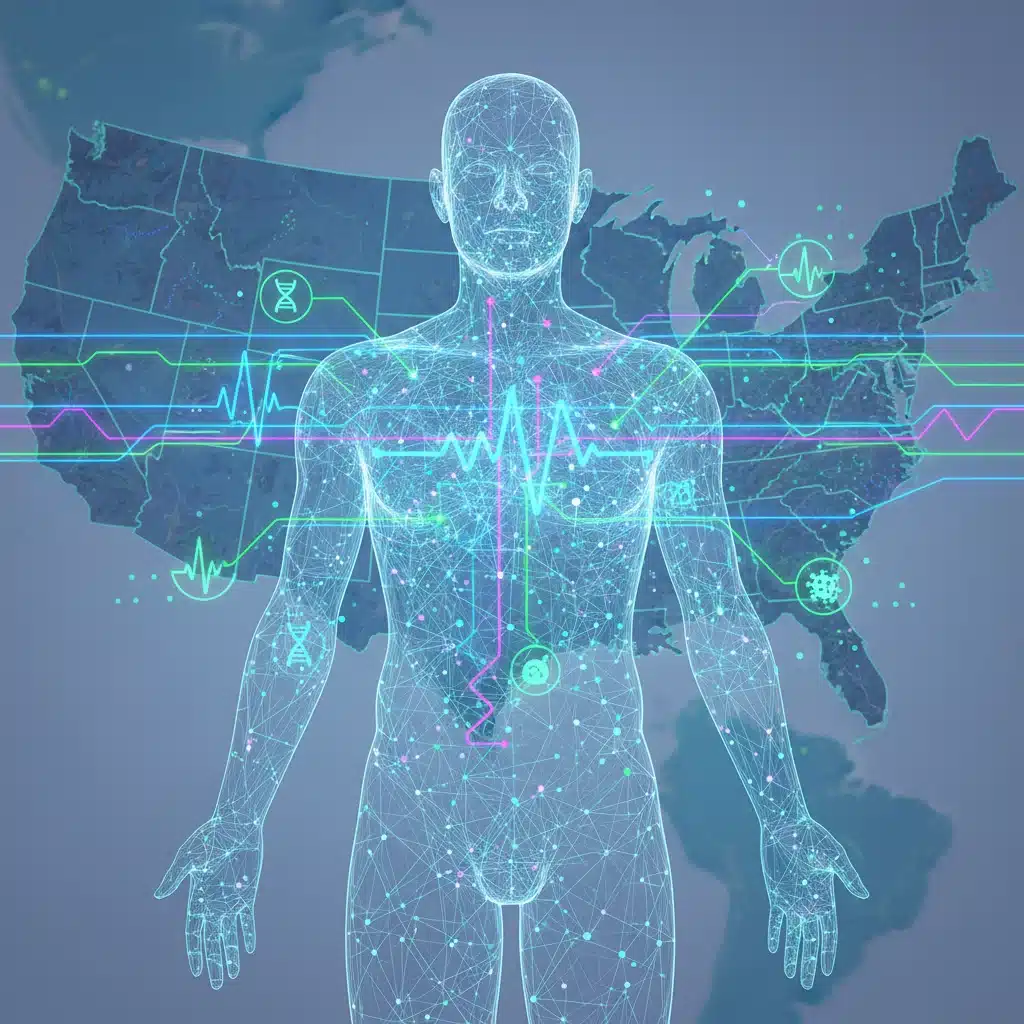
In an increasingly interconnected world, the threat of disease outbreaks looms large, demanding ever more sophisticated and rapid response mechanisms. For generations, public health officials have relied on traditional surveillance methods, often reacting to outbreaks after they have already gained significant traction. However, a seismic shift is underway, propelled by the exponential growth of data and the analytical prowess of modern computing. The United States, a nation at the forefront of technological innovation, is uniquely positioned to harness this power. The ambitious goal? To leverage big data public health strategies to identify disease outbreaks a remarkable three months faster by 2026. This isn’t merely an incremental improvement; it’s a paradigm shift with the potential to save countless lives, prevent widespread suffering, and significantly reduce the economic burden of epidemics.
The concept of big data public health encompasses the collection, analysis, and interpretation of vast and complex datasets from diverse sources to gain insights into population health trends, disease patterns, and risk factors. These datasets include, but are not limited to, electronic health records (EHRs), social media feeds, internet search queries, environmental monitoring data, pharmacy sales, genomic sequencing results, and even anonymized mobile device location data. The sheer volume, velocity, and variety of this data present both immense challenges and unprecedented opportunities. Traditional data processing tools are simply inadequate for handling such scale, necessitating the development and adoption of advanced analytical techniques, including machine learning, artificial intelligence, and predictive modeling.
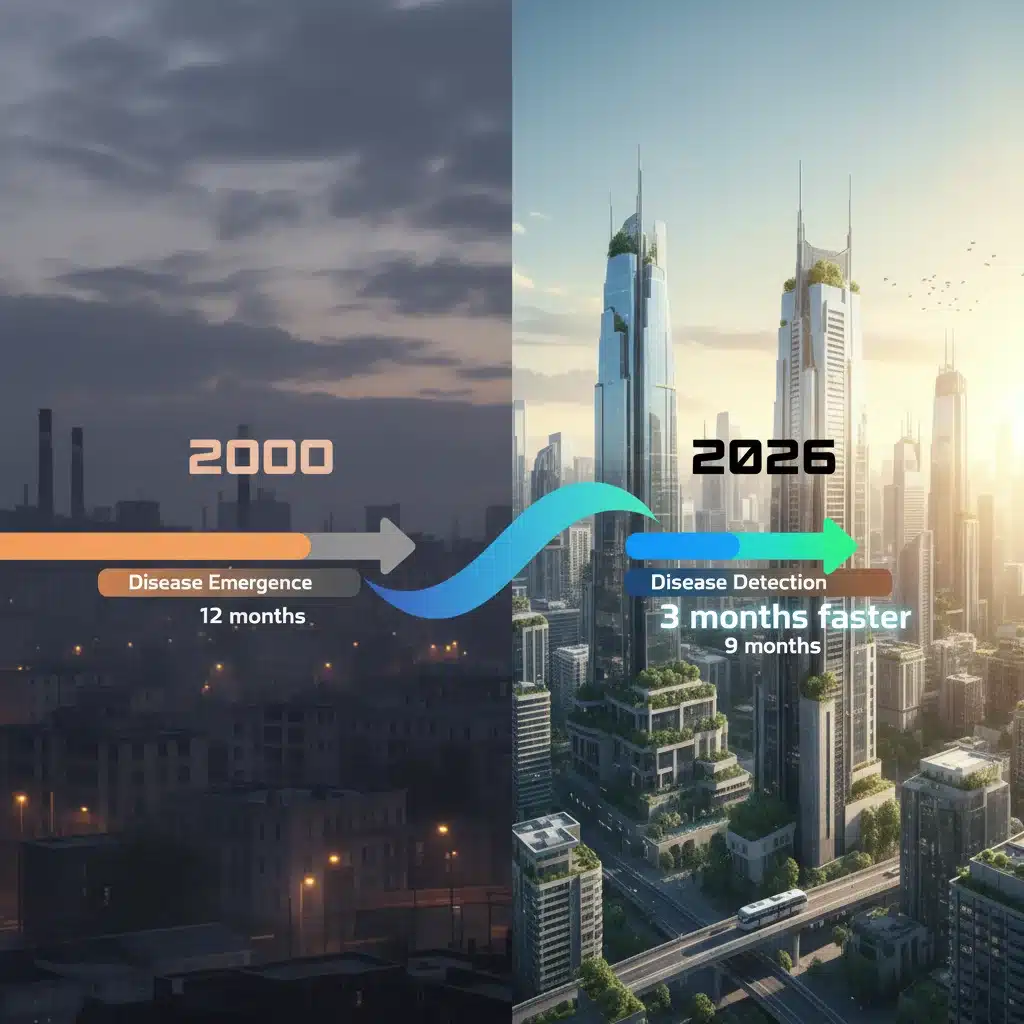
The promise of big data public health lies in its ability to move beyond reactive measures to proactive interventions. Imagine a system that can detect subtle anomalies in health-related data streams – a sudden spike in specific over-the-counter medication sales in a particular region, an unusual cluster of symptoms reported on social media, or an unexpected change in environmental indicators – and flag them as potential early warning signs of an emerging health threat. This early detection capability is the cornerstone of the 2026 goal. By identifying outbreaks three months sooner, public health agencies can activate containment strategies, deploy resources, and initiate vaccination or treatment campaigns with a speed and efficacy previously unimaginable. This acceleration can mean the difference between a localized cluster and a nationwide epidemic, between manageable patient loads and overwhelmed healthcare systems.
The Evolution of Disease Surveillance: From Manual to Algorithmic
Historically, disease surveillance has been a labor-intensive process, relying heavily on manual reporting from healthcare providers, laboratory confirmations, and epidemiological investigations. While essential, these methods are often slow and retrospective, meaning outbreaks are typically identified well after they have begun to spread. The COVID-19 pandemic starkly highlighted the limitations of these traditional approaches, underscoring the critical need for more agile and foresightful systems. This is where big data public health steps in, offering a revolutionary leap forward.
The shift to algorithmic surveillance involves leveraging sophisticated algorithms to continuously monitor and analyze vast streams of data in real-time or near real-time. These algorithms can identify patterns, correlations, and deviations that might be imperceptible to human analysts. For instance, an algorithm could detect an unusual rise in Google searches for ‘fever’ and ‘cough’ in a specific zip code, cross-reference this with local emergency room visit data, and then flag it as a potential area of concern. This ‘digital epidemiology’ is not about replacing human expertise but augmenting it, providing public health professionals with powerful tools to make more informed and timely decisions.
The foundation of this evolution is the ability to integrate disparate data sources. Healthcare data, once siloed in individual hospitals or clinics, can now be aggregated and analyzed at a population level (with stringent privacy safeguards). Environmental data from sensors monitoring air quality or water contamination can be linked to health outcomes. Even seemingly unrelated data, like transportation patterns, can offer clues about disease spread. The challenge, and the opportunity, lies in weaving these diverse threads into a coherent tapestry of public health intelligence. The success of achieving the 2026 goal hinges on robust data infrastructure and interoperability across various health and non-health sectors.
Key Data Sources Fueling Big Data Public Health
The power of big data public health is directly proportional to the breadth and depth of the data it can access and analyze. Several key categories of data are proving instrumental in this revolution:
- Electronic Health Records (EHRs): These digital records contain a wealth of information, from diagnoses and treatments to laboratory results and patient demographics. Aggregated and anonymized EHR data can reveal trends in disease incidence, treatment effectiveness, and the emergence of drug-resistant pathogens.
- Syndromic Surveillance Data: This involves monitoring non-specific health indicators, such as emergency department visits for flu-like symptoms, over-the-counter medication sales (e.g., cold and flu remedies), or school absenteeism rates. These ‘syndromic’ clues can often signal an outbreak before laboratory confirmation is available.
- Social Media and Internet Search Data: Platforms like Twitter, Facebook, and Google are veritable goldmines of real-time public sentiment and health-seeking behavior. Analyzing keywords, hashtags, and geographic trends can provide early warnings of disease activity, public concerns, and even misinformation.
- Genomic Sequencing Data: Rapid sequencing of pathogens allows for precise identification of disease strains, tracking their evolution, and understanding transmission pathways. This is crucial for developing targeted vaccines and treatments.
- Environmental and Climate Data: Factors like temperature, humidity, air quality, and water quality can influence the spread of certain diseases (e.g., vector-borne illnesses). Integrating this data helps predict environmental conditions conducive to outbreaks.
- Pharmacy Data: Sales of specific medications, including antibiotics and antivirals, can indicate changes in disease prevalence and provide insights into community-level health issues.
- Mobile Device Data (Anonymized): Aggregated and anonymized mobility patterns can help model disease spread, understand population movements during an outbreak, and assess the effectiveness of public health interventions like social distancing.
The integration of these diverse data streams, often unstructured and high-volume, requires sophisticated data lakes and robust data governance frameworks to ensure privacy, security, and ethical use. The goal of identifying outbreaks three months faster by 2026 is ambitious, requiring not just technological advancement but also significant collaboration and policy development.

Challenges and Ethical Considerations in Big Data Public Health
While the potential of big data public health is immense, its implementation is not without significant challenges. Foremost among these are issues of data privacy and security. The collection and analysis of vast amounts of personal health information raise legitimate concerns about individual rights and the potential for misuse. Robust anonymization techniques, strict data governance policies, and transparent communication with the public are paramount to building trust and ensuring ethical data use. Regulatory frameworks like HIPAA in the US provide a baseline, but the evolving nature of big data requires continuous adaptation and refinement of these protections.
Another significant hurdle is data interoperability. Healthcare systems, public health agencies, and other data-generating entities often use different software, formats, and terminologies, making it difficult to seamlessly share and integrate data. Achieving the 2026 goal necessitates a concerted effort to develop standardized data protocols and Application Programming Interfaces (APIs) that facilitate smooth data exchange. This requires investment in infrastructure and a collaborative spirit among diverse stakeholders.
Furthermore, the quality and accuracy of the data itself are critical. ‘Garbage in, garbage out’ is a fundamental principle of data science. Inaccurate, incomplete, or biased data can lead to erroneous conclusions and misdirected public health efforts. Implementing rigorous data validation processes and employing techniques to mitigate bias, particularly in data derived from social media or other non-traditional sources, is essential. The interpretation of complex analytical models also requires highly skilled data scientists and epidemiologists who can translate raw data insights into actionable public health strategies.
Finally, the digital divide poses an equity challenge. While big data public health offers incredible advantages, it could inadvertently exacerbate health disparities if access to technology and data generation is unevenly distributed across populations. Ensuring that marginalized communities are not left behind, and that their health data is adequately represented in these systems, is a crucial ethical imperative.
Technological Advancements Driving Faster Detection
The pursuit of identifying disease outbreaks three months faster by 2026 is underpinned by remarkable technological advancements. Machine learning (ML) and artificial intelligence (AI) are at the core of this revolution. ML algorithms can be trained on historical outbreak data to recognize subtle patterns and predict future events with increasing accuracy. For example, recurrent neural networks can analyze time-series data from syndromic surveillance to detect unusual spikes that might indicate an emerging threat.
Natural Language Processing (NLP) is another critical technology, enabling the analysis of unstructured text data from social media, news articles, and clinical notes. NLP algorithms can extract relevant information, identify sentiments, and flag mentions of symptoms or diseases that might otherwise go unnoticed. This allows public health officials to tap into a vast, real-time source of public discourse about health.
Cloud computing infrastructure provides the scalable processing power and storage necessary to handle petabytes of data. This allows for rapid analysis without the need for massive on-premise hardware investments. Furthermore, advancements in geospatial analysis and visualization tools enable public health professionals to map disease spread, identify hotspots, and understand geographic risk factors with unprecedented precision.
The development of sophisticated predictive models is paramount. These models, often combining various ML techniques, aim to forecast not just the likelihood of an outbreak but also its potential trajectory, severity, and impact on different populations. Such foresight empowers public health agencies to allocate resources strategically, pre-position medical supplies, and prepare communication campaigns well in advance of a crisis. The synergy of these technologies is what makes the 2026 goal achievable.
Case Studies and Future Outlook
While the target of three months faster by 2026 is ambitious, there are already compelling examples of big data public health in action. During the early stages of the COVID-19 pandemic, platforms like BlueDot and HealthMap, which leverage AI to scour news reports, social media, and official reports, were among the first to identify the emerging threat in Wuhan, China, ahead of official alerts. These examples provide a glimpse into the future of proactive disease surveillance.
In the US, initiatives like the National Syndromic Surveillance Program (NSSP) already collect and analyze emergency department data from across the country, providing a foundation for more advanced big data applications. The Centers for Disease Control and Prevention (CDC) is increasingly investing in data modernization initiatives to integrate diverse data sources and enhance analytical capabilities.
Looking towards 2026, the focus will be on:
- Enhanced Data Sharing Agreements: Facilitating secure and ethical data exchange between federal, state, and local public health agencies, healthcare providers, and even private sector entities.
- Standardized Data Architectures: Developing common data models and interoperability standards to ensure seamless integration of diverse datasets.
- Advanced Analytical Platforms: Investing in and deploying cutting-edge AI and ML platforms capable of real-time data processing and predictive modeling.
- Workforce Development: Training a new generation of public health professionals with expertise in data science, epidemiology, and health informatics.
- Public Engagement and Trust: Building public confidence in big data initiatives through transparency, education, and robust privacy protections.
The journey to achieving the 2026 goal is not merely a technological one; it is a societal commitment to a healthier, more resilient future. By embracing the power of big data public health, the US can move from a reactive stance to a truly proactive one, mitigating the impact of future health crises and safeguarding the well-being of its population.
The Economic and Societal Impact of Accelerated Detection
The benefits of identifying disease outbreaks three months faster extend far beyond immediate health outcomes, creating significant economic and societal advantages. Economically, early detection and rapid response can prevent billions of dollars in losses associated with healthcare expenditures, lost productivity, supply chain disruptions, and widespread business closures. The COVID-19 pandemic offered a stark illustration of the devastating financial consequences of delayed responses. By mitigating the spread of disease, big data public health can help maintain economic stability and protect livelihoods.
Societally, faster detection translates directly into fewer illnesses, fewer hospitalizations, and ultimately, fewer deaths. It reduces the burden on healthcare systems, allowing them to operate more efficiently and focus resources where they are most needed. Furthermore, a more predictable public health landscape fosters greater public confidence and reduces the widespread anxiety and fear that often accompany uncontrolled outbreaks. Education systems can remain stable, social interactions can continue with greater assurance, and the overall quality of life improves when communities are better protected against health threats.
Consider the ripple effect of preventing a major influenza outbreak. With three months’ advance warning, public health officials could initiate widespread vaccination campaigns, distribute antiviral medications, and implement targeted public health messaging before the virus takes hold. This proactive approach would drastically reduce the number of people infected, alleviate pressure on hospitals during peak flu season, and minimize disruptions to schools and businesses. The economic savings from reduced healthcare costs, fewer sick days, and maintained productivity would be substantial.
Moreover, the insights gained from big data public health can inform long-term policy decisions. By understanding the underlying social, environmental, and behavioral factors that contribute to disease spread, policymakers can design more effective public health programs, allocate funding more strategically, and build a more resilient public health infrastructure. This includes investments in areas like clean water, sanitation, access to nutritious food, and equitable healthcare services, all of which contribute to overall population health and reduce vulnerability to outbreaks.
Collaborative Ecosystem for Public Health Data Intelligence
Achieving the ambitious goal of three months faster detection by 2026 requires a highly collaborative ecosystem. No single entity, whether a government agency, a private company, or an academic institution, can achieve this alone. It necessitates a multi-sectoral approach where data is shared responsibly, expertise is pooled, and resources are coordinated effectively. This collaborative framework is a critical component of successful big data public health implementation.
Key players in this ecosystem include:
- Federal Public Health Agencies (e.g., CDC, NIH): Providing national leadership, setting standards, funding research, and developing overarching data strategies.
- State and Local Health Departments: Implementing surveillance programs, collecting local data, and responding to outbreaks on the ground. They are crucial for contextualizing national data with local realities.
- Healthcare Providers (Hospitals, Clinics, Pharmacies): Generating vast amounts of clinical data through EHRs and syndromic surveillance. Their participation in data sharing initiatives is fundamental.
- Academic and Research Institutions: Developing new analytical methodologies, conducting research on disease patterns, and training the next generation of data scientists and epidemiologists.
- Technology Companies: Providing the infrastructure, software, and AI/ML expertise necessary for processing and analyzing big data. This includes cloud providers, data analytics firms, and developers of specialized public health software.
- Non-Governmental Organizations (NGOs) and Community Groups: Often providing vital on-the-ground information, particularly in underserved communities, and helping to disseminate public health messages effectively.
- Private Sector (e.g., Retailers, Telecommunications): Contributing anonymized data on consumer behavior, mobility patterns, and product sales that can serve as early indicators of health trends.
Establishing clear data-sharing agreements, robust legal frameworks, and strong ethical guidelines will be paramount to fostering trust and facilitating this collaboration. The emphasis must always be on using data for the public good, with stringent protections against misuse. Interoperability standards, as mentioned earlier, will serve as the technical glue that binds this diverse ecosystem together, enabling seamless data flow and analysis. The success of big data public health in the US by 2026 will be a testament to the power of collective action and technological foresight.
Conclusion: A Healthier Future Driven by Data
The vision of identifying disease outbreaks three months faster by 2026 through advanced big data public health strategies is not just aspirational; it is an achievable and necessary evolution in how the United States approaches public health. This transformative shift promises to move us from a reactive posture to a proactive and predictive one, fundamentally altering our ability to safeguard population health.
By harnessing the immense power of diverse data sources – from EHRs and syndromic surveillance to social media and environmental sensors – and applying cutting-edge artificial intelligence and machine learning, public health agencies can gain unprecedented foresight. This accelerated detection will translate into earlier interventions, more targeted resource allocation, reduced disease burden, and significant economic savings. While challenges related to privacy, interoperability, and data quality persist, ongoing advancements in technology and a growing commitment to collaborative frameworks are steadily paving the way forward.
The year 2026 is not just a deadline; it represents a critical milestone in building a more resilient, responsive, and ultimately healthier nation. The investment in big data public health is an investment in the well-being of every American, ensuring that future generations are better protected against the unpredictable threats of emerging infectious diseases. The future of public health is data-driven, and the US is poised to lead this charge towards a healthier tomorrow.