2026 MHPAEA Compliance: Understanding Mental Health Parity Benefits

2026 MHPAEA Compliance: How It Benefits Your Treatment Access
The landscape of healthcare in the United States is constantly evolving, with significant strides being made to ensure equitable access to all forms of medical care. Among the most impactful legislative efforts in this regard is the Mental Health Parity and Addiction Equity Act (MHPAEA). As we look ahead to MHPAEA 2026 compliance, it's imperative for individuals, healthcare providers, and insurers alike to understand the profound implications and benefits this act brings, particularly concerning access to mental health and substance use disorder (SUD) treatment.
For too long, mental health and addiction services have been treated as secondary to physical health, leading to significant disparities in coverage, cost, and availability. MHPAEA aims to dismantle these barriers, mandating that insurance coverage for mental health and SUD treatment be no more restrictive than coverage for medical and surgical benefits. The upcoming 2026 compliance deadline signifies a critical juncture, reinforcing and expanding these protections, ensuring that millions of Americans can access the care they need without facing discriminatory practices.
This comprehensive guide will delve into the intricacies of MHPAEA 2026 compliance, exploring its historical context, key provisions, and the tangible benefits it offers to individuals seeking mental health and addiction treatment. We will also discuss what consumers can expect, how to advocate for their rights, and the ongoing efforts to strengthen parity enforcement. Understanding this act is not just about regulatory adherence; it's about fostering a healthcare system that values mental and physical well-being equally.
The Genesis of Parity: A Brief History of MHPAEA
To fully appreciate the significance of MHPAEA 2026 compliance, it's helpful to trace the origins of mental health parity legislation. The journey began with the Mental Health Parity Act of 1996 (MHPA), which first required annual and lifetime dollar limits for mental health benefits to be no lower than those for medical and surgical benefits. However, MHPA had significant loopholes; it didn't apply to small employers, and it didn't address other critical aspects of coverage, such as deductibles, co-pays, or treatment limitations.
Recognizing these shortcomings, Congress passed the Mental Health Parity and Addiction Equity Act (MHPAEA) in 2008. This landmark legislation significantly expanded upon MHPA by requiring that financial requirements (like deductibles, co-pays, out-of-pocket maximums) and treatment limitations (like visit limits, day limits) for mental health and substance use disorder benefits be no more restrictive than those for medical and surgical benefits. It applied to group health plans and health insurance issuers offering coverage in connection with such plans.
The Affordable Care Act (ACA) of 2010 further strengthened MHPAEA by classifying mental health and substance use disorder services as "essential health benefits," meaning most individual and small group plans must cover them. It also extended MHPAEA's protections to these plans, significantly broadening its reach. Over the years, various regulations and enforcement actions have sought to clarify and enforce MHPAEA's provisions, addressing complex areas like non-quantitative treatment limitations (NQTLs).
Why 2026 is a Crucial Year for MHPAEA Compliance
The focus on MHPAEA 2026 compliance stems from ongoing efforts by federal agencies, particularly the Department of Labor (DOL), Department of Health and Human Services (HHS), and the Treasury Department, to ensure robust enforcement and close any remaining gaps in parity. These efforts include issuing new guidance, conducting extensive investigations into health plans, and implementing stricter reporting requirements. The 2026 timeframe often refers to the anticipated full implementation and stricter enforcement of these updated guidelines, particularly concerning NQTLs, which have historically been challenging to regulate.
The goal is to move beyond simply comparing numbers (like co-pays) and to scrutinize the actual processes, evidentiary standards, and medical necessity criteria plans use to manage mental health and SUD benefits versus physical health benefits. This deeper dive aims to uncover and rectify subtle, yet pervasive, forms of discrimination that can still prevent individuals from accessing necessary care. Therefore, MHPAEA 2026 compliance represents a renewed commitment to comprehensive and equitable coverage.
Key Provisions of MHPAEA: What You Need to Know
MHPAEA is built on several core principles designed to ensure parity. Understanding these provisions is vital for both consumers and providers. The act generally applies to group health plans and health insurance issuers. Here are the main areas of focus:
1. Financial Requirements
This is perhaps the most straightforward aspect of parity. MHPAEA dictates that financial requirements for mental health and SUD benefits cannot be more restrictive than those for medical and surgical benefits. This includes:
- Deductibles: If a plan has a $1,000 deductible for physical health services, it cannot impose a $2,000 deductible for mental health services.
- Co-payments and Co-insurance: The percentage or fixed amount you pay for mental health or SUD services cannot be higher than what you'd pay for comparable medical or surgical services.
- Out-of-Pocket Maximums: The total amount you are required to pay out-of-pocket in a year for mental health and SUD treatment must be integrated with, or no higher than, the out-of-pocket maximum for medical and surgical benefits.
2. Quantitative Treatment Limitations (QTLs)
QTLs are numerical limits on the scope or duration of benefits. MHPAEA prohibits plans from imposing more restrictive QTLs on mental health and SUD benefits than on medical and surgical benefits. Examples include:
- Visit Limits: A plan cannot limit mental health therapy to 20 visits per year if it doesn't impose similar limits on physical therapy or other medical specialties.
- Day Limits: Similarly, inpatient mental health or SUD treatment cannot have fewer covered days than inpatient medical or surgical care.
3. Non-Quantitative Treatment Limitations (NQTLs)
This is often the most complex and challenging area of MHPAEA enforcement, and a significant focus of MHPAEA 2026 compliance. NQTLs are non-numerical limitations on the scope or duration of benefits. They include:
- Medical Management Standards: This refers to processes like prior authorization, concurrent review, retrospective review, and step therapy. Plans must apply these processes to mental health/SUD benefits using the same clinical criteria and processes as they do for medical/surgical benefits.
- Formulary Design: If a plan covers a broad range of prescription drugs for physical conditions, it cannot unduly restrict access to medications for mental health or SUD.
- Provider Admission to Networks: The criteria used to admit mental health and SUD providers to a plan's network must be comparable to those used for medical/surgical providers. Issues like network adequacy and provider reimbursement rates fall under this umbrella.
- Care Management: Standards for determining medical necessity, appropriateness of care, or level of care must be applied equally.
The "comparable and no more stringent" standard for NQTLs means that plans must demonstrate that the processes, strategies, evidentiary standards, and other factors used to determine coverage for mental health and SUD benefits are applied in a manner that is comparable to, and no more stringent than, those used for medical and surgical benefits. This is where many plans have historically fallen short, and it is precisely what MHPAEA 2026 compliance aims to rigorously address.
4. Scope of Services
MHPAEA does not mandate that plans cover mental health or SUD benefits; however, if they do, they must do so in a way that is compliant with parity. Most plans, especially those subject to the ACA, are required to cover these services as essential health benefits. The act ensures that the scope of covered mental health and SUD services is comparable to medical and surgical services.

The Tangible Benefits of MHPAEA 2026 Compliance for Consumers
For individuals seeking mental health and addiction treatment, the enforcement of MHPAEA 2026 compliance translates into several critical advantages:
1. Increased Access to Care
Perhaps the most significant benefit is improved access. When financial and treatment barriers are removed, more people can afford and receive the mental health and SUD care they desperately need. This means:
- Affordable Treatment: Reduced co-pays, lower deductibles, and fair out-of-pocket maximums make therapy, medication management, and addiction treatment more accessible.
- Expanded Treatment Options: Plans are less likely to arbitrarily limit the number of therapy sessions or days in residential treatment, allowing individuals to pursue comprehensive and effective care plans.
- Better Provider Networks: Stricter NQTL enforcement should lead to more robust mental health and SUD provider networks, reducing wait times and increasing the availability of qualified professionals.
2. Improved Health Outcomes
Early intervention and consistent treatment for mental health conditions and SUDs are crucial for positive outcomes. By facilitating access, MHPAEA contributes to:
- Reduced Severity of Illness: Timely access to care can prevent conditions from worsening, reducing the need for more intensive and costly interventions later.
- Enhanced Recovery: For individuals with SUD, consistent access to evidence-based treatment and support is vital for long-term recovery.
- Overall Well-being: Addressing mental health and addiction issues positively impacts physical health, relationships, employment, and overall quality of life.
3. Reduced Stigma
When insurance plans treat mental health and SUD on par with physical health, it sends a powerful message that these conditions are legitimate medical illnesses deserving of comprehensive care. This legislative recognition helps to dismantle the societal stigma often associated with seeking help for mental health and addiction challenges.
4. Greater Financial Protection
Without parity, individuals often face exorbitant costs for mental health and SUD treatment, sometimes leading to medical debt or foregoing necessary care. MHPAEA provides financial protection by ensuring that these costs are comparable to other medical expenses, preventing unexpected financial burdens.
5. Empowered Patient Advocacy
With clearer regulations and increased enforcement, individuals and their advocates are better equipped to challenge unfair denials or limitations of care. Understanding their rights under MHPAEA empowers patients to demand the coverage they are entitled to.
Navigating Your Rights: What to Do if You Suspect a Parity Violation
Even with robust legislation and the push for MHPAEA 2026 compliance, violations can still occur. It's crucial for consumers to know how to identify potential issues and what steps to take if they suspect their plan is not complying with parity laws.
1. Understand Your Plan's Benefits
Carefully review your Summary Plan Description (SPD) or Evidence of Coverage. Pay close attention to sections detailing mental health, substance use disorder, and medical/surgical benefits. Compare deductibles, co-pays, visit limits, and any requirements for prior authorization or referrals across these different types of care.
2. Document Everything
Keep detailed records of all interactions with your insurance company, including dates, times, names of representatives, and summaries of conversations. Save all correspondence, such as denial letters, Explanation of Benefits (EOBs), and policy documents. This documentation is invaluable if you need to appeal a decision.
3. The Internal Appeals Process
If your claim for mental health or SUD treatment is denied, or if you face an unfair limitation, your first step is to file an internal appeal with your insurance company. Your denial letter should outline the steps for this process. Be thorough in your appeal, providing all relevant medical documentation and explaining why you believe the denial is a parity violation.
4. External Review
If your internal appeal is denied, you typically have the right to an external review. This involves an independent third party reviewing your case. The process for external review varies by state and plan type, so check your plan documents or contact your state's Department of Insurance.
5. File a Complaint with Government Agencies
Several federal and state agencies are responsible for enforcing MHPAEA:
- Department of Labor (DOL): If your plan is an employer-sponsored plan (ERISA-governed), you can file a complaint with the Employee Benefits Security Administration (EBSA) of the DOL. EBSA is a primary enforcer of MHPAEA.
- Department of Health and Human Services (HHS): For non-federal governmental plans (e.g., state and local government plans) and individual or small group market plans, you can contact the Centers for Medicare & Medicaid Services (CMS) within HHS.
- State Department of Insurance: Your state's Department of Insurance (or equivalent regulatory body) can also investigate complaints, particularly for state-regulated plans.
- Office for Civil Rights (OCR): If you believe a denial or limitation is discriminatory based on mental health or SUD, the OCR might also be a relevant agency.
These agencies play a crucial role in investigating potential parity violations, and their enforcement actions are a key driver behind the push for stricter MHPAEA 2026 compliance.
The Role of Advocacy and Ongoing Enforcement Efforts
The journey towards full mental health parity is an ongoing one, requiring continuous advocacy and robust enforcement. Organizations like The Kennedy Forum, the National Alliance on Mental Illness (NAMI), and the American Psychiatric Association (APA) have been instrumental in pushing for stronger parity laws and accountability.
Government agencies are also stepping up their game. The DOL, HHS, and Treasury have been increasingly active in issuing guidance documents, conducting comprehensive investigations, and imposing penalties on non-compliant plans. The focus on NQTLs, in particular, has led to more sophisticated analyses of how plans manage benefits, moving beyond simple numerical comparisons.
The Impact of Recent Regulations and Future Outlook
Recent regulatory proposals and guidance underscore the commitment to strengthening MHPAEA. These often include requirements for plans to conduct and submit comparative analyses of their NQTLs, demonstrating compliance. The push for MHPAEA 2026 compliance is not just about adhering to existing rules but anticipating and adapting to these evolving, more stringent enforcement standards.
Future trends will likely include:
- Increased Transparency: Plans will be required to be even more transparent about their medical management criteria and processes.
- Data-Driven Enforcement: Agencies will increasingly use data to identify patterns of potential discrimination in coverage.
- Focus on Network Adequacy: Ensuring sufficient access to mental health and SUD providers will remain a critical area of scrutiny.
- Integration of Care: The push for integrated physical and mental healthcare will continue, with parity playing a foundational role.
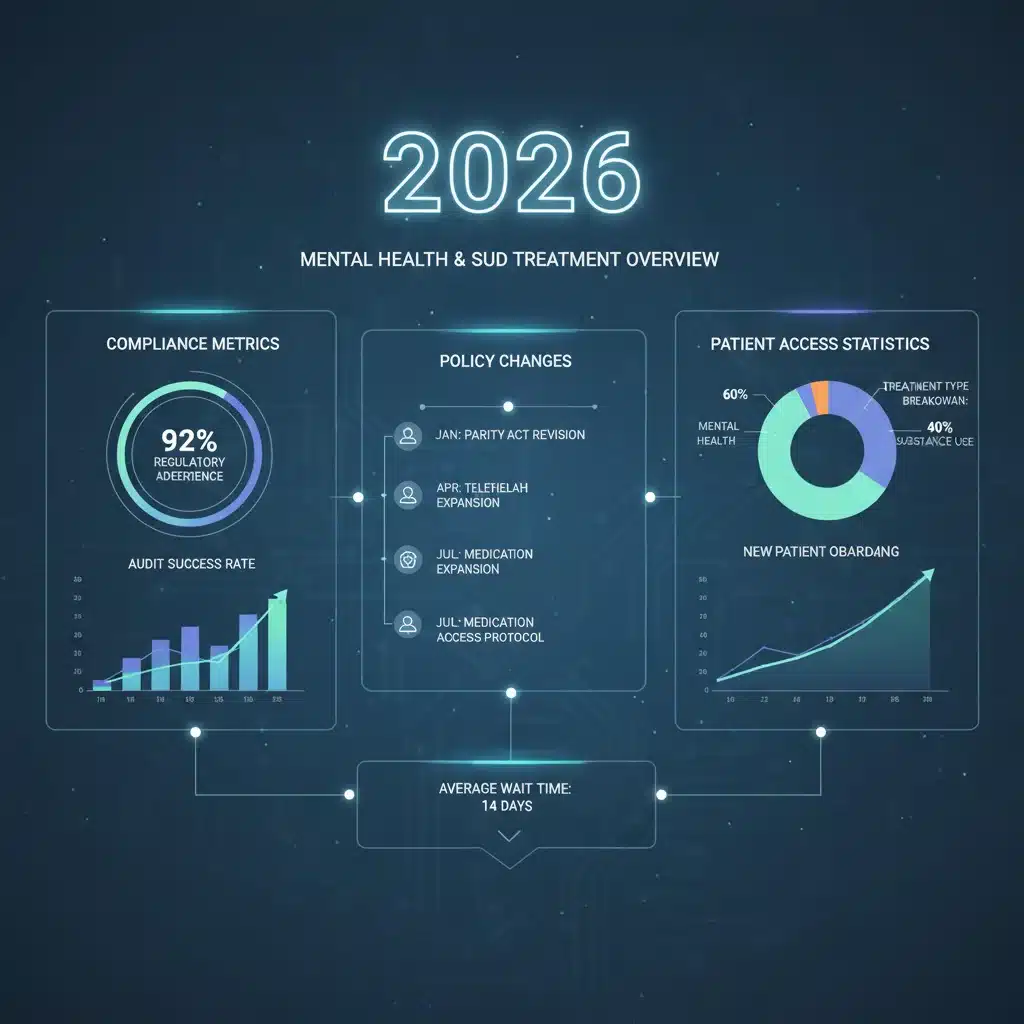
Preparing for MHPAEA 2026 Compliance: A Call to Action
For individuals, preparing for MHPAEA 2026 compliance means becoming an informed consumer and a proactive advocate for your own health. Understand your rights, scrutinize your plan's benefits, and don't hesitate to challenge denials. The more individuals who understand and assert their rights, the stronger the collective impact on parity enforcement.
For employers and plan sponsors, MHPAEA 2026 compliance requires a thorough review of existing plan designs, administrative practices, and vendor contracts. This includes:
- Conducting Comprehensive NQTL Comparative Analyses: Go beyond surface-level comparisons and delve into the actual processes and evidentiary standards used for both mental/SUD and medical/surgical benefits.
- Reviewing Network Adequacy: Ensure that mental health and SUD provider networks are truly comparable in terms of access, geographic availability, and specialty coverage.
- Training Staff: Educate benefits administrators, HR personnel, and customer service teams on MHPAEA requirements and how to handle inquiries and appeals.
- Staying Updated on Guidance: Regularly monitor guidance from the DOL, HHS, and Treasury to ensure ongoing compliance with evolving interpretations and enforcement priorities.
For health plans and insurers, the imperative is clear: invest in robust compliance programs, utilize sophisticated data analytics to identify and rectify disparities, and prioritize patient access and outcomes over cost containment measures that violate parity. The financial and reputational risks of non-compliance are substantial and growing.
Conclusion: A Future of Equitable Care
The Mental Health Parity and Addiction Equity Act represents a monumental step towards achieving a healthcare system where mental health and substance use disorders are treated with the same respect and coverage as physical ailments. The focus on MHPAEA 2026 compliance signals an intensified commitment to this vision, promising a future where discriminatory practices are systematically dismantled, and equitable access to life-saving treatment becomes a reality for all Americans.
By understanding the provisions of MHPAEA, knowing your rights, and actively advocating for parity, you contribute to a stronger, more inclusive healthcare system. The benefits of this act extend far beyond regulatory checkboxes; they touch the lives of individuals, families, and communities, fostering health, recovery, and well-being. As we move closer to 2026, the collective effort to ensure full parity compliance will undoubtedly reshape the landscape of behavioral healthcare for the better, offering hope and tangible support to those who need it most.