Gamification in Digital Health: Boosting Patient Engagement by 35% in US Wellness Programs by 2026
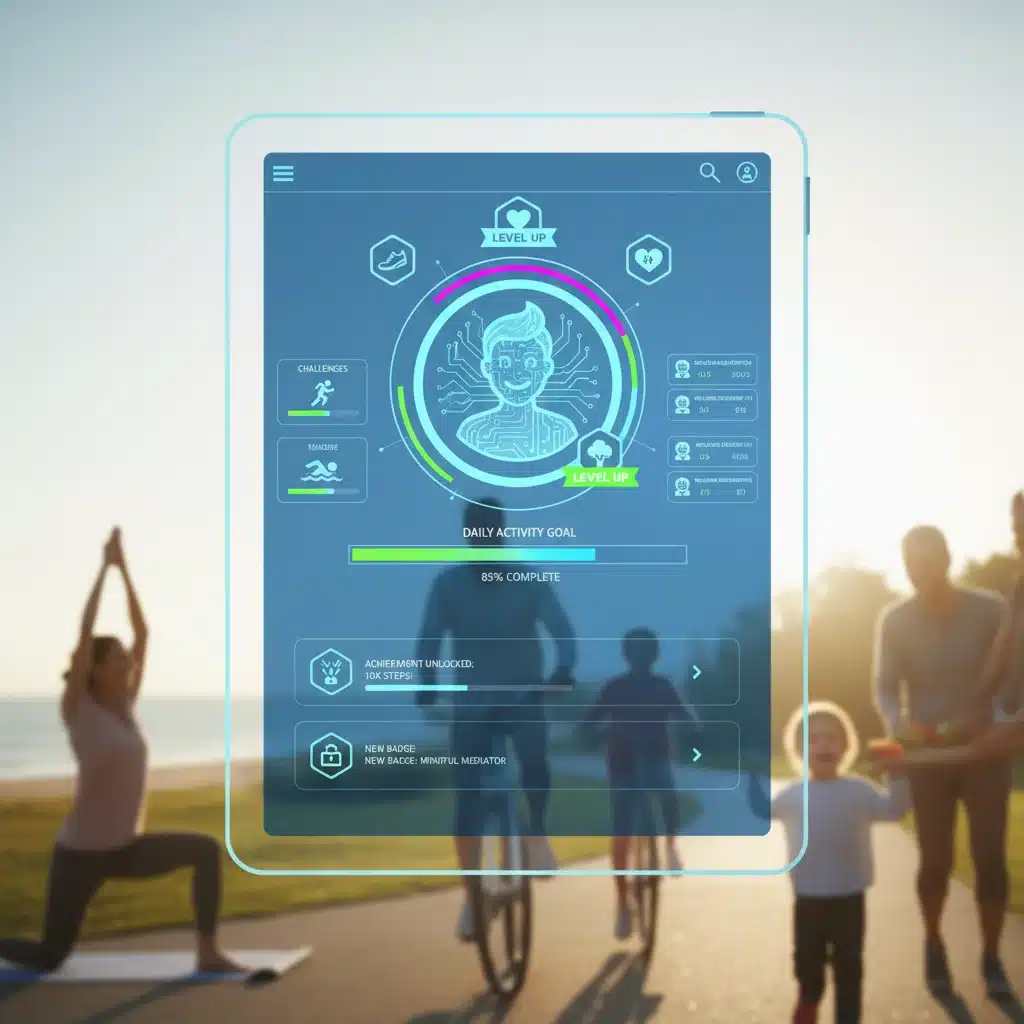
In an era defined by technological advancement and a growing emphasis on personalized well-being, the intersection of digital health and gamification has emerged as a powerful catalyst for change. The promise of digital health gamification to revolutionize patient engagement is not merely a theoretical concept; it’s a measurable trend with significant implications for the future of healthcare. Projections indicate that by 2026, gamification could boost patient engagement in US wellness programs by an astounding 35%. This article delves deep into this transformative phenomenon, exploring its mechanisms, benefits, challenges, and the exciting future it portends for health and wellness.
The healthcare landscape has long grappled with the challenge of patient adherence and sustained engagement. Traditional models often fall short in motivating individuals to proactively manage their health, adhere to treatment plans, or adopt healthier lifestyles. This is where digital health, augmented by the principles of gamification, steps in as a game-changer. By leveraging elements like points, badges, leaderboards, challenges, and rewards, gamified digital health platforms transform mundane health tasks into engaging, motivating experiences.
The Core Concept of Digital Health Gamification
At its heart, digital health gamification involves applying game-design elements and game principles in non-game contexts, specifically within digital health applications and platforms, to drive user engagement and achieve health-related outcomes. It’s about more than just making health fun; it’s about understanding human psychology – our innate desire for achievement, recognition, competition, and social connection – and harnessing these drivers to foster positive health behaviors.
Understanding the Psychology Behind Gamification
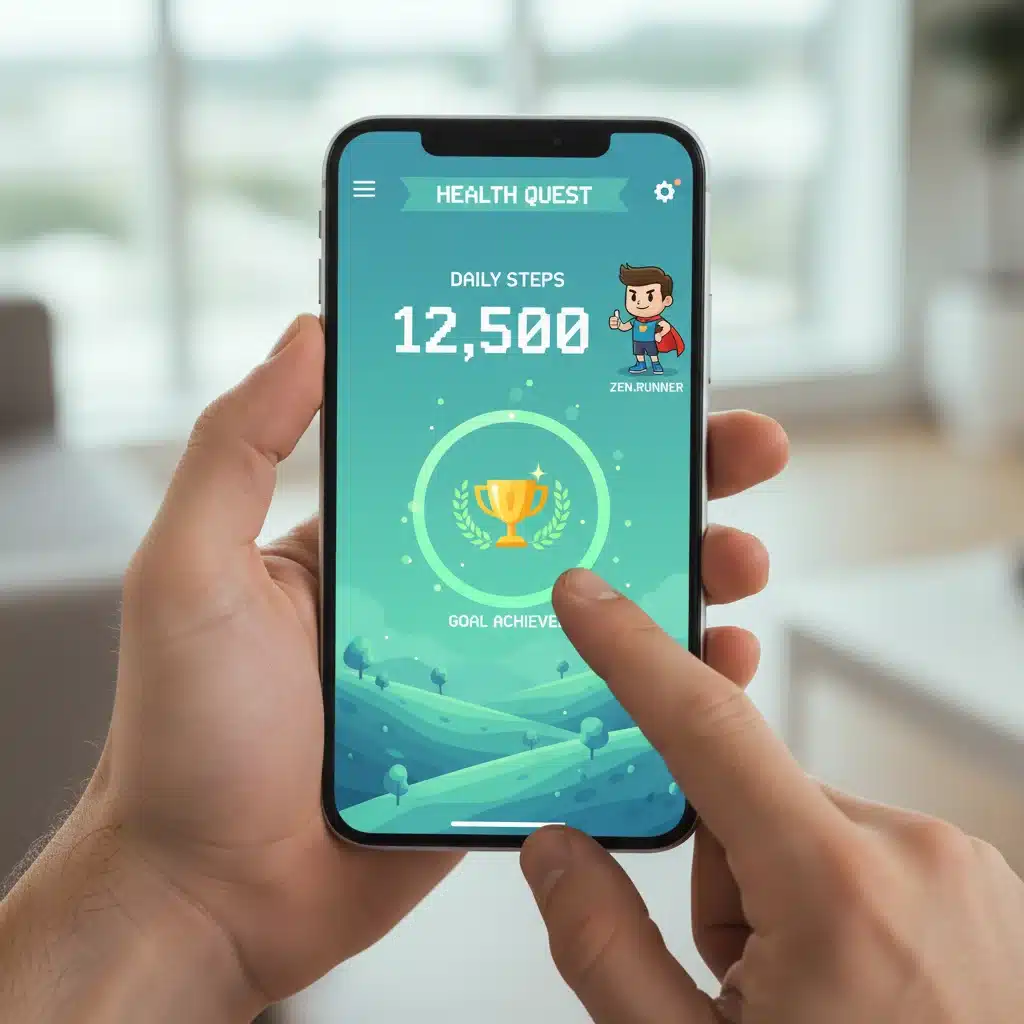
The effectiveness of gamification stems from its ability to tap into intrinsic and extrinsic motivators. Intrinsic motivation comes from the internal satisfaction of performing an activity, such as the joy of achievement or the feeling of mastery. Extrinsic motivation, on the other hand, is driven by external rewards, like points, badges, or tangible incentives. A well-designed gamified system balances both, creating a sustainable loop of engagement. For instance, achieving a daily step goal might provide both the intrinsic satisfaction of feeling healthier and the extrinsic reward of unlocking a new badge.
Key psychological principles at play include:
- Achievement: Users are motivated by setting and reaching goals, often visualized through progress bars or levels.
- Reward: Points, badges, virtual currency, or even real-world incentives provide positive reinforcement.
- Competition: Leaderboards and challenges against friends or other users can spur greater effort.
- Social Connection: Sharing achievements, collaborating on goals, and receiving peer support enhance engagement.
- Feedback: Immediate and clear feedback on progress keeps users informed and motivated.
- Autonomy: Giving users choices and control over their health journey empowers them.
Why Gamification is Crucial for Patient Engagement
Patient engagement is a critical determinant of health outcomes. When patients are actively involved in their care, they are more likely to adhere to medication schedules, follow dietary recommendations, engage in physical activity, and attend appointments. Unfortunately, traditional healthcare often struggles to achieve high levels of sustained engagement, leading to suboptimal health outcomes and increased healthcare costs.
Digital health gamification offers a compelling solution by:
- Increasing Adherence: By making routine tasks like medication reminders or exercise routines more interactive and rewarding, gamification significantly improves adherence rates.
- Fostering Self-Management: It empowers individuals to take a more active role in managing chronic conditions, tracking symptoms, and understanding their health data.
- Promoting Healthy Behaviors: Gamified challenges and reward systems encourage the adoption and maintenance of healthy habits, from nutrition to sleep hygiene.
- Educating Patients: Complex medical information can be presented in an engaging, digestible format through interactive quizzes and educational games.
- Building Community: Social features within gamified platforms allow users to connect, share experiences, and support each other, creating a sense of belonging and shared purpose.
The Projected 35% Boost: What Does It Mean?
The projection of a 35% boost in patient engagement in US wellness programs by 2026 is a testament to the growing recognition and adoption of digital health gamification. This isn’t just about marginal improvements; it signifies a substantial shift in how individuals interact with their health. A 35% increase could translate into:
- Better Health Outcomes: More engaged patients are healthier patients, leading to reduced incidence of preventable diseases and better management of existing conditions.
- Reduced Healthcare Costs: Proactive health management and adherence to preventive care can significantly lower emergency room visits, hospitalizations, and long-term treatment expenses.
- Increased Program Participation: Wellness programs, often plagued by low participation rates, will see a surge in active users, making them more effective and valuable.
- Improved Quality of Life: Individuals who are actively engaged in their health journey report higher levels of satisfaction and overall well-being.
- Data-Driven Insights: Increased engagement generates more data, providing valuable insights for healthcare providers and researchers to further personalize and optimize interventions.
This projection is driven by several factors, including the widespread adoption of smartphones and wearables, advancements in AI and data analytics, and a growing consumer demand for personalized and engaging health solutions. As technology becomes more sophisticated and integrated into daily life, the potential for gamification to influence health behaviors will only grow.
Examples of Digital Health Gamification in Action
Many successful examples already demonstrate the power of digital health gamification:
Fitness and Activity Trackers
Wearable devices like Fitbit and Apple Watch, coupled with their respective apps, are prime examples. They track steps, heart rate, sleep, and calories, turning daily activity into a game. Users earn badges for milestones, compete with friends, and receive personalized coaching, all designed to keep them moving.
Chronic Disease Management Apps
Apps for conditions like diabetes (e.g., DarioHealth, One Drop) often incorporate gamified elements to encourage blood glucose monitoring, medication adherence, and healthy eating. Users might earn points for consistent logging, unlock educational content, or participate in challenges tailored to their condition.
Mental Health and Mindfulness Apps
Applications such as Calm or Headspace use streaks, progress tracking, and guided journeys to encourage consistent meditation and mindfulness practices. Users feel a sense of accomplishment as they build a habit, leading to improved mental well-being.
Corporate Wellness Programs
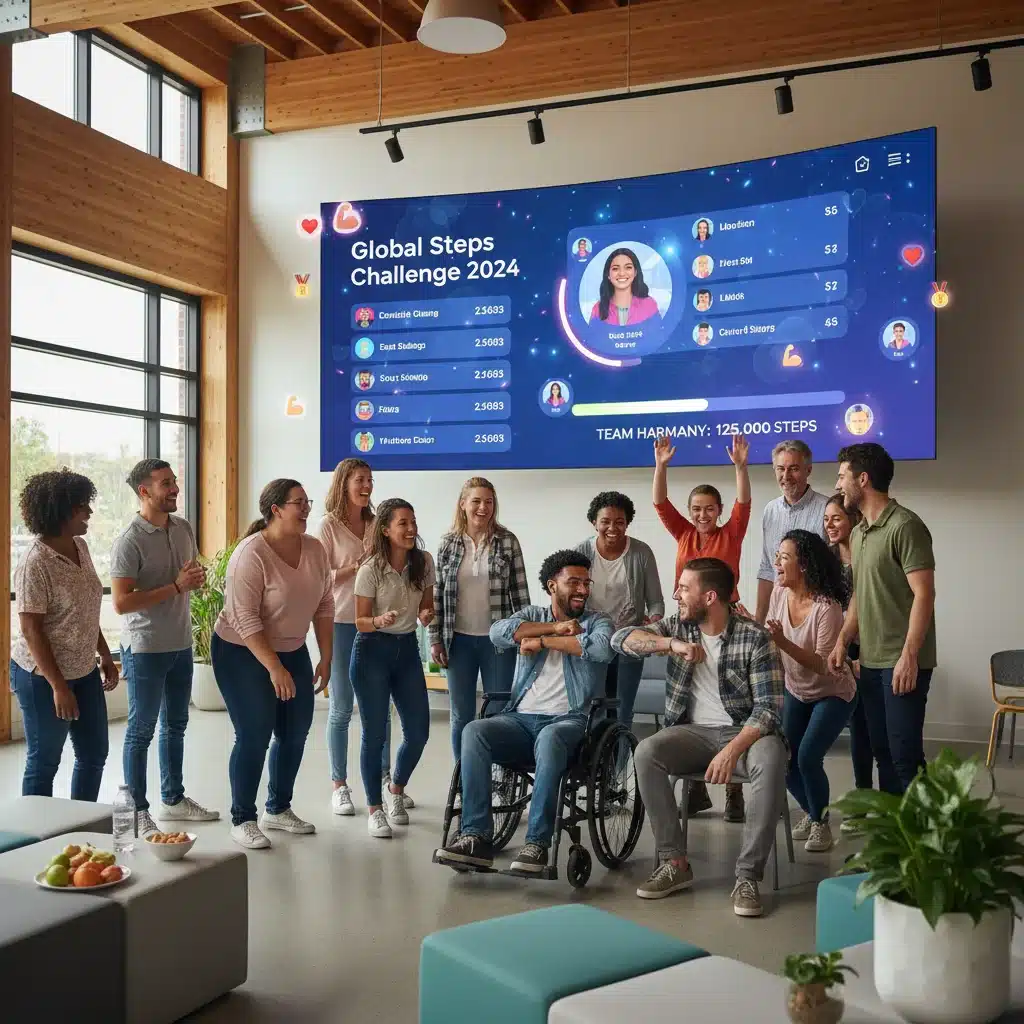
Companies are increasingly implementing gamified wellness platforms to encourage employees to adopt healthier lifestyles. These programs often feature team-based challenges, leaderboards, and rewards for activities like walking, healthy eating, or stress reduction. This not only improves employee health but also fosters a positive company culture.
Rehabilitation and Physical Therapy
Virtual reality (VR) and augmented reality (AR) are beginning to play a role in gamified rehabilitation. Patients can engage in interactive games that guide them through exercises, making repetitive therapy more enjoyable and effective, especially for conditions requiring motor skill recovery.
Designing Effective Gamified Digital Health Solutions
The success of digital health gamification hinges on thoughtful design. It’s not enough to simply add points and badges; the gamified elements must be integrated meaningfully and align with user goals and motivations. Key considerations include:
- Clear Goals and Feedback: Users need to understand what they need to do and see their progress clearly.
- Meaningful Rewards: Rewards should be perceived as valuable, whether intrinsic (sense of accomplishment) or extrinsic (virtual goods, discounts).
- Personalization: Tailoring challenges and content to individual needs and preferences increases relevance and engagement.
- Social Interaction: Opportunities for competition, collaboration, and social support can significantly boost motivation.
- Progression and Mastery: Systems that allow users to level up, unlock new features, or gain expertise keep them invested over time.
- Avoiding Over-Gamification: Too many game elements can become distracting or feel artificial. The focus should always remain on health outcomes.
- Ethical Considerations: Ensuring privacy, avoiding manipulative design, and promoting healthy competition are paramount.
Challenges and Considerations
Despite its immense potential, digital health gamification is not without its challenges. Addressing these will be crucial for widespread adoption and sustained success:
Data Privacy and Security
Health data is highly sensitive. Gamified platforms must adhere to strict privacy regulations (like HIPAA in the US) and ensure robust security measures to protect user information. Transparency about data usage is also vital for building trust.
Sustained Engagement vs. Novelty Effect
Initial enthusiasm for gamified features can wane over time. Designers must continuously innovate and introduce new challenges, rewards, and social features to maintain long-term engagement and prevent the ‘novelty effect’ from wearing off.
Accessibility and Digital Divide
Not everyone has access to smartphones, reliable internet, or the digital literacy required to fully engage with these platforms. Efforts must be made to ensure these solutions are accessible to a broad demographic, or to complement them with non-digital interventions.
Clinical Validation and Integration
For gamified health solutions to be truly impactful, they need clinical validation. Demonstrating their effectiveness through rigorous studies and seamlessly integrating them into existing healthcare workflows are crucial steps for widespread adoption by providers.
Ethical Design and Potential for Addiction
While aiming to motivate, designers must be mindful of not creating addictive behaviors or inadvertently promoting unhealthy comparisons. The goal is empowerment, not dependency.
The Future of Digital Health Gamification
The trajectory for digital health gamification is one of rapid evolution and increasing sophistication. Several trends are poised to shape its future:
AI and Personalized Experiences
Artificial intelligence will play an even greater role in personalizing gamified experiences. AI algorithms can analyze user data to offer highly customized challenges, adaptive difficulty levels, and predictive insights, making the experience more relevant and effective for each individual.
Integration with Wearables and IoT Devices
Seamless integration with a wider array of wearables and Internet of Things (IoT) devices will create a richer data ecosystem. Imagine smart scales, smart home sensors, and even smart clothing feeding data into gamified platforms, providing a holistic view of health and enabling more diverse challenges.
Virtual Reality (VR) and Augmented Reality (AR)
VR and AR will move beyond niche applications to offer immersive gamified health experiences. From virtual fitness classes in breathtaking environments to AR-guided rehabilitation exercises, these technologies promise to make health interventions more engaging and effective.
Prescription Digital Therapeutics (PDT)
Gamified elements are increasingly being incorporated into Prescription Digital Therapeutics (PDTs), which are software programs designed to treat medical conditions. As PDTs gain traction, gamification will become a critical component in ensuring patient adherence and efficacy for these clinically validated treatments.
Community and Social Health Networks
The social aspect of gamification will continue to grow, fostering vibrant online communities around health goals. This will include peer support groups, expert-led challenges, and even virtual team-based health competitions, leveraging the power of collective motivation.
Financial Incentives and Value-Based Care
As healthcare shifts towards value-based care models, there will be increased opportunities for gamified programs to offer tangible financial incentives for achieving health milestones, further aligning patient behavior with positive outcomes and cost savings.
Implementing Gamification in Your Wellness Program
For organizations looking to leverage the power of digital health gamification, a strategic approach is essential:
- Define Clear Objectives: What specific health behaviors or outcomes do you want to influence? (e.g., increased physical activity, better medication adherence, stress reduction).
- Understand Your Audience: What motivates your target users? Are they competitive, socially driven, or motivated by personal achievement?
- Choose the Right Platform: Select a digital health platform that offers robust gamification features or is customizable to integrate them.
- Design Engaging Mechanics: Implement a variety of game elements (points, badges, leaderboards, challenges, narrative) that are relevant to your objectives and audience.
- Provide Meaningful Rewards: Ensure rewards are desirable and align with user motivations. These can be virtual, social, or tangible.
- Iterate and Optimize: Continuously collect data, gather user feedback, and iterate on your gamified design to improve engagement and effectiveness.
- Ensure Data Security and Privacy: Prioritize the protection of sensitive health information and maintain transparency with users.
- Integrate with Existing Systems: Where possible, integrate the gamified platform with other health records or wellness tools for a seamless user experience.
The journey towards a 35% boost in patient engagement by 2026 is not just about technology; it’s about a fundamental shift in how we approach health and wellness. It’s about empowering individuals, making health management an active and enjoyable pursuit, and ultimately, building a healthier society.
Conclusion
The rise of digital health gamification represents a pivotal moment in healthcare. By strategically applying game-design principles to digital health platforms, we are unlocking unprecedented levels of patient engagement, driving better health outcomes, and fostering a more proactive approach to well-being. The projection of a 35% increase in engagement in US wellness programs by 2026 is not an ambitious dream but a tangible goal, achievable through continued innovation, ethical design, and a deep understanding of human motivation. As technology continues to advance, and our understanding of behavioral science deepens, gamified digital health solutions will undoubtedly play an increasingly central role in shaping a healthier future for all.
Embracing this transformation means moving beyond traditional healthcare models and recognizing the immense power of engagement. It means creating systems where individuals are not just patients but active participants, empowered to take ownership of their health journey with enthusiasm and sustained motivation. The future of health is interactive, personalized, and undeniably gamified.