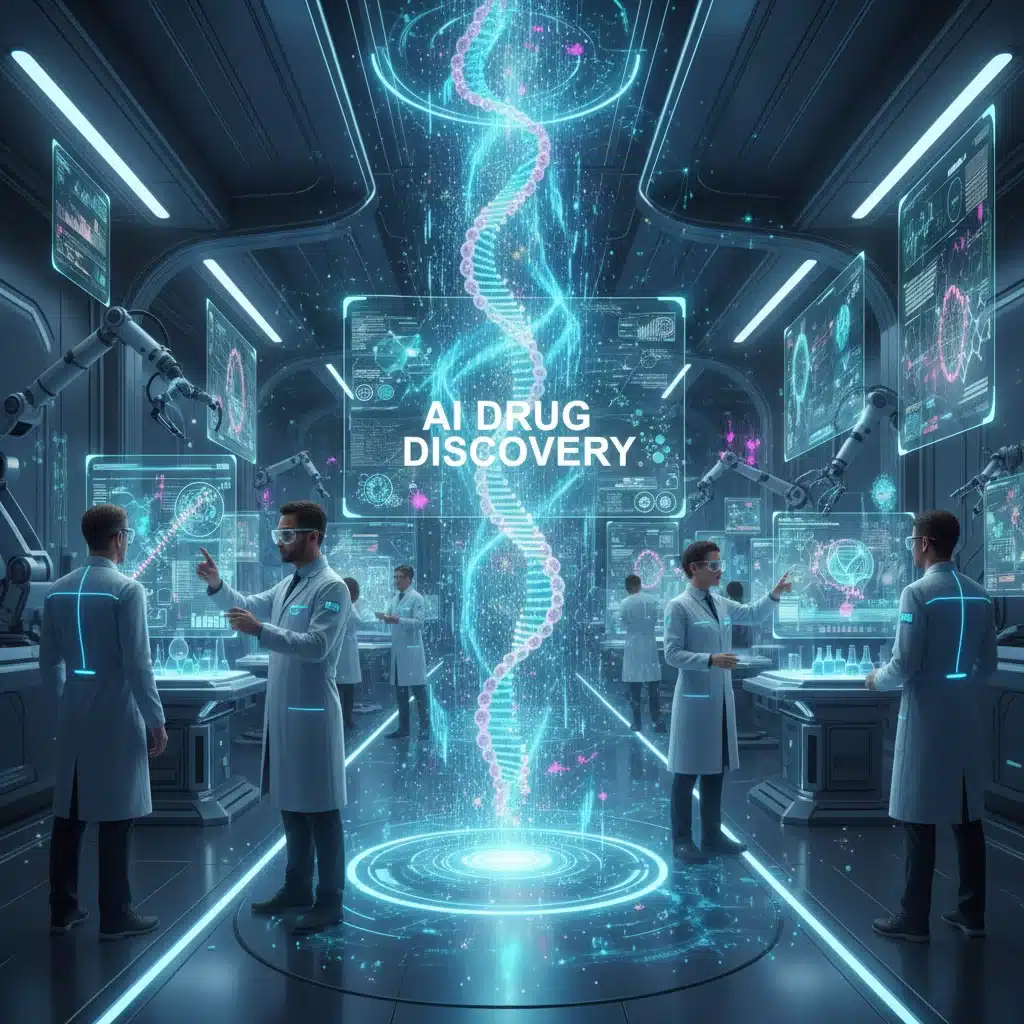
AI in Drug Discovery: Accelerating Development with 3 New US-Based Platforms in 2026
The landscape of pharmaceutical research and development is undergoing a seismic shift, largely driven by the burgeoning capabilities of artificial intelligence. For decades, drug discovery has been a notoriously lengthy, expensive, and often unpredictable endeavor. The traditional pipeline, from initial target identification to clinical trials and market approval, can span over a decade and cost billions of dollars, with a high rate of attrition. However, the advent of sophisticated AI and machine learning algorithms is poised to redefine this paradigm, offering unprecedented opportunities for efficiency, accuracy, and speed.
In 2026, the United States is set to witness the launch of three groundbreaking US-based platforms that promise to further accelerate the pace of AI drug discovery. These platforms represent the cutting edge of innovation, leveraging advanced computational power and vast datasets to tackle some of the most persistent challenges in medicine. This article delves into the transformative potential of AI in drug discovery, examines the specific contributions these new platforms are expected to make, and explores the broader implications for healthcare and the global pharmaceutical industry.
The Transformative Power of AI in Drug Discovery
Artificial intelligence, particularly machine learning and deep learning, is not just an incremental improvement; it’s a fundamental change in how we approach the complex problem of finding new treatments. The core challenge in drug discovery lies in identifying disease targets, synthesizing and screening millions of potential compounds, predicting their efficacy and toxicity, and optimizing their properties. Each of these steps is data-intensive and computationally demanding, making them ideal candidates for AI intervention.
Target Identification and Validation
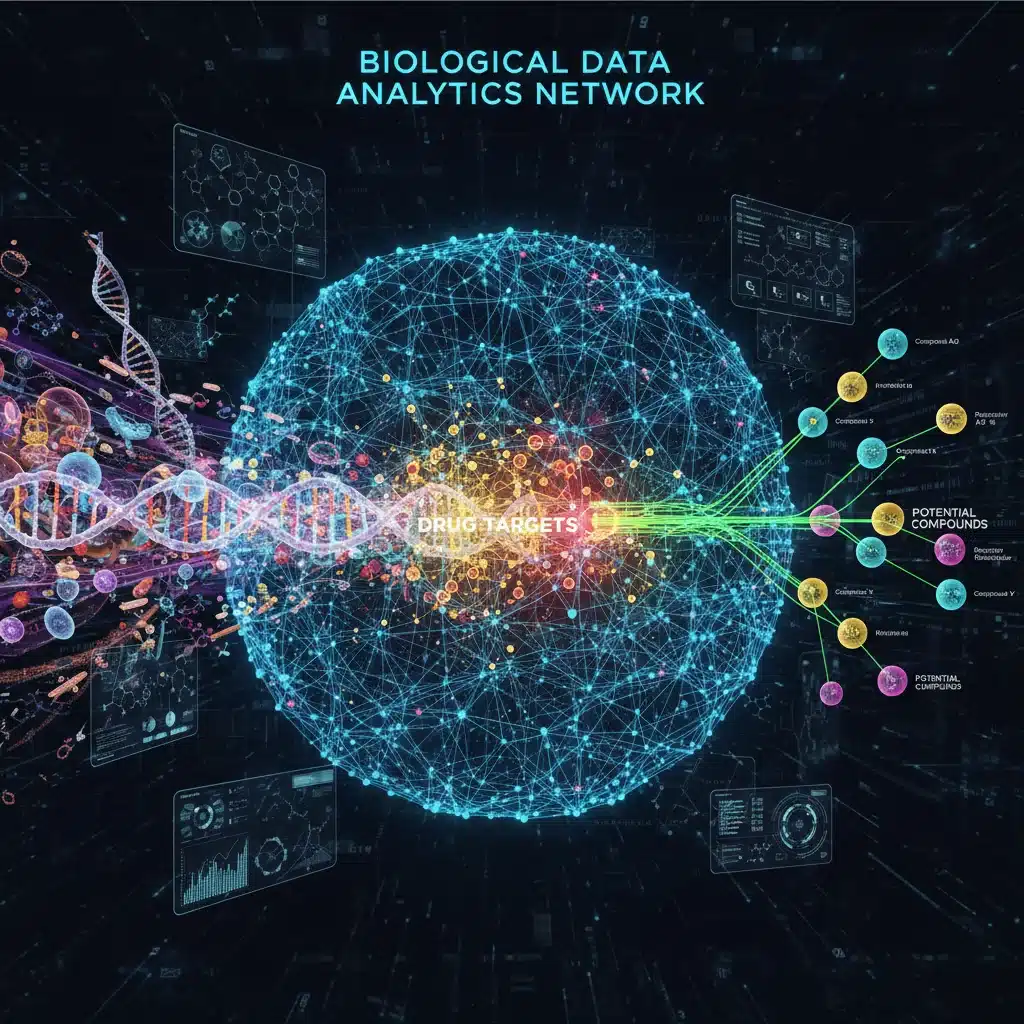
One of the earliest and most critical stages of drug discovery is identifying the biological targets responsible for a disease. Historically, this has been a slow process, often relying on serendipity and laborious experimental validation. AI algorithms can analyze vast quantities of genomic, proteomic, and clinical data to pinpoint novel disease pathways and identify promising molecular targets with much greater speed and precision. By sifting through complex biological networks, AI can reveal subtle relationships that human researchers might miss, leading to more effective and specific therapeutic interventions.
De Novo Drug Design and Synthesis
Once a target is identified, the next hurdle is designing molecules that can interact with it effectively. Traditional methods involve high-throughput screening of massive compound libraries, a process that is both resource-intensive and often yields suboptimal candidates. AI excels at de novo drug design, where it can generate novel molecular structures from scratch, optimized for specific properties like binding affinity, selectivity, and pharmacokinetic profiles. Generative AI models, for instance, can propose millions of chemically plausible compounds, dramatically expanding the chemical space explored and potentially leading to entirely new classes of drugs.
Predicting Efficacy and Toxicity
A major bottleneck in drug development is the high failure rate in preclinical and clinical trials, often due to lack of efficacy or unforeseen toxicity. AI models can learn from historical data to predict these outcomes much earlier in the process. By analyzing structural features of compounds, their interactions with biological systems, and existing toxicity databases, AI can flag potential issues before costly experimental validation, saving time and resources. This predictive power helps researchers prioritize the most promising candidates, increasing the likelihood of success in later stages.
Optimizing Clinical Trials and Patient Stratification
Even in clinical trials, AI is proving invaluable. It can help in identifying optimal patient populations for trials, predicting patient responses to therapies, and monitoring adverse events. By analyzing patient data, AI can stratify individuals into subgroups that are more likely to respond to a particular treatment, thereby improving trial success rates and personalizing medicine. This is particularly crucial for complex diseases where patient heterogeneity plays a significant role.
Introducing Three Pioneering US-Based AI Drug Discovery Platforms in 2026
The year 2026 is anticipated to be a landmark year for AI drug discovery, with the launch of several highly anticipated platforms. We will focus on three US-based entities that are poised to make significant contributions to the field, each bringing a unique approach to accelerating drug development.
1. Synapse Bio-AI: Precision Therapeutics for Neurological Disorders
Synapse Bio-AI, based out of Cambridge, Massachusetts, is set to launch its revolutionary platform aimed at neurological disorders. This platform integrates advanced neuroimaging data, genetic profiles, and patient-specific omics data to identify novel therapeutic targets and design precision molecules. Their approach leverages a proprietary deep learning architecture capable of analyzing complex, multi-modal biological data at an unprecedented scale. Synapse Bio-AI’s initial focus will be on Alzheimer’s and Parkinson’s diseases, areas where traditional drug discovery has seen limited success.
What sets Synapse Bio-AI apart is its emphasis on patient-specific modeling. By creating digital twins of patient brains, the platform can simulate disease progression and drug responses, allowing for highly personalized treatment strategies. This capability promises to significantly reduce the risk of trial failures by identifying the most responsive patient cohorts and optimizing drug candidates for specific genetic or phenotypic profiles. The company has already secured significant venture capital funding and is collaborating with leading academic institutions to validate its models.
2. Quantum Pharma-AI: Accelerating Small Molecule Development
Hailing from the vibrant tech hub of San Francisco, California, Quantum Pharma-AI is developing a platform that combines quantum computing principles with classical AI to supercharge small molecule drug discovery. Their unique methodology focuses on simulating molecular interactions with unparalleled accuracy, moving beyond traditional computational chemistry limitations. By integrating quantum algorithms, Quantum Pharma-AI aims to predict binding affinities, metabolic stability, and off-target effects with a level of precision previously unattainable.
The platform’s core strength lies in its ability to explore vast chemical spaces much more efficiently than conventional methods. This is particularly critical for discovering novel lead compounds that might otherwise be overlooked. Quantum Pharma-AI’s initial pipeline will target oncology and infectious diseases, areas where rapid development of new small molecules is desperately needed. Their technology could drastically cut down the time required for lead optimization, moving promising candidates into preclinical development at an accelerated pace. The company’s team comprises experts in quantum physics, machine learning, and medicinal chemistry, fostering a truly interdisciplinary approach to AI drug discovery.
3. ImmunoGenius AI: Revolutionizing Immunotherapy Design
Based in the biotechnology hotspot of Boston, Massachusetts, ImmunoGenius AI is dedicated to transforming the design and development of immunotherapies. Their platform utilizes advanced AI to analyze the complex interplay between cancer cells, the immune system, and therapeutic agents. By integrating single-cell RNA sequencing data, proteomics, and patient clinical outcomes, ImmunoGenius AI identifies novel immune checkpoints, predicts patient response to existing immunotherapies, and designs entirely new immunomodulatory compounds.
A key feature of ImmunoGenius AI is its ability to model the dynamic nature of the immune response, which is notoriously difficult to predict. The platform can simulate how different therapeutic strategies might re-educate the immune system to recognize and attack cancer cells more effectively. Their focus on personalized immunotherapy design has the potential to overcome resistance mechanisms and improve treatment efficacy for a wider range of cancers. ImmunoGenius AI is actively engaging with leading cancer research centers to integrate their platform into ongoing clinical studies, aiming for a significant impact on cancer treatment paradigms.
The Impact and Future Outlook of AI Drug Discovery
The emergence of these and other AI-driven platforms signifies a new era for pharmaceutical innovation. The potential benefits are far-reaching, impacting not only the industry but also, more importantly, patients worldwide.
Reduced Time and Cost
Perhaps the most immediate impact of AI in drug discovery is the potential to drastically reduce the time and cost associated with bringing new drugs to market. By automating and optimizing various stages of the discovery process, from target identification to lead optimization, AI can cut years off the development timeline and save billions in research expenditure. This efficiency gain means that more potential therapies can be explored, and successful drugs can reach patients faster.
Higher Success Rates
The high attrition rate in traditional drug development is a significant challenge. AI’s ability to predict efficacy and toxicity more accurately early on can lead to higher success rates in preclinical and clinical trials. By focusing resources on the most promising candidates, pharmaceutical companies can increase their return on investment and, more importantly, deliver more effective and safer medications.
Addressing Unmet Medical Needs
Many diseases, particularly rare diseases and complex conditions like neurodegenerative disorders, still lack effective treatments. The traditional drug discovery pipeline often struggles with these challenges due to limited data or intricate biological mechanisms. AI drug discovery, with its capacity to analyze vast, complex datasets and identify subtle patterns, offers new hope for addressing these unmet medical needs. The platforms mentioned above, with their specialized focus, exemplify this potential.
Personalized Medicine
The future of medicine is increasingly personalized. AI plays a crucial role in this by enabling the development of therapies tailored to an individual’s genetic makeup, lifestyle, and disease characteristics. By analyzing patient-specific data, AI can help design drugs that are not only effective but also minimize adverse reactions, leading to more precise and impactful treatments.

Challenges and Ethical Considerations
While the promise of AI drug discovery is immense, it’s essential to acknowledge the challenges and ethical considerations that accompany this technological revolution. Data quality and access remain critical; AI models are only as good as the data they are trained on. Ensuring diverse, high-quality, and unbiased datasets is paramount to avoid perpetuating existing health disparities.
Ethical concerns also arise regarding the transparency and interpretability of AI models, often referred to as the ‘black box’ problem. In drug development, where patient safety is paramount, understanding why an AI makes a particular prediction is crucial. Researchers are actively working on developing explainable AI (XAI) techniques to address this. Regulatory frameworks will also need to evolve to keep pace with the rapid advancements in AI-driven drug discovery, ensuring both innovation and patient protection.
Conclusion
The integration of AI in drug discovery is not merely a trend; it’s a fundamental transformation that is reshaping the future of medicine. The launch of innovative US-based platforms like Synapse Bio-AI, Quantum Pharma-AI, and ImmunoGenius AI in 2026 underscores the accelerating pace of this revolution. These platforms, each with its specialized focus, are set to tackle some of the most challenging diseases, promising faster, more efficient, and more personalized therapeutic solutions.
As AI continues to mature and integrate more deeply into every stage of the pharmaceutical pipeline, we can anticipate a future where drug development is not only faster and more cost-effective but also more successful in delivering life-changing treatments to patients worldwide. The journey of AI drug discovery is just beginning, and the innovations emerging from the US are poised to lead the way into this exciting new chapter of healthcare.