
Wearable Health Tech: Maximizing Benefits and Understanding US Regulatory Changes for 2026 Adoption
The landscape of personal health management is undergoing a profound transformation, largely driven by the rapid advancements in wearable health tech. From smartwatches tracking our sleep patterns to continuous glucose monitors providing real-time insights, these devices are empowering individuals to take a more proactive role in their well-being. However, as this technology becomes more sophisticated and integrated into medical care, the regulatory environment must evolve to ensure safety, efficacy, and data privacy. The United States, in particular, is bracing for significant regulatory changes in 2026 that will reshape how wearable health tech is developed, approved, and utilized.
This comprehensive article will delve into the myriad benefits of wearable health tech, exploring how it’s revolutionizing everything from fitness tracking to chronic disease management. More importantly, we will dissect the upcoming US regulatory changes slated for 2026, providing crucial insights into what these shifts mean for consumers, healthcare providers, and innovators in the digital health space. Understanding these regulations is not just about compliance; it’s about safeguarding the future of personalized medicine and maximizing the potential of these life-changing devices.
The Rise of Wearable Health Tech: A Revolution in Personal Wellness
The proliferation of wearable health tech over the past decade has been nothing short of astounding. What started as simple pedometers has evolved into sophisticated ecosystems capable of monitoring a vast array of physiological parameters. These devices offer unprecedented access to personal health data, moving beyond episodic doctor visits to continuous, real-time insights into our bodies.
Empowering Individuals with Data
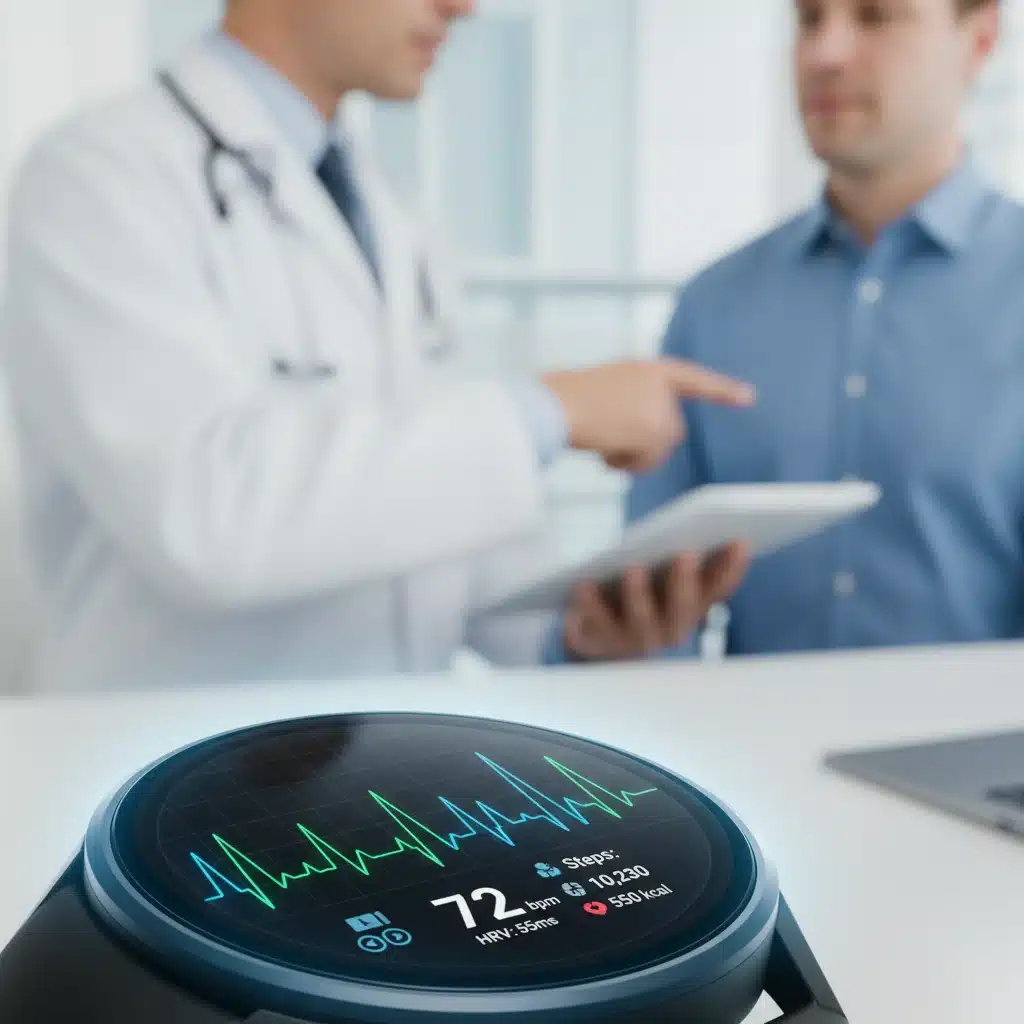
One of the most significant benefits of wearable health tech is its ability to empower individuals. By providing accessible data on metrics like heart rate, sleep quality, activity levels, and even stress indicators, people can make more informed decisions about their lifestyle. This self-awareness fosters healthier habits, encourages regular physical activity, and can lead to early detection of potential health issues. For example, a smartwatch detecting an irregular heart rhythm can prompt a user to seek medical attention, potentially preventing a more serious cardiac event.
Revolutionizing Fitness and Performance
For fitness enthusiasts and athletes, wearable health tech has become an indispensable tool. Devices track calories burned, steps taken, distance covered, and even advanced metrics like VO2 max and running dynamics. This data allows users to optimize their training regimens, set realistic goals, and monitor progress effectively. Beyond individual performance, team sports are increasingly leveraging wearables to monitor player health, prevent injuries, and enhance strategic play.
Chronic Disease Management and Prevention
Perhaps the most impactful application of wearable health tech lies in chronic disease management. For conditions like diabetes, hypertension, and heart disease, continuous monitoring is crucial. Devices such as continuous glucose monitors (CGMs) provide real-time blood sugar readings, allowing diabetics to manage their condition with greater precision and avoid dangerous fluctuations. Similarly, smart blood pressure cuffs and ECG-enabled wearables allow patients to track vital signs from the comfort of their homes, sharing data seamlessly with their healthcare providers. This proactive approach can significantly improve patient outcomes, reduce hospitalizations, and enhance quality of life.
Mental Health and Stress Management
The benefits extend beyond physical health to mental well-being. Many wearable health tech devices now incorporate features designed to monitor stress levels through heart rate variability (HRV) and offer guided breathing exercises or mindfulness prompts. By providing objective data on stress and offering tools for mitigation, these wearables are playing an increasingly important role in promoting mental resilience and combating the effects of chronic stress.
Enhancing Sleep Quality
Sleep is a cornerstone of good health, and wearable health tech has revolutionized our understanding and management of it. Devices track sleep stages (light, deep, REM), duration, awakenings, and even breathing disturbances. This detailed information allows users to identify patterns, understand the impact of lifestyle choices on their sleep, and implement strategies to improve sleep hygiene, ultimately leading to better rest and overall health.
The integration of wearable health tech into our daily lives is not just a trend; it’s a fundamental shift in how we approach health. However, as these devices become more integral to medical decision-making and patient care, the need for robust regulatory frameworks becomes paramount.
Navigating the Evolving Regulatory Landscape: US Changes for 2026
The rapid innovation in wearable health tech has often outpaced the regulatory mechanisms designed to govern traditional medical devices. As these devices move from consumer gadgets to tools used for diagnosis, treatment, or mitigation of disease, they increasingly fall under the purview of regulatory bodies like the U.S. Food and Drug Administration (FDA). The year 2026 is anticipated to be a pivotal moment for wearable health tech in the US, with significant regulatory shifts expected to formalize and streamline the approval processes, ensuring both innovation and patient safety.
The Current Regulatory Framework: A Patchwork Approach
Currently, the regulatory status of wearable health tech in the US can be complex. Many devices are marketed as "wellness devices" and fall outside strict FDA oversight, as long as they do not make medical claims. However, as soon as a device claims to diagnose, treat, cure, or prevent a disease, it typically becomes subject to FDA regulation as a medical device. This distinction has led to a nuanced and sometimes confusing landscape.
The FDA classifies medical devices into three classes (I, II, and III) based on their potential risk to the patient and the level of control needed to ensure their safety and effectiveness. Most wearable health tech with medical claims falls into Class II, requiring 510(k) premarket notification, or in some cases, the more stringent Class III, requiring Premarket Approval (PMA).
Anticipated Changes in 2026: A More Defined Path
While specific legislative details are still being finalized and debated, the general direction of US regulatory changes for wearable health tech by 2026 points towards a more structured and comprehensive approach. These changes are driven by several factors:
- Increased Medical Claims: More wearable health tech devices are moving beyond simple data tracking to offering diagnostic or therapeutic functionalities.
- Data Privacy and Security Concerns: The sensitive nature of health data collected by wearables necessitates stronger regulations around privacy and cybersecurity.
- Interoperability and Integration: As wearables integrate with Electronic Health Records (EHRs) and other healthcare systems, standards for data exchange and interoperability become critical.
- AI and Machine Learning Integration: Many advanced wearables leverage AI for data analysis and predictive insights, introducing new regulatory challenges for algorithmic bias and validation.
Key areas of focus for the 2026 regulatory updates are expected to include:
1. Clearer Definition of "Medical Device" for Digital Health
The FDA is likely to provide more explicit guidance on what constitutes a "medical device" in the context of digital health, particularly for software as a medical device (SaMD) and wearable health tech. This clarity will help manufacturers understand whether their product requires FDA approval from the outset, reducing ambiguity and fostering more predictable development cycles.
2. Streamlined Review Pathways for Low-Risk Devices
To encourage innovation, there’s a strong push to create more agile and streamlined review pathways for low-risk wearable health tech that offers significant public health benefits. This could involve expanding programs like the Digital Health Software Precertification (Pre-Cert) program, which aims to assess the quality and organizational excellence of software developers rather than individual products, allowing for faster market entry for trusted companies.
3. Enhanced Focus on Data Security and Privacy (HIPAA Compliance)
With the increasing volume of sensitive health data collected by wearables, stricter enforcement and possibly expanded scope of HIPAA (Health Insurance Portability and Accountability Act) compliance will be crucial. Manufacturers will need to demonstrate robust cybersecurity measures and transparent data handling practices to protect user information from breaches and misuse. This will likely involve more rigorous auditing and certification requirements.
4. Validation of Algorithms and AI in Diagnostics
As wearable health tech increasingly incorporates AI and machine learning for diagnostic purposes (e.g., detecting arrhythmias, predicting glucose spikes), regulators will demand more stringent validation of these algorithms. This includes demonstrating clinical accuracy, robustness against bias, and transparency in how decisions are made by the AI. This is a complex area, as AI models can evolve, requiring continuous monitoring and re-validation.
5. Interoperability Standards and Data Exchange
To truly integrate wearable health tech into the broader healthcare ecosystem, standardized approaches to data exchange and interoperability are essential. The 2026 regulations are expected to push for greater adoption of common data formats and APIs, enabling seamless sharing of data between wearables, EHRs, and other health platforms, ultimately improving coordinated care.
6. Post-Market Surveillance and Real-World Evidence
The FDA is likely to strengthen its post-market surveillance requirements for wearable health tech. This means manufacturers will need to continuously monitor the performance and safety of their devices once they are on the market, collecting real-world evidence (RWE) to demonstrate ongoing efficacy and identify any unforeseen issues. This iterative approach ensures that devices remain safe and effective over their lifecycle.
Impacts of the 2026 Regulatory Changes
These anticipated changes will have far-reaching implications for various stakeholders:
For Manufacturers and Innovators:
- Increased Development Costs: Meeting more stringent regulatory requirements, especially for clinical validation and cybersecurity, will likely increase the cost and time involved in bringing new wearable health tech to market.
- Greater Clarity: While challenging, clearer guidelines will ultimately provide a more predictable pathway for innovation, reducing uncertainty and fostering more targeted R&D.
- Focus on Quality and Safety: The emphasis on robust testing, data privacy, and algorithmic validation will push manufacturers to prioritize quality and patient safety above all else.
- Competitive Advantage: Companies that successfully navigate these new regulations will gain a significant competitive advantage, building trust with consumers and healthcare providers.
For Healthcare Providers:
- Increased Trust in Devices: With more rigorous FDA oversight, healthcare providers can have greater confidence in the clinical validity and reliability of wearable health tech used in patient care.
- Enhanced Patient Monitoring: Standardized data formats and improved interoperability will allow for easier integration of wearable data into EHRs, facilitating remote patient monitoring and personalized treatment plans.
- Training and Education: Healthcare professionals will need training to effectively interpret and utilize the vast amounts of data generated by wearables, and to understand the regulatory nuances.
For Consumers and Patients:
- Greater Safety and Efficacy: The primary beneficiary of these regulations will be the end-user. Stricter oversight means that wearable health tech making medical claims will be more thoroughly vetted, ensuring they are safe and effective.
- Improved Data Privacy: Enhanced data security and privacy regulations will offer greater protection for sensitive health information, building trust in these technologies.
- Access to Reliable Information: Consumers will be better able to differentiate between wellness devices and regulated medical devices, making more informed choices about their health tools.

Maximizing the Benefits of Wearable Health Tech Amidst Regulatory Change
Despite the complexities of evolving regulations, the core value proposition of wearable health tech remains incredibly strong. To fully maximize these benefits, both individuals and the industry need to adapt.
For Individuals:
- Understand Your Device: Read the instructions and understand what your wearable health tech is designed to do. Differentiate between wellness tracking and medical monitoring.
- Consult Your Doctor: If you are using a wearable for medical purposes or have concerns based on its data, always consult with your healthcare provider. Do not self-diagnose or alter treatment plans based solely on wearable data.
- Be Mindful of Data Privacy: Understand how your data is collected, stored, and shared. Opt for devices and apps that prioritize strong privacy settings and transparent data policies.
- Stay Informed: Keep an eye on updates regarding device approvals and regulatory changes, especially for devices you rely on for health management.
For the Wearable Health Tech Industry:
- Proactive Regulatory Strategy: Engage with regulatory bodies early in the development cycle. Design products with compliance in mind from the ground up, rather than as an afterthought.
- Invest in Clinical Validation: For devices making medical claims, robust clinical trials and real-world evidence collection will be non-negotiable. This builds credibility and facilitates regulatory approval.
- Prioritize Cybersecurity: Implement industry-leading cybersecurity measures to protect sensitive patient data. Regular audits and updates will be essential.
- Foster Interoperability: Design devices and software to be compatible with existing healthcare IT infrastructure, promoting seamless data exchange and integration.
- Transparency with Consumers: Clearly communicate the intended use, limitations, and regulatory status of products to consumers. Build trust through honest and accessible information.
The Future of Wearable Health Tech: Beyond 2026
The regulatory changes anticipated in 2026 are not an endpoint but rather a crucial step in the ongoing evolution of wearable health tech. Looking beyond this horizon, we can expect several trends to continue shaping the industry:
- Miniaturization and Integration: Devices will become smaller, less obtrusive, and more seamlessly integrated into everyday items, potentially even clothing or contact lenses.
- Personalized Prevention: AI-powered analytics will move beyond detection to predictive capabilities, offering highly personalized preventative health recommendations based on individual genetic predispositions, lifestyle, and real-time biometric data.
- Telemedicine and Remote Care Expansion: Wearables will become even more central to remote patient monitoring programs, enabling doctors to manage chronic conditions and provide care to patients in rural or underserved areas more effectively.
- Ethical AI and Data Governance: As AI becomes more sophisticated, there will be an increased focus on ethical AI development, ensuring fairness, accountability, and transparency in health algorithms. Data governance frameworks will also continue to evolve to balance innovation with individual rights.
- Global Harmonization: While this article focuses on US regulations, there will be a continued push for greater global harmonization of regulatory standards for digital health, facilitating international market access for innovative wearable health tech.
Conclusion
The journey of wearable health tech is one of immense promise, offering unprecedented opportunities to enhance personal wellness, manage chronic diseases, and fundamentally change how we interact with our health. The benefits – from empowering individuals with data to revolutionizing chronic care – are undeniable and continue to expand.
However, this innovation must be tempered with robust regulatory oversight to ensure safety, efficacy, and trust. The anticipated US regulatory changes in 2026 represent a critical juncture, aiming to provide a clearer, more secure, and ultimately more effective framework for this rapidly evolving sector. While these changes will undoubtedly present challenges for manufacturers, they are essential for fostering a sustainable and trustworthy digital health ecosystem.
By understanding and adapting to these shifts, all stakeholders – from innovators to healthcare providers and individual users – can collectively maximize the profound benefits of wearable health tech, paving the way for a healthier, more connected future.
The era of proactive, personalized health is here, and wearable health tech, guided by thoughtful regulation, is at its very heart.