5G Remote Surgery 2026: Revolutionizing US Healthcare
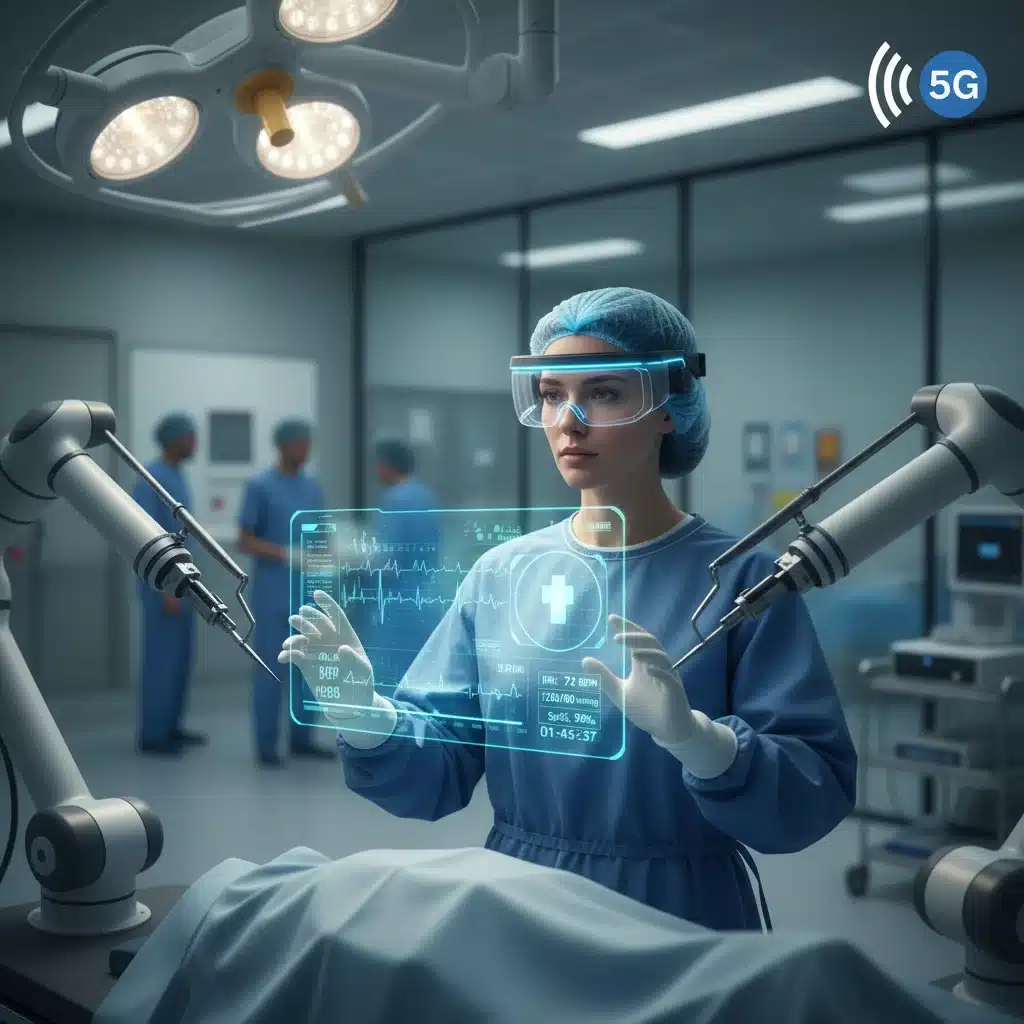
The Role of 5G in Advancing Remote Surgery: A 2026 Perspective for US Healthcare
The landscape of healthcare is in a perpetual state of evolution, driven by technological advancements that promise to redefine patient care. Among these innovations, 5G technology stands out as a true game-changer, particularly in the realm of remote surgery. By 2026, the United States healthcare system is poised to witness a significant transformation, with 5G remote surgery becoming an increasingly viable and impactful reality. This article delves into how 5G is not just enhancing, but fundamentally reshaping surgical practices, expanding access to specialized care, and improving patient outcomes across the nation.
Understanding 5G: The Foundation for Remote Surgical Innovation
To fully grasp the potential of 5G remote surgery, it’s essential to understand the core capabilities that set 5G apart from its predecessors. The fifth generation of cellular technology brings three critical advancements to the forefront: ultra-low latency, massive bandwidth, and enhanced reliability. These pillars are not merely incremental improvements; they represent a paradigm shift in how data is transmitted and processed, making real-time, high-stakes applications like remote surgery feasible.
Ultra-Low Latency: Bridging the Distance in Real-Time
Latency, the delay between a command and its execution, is perhaps the most critical factor in remote surgery. In traditional networks, even a few hundred milliseconds of delay can be catastrophic, leading to imprecise movements and compromising patient safety. 5G, with its theoretical latency as low as 1 millisecond, effectively eliminates this barrier. This near-instantaneous response time ensures that a surgeon’s precise hand movements, executed hundreds or thousands of miles away, are translated to robotic instruments with virtually no perceptible lag. This level of responsiveness is crucial for delicate surgical procedures where every millisecond counts, allowing surgeons to feel as though they are operating directly on the patient, regardless of physical distance. The implications for critical procedures, such as neurosurgery or complex cardiac interventions, are profound, enabling specialists to operate on patients in remote or underserved areas without the need for physical travel.
Massive Bandwidth: High-Definition Data at Your Fingertips
Surgical procedures generate an enormous amount of data, from high-resolution video feeds of the surgical site to real-time patient vital signs, diagnostic images, and even haptic feedback. Previous network generations struggled to transmit such vast quantities of data without compression, which could lead to a loss of detail. 5G’s massive bandwidth capacity, capable of supporting multi-gigabit speeds, ensures that surgeons receive uncompressed, high-definition visual and sensory information. This richness of detail is vital for accurate diagnosis, precise surgical planning, and confident execution. Imagine a surgeon needing to identify a minute anomaly or navigate a complex anatomical structure; 5G provides the crystal-clear visuals necessary for such intricate tasks, enhancing situational awareness and reducing the risk of errors.
Enhanced Reliability and Network Slicing: A Dedicated Surgical Highway
Beyond speed and low latency, the reliability of the network is non-negotiable for remote surgical applications. 5G offers enhanced reliability, ensuring consistent and uninterrupted connectivity. Furthermore, 5G’s innovative network slicing capability allows for the creation of dedicated virtual networks tailored to specific applications. For remote surgery, this means a ‘slice’ of the 5G network can be reserved, guaranteeing priority bandwidth and ultra-low latency, free from congestion or interference from other network traffic. This dedicated, high-performance channel provides the robust and secure foundation necessary for life-critical operations, instilling confidence in both medical professionals and patients.
The Vision for 5G Remote Surgery in US Healthcare by 2026
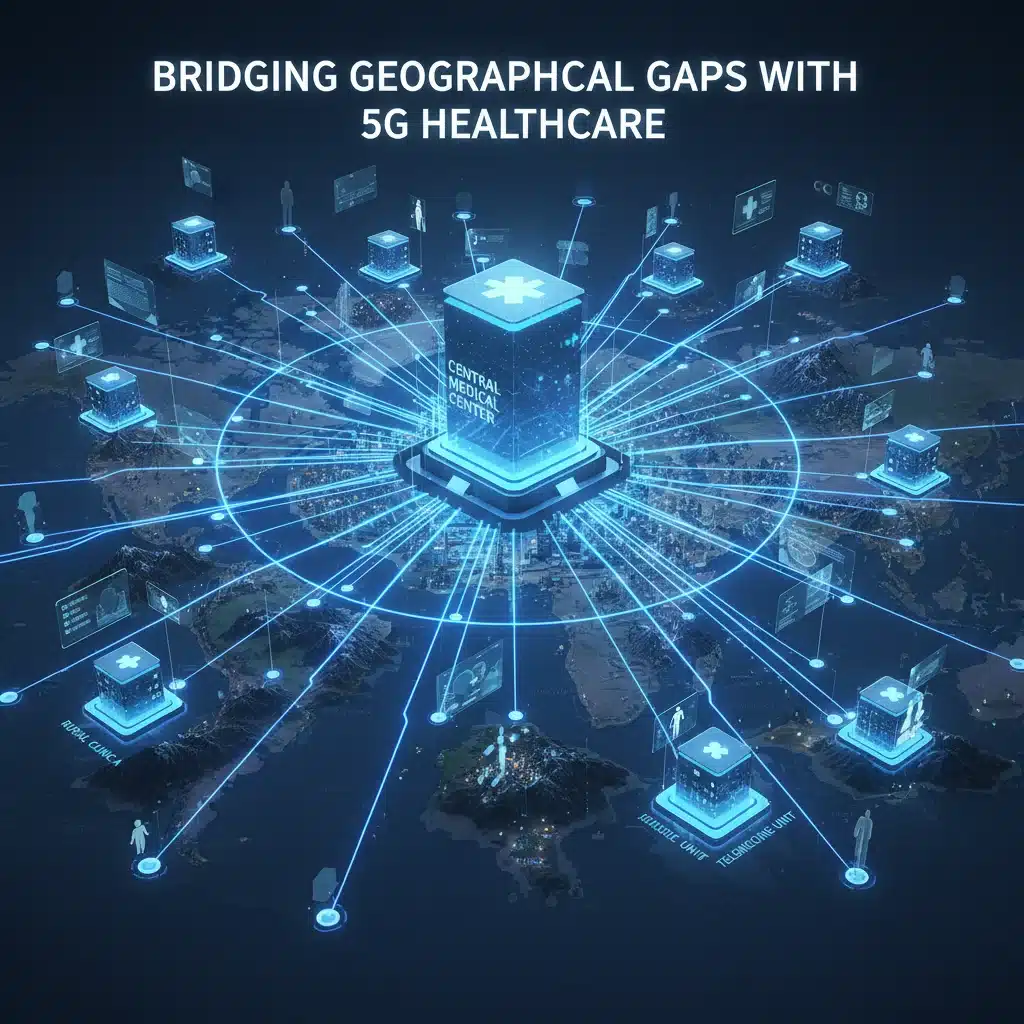
By 2026, the integration of 5G into US healthcare will have moved beyond pilot programs and into more widespread adoption, particularly in specialized surgical fields. The vision is one where geographical barriers diminish, and access to world-class surgical expertise becomes more equitable.
Expanding Access to Specialized Care
One of the most significant benefits of 5G remote surgery is its potential to democratize access to specialized medical care. In the US, many rural and underserved communities lack immediate access to highly specialized surgeons. Patients often face long travel distances, significant costs, and delays in receiving critical treatment. With 5G, a specialist located in a major metropolitan hospital could perform a complex procedure on a patient in a rural clinic, using robotic systems. This not only saves patients time and money but also ensures timely intervention for conditions where early treatment is crucial. This expansion of access is particularly vital for specialties like neurosurgery, cardiac surgery, and oncology, where expert intervention can dramatically alter patient outcomes.
Training and Education: A New Era of Surgical Learning
5G remote surgery isn’t just for treating patients; it’s also set to revolutionize surgical training and education. Expert surgeons can mentor and guide junior surgeons in real-time, even if they are in different operating theaters or different cities. High-definition video feeds, augmented reality (AR) overlays, and haptic feedback can create immersive training experiences. By 2026, surgical residencies could incorporate remote learning modules where trainees observe and even assist in procedures under the virtual guidance of master surgeons. This not only accelerates learning but also standardizes best practices across institutions, leading to a more skilled and uniformly trained surgical workforce.
Emergency Response and Disaster Relief
In emergency situations or disaster zones, immediate access to surgical expertise can be the difference between life and death. 5G-enabled mobile surgical units, equipped with robotic systems, could be deployed to remote or affected areas. Expert surgeons could then provide critical care remotely, guiding on-site medical personnel through complex procedures. The rapid deployment and low-latency communication capabilities of 5G would ensure that even in challenging environments, high-quality surgical intervention is possible, minimizing casualties and improving recovery rates.
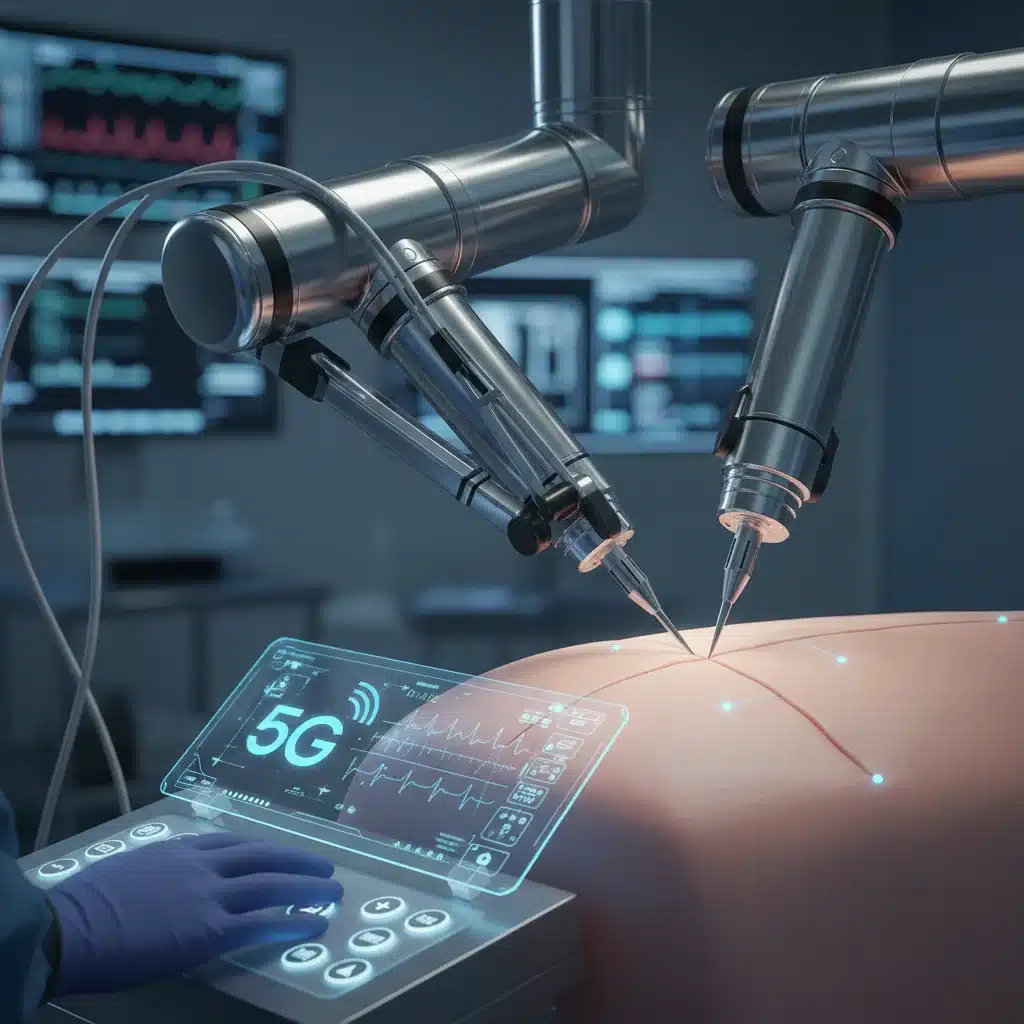
Key Technologies Powering 5G Remote Surgery
The success of 5G remote surgery relies on the convergence of several advanced technologies, each playing a crucial role in the overall ecosystem.
Advanced Robotic Surgical Systems
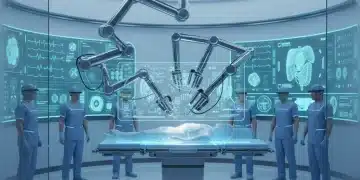
Robotic surgical systems, such as the da Vinci Surgical System, have been foundational to the development of minimally invasive surgery. With 5G, these systems become even more powerful. The ultra-low latency allows for finer control and more intuitive operation, reducing the learning curve for surgeons and enhancing precision. Future robotic systems will likely integrate more advanced AI capabilities, allowing for predictive analytics during surgery and even semi-autonomous functions under the direct supervision of a human surgeon. The haptic feedback mechanisms will become more sophisticated, transmitting tactile sensations from the robotic instruments back to the surgeon’s console, providing a more immersive and realistic operating experience.
Augmented Reality (AR) and Virtual Reality (VR)
AR and VR technologies are set to play a pivotal role in enhancing the surgeon’s experience during 5G remote surgery. AR overlays can display real-time patient data, 3D anatomical models, and surgical guides directly within the surgeon’s field of view. This contextual information can significantly improve decision-making and precision. VR, on the other hand, can be used for pre-operative planning, allowing surgeons to virtually ‘rehearse’ complex procedures before stepping into the operating room. Both AR and VR require substantial bandwidth and low latency to function effectively, making 5G the ideal enabler for these immersive surgical tools.
Artificial Intelligence and Machine Learning
AI and machine learning algorithms are increasingly being integrated into surgical workflows. In the context of 5G remote surgery, AI can assist in image analysis, anomaly detection, and even predicting potential complications. During a remote procedure, AI could monitor the surgeon’s movements and provide real-time feedback, or suggest optimal pathways for instrument insertion. Machine learning models, trained on vast datasets of surgical procedures, can offer insights that enhance efficiency and safety. The ability of 5G to rapidly transmit and process large volumes of data is crucial for these AI-driven applications to function effectively in real-time.
Challenges and Considerations for Widespread Adoption by 2026
While the promise of 5G remote surgery is immense, several challenges must be addressed to ensure its widespread and safe adoption across US healthcare by 2026.
Regulatory and Ethical Frameworks
The introduction of 5G remote surgery raises complex regulatory and ethical questions. Who is liable if a complication arises during a remote procedure? How will cross-state licensing for surgeons be managed when geographical boundaries are transcended? Regulatory bodies like the FDA will need to establish clear guidelines for the approval and use of 5G-enabled surgical devices and platforms. Ethical considerations regarding patient consent, data privacy, and the ‘human touch’ in surgery also need careful deliberation. By 2026, we anticipate significant progress in establishing these frameworks, but they remain a critical area of focus.
Infrastructure Development and Investment
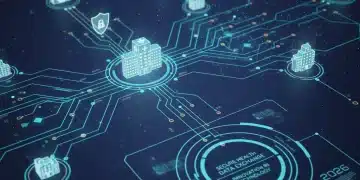
The full potential of 5G remote surgery can only be realized with robust 5G infrastructure. While 5G deployment is accelerating in urban areas, coverage in rural and remote regions, where the technology is arguably most needed, still requires significant investment. Hospitals and healthcare facilities will also need to upgrade their internal networks to support 5G connectivity. Government initiatives, private sector investments, and public-private partnerships will be crucial in ensuring equitable access to 5G infrastructure across the US.
Cybersecurity and Data Privacy
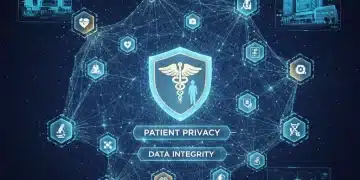
The transmission of sensitive patient data and critical surgical commands over a network, even a secure 5G network, presents cybersecurity risks. Protecting against cyberattacks, data breaches, and unauthorized access is paramount. Robust encryption, multi-factor authentication, and continuous monitoring will be essential. Healthcare providers must implement stringent cybersecurity protocols, and 5G network providers must ensure the highest levels of security in their infrastructure. The integrity and confidentiality of patient information and the surgical process itself must be guaranteed.
Training and Acceptance by Medical Professionals
While younger generations of medical professionals may be more amenable to new technologies, there will still be a need for comprehensive training programs to familiarize surgeons and support staff with 5G remote surgery platforms. Overcoming skepticism and building confidence in the technology will be crucial for widespread adoption. Demonstrating the safety, efficacy, and benefits through rigorous clinical trials and successful implementations will be key to gaining acceptance within the medical community.
Impact on Patient Care and Outcomes
Ultimately, the driving force behind the adoption of 5G remote surgery is the profound positive impact it can have on patient care and outcomes.
Improved Access to Life-Saving Procedures
For patients in remote areas or those with rare conditions requiring highly specialized surgeons, 5G remote surgery can be life-saving. It eliminates the need for arduous and costly travel, allowing patients to receive timely and expert care closer to home. This improved access can lead to earlier diagnosis, prompt treatment, and better prognoses for a wide range of conditions.
Reduced Costs and Enhanced Efficiency
While initial investments in 5G infrastructure and robotic systems are substantial, in the long run, remote surgery can lead to cost efficiencies. Reduced patient travel, optimized use of operating room time, and the ability to leverage a smaller pool of highly specialized surgeons across a wider geographical area can contribute to lower healthcare costs. Furthermore, the ability to perform procedures more efficiently can lead to shorter hospital stays and faster recovery times, benefiting both patients and the healthcare system.
Enhanced Surgical Precision and Safety
The combination of ultra-low latency 5G, advanced robotic systems, and AI-powered assistance promises to enhance surgical precision and safety. Surgeons can perform complex maneuvers with greater accuracy, potentially leading to less invasive procedures, reduced blood loss, faster healing, and fewer post-operative complications. The real-time data and feedback loops enabled by 5G further contribute to a safer surgical environment.
The Future Beyond 2026: What’s Next for 5G in Healthcare?
While 2026 marks a significant milestone for 5G remote surgery, the journey of 5G in healthcare will continue to evolve. Beyond direct surgical applications, 5G will enable a host of other transformative healthcare solutions:
- Remote Diagnostics and Monitoring: Real-time transmission of high-definition medical images (MRI, CT scans) and continuous patient vital sign monitoring from remote locations, facilitating quicker diagnoses and proactive care.
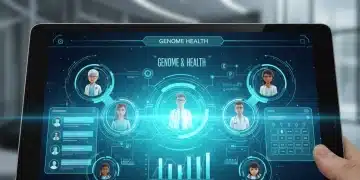
- Personalized Medicine: Leveraging AI and massive data sets, powered by 5G, to develop highly personalized treatment plans based on individual patient genomics and health profiles.
- Connected Ambulances and Emergency Services: Providing paramedics with real-time access to hospital specialists, transmitting live video feeds and patient data from ambulances, allowing for pre-hospital diagnosis and treatment planning.
- Virtual Hospitals and Home Care: Enabling a shift towards more home-based care models, with continuous remote monitoring, virtual consultations, and even remote assistance for complex at-home medical procedures.
Conclusion: A New Era of Surgical Excellence
By 2026, 5G remote surgery will no longer be a futuristic concept but a tangible reality transforming US healthcare. The unparalleled capabilities of 5G—ultra-low latency, massive bandwidth, and enhanced reliability—are creating an ecosystem where geographical boundaries no longer dictate access to life-saving surgical expertise. While challenges in regulation, infrastructure, and acceptance remain, the trajectory is clear: 5G is paving the way for a new era of surgical excellence, expanding access, enhancing precision, and ultimately improving patient outcomes across the United States. As we move closer to 2026, the collaboration between technology innovators, healthcare providers, and policymakers will be crucial in fully realizing the transformative potential of 5G remote surgery, bringing advanced medical care to every corner of the nation.