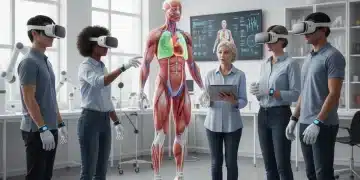
Future of Robotic Surgery: 2026 Trends & US Healthcare Impact

The landscape of modern medicine is constantly evolving, with technological advancements pushing the boundaries of what’s possible in patient care. Among these innovations, robotic surgery stands out as a transformative force, reshaping surgical procedures and improving patient outcomes. As we look towards 2026, the robotic surgery trends are set to accelerate, bringing with them a wave of new capabilities and challenges for US healthcare systems. This article delves into these emerging trends, exploring their potential impact on surgical practices, patient access, and the overall healthcare economy.
The Evolution of Robotic Surgery: A Brief Retrospective
Before we project into the future, it’s essential to understand the journey of robotic surgery. Initially introduced in the late 1980s and gaining significant traction with the da Vinci Surgical System in the early 2000s, robotic surgery has moved from a niche technology to a mainstream surgical tool. Early systems offered enhanced visualization and dexterity, particularly for minimally invasive procedures. This initial phase focused on overcoming the limitations of traditional laparoscopy, providing surgeons with a more stable platform, tremor reduction, and a magnified 3D view of the surgical field. The benefits quickly became apparent: smaller incisions, reduced blood loss, shorter hospital stays, and faster recovery times for patients.
The intervening years have seen continuous refinement. Haptic feedback, improved instrumentation, and specialized robots for various surgical disciplines have emerged. The cost of these systems and the steep learning curve for surgeons were initial hurdles, but widespread adoption has driven down costs and fostered comprehensive training programs. Today, robotic systems are integral to a wide array of procedures, from prostatectomies and hysterectomies to cardiac and thoracic surgeries. This rapid evolution lays the groundwork for the exciting robotic surgery trends we anticipate in 2026.
Key Robotic Surgery Trends for 2026
1. Enhanced Autonomy and AI Integration
One of the most significant robotic surgery trends expected by 2026 is the increased integration of artificial intelligence (AI) and machine learning (ML) to enhance robotic autonomy. While current robots are teleoperated, meaning a surgeon directly controls every movement, future systems will incorporate more intelligent features. This doesn’t mean fully autonomous robots operating without human oversight, but rather robots capable of performing specific tasks with minimal direct input, guided by AI algorithms.
Imagine a robot capable of identifying anatomical structures, anticipating surgeon movements, and even suggesting optimal surgical paths based on vast databases of past procedures and patient-specific data. AI could assist in tasks like suturing, tissue dissection, or even identifying cancerous margins in real-time. This level of AI integration promises to reduce surgical variability, enhance precision, and potentially shorten operative times, making procedures safer and more efficient. The ethical considerations surrounding AI autonomy in surgery will undoubtedly be a major discussion point, requiring robust regulatory frameworks and rigorous testing.
2. Miniaturization and Versatility of Robotic Systems
The physical footprint and cost of current robotic systems can be substantial barriers for smaller hospitals or outpatient surgical centers. By 2026, we anticipate a significant trend towards miniaturization and increased versatility. New robotic platforms will likely be smaller, more modular, and adaptable to a wider range of surgical environments and procedures. This could include portable robots that can be easily moved between operating rooms or even deployed in remote or battlefield settings.
Furthermore, specialized robots designed for specific, highly intricate procedures (e.g., ophthalmic, neurosurgical, or otolaryngological applications) will become more common. These systems will offer unparalleled precision in micro-surgical tasks, opening up new possibilities for treating conditions that are currently challenging or impossible with traditional methods. The development of single-port robotic systems, where all instruments enter through one small incision, will also continue to advance, further minimizing invasiveness and improving cosmetic outcomes.
3. Advanced Imaging and Augmented Reality (AR)
Superior visualization is a cornerstone of robotic surgery, and 2026 will see this capability reach new heights. Advanced imaging techniques, including real-time 3D reconstruction, fluorescence imaging, and intraoperative ultrasound, will be seamlessly integrated into robotic platforms. This will provide surgeons with unprecedented views of anatomical structures, blood flow, and even cellular-level details, enabling more informed decision-making during complex procedures.
Augmented Reality (AR) is another exciting frontier. Surgeons, through specialized headsets or integrated displays, will be able to overlay patient-specific data – such as pre-operative CT scans, MRI images, or even real-time physiological data – directly onto the surgical field. This ‘X-ray vision’ will allow surgeons to see beneath tissue layers, precisely locate tumors, and navigate complex anatomical regions with greater confidence. The combination of advanced imaging and AR will significantly enhance surgical accuracy and safety, reducing the risk of complications.
4. Haptic Feedback and Tactile Sensing
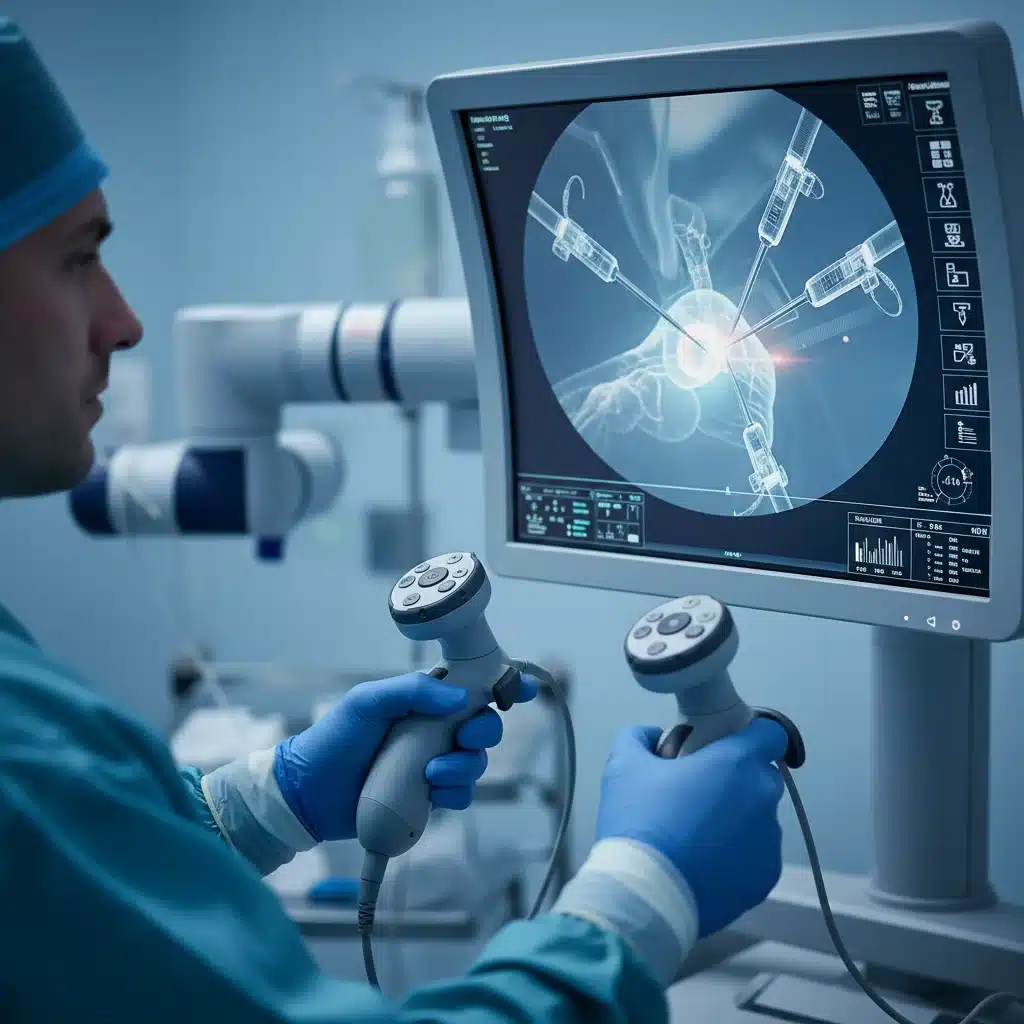
One of the long-standing challenges in robotic surgery has been the lack of haptic (tactile) feedback, meaning surgeons cannot ‘feel’ the tissues they are manipulating. While some systems offer limited haptic feedback, 2026 is expected to bring significant breakthroughs in this area. Advanced haptic technologies will allow surgeons to feel tissue resistance, tension, and texture with greater fidelity, mimicking the sensations of open surgery.
This enhanced tactile feedback will be crucial for delicate procedures, helping surgeons differentiate between various tissue types, apply appropriate force, and avoid accidental damage. The integration of sophisticated sensors in robotic instruments, combined with advanced algorithms to translate these sensations back to the surgeon’s controls, will revolutionize the surgeon’s interaction with the patient’s anatomy. This will not only improve precision but also reduce the cognitive load on surgeons, leading to better outcomes.
5. Remote and Tele-surgery Capabilities
The concept of a surgeon operating on a patient from a different location, known as tele-surgery, has been a long-held vision. While technical and regulatory challenges remain, 2026 could see significant strides in this area, particularly for specialized procedures in underserved regions. Improvements in high-speed, low-latency internet infrastructure (such as 5G and beyond) are making tele-surgery a more viable option.
This trend holds immense potential for expanding access to highly specialized surgical care, particularly in rural or remote areas where expertise might be scarce. It could also facilitate collaborative surgery, where experts from different locations can jointly perform complex procedures. The regulatory and ethical frameworks for remote surgery will need to evolve rapidly to accommodate these advancements, ensuring patient safety and accountability across geographical boundaries. This will be a critical component of future robotic surgery trends.
6. Cost-Effectiveness and Accessibility
Historically, the high capital cost of robotic surgical systems and associated consumables has been a significant barrier to widespread adoption, particularly in healthcare systems with budget constraints. However, as the technology matures and competition increases, 2026 is likely to see a greater focus on developing more cost-effective robotic platforms and consumable instruments.
New business models, such as subscription services for robotic systems or shared-use models among multiple hospitals, could emerge to make the technology more accessible. Furthermore, the long-term economic benefits of robotic surgery – including shorter hospital stays, reduced complications, and faster patient recovery – will become more clearly quantifiable, justifying the initial investment. Increased competition from new market entrants will also drive down prices, making robotic surgery a more financially viable option for a broader range of healthcare providers.
Impact on US Healthcare Systems by 2026
The projected robotic surgery trends will have a multifaceted impact on US healthcare systems, affecting everything from surgical training to patient care delivery and healthcare economics.
1. Transformation of Surgical Training and Education
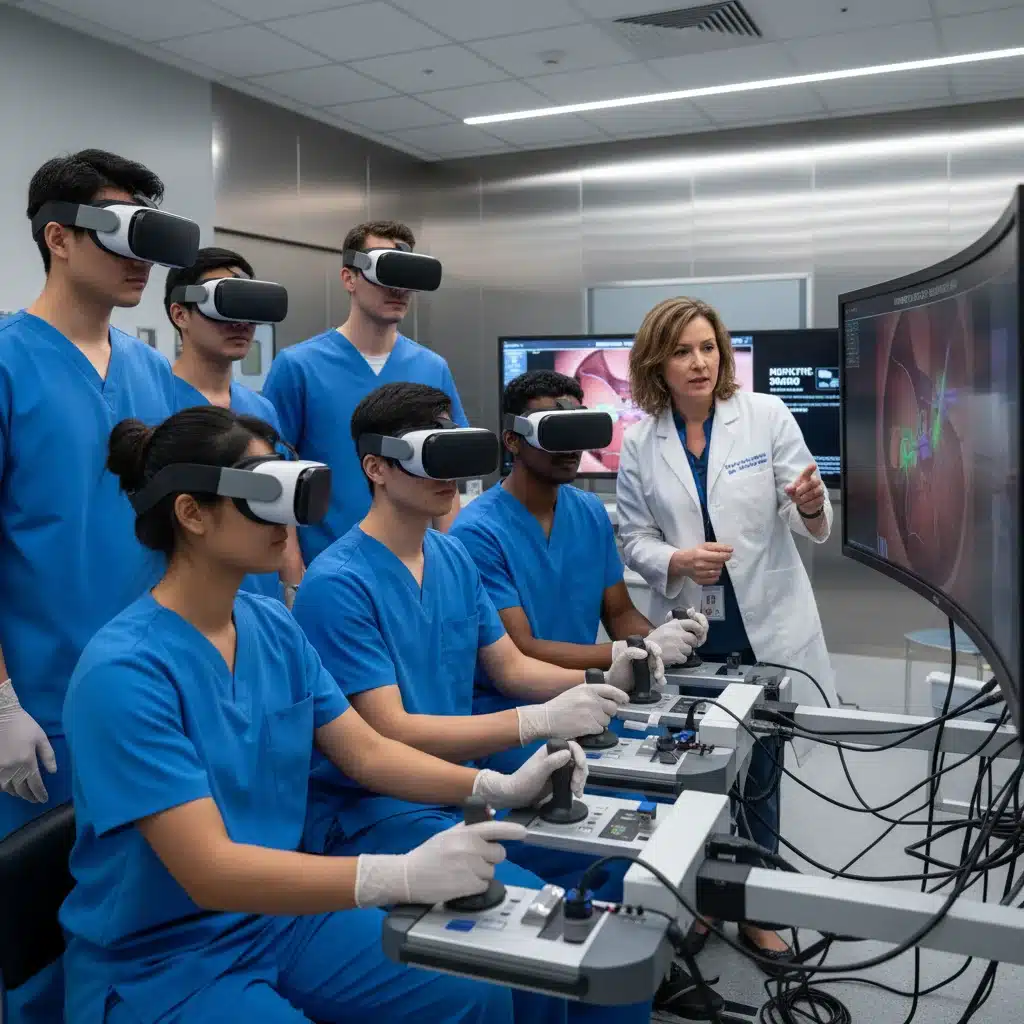
The increasing sophistication of robotic systems necessitates a paradigm shift in surgical training. By 2026, robotic surgery will be an integral part of surgical residency programs, with dedicated curricula focusing on robotic skills acquisition, simulation training, and proficiency assessment. Virtual reality (VR) and augmented reality (AR) simulators will become standard tools, allowing aspiring surgeons to practice complex procedures in a safe, repeatable environment without risk to patients. Certification programs for robotic proficiency will become more standardized and widespread.
Continuous education for experienced surgeons will also be crucial, as new robotic platforms and techniques emerge. Healthcare systems will need to invest in advanced training facilities and programs to ensure their surgical teams remain at the forefront of robotic capabilities. This will foster a new generation of surgeons who are not just adept with traditional techniques but also highly skilled in leveraging robotic assistance for optimal patient outcomes.
2. Improved Patient Outcomes and Experience
The core benefit of these advancements will be improved patient outcomes. Enhanced precision, reduced invasiveness, and the ability to perform more complex procedures robotically will lead to fewer complications, faster recovery times, and better long-term results for patients. Conditions previously requiring extensive open surgery might become amenable to minimally invasive robotic approaches, reducing patient trauma and hospital stays.
The patient experience will also be positively impacted. Shorter recovery periods mean patients can return to their daily lives more quickly. The perception of advanced technology in healthcare can also instill greater confidence in patients, knowing they are receiving state-of-the-art care. As robotic surgery becomes more commonplace and its benefits more widely understood, patient demand for these procedures is likely to increase.
3. Operational Efficiency and Resource Utilization
For healthcare systems, the robotic surgery trends of 2026 will drive significant improvements in operational efficiency. While the initial investment in robotic systems can be high, the long-term benefits in terms of reduced complications, shorter hospital stays, and quicker patient turnover can lead to substantial cost savings. More efficient use of operating room time, enabled by faster and more precise robotic procedures, will also be a key advantage.
The ability to perform a wider range of procedures robotically can also optimize resource utilization, potentially reducing the need for specialized equipment or staff required for more invasive open surgeries. Furthermore, the data generated by robotic systems can be analyzed to identify best practices, optimize surgical workflows, and continuously improve efficiency across the surgical department.
4. Ethical and Regulatory Challenges
As robotic surgery becomes more autonomous and integrated with AI, ethical and regulatory challenges will intensify. Questions around accountability in the event of a robotic malfunction or AI error will need clear answers. The data privacy and security implications of collecting vast amounts of surgical data will also be paramount. Regulatory bodies will need to develop agile frameworks to keep pace with rapid technological advancements, ensuring patient safety without stifling innovation.
The equitable distribution of these advanced technologies will also be a critical concern. Ensuring that the benefits of robotic surgery are accessible to all patient populations, regardless of socioeconomic status or geographical location, will be a significant challenge for US healthcare systems. Addressing these ethical and regulatory hurdles will be crucial for the responsible integration of future robotic surgery trends.
5. Economic Impact and Healthcare Expenditure
The economic impact of these robotic surgery trends on US healthcare systems will be substantial. While initial capital outlay for advanced robotic systems remains a concern, the long-term cost-effectiveness is expected to improve. Reduced complication rates, shorter hospital stays, and decreased need for post-operative care contribute to overall cost savings. The ability to perform more procedures on an outpatient basis will further alleviate pressure on inpatient resources.
However, the ongoing investment in research and development, coupled with the need for specialized training and maintenance, means that robotic surgery will continue to be a significant expenditure line item. Healthcare systems will need to carefully balance these costs against the benefits of improved patient outcomes and operational efficiencies. Value-based care models will increasingly play a role in demonstrating the return on investment for robotic surgical programs.
The Role of Data and Connectivity
The future of robotic surgery, particularly by 2026, is inextricably linked to data. Robotic systems are increasingly generating vast amounts of data – from surgical video and instrument movements to physiological parameters and AI-driven insights. This data, when properly collected, analyzed, and secured, offers unparalleled opportunities for continuous improvement.
Data analytics can identify patterns, optimize surgical techniques, predict potential complications, and personalize treatment plans. Connectivity, enabled by advanced network infrastructure, will facilitate seamless data exchange between robotic systems, electronic health records, and research databases. This interconnected ecosystem will foster a learning healthcare system where every procedure contributes to a growing body of knowledge, ultimately enhancing the safety and efficacy of robotic surgery globally.
Challenges and Future Outlook
Despite the promising robotic surgery trends, several challenges remain. The initial investment cost, though decreasing, is still a barrier for many institutions. The need for specialized training and the learning curve for surgeons require significant commitment. Ensuring equitable access to these advanced technologies across diverse populations and geographic regions within the US is also a major hurdle.
However, the trajectory of innovation in robotic surgery is undeniable. By 2026, we can expect to see a more mature, integrated, and accessible robotic surgical landscape. The focus will shift not just to performing procedures, but to optimizing the entire perioperative journey using robotic intelligence. This includes pre-operative planning with AI, intraoperative precision enhanced by AR and haptics, and post-operative recovery guided by data analytics.
The collaboration between engineers, surgeons, computer scientists, and healthcare administrators will be vital in navigating these changes. The future of robotic surgery promises a healthcare system that is more precise, less invasive, and ultimately, more patient-centric. The advancements by 2026 will set a new standard for surgical care in the United States and beyond, solidifying the role of intelligent machines as indispensable partners in the operating room.