
The Rise of Wearable Health Tech: 3 Key Trends Impacting Patient Monitoring in 2026
The healthcare landscape is undergoing a profound transformation, driven largely by the exponential advancements in technology. Among these innovations, Wearable Health Tech stands out as a true game-changer, fundamentally reshaping how we approach patient monitoring, preventive care, and personalized medicine. As we fast-forward to 2026, the influence of wearable devices will be even more pervasive, moving beyond simple fitness tracking to sophisticated diagnostic and prognostic tools. This article delves into the three most significant trends that will define the future of patient monitoring through wearable technology, offering a glimpse into a healthier, more connected world.
The notion of constant, unobtrusive health monitoring has long been a dream, confined to the realms of science fiction. However, with the rapid evolution of micro-sensors, artificial intelligence, and robust data analytics, this dream is now a tangible reality. Wearable Health Tech is no longer just about counting steps; it’s about providing continuous, real-time insights into an individual’s physiological state, enabling early detection of health issues, optimizing treatment plans, and empowering individuals to take a more active role in their own well-being. The implications for chronic disease management, elderly care, and even public health initiatives are monumental.
The market for Wearable Health Tech is experiencing unprecedented growth, with projections indicating billions of dollars in revenue in the coming years. This surge is fueled by several factors: an aging global population, the rising prevalence of chronic diseases, increasing healthcare costs, and a growing consumer demand for personalized and accessible health solutions. As technology becomes more miniaturized, accurate, and affordable, its adoption will only accelerate, making these devices an indispensable part of our daily lives and the broader healthcare ecosystem.
Understanding these emerging trends is crucial for healthcare providers, technology developers, policymakers, and consumers alike. By anticipating the shifts in Wearable Health Tech, stakeholders can better prepare for the opportunities and challenges that lie ahead, ensuring that these innovations are leveraged to their fullest potential for the benefit of humanity. Let’s explore the three pivotal trends that will redefine patient monitoring by 2026.
Trend 1: Hyper-Personalized AI-Powered Diagnostics and Predictive Analytics
One of the most transformative trends in Wearable Health Tech by 2026 will be the profound integration of artificial intelligence (AI) to deliver hyper-personalized diagnostics and predictive analytics. Current wearables often collect raw data, which then requires interpretation. The next generation will move beyond mere data collection to sophisticated, on-device and cloud-based AI algorithms that can analyze complex physiological patterns, identify subtle anomalies, and even predict potential health crises before symptoms manifest.
The Evolution of AI in Wearables
Initially, AI in wearables was limited to basic pattern recognition, like identifying sleep stages or classifying activity types. By 2026, AI will power advanced diagnostic capabilities. Imagine a wearable device that not only detects an irregular heartbeat but can also analyze a user’s historical data, genetic predispositions, and lifestyle factors to assess their risk of a cardiovascular event, offering real-time, actionable advice. This level of personalized insight will transform reactive healthcare into proactive health management.
Machine learning models, trained on vast datasets of anonymized patient information, will become incredibly adept at recognizing early indicators of conditions such as diabetes, hypertension, and even certain neurological disorders. These models will learn from individual user data, adapting and refining their predictions over time, making them increasingly accurate and tailored to the individual. This hyper-personalization means that health recommendations will no longer be generic but specifically designed for each user’s unique physiological makeup and lifestyle.
Predictive Power for Proactive Care
The true power of AI in Wearable Health Tech lies in its predictive capabilities. For instance, continuous glucose monitoring (CGM) wearables, when combined with AI, could predict hypoglycemic or hyperglycemic events hours in advance, allowing individuals with diabetes to adjust their diet or medication proactively. Similarly, wearables monitoring vital signs, sleep patterns, and activity levels could predict the onset of infectious diseases, enabling early intervention and preventing widespread outbreaks.
For chronic disease management, predictive analytics will be revolutionary. Patients with conditions like asthma or COPD could receive alerts about environmental triggers or impending exacerbations, guided by AI analysis of their respiratory patterns and local air quality data. This shift from episodic care to continuous, predictive monitoring will significantly improve patient outcomes, reduce hospitalizations, and empower individuals to maintain a higher quality of life. The ability to forecast health issues means that interventions can occur at the most opportune moment, often preventing severe complications.
Trend 2: Seamless Integration and Interoperable Health Data Ecosystems
The second major trend in Wearable Health Tech by 2026 will be the move towards seamless integration and the establishment of truly interoperable health data ecosystems. Currently, data from various wearable devices often resides in silos, making it challenging for healthcare providers to get a holistic view of a patient’s health. The future will see a concerted effort to break down these barriers, creating a unified and accessible health data infrastructure.
The Need for Interoperability
Imagine a scenario where your smartwatch, smart scales, continuous glucose monitor, and even smart clothing all contribute data to a single, secure, and standardized platform accessible by your healthcare team. This is the vision for 2026. Interoperability will be paramount, allowing different devices and platforms to communicate effortlessly, sharing crucial health metrics in a standardized format. This will necessitate the development of robust APIs (Application Programming Interfaces) and industry-wide protocols that ensure data integrity, security, and privacy.
The benefits of such an integrated ecosystem are manifold. For patients, it means less manual data entry and a more complete picture of their health readily available. For clinicians, it provides a comprehensive dashboard of patient health, enabling more informed diagnoses and treatment decisions. For researchers, it offers a wealth of real-world data for studying disease progression, treatment efficacy, and public health trends on an unprecedented scale.
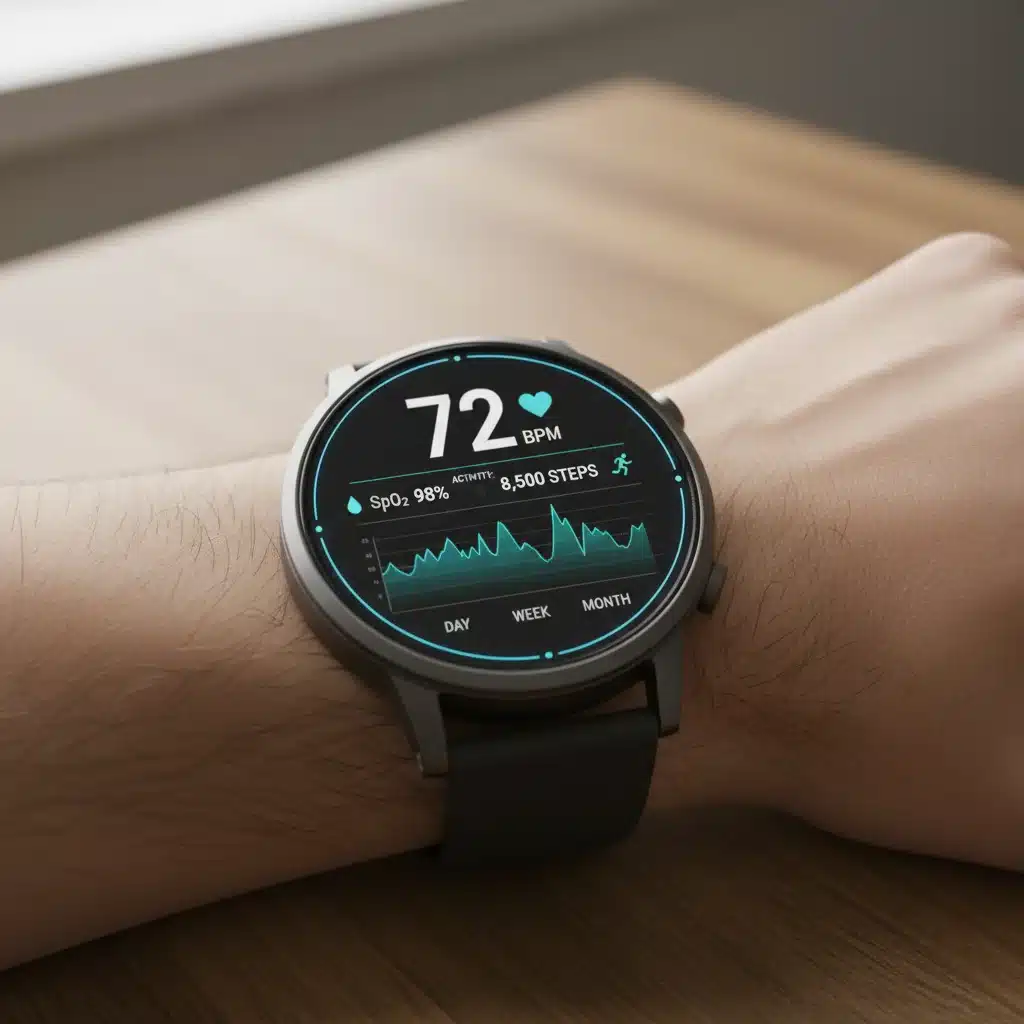
Beyond the Device: Cloud and EHR Integration
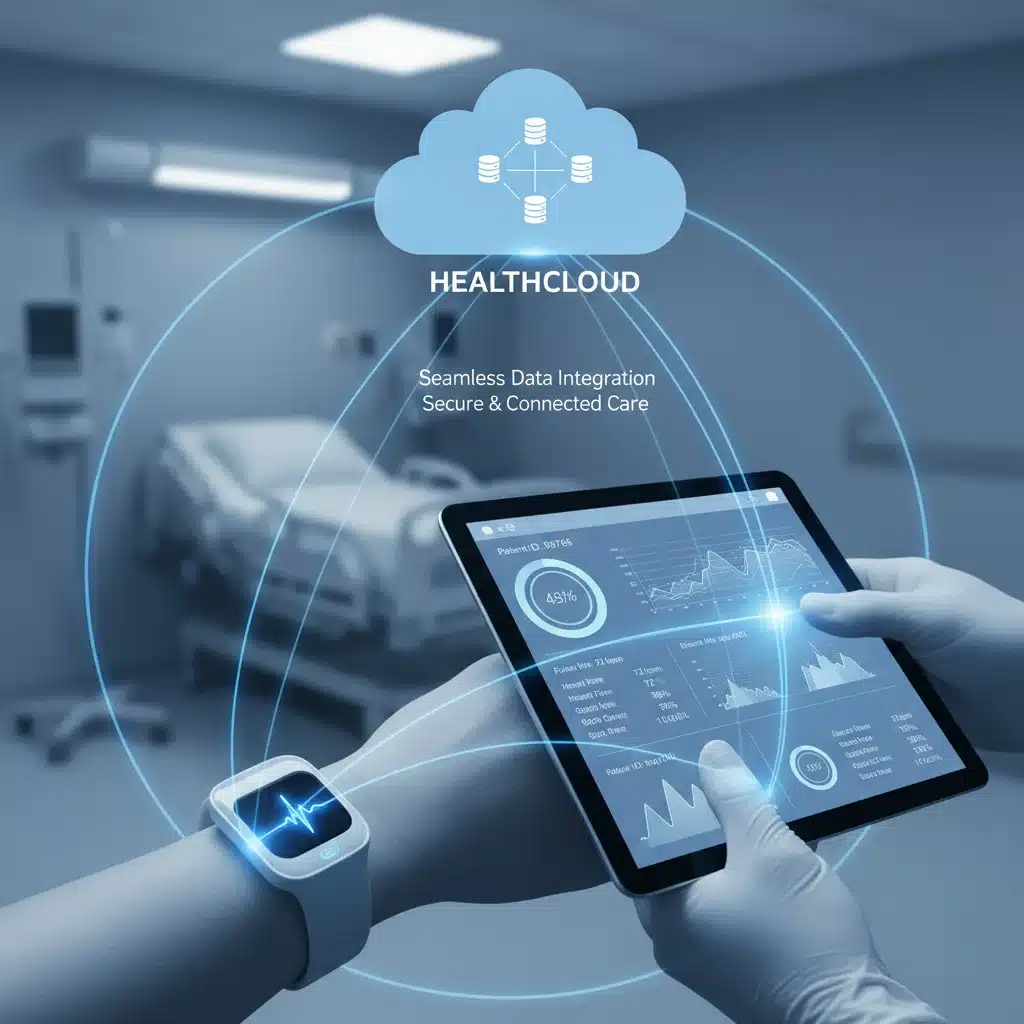
The integration will extend beyond just wearable devices themselves. Data from Wearable Health Tech will seamlessly flow into electronic health records (EHRs) and other cloud-based health management platforms. This will eliminate the current friction points where patients often have to manually share data or healthcare providers struggle to incorporate disparate information into their systems. Secure cloud infrastructure will act as the central repository, ensuring data is always available and backed up.
Furthermore, this integration will facilitate telehealth and remote patient monitoring on a much grander scale. Clinicians will be able to monitor patients with chronic conditions from a distance, receiving real-time alerts for concerning changes in their vital signs. This reduces the need for frequent in-person visits, saving time and resources for both patients and healthcare systems, particularly beneficial for individuals in rural areas or those with mobility challenges. The ability to monitor patients post-discharge, for example, can significantly reduce readmission rates and improve recovery outcomes.
Data Security and Privacy: The Cornerstone
With increased data sharing comes an even greater emphasis on data security and patient privacy. By 2026, robust encryption, blockchain technology, and advanced access controls will be standard features in all Wearable Health Tech ecosystems. Patients will have greater control over their health data, with transparent consent mechanisms and the ability to dictate who can access their information and for what purpose. Compliance with regulations like HIPAA, GDPR, and other evolving data protection laws will be non-negotiable, building trust and fostering widespread adoption.
Trend 3: Miniaturization, Multi-Sensor Fusion, and Non-Invasive Biomarker Detection
The third defining trend for Wearable Health Tech in 2026 will be the continued push towards extreme miniaturization, sophisticated multi-sensor fusion, and the groundbreaking ability to detect a wider range of non-invasive biomarkers. This trend will make wearables less obtrusive, more powerful, and capable of providing an even deeper understanding of an individual’s health.
The Shrinking Footprint of Technology
Current wearables, while convenient, are still noticeable. By 2026, advancements in nanotechnology and microelectronics will lead to devices that are barely perceptible. Think of smart patches that adhere to the skin for weeks, smart rings that blend seamlessly with jewelry, or even smart textiles woven into everyday clothing. This miniaturization will enhance user comfort and compliance, making continuous monitoring a truly effortless experience. The smaller the device, the less it interferes with daily activities, thus increasing adoption rates, especially in sensitive populations like the elderly or young children.
Multi-Sensor Fusion for Comprehensive Insights
The power of future Wearable Health Tech will not just come from individual sensors but from the intelligent fusion of data from multiple sensors. A device might combine an optical heart rate sensor with an accelerometer, a galvanic skin response sensor, and even a miniature spectrometer. AI algorithms will then process this diverse data concurrently to derive more accurate and nuanced insights than any single sensor could provide. For example, combining heart rate variability with skin temperature and sleep patterns could provide a highly accurate indicator of stress levels or impending illness.
This multi-sensor approach will enable the monitoring of a broader spectrum of physiological parameters. Beyond the current staples of heart rate, steps, and sleep, future wearables will track blood pressure with cuff-less technology, continuous core body temperature, hydration levels, and even subtle changes in gait or tremor that could indicate neurological conditions. The synergistic effect of combining these data streams will unlock a new dimension of understanding human physiology.
Non-Invasive Biomarker Detection
Perhaps the most exciting development in this trend is the ability to non-invasively detect a wider array of biomarkers. Current research is exploring ways to detect glucose levels, lactate, alcohol content, and even certain drug metabolites through sweat, tears, or interstitial fluid, all without the need for a blood draw. By 2026, some of these technologies will likely be integrated into commercial Wearable Health Tech products, offering a revolutionary approach to personalized diagnostics and disease management.
Imagine a contact lens that monitors glucose levels in real-time for diabetics, or a patch that detects early markers of kidney dysfunction through sweat analysis. These advancements will significantly reduce the burden of traditional diagnostic tests, making health monitoring more convenient, less painful, and more frequent. This continuous, non-invasive biomarker detection will provide an unprecedented window into an individual’s metabolic and physiological state, enabling truly personalized and preventive healthcare.
The Impact on Patient Monitoring and Beyond
The implications of these three trends for patient monitoring are vast and far-reaching. The shift from episodic, clinic-based monitoring to continuous, remote, and personalized surveillance will fundamentally alter the patient-provider relationship. Patients will be more engaged in their health, equipped with real-time data and actionable insights. Healthcare providers will have access to richer, more continuous data streams, enabling them to make more timely and effective interventions. This is particularly crucial for managing chronic diseases, where continuous monitoring can prevent acute exacerbations and improve long-term outcomes.
Empowering Patients and Enhancing Preventive Care
With advanced Wearable Health Tech, individuals will become active participants in their health journey. The ability to monitor vital signs, activity levels, sleep quality, and even stress in real-time empowers individuals to make informed lifestyle choices. AI-powered nudges and personalized coaching delivered through wearables can motivate users to adopt healthier habits, manage stress more effectively, and adhere to medication regimens. This proactive approach to health will lead to a significant reduction in preventable diseases and an overall improvement in public health.
Revolutionizing Clinical Trials and Research
The vast amounts of real-world data generated by Wearable Health Tech will also revolutionize clinical trials and medical research. Researchers will be able to collect continuous, granular data from diverse populations in their natural environments, offering insights that are impossible to obtain through traditional clinical settings. This will accelerate drug discovery, improve the understanding of disease progression, and facilitate the development of more effective treatments. The ability to track treatment efficacy and side effects in real-time will make clinical trials more efficient and patient-centric.
Challenges and Ethical Considerations
While the future of Wearable Health Tech is bright, it is not without its challenges. Data privacy, security, and the ethical use of personal health information will remain paramount concerns. Ensuring equitable access to these technologies, particularly for underserved populations, will also be crucial to prevent the widening of health disparities. Furthermore, regulatory frameworks will need to evolve rapidly to keep pace with technological advancements, ensuring the safety, accuracy, and reliability of these medical-grade wearables.
The interpretation of complex data by both patients and clinicians will require new levels of health literacy and digital competence. Education and training programs will be essential to ensure that the full potential of Wearable Health Tech is realized without overwhelming users or healthcare professionals. Addressing these challenges proactively will be key to fostering widespread trust and adoption.
Conclusion: A Healthier Future with Wearable Health Tech
By 2026, Wearable Health Tech will have cemented its position as an indispensable component of modern healthcare. The convergence of hyper-personalized AI-powered diagnostics, seamless data integration, and advanced multi-sensor, non-invasive biomarker detection will usher in an era of unprecedented patient monitoring capabilities. This evolution will not only enhance the management of existing health conditions but will also empower individuals to embrace a proactive approach to their well-being, ultimately leading to healthier lives and more efficient healthcare systems.
The journey towards this future is ongoing, with continuous innovation pushing the boundaries of what’s possible. As these trends mature, we can anticipate a healthcare paradigm where health is continuously monitored, personalized insights are readily available, and preventive care becomes the norm rather than the exception. The rise of Wearable Health Tech is not just a technological advancement; it’s a fundamental shift towards a more connected, informed, and healthier society.