AI-Powered Predictive Analytics in US Healthcare: Reducing Hospital Readmissions by 18% in the Next 2 Years
AI-Powered Predictive Analytics in US Healthcare: Reducing Hospital Readmissions by 18% in the Next 2 Years
The landscape of US healthcare is constantly evolving, driven by an imperative to improve patient outcomes, enhance efficiency, and control escalating costs. Among the most pressing challenges facing hospitals today is the high rate of patient readmissions. Not only do readmissions signify suboptimal care transitions and potential patient suffering, but they also represent a significant financial burden and can lead to penalties for healthcare providers under various value-based care models. The good news is that a revolutionary force is emerging to tackle this issue head-on: AI-powered predictive analytics. This article will explore how AI is poised to dramatically transform US healthcare, with an ambitious goal of reducing hospital readmissions by 18% in the next two years.
The Pervasive Problem of Hospital Readmissions
Hospital readmissions are defined as a patient’s return to a hospital within a specific period, typically 30 days, after being discharged. The reasons for readmission are multifaceted, ranging from premature discharge and inadequate post-discharge planning to patient non-adherence to medication regimens or follow-up appointments, and the inherent complexity of chronic conditions. The Centers for Medicare & Medicaid Services (CMS) has long recognized this issue, implementing programs like the Hospital Readmissions Reduction Program (HRRP) to penalize hospitals with excessive readmission rates for certain conditions.
The financial implications are staggering. Each avoidable readmission costs the healthcare system thousands of dollars. Beyond the monetary aspect, readmissions can severely impact patient quality of life, leading to increased anxiety, disrupted recovery, and a higher risk of complications. For healthcare providers, high readmission rates can damage reputation, reduce patient trust, and strain already limited resources. This confluence of factors underscores the urgent need for innovative solutions to identify at-risk patients proactively and intervene effectively.
Enter AI-Powered Predictive Analytics: A Paradigm Shift
AI-powered predictive analytics represents a significant leap forward from traditional risk assessment methods. Instead of relying on static models or physician intuition alone, AI leverages vast datasets to identify complex patterns and predict future events with remarkable accuracy. In the context of readmissions, this means analyzing a multitude of data points—including electronic health records (EHRs), demographic information, social determinants of health, historical readmission data, laboratory results, medication lists, and even patient-generated health data—to pinpoint individuals most likely to be readmitted.
Machine learning algorithms, a core component of AI, are particularly adept at this. They can learn from historical data, identify subtle correlations that human analysts might miss, and continuously refine their predictions as new data becomes available. This dynamic learning capability makes AI an incredibly powerful tool for personalized risk assessment and intervention planning.
How AI Healthcare Readmissions Reduction Works
The process of leveraging AI for readmission reduction typically involves several key steps:
- Data Aggregation and Integration: The first step involves collecting and consolidating data from disparate sources within the healthcare system. This includes EHRs, claims data, pharmacy records, and potentially external datasets related to social determinants of health.
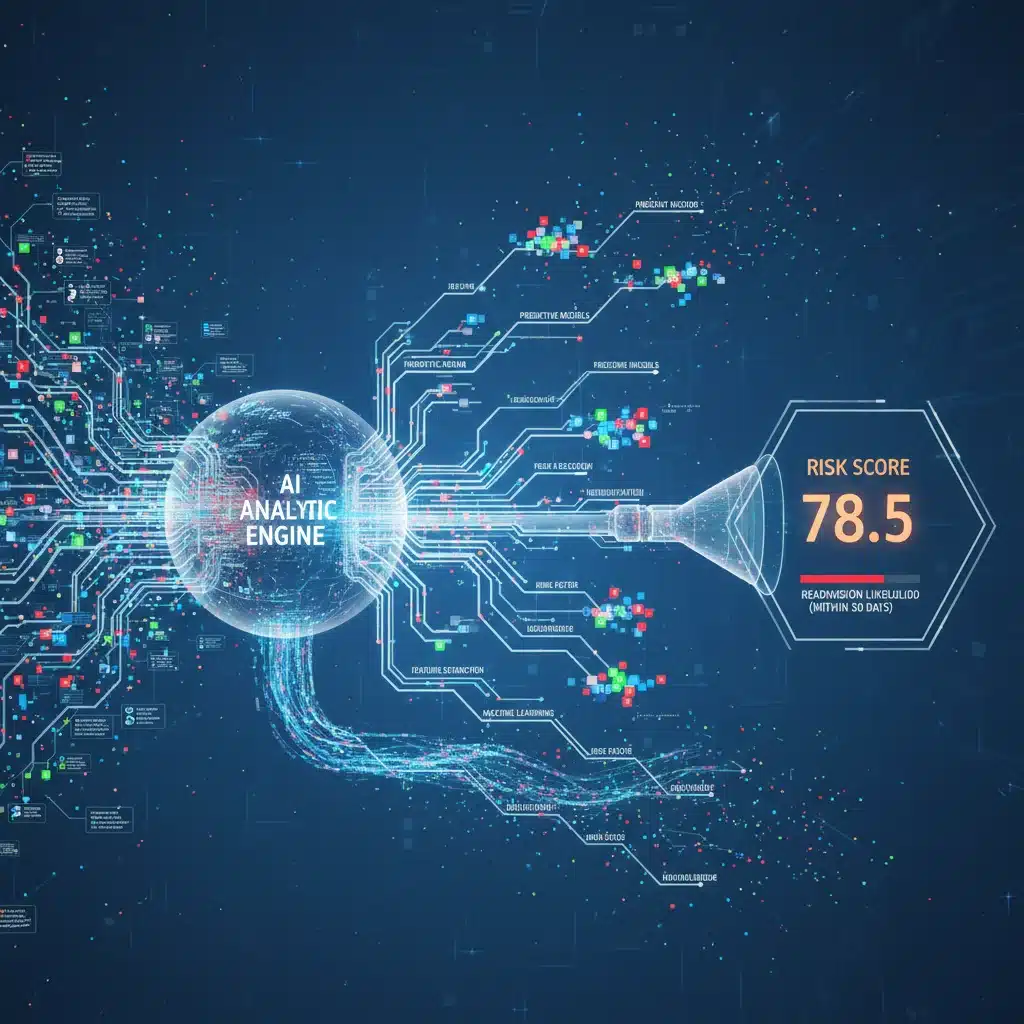
- Feature Engineering: AI models require well-structured data. Feature engineering involves transforming raw data into meaningful variables (features) that the algorithms can use to make predictions. This might include calculating comorbidity scores, identifying medication adherence patterns, or categorizing discharge instructions.
- Model Training: Using historical patient data, machine learning algorithms are trained to recognize patterns associated with readmissions. Various algorithms, such as logistic regression, random forests, gradient boosting, and neural networks, can be employed depending on the complexity of the data and the desired accuracy.
- Risk Score Generation: Once trained, the AI model generates a real-time risk score for each patient, indicating their probability of readmission within a specified timeframe (e.g., 30 days). This score is often accompanied by factors contributing to the risk, providing actionable insights.
- Intervention and Workflow Integration: The generated risk scores are then integrated into clinical workflows. High-risk patients are flagged for targeted interventions, which might include enhanced discharge planning, personalized patient education, home health referrals, closer post-discharge follow-up, or social support services.
- Continuous Monitoring and Refinement: AI models are not static. They continuously learn from new patient outcomes, improving their predictive accuracy over time. This iterative process ensures the system remains effective and adapts to changing patient populations and care practices.
The Ambitious Goal: 18% Reduction in Two Years
Achieving an 18% reduction in hospital readmissions within two years is an ambitious yet attainable goal with the strategic implementation of AI. This target is not merely aspirational; it is grounded in the demonstrable capabilities of advanced predictive analytics. Early adopters of AI in healthcare have already reported significant reductions, with some studies showing decreases in readmission rates by 10-25% in specific patient populations. Scaling these successes across a wider range of conditions and institutions is the next frontier.
To realize this goal, several factors will be critical:
- Widespread Adoption: More healthcare systems need to embrace and invest in AI solutions for readmission prevention.
- Interoperability: Seamless data exchange between different healthcare IT systems is essential for comprehensive data analysis.
- Clinical Integration: AI tools must be seamlessly integrated into existing clinical workflows to be effective, avoiding physician burnout or resistance.
- Patient Engagement: Empowering patients with personalized information and support based on AI insights will be crucial for adherence and self-management.
- Policy Support: Regulatory frameworks and reimbursement models that incentivize the use of predictive analytics for better outcomes will accelerate adoption.
Benefits Beyond Readmission Reduction
While the primary focus is on reducing hospital readmissions, the benefits of AI-powered predictive analytics extend far beyond this single metric:
- Improved Patient Safety and Outcomes: By identifying at-risk patients early, interventions can prevent adverse events, improve recovery, and enhance overall patient well-being.
- Enhanced Resource Utilization: Reducing readmissions frees up hospital beds, reduces strain on staff, and optimizes the use of valuable healthcare resources.
- Significant Cost Savings: Avoiding readmissions translates directly into substantial cost savings for hospitals, payers, and the healthcare system as a whole.
- Personalized Care Plans: AI enables the creation of highly personalized care plans tailored to individual patient needs and risk factors, leading to more effective interventions.
- Proactive Healthcare: Shifting from a reactive to a proactive model of care, where potential problems are anticipated and addressed before they escalate.
- Data-Driven Decision Making: Provides healthcare professionals with actionable insights, empowering them to make more informed decisions.
- Reduced Physician Burnout: By streamlining risk assessment and highlighting critical cases, AI can help reduce the cognitive load on clinicians, allowing them to focus on direct patient care.
Challenges and Considerations for Implementation
Despite its immense potential, the implementation of AI for readmission reduction is not without its challenges:
- Data Quality and Availability: AI models are only as good as the data they are trained on. Incomplete, inaccurate, or siloed data can hinder effectiveness.
- Interoperability Issues: The lack of standardized data formats and seamless exchange capabilities across different healthcare systems remains a significant barrier.
- Ethical Considerations and Bias: AI models can inadvertently perpetuate or amplify existing biases present in the training data, leading to inequities in care. Careful design, monitoring, and validation are crucial to ensure fairness and equity.
- Regulatory and Compliance Hurdles: Navigating complex healthcare regulations, including HIPAA for patient data privacy, requires robust security measures and compliance protocols.
- Cost of Implementation: Investing in AI infrastructure, software, and skilled personnel can be substantial, requiring a clear return on investment strategy.
- Clinical Adoption and Training: Healthcare professionals need to understand, trust, and effectively use AI tools. Adequate training and change management strategies are essential.
- Model Explainability: For clinical acceptance, it’s often important for AI models to be ‘explainable,’ meaning clinicians can understand why a particular risk score or recommendation was generated.
Strategies for Successful AI Integration
To overcome these challenges and successfully integrate AI into readmission prevention strategies, healthcare organizations should consider the following:
- Start Small, Scale Smart: Begin with pilot programs in specific departments or for particular conditions to demonstrate value and gather feedback before wider deployment.
- Foster a Data-Driven Culture: Promote an organizational culture that values data, analytics, and continuous improvement.
- Invest in Data Infrastructure: Prioritize efforts to improve data quality, standardization, and interoperability across all systems.
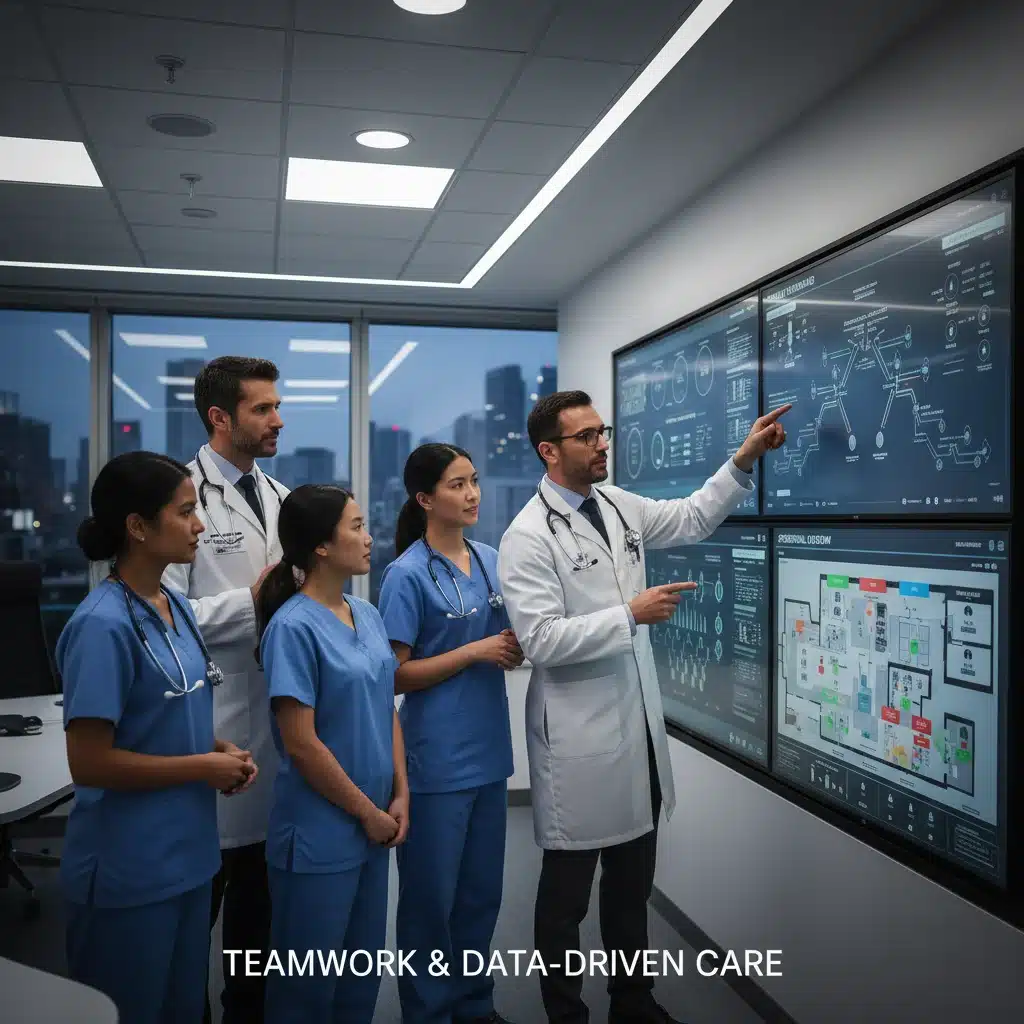
- Engage Stakeholders Early: Involve clinicians, IT professionals, administrators, and patients in the planning and implementation process to ensure buy-in and address concerns.
- Address Ethical Concerns Proactively: Implement robust governance frameworks to monitor for bias, ensure data privacy, and maintain ethical AI practices.
- Provide Comprehensive Training: Offer ongoing training and support for all users to ensure they are proficient and comfortable with the new AI tools.
- Measure and Iterate: Continuously monitor the performance of AI models and interventions, gathering feedback and making necessary adjustments to optimize outcomes.
- Partner with Experts: Collaborate with AI vendors, academic institutions, and data scientists who specialize in healthcare applications.
The Future Outlook: Beyond 18%
The goal of an 18% reduction in hospital readmissions within two years is a bold statement about the capabilities of AI in healthcare. As AI technology continues to advance, and as healthcare systems become more adept at integrating these tools, we can anticipate even greater reductions. Future developments may include:
- More Sophisticated AI Models: Incorporating advanced deep learning techniques that can process unstructured data (e.g., clinical notes, audio recordings) for even richer insights.
- Real-time Interventions: AI systems that can trigger interventions in near real-time based on continuous patient monitoring.
- Personalized Digital Health Assistants: AI-powered virtual assistants that provide personalized guidance and support to patients post-discharge, enhancing adherence and self-management.
- Integration with Wearable Technology: Leveraging data from wearables and other remote monitoring devices to provide a more holistic view of patient health and risk.
- Population Health Management: Expanding AI’s role to identify and manage risk at a population level, not just for individual patients.
The journey towards an AI-driven healthcare system that minimizes readmissions is not just about technology; it’s about a fundamental shift in how we deliver care. It’s about empowering clinicians with better tools, engaging patients more effectively, and ultimately, creating a more efficient, equitable, and patient-centered healthcare experience.
Conclusion
AI-powered predictive analytics stands as a beacon of hope in the ongoing battle against hospital readmissions in the US. By harnessing the power of data and advanced algorithms, healthcare providers can move beyond reactive care to a proactive model, identifying patients at risk before complications arise. The ambitious target of an 18% reduction in readmissions within the next two years is a testament to the transformative potential of this technology. While challenges in data integration, ethical considerations, and clinical adoption exist, strategic planning, collaborative efforts, and a commitment to innovation will pave the way for a healthier, more efficient, and more sustainable US healthcare system. The future of patient care is intelligent, predictive, and profoundly impactful, promising a healthier tomorrow for all.