Navigating 2026 Federal MedTech Procurement: A Comprehensive Guide

Navigating 2026 Federal MedTech Procurement: A Comprehensive Guide
The landscape of federal procurement is constantly evolving, and for medical technology (MedTech) companies, staying ahead of these changes is not just beneficial, but absolutely critical for sustained success. As we approach 2026, significant shifts in federal procurement rules for MedTech are on the horizon, promising both new challenges and unprecedented opportunities. This comprehensive guide is designed to equip your organization with the knowledge and strategies necessary to decode these upcoming regulations, ensure compliance, and strategically position yourselves to secure lucrative government contracts.
Understanding the intricacies of MedTech Federal Procurement in 2026 requires a deep dive into various aspects, from regulatory updates to best practices in proposal development. The federal government remains one of the largest purchasers of medical devices, equipment, and services globally, making it an indispensable market for MedTech innovators. However, accessing this market demands a meticulous approach to compliance, a clear understanding of federal agencies’ needs, and a proactive stance towards emerging technological and regulatory trends.
The Evolving Landscape of MedTech Federal Procurement
The federal government’s commitment to healthcare innovation and patient care continues to drive substantial investment in MedTech. However, this investment comes with stringent requirements designed to ensure quality, safety, and cost-effectiveness. The 2026 framework for MedTech Federal Procurement is expected to emphasize several key areas:
- Enhanced Cybersecurity Requirements: With the increasing threat of cyberattacks, medical devices and systems connecting to federal networks will face more rigorous cybersecurity standards. Companies must demonstrate robust security measures to protect sensitive patient data and critical infrastructure.
- Supply Chain Resiliency: Lessons learned from recent global events have highlighted the fragility of supply chains. New regulations will likely prioritize suppliers who can demonstrate secure, diversified, and resilient supply chains, reducing dependency on single sources or vulnerable regions.
- Sustainability and Environmental Impact: A growing focus on environmental responsibility means that federal procurement will increasingly favor MedTech solutions that are sustainable, energy-efficient, and have a minimal environmental footprint throughout their lifecycle.
- Data Interoperability and Artificial Intelligence (AI): The push for seamless data exchange and the integration of AI into healthcare operations will necessitate MedTech solutions that are interoperable with existing federal health IT systems and leverage AI responsibly and ethically.
- Small Business and Socioeconomic Preferences: Federal agencies will continue to prioritize contracts with small businesses, veteran-owned, women-owned, and historically underutilized business zone (HUBZone) companies. Understanding these preferences and certifications is vital for many MedTech firms.
These evolving priorities underscore the need for MedTech companies to not only innovate technologically but also to adapt operationally and strategically to align with federal objectives. The ability to articulate how your products and services meet these multifaceted requirements will be a significant differentiator in the competitive federal market.
Key Regulatory Updates Impacting MedTech Federal Procurement in 2026
Staying informed about specific regulatory changes is paramount. While the full scope of 2026 regulations is still being finalized, certain trends and proposed changes offer valuable insights:
Federal Acquisition Regulation (FAR) Updates
The FAR is the primary regulation governing federal procurement. Expected updates for 2026 may include:
- Cybersecurity Maturity Model Certification (CMMC) 2.0: While primarily impacting Department of Defense (DoD) contracts, CMMC’s principles are increasingly influencing civilian agencies. MedTech companies handling Controlled Unclassified Information (CUI) will need to achieve specific CMMC levels to bid on relevant contracts. This involves a rigorous assessment of a company’s cybersecurity practices.
- Buy American Act and Trade Agreements Act (TAA) Revisions: The emphasis on domestic sourcing is likely to continue or even intensify. MedTech companies must meticulously track the origin of their components and final products to ensure compliance with these acts, which dictate preferences for U.S.-made goods. Understanding the nuances of TAA compliance, particularly for global supply chains, will be critical.
- Data Rights and Intellectual Property: Federal contracts often involve complex provisions regarding data rights and intellectual property. New updates may further clarify or modify how the government acquires, uses, and licenses technical data and computer software from contractors, impacting how MedTech companies protect their innovations.
FDA and Other Health Agency Specific Requirements
Beyond general federal procurement rules, MedTech companies must also adhere to specific regulations from health-focused agencies:
- FDA Device Approvals and Post-Market Surveillance: All MedTech products must have appropriate FDA clearances or approvals. For federal contracts, agencies will often require proof of these approvals and may scrutinize post-market surveillance data to ensure ongoing safety and efficacy.
- Health Insurance Portability and Accountability Act (HIPAA) Compliance: For any MedTech solution involving Protected Health Information (PHI), strict HIPAA compliance is non-negotiable. Federal contracts will demand robust safeguards and business associate agreements that meet or exceed current standards.
- Veterans Affairs (VA) and DoD Specific Needs: The VA and DoD have unique healthcare requirements and procurement processes. MedTech companies targeting these agencies must understand their specific formularies, technology integration requirements, and veteran-centric care models. This often involves participation in specific VA or DoD contracting vehicles.
Navigating these overlapping regulatory frameworks requires a dedicated compliance team and a proactive approach to monitoring official announcements and proposed rule changes from agencies like the General Services Administration (GSA), DoD, and Department of Health and Human Services (HHS).

Strategies for Success in 2026 MedTech Federal Procurement
Securing federal contracts amidst these evolving rules demands a strategic and well-executed approach. Here are key strategies for MedTech companies:
1. Proactive Regulatory Intelligence and Compliance Planning
Do not wait for rules to be finalized. Invest in regulatory intelligence to anticipate changes. Subscribe to federal registers, industry newsletters, and engage with professional associations. Develop a robust compliance roadmap that addresses:
- Gap Analysis: Identify where your current processes, technologies, and supply chains fall short of anticipated 2026 requirements.
- Technology Upgrades: Prioritize investments in cybersecurity, data interoperability, and AI capabilities to meet future demands.
- Supply Chain Mapping: Gain full visibility into your supply chain to identify vulnerabilities and opportunities for diversification and domestic sourcing.
- Training and Education: Ensure your sales, legal, and engineering teams are fully informed about new regulations and their implications.
2. Strategic Partnership and Teaming Agreements
Federal contracts, especially large ones, often favor companies that can offer comprehensive solutions. Consider:
- Small Business Partnerships: If you are a large business, partner with small, disadvantaged, or veteran-owned businesses to leverage their socioeconomic status and fulfill subcontracting requirements.
- Technology Integrators: Collaborate with companies specializing in IT integration or data analytics to offer holistic solutions that seamlessly integrate your MedTech devices into federal healthcare systems.
- Academic and Research Institutions: Partnering with universities or federal research labs can enhance your R&D capabilities and provide access to specialized expertise.
3. Tailoring Your Value Proposition to Federal Needs
Federal agencies have distinct missions and priorities. Your proposals must clearly articulate how your MedTech solutions directly address these needs, particularly in the context of 2026 priorities:
- Cost-Effectiveness and ROI: Emphasize how your technology delivers long-term savings, improves patient outcomes, and reduces operational costs for federal healthcare providers.
- Cybersecurity Integration: Highlight built-in security features, compliance with CMMC, and your commitment to data protection.
- Interoperability: Demonstrate how your devices seamlessly integrate with existing Electronic Health Records (EHR) systems and other federal IT infrastructure.
- Sustainability: Showcase the environmental benefits of your products, from manufacturing processes to end-of-life disposal.
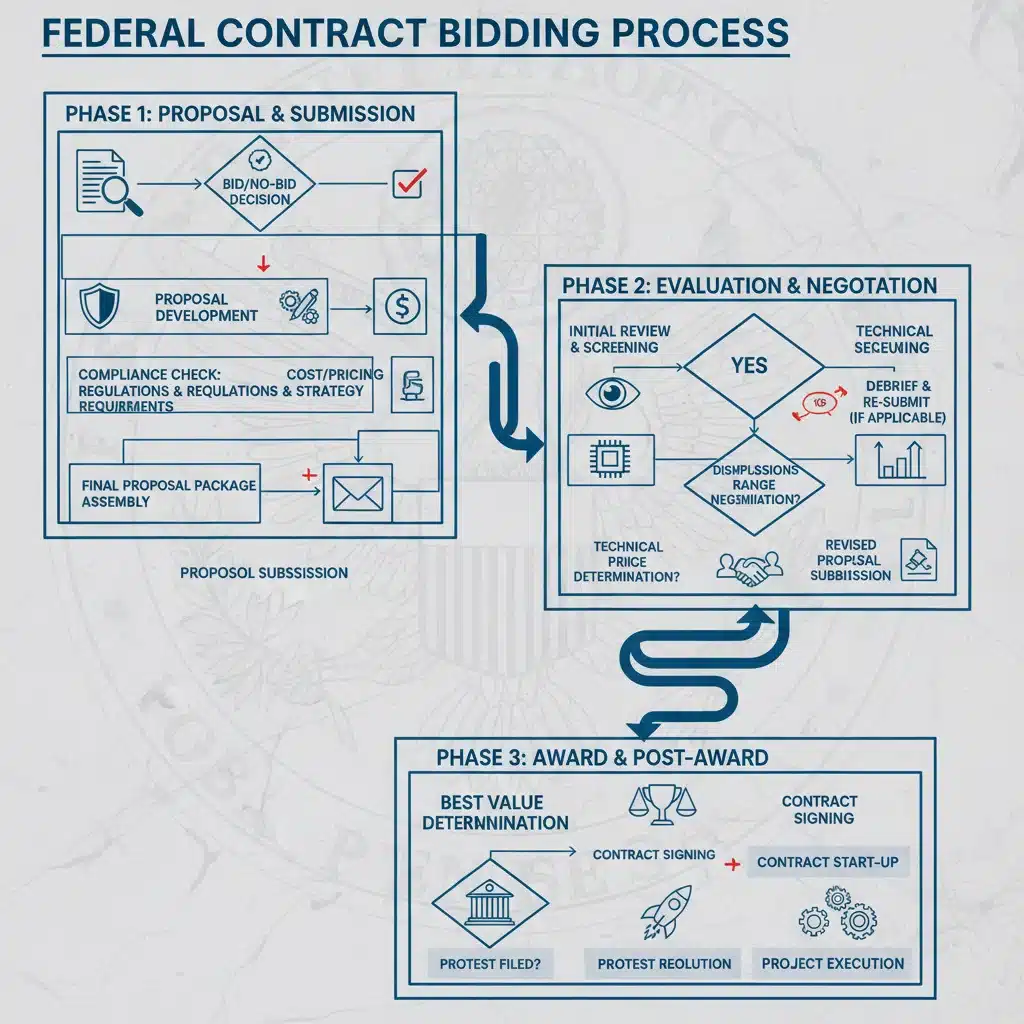
4. Mastering the Proposal Development Process
Federal proposals are notoriously complex and require precision. For 2026, focus on:
- Compliance Matrix: Develop a detailed matrix to ensure every requirement of the Request for Proposal (RFP) is addressed.
- Clear and Concise Language: Avoid jargon. Federal evaluators appreciate clear, direct language that articulates your solution’s benefits.
- Past Performance and Experience: Highlight relevant past performance with federal or large institutional clients. Provide strong references and quantifiable results.
- Technical Volume Strength: Ensure your technical proposal clearly demonstrates the superiority and compliance of your MedTech solution. This includes detailed specifications, testing results, and implementation plans.
5. Leveraging Federal Contracting Vehicles
Understanding and utilizing appropriate federal contracting vehicles can streamline the procurement process:
- GSA Schedules (Federal Supply Schedules): Obtaining a GSA Schedule contract can be a powerful tool, providing direct access to federal buyers. Ensure your products are listed under the correct Special Item Numbers (SINs) and your pricing is competitive.
- Department of Veterans Affairs (VA) Contracts: The VA has specific procurement programs and contracts for medical supplies and services. Familiarize yourself with these opportunities, such as the VA Federal Supply Schedule or specific Blanket Purchase Agreements (BPAs).
- DoD Contracts: The DoD uses various contracting mechanisms, including specific Indefinite Delivery/Indefinite Quantity (IDIQ) contracts and Other Transaction Authorities (OTAs) for rapid prototyping and fielding of innovative MedTech.
- Small Business Set-Asides: If eligible, actively pursue small business set-aside contracts. These are often less competitive and can provide valuable experience.
Each contracting vehicle has its own nuances, application processes, and compliance requirements. A thorough understanding of which vehicles are most appropriate for your products and services is crucial for efficient market entry and expansion within the federal sector.
Anticipating Future Trends Beyond 2026
While 2026 is a significant milestone, the pace of change in MedTech and federal procurement shows no signs of slowing down. Companies that adopt a forward-looking perspective will be best positioned for long-term success:
- Personalized Medicine and Precision Health: Federal agencies are increasingly interested in MedTech solutions that support personalized medicine, leveraging genomics, AI, and advanced diagnostics to tailor treatments.
- Telehealth and Remote Monitoring Expansion: The continued growth of telehealth will drive demand for innovative remote monitoring devices, diagnostic tools, and virtual care platforms that are secure and interoperable.
- Augmented Reality (AR) and Virtual Reality (VR) in Healthcare: These technologies are finding applications in surgical training, therapy, and patient education. Federal procurement may increasingly seek AR/VR solutions for military medicine and veteran care.
- Biomanufacturing and Advanced Materials: Investment in domestic biomanufacturing capabilities and advanced materials science for MedTech will likely be a federal priority, aiming to reduce foreign dependency and foster innovation.
By integrating these future trends into your R&D and business development strategies, you can proactively develop products and services that align with the evolving needs and priorities of federal agencies, ensuring your relevance and competitiveness for years to come.
Conclusion: Positioning for Success in MedTech Federal Procurement
The 2026 federal procurement rules for MedTech represent a dynamic environment that rewards foresight, meticulous planning, and unwavering commitment to compliance. Companies that embrace these changes, invest in robust cybersecurity, prioritize supply chain resilience, and strategically tailor their offerings to meet federal needs will undoubtedly gain a significant competitive advantage. Success in MedTech Federal Procurement is not merely about having a superior product; it’s about demonstrating a comprehensive understanding of the regulatory landscape, a commitment to federal objectives, and the operational excellence to deliver on your promises.
By proactively engaging with these forthcoming regulations, MedTech companies can transform potential challenges into unparalleled opportunities, securing vital government contracts that contribute to both their growth and the advancement of healthcare for federal beneficiaries across the nation.