2026 Medicare Part B DME Policy Changes: Cost Analysis
The healthcare landscape is in constant flux, and for millions of Americans, understanding Medicare policies is paramount to accessing necessary medical care and equipment. As we look towards the horizon, particularly at the year 2026, significant changes are anticipated for Medicare Part B policies concerning Durable Medical Equipment (DME). These adjustments could have profound implications for both beneficiaries and the healthcare providers supplying these vital devices. This comprehensive analysis aims to dissect the projected Medicare DME 2026 policy changes, explore their potential cost impacts, and offer strategies for navigating this evolving environment.
Durable Medical Equipment, or DME, encompasses a wide range of medical devices prescribed by a doctor for use at home. This can include everything from wheelchairs, walkers, and oxygen equipment to hospital beds, nebulizers, and continuous positive airway pressure (CPAP) machines. For many elderly and disabled individuals, DME is not just a convenience; it is essential for maintaining independence, managing chronic conditions, and improving quality of life. Given its critical role, any modifications to Medicare Part B coverage for DME warrant close attention and thorough understanding.
The Centers for Medicare & Medicaid Services (CMS) regularly reviews and updates its policies to ensure efficiency, cost-effectiveness, and appropriate utilization of services. These reviews are often driven by advancements in medical technology, changes in healthcare delivery models, and broader economic considerations. The 2026 policy changes are expected to be no different, potentially introducing new coverage criteria, reimbursement rates, and administrative requirements that could reshape how DME is accessed and paid for under Medicare Part B.
Understanding the Current Medicare Part B DME Landscape
Before diving into the prospective Medicare DME 2026 changes, it’s crucial to grasp the current framework. Medicare Part B covers medically necessary DME when prescribed by a doctor for use in the home. Generally, Medicare pays 80% of the Medicare-approved amount, and beneficiaries are responsible for the remaining 20% after meeting their Part B deductible. This cost-sharing model has been the standard for years, but various factors can influence the actual out-of-pocket expenses for beneficiaries, including whether the supplier accepts Medicare assignment and if they have supplemental insurance.
Current policies also delineate specific criteria for what constitutes ‘medically necessary’ DME, which can vary depending on the type of equipment. For instance, a wheelchair might require documentation of a mobility limitation that prevents a person from performing daily activities, while an oxygen concentrator would necessitate evidence of chronic lung disease causing low blood oxygen levels. These stringent requirements are in place to prevent fraud, waste, and abuse, but they can also create administrative burdens for both patients and providers.
Furthermore, Medicare often distinguishes between renting and purchasing DME. For some items, particularly those that may only be needed temporarily or are very expensive, Medicare may require rental for a certain period before allowing purchase. This approach is designed to manage costs effectively, but it can sometimes lead to confusion or frustration for beneficiaries who prefer outright ownership. The current system, while comprehensive, is complex, and the upcoming Medicare DME 2026 updates are poised to add another layer of complexity.
Anticipated Policy Shifts for Medicare DME in 2026
While specific details of the Medicare DME 2026 policy changes are still emerging and subject to finalization, several key areas are expected to be targeted. These potential shifts are often telegraphed through proposed rules, industry discussions, and ongoing legislative efforts. One significant area of focus is likely to be on reimbursement methodologies. CMS is continually looking for ways to ensure fair pricing while controlling overall program expenditures. This could mean adjustments to current fee schedules, the introduction of new payment models, or increased scrutiny of supplier costs.
Another anticipated change could involve updated coverage criteria. As medical technology advances, new types of DME become available, and existing equipment may be used in novel ways. CMS policies need to evolve to reflect these innovations. This might lead to stricter requirements for certain high-cost items or, conversely, expanded coverage for new, clinically proven devices that offer better patient outcomes. The goal is often to ensure that only the most effective and appropriate equipment is covered, which can sometimes lead to tighter restrictions on what is deemed ‘medically necessary’.
Moreover, administrative processes and documentation requirements are frequently revised. The push for greater interoperability of health information, the increased use of electronic health records, and efforts to reduce administrative burdens for providers could all influence how DME claims are submitted and processed. While these changes aim to streamline operations, they can initially pose challenges for providers who must adapt their systems and workflows. Beneficiaries might also experience changes in the documentation they need to provide or the steps they must take to secure their DME.
Potential Impact on Beneficiary Costs
The most immediate concern for many beneficiaries regarding Medicare DME 2026 changes is the potential impact on their out-of-pocket costs. Any alterations to reimbursement rates or coverage criteria can directly affect the 20% coinsurance that beneficiaries are typically responsible for. If Medicare-approved amounts decrease, the 20% share might also decrease, but if coverage becomes more restrictive, beneficiaries might find themselves paying 100% for equipment that is no longer covered.
Changes in supplier participation could also influence costs. If new policies make it more challenging or less profitable for DME suppliers to operate within the Medicare system, some might choose to limit their Medicare patient base or stop accepting Medicare assignment. This could reduce beneficiary choice and potentially lead to higher costs if individuals are forced to seek out-of-network providers, where they might be responsible for a larger portion of the bill. It’s essential for beneficiaries to stay informed about their supplier options and whether those suppliers accept Medicare assignment.
Furthermore, the introduction of new prior authorization requirements or more rigorous documentation reviews could create delays in accessing necessary equipment. While not a direct cost, delays can lead to worsened health outcomes, potentially necessitating more expensive interventions down the line. Beneficiaries with supplemental insurance, such as Medigap plans or Medicare Advantage plans, should also review their policies to understand how these changes might affect their secondary coverage. These plans often pick up the 20% coinsurance, but their terms and conditions can also evolve.
Implications for DME Providers and Suppliers
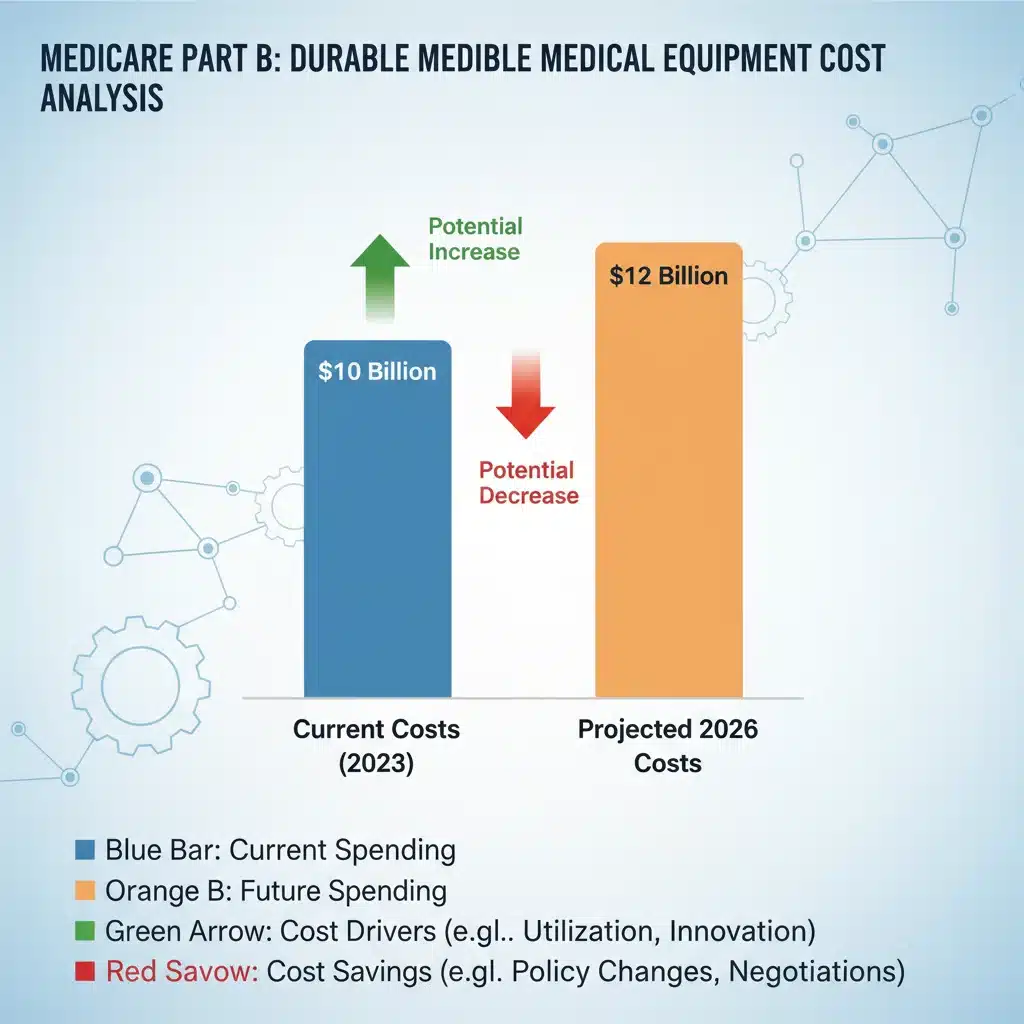
For Durable Medical Equipment providers and suppliers, the Medicare DME 2026 policy changes represent a significant operational challenge and opportunity. Adjustments to reimbursement rates are perhaps the most critical factor. If rates are reduced, providers will need to find ways to operate more efficiently, potentially by streamlining their supply chains, renegotiating with manufacturers, or optimizing their delivery and service models. The financial viability of many smaller DME businesses could be at stake.
New or revised coverage criteria will require providers to update their internal compliance protocols and training for staff. Ensuring that all prescribed equipment meets the updated ‘medical necessity’ standards will be crucial to avoid claim denials and audits. This often involves closer collaboration with referring physicians to ensure that documentation is thorough and aligns with Medicare’s requirements. Investing in robust electronic health record (EHR) systems and billing software that can adapt to new codes and regulations will be paramount.
The administrative burden associated with more stringent documentation or prior authorization processes could also increase. Providers might need to allocate more resources to administrative tasks, which could divert funds from patient care or lead to longer processing times. The competitive landscape could also shift, favoring larger providers with greater resources to adapt to complex regulatory changes. Smaller, independent DME suppliers might struggle to keep pace, potentially leading to market consolidation. Staying abreast of all proposed and final rules from CMS will be a continuous and critical task for all providers in the DME space.
Strategies for Beneficiaries to Prepare for 2026
For Medicare beneficiaries, proactive preparation is key to minimizing the impact of the Medicare DME 2026 policy changes. Here are several actionable strategies:
- Stay Informed: Regularly check official CMS announcements and reputable healthcare news sources for updates on proposed and finalized DME policies. Understanding the specific changes as they are released will be your best defense.
- Review Your Current DME Needs: If you anticipate needing new DME in the near future, consider discussing this with your doctor sooner rather than later. Obtaining equipment under current rules might be simpler than navigating new ones.
- Understand Your Doctor’s Documentation: Be proactive in ensuring your doctor’s medical records clearly document the medical necessity of any DME you use or anticipate needing. Strong documentation is crucial for Medicare coverage.
- Evaluate Your Supplemental Coverage: If you have a Medigap policy or a Medicare Advantage plan, contact your plan provider to understand how they might adjust their coverage in response to Medicare Part B changes for DME.
- Communicate with Your DME Supplier: Establish a good relationship with your DME supplier. They are often the first to understand and implement new Medicare rules. Ask them about how they anticipate the 2026 changes will affect their services and your costs.
- Budget for Potential Out-of-Pocket Costs: If there’s a possibility of increased cost-sharing or reduced coverage, start planning financially. Review your savings and consider potential healthcare savings accounts.
- Seek Advocacy: If you encounter difficulties or believe you are being unfairly denied coverage, seek assistance from Medicare advocacy groups, your State Health Insurance Assistance Program (SHIP), or legal aid services specializing in elder law.
Strategies for DME Providers to Adapt to 2026 Changes
DME providers and suppliers must also adopt a forward-thinking approach to remain successful and compliant under the new Medicare DME 2026 policies. Here are some strategic recommendations:
- Monitor CMS Communications Closely: Subscribe to CMS newsletters, attend webinars, and regularly check the CMS website for all proposed and final rules related to DME. Early awareness allows for more time to adapt.
- Conduct a Comprehensive Cost Analysis: Re-evaluate your operational costs and profit margins. Identify areas where efficiencies can be gained without compromising patient care quality. This might involve optimizing inventory management, delivery routes, and staffing.
- Invest in Technology and Training: Upgrade billing and EHR systems to ensure they can handle new coding, documentation, and prior authorization requirements. Provide thorough training to staff on all new policies and procedures to ensure compliance and reduce errors.
- Strengthen Physician Relationships: Work collaboratively with referring physicians to educate them on new documentation requirements. Clear communication and understanding between providers and prescribers can significantly reduce claim denials.
- Diversify Service Offerings: Explore opportunities to diversify your business beyond traditional Medicare Part B DME. This could include expanding into private insurance markets, offering cash-pay options for certain equipment, or providing home health services.
- Advocate for Your Industry: Participate in industry associations and engage in advocacy efforts to provide feedback to CMS on proposed rules. Collective voices can sometimes influence policy outcomes.
- Prepare for Increased Audits: Anticipate that new policies might come with increased scrutiny and audits. Ensure all documentation is meticulously maintained and easily accessible. Consider internal audit processes to identify and correct potential issues proactively.

The Broader Landscape: What Drives These Changes?
The impending Medicare DME 2026 policy changes are not isolated events but rather part of a larger trend in healthcare policy. Several overarching factors typically drive such revisions:
- Cost Containment: Medicare is a vast program, and controlling expenditures is a constant priority. Changes are often aimed at reducing waste, preventing fraud, and ensuring that the program remains fiscally sustainable.
- Technological Advancements: The rapid pace of innovation in medical technology means that what was once cutting-edge can quickly become standard, or new, more effective solutions emerge. Policies must adapt to cover appropriate new technologies and potentially sunset coverage for outdated ones.
- Patient Outcomes and Quality of Care: CMS is increasingly focused on value-based care, which ties reimbursement to patient outcomes rather than just the volume of services. DME policies may evolve to reflect this, favoring equipment that demonstrably improves patient health and quality of life.
- Demographic Shifts: The aging of the U.S. population means a growing number of Medicare beneficiaries, many of whom will require DME. Policies need to be sustainable in the face of this increasing demand.
- Legislative Mandates: Congress often passes legislation that directs CMS to make specific policy changes or conduct reviews. These legislative mandates can significantly influence the direction of Medicare policies.
Understanding these underlying drivers can help both beneficiaries and providers anticipate the direction of future policies and better prepare for their implementation. It underscores the importance of a dynamic approach to navigating the Medicare system.
Conclusion: Navigating the Future of Medicare DME
The Medicare DME 2026 policy changes are set to introduce a new chapter in how Durable Medical Equipment is covered and accessed under Medicare Part B. While the precise details are still being shaped, the overarching message is clear: adaptation and proactive engagement will be crucial for all stakeholders. For beneficiaries, this means staying informed, understanding their medical needs, and advocating for their care. For providers, it entails operational efficiency, rigorous compliance, and strategic planning.
The ultimate goal of Medicare policy, despite the complexities, is to ensure that beneficiaries have access to medically necessary equipment that supports their health and well-being. By anticipating these changes, understanding their potential impact, and implementing effective strategies, both beneficiaries and DME providers can navigate the evolving landscape successfully. The journey to 2026 and beyond will require vigilance, flexibility, and a continued commitment to quality healthcare for all.
As more information becomes available from CMS, it will be essential to revisit these projections and adjust strategies accordingly. The healthcare environment is dynamic, and staying ahead of the curve is the best way to ensure continuous access to vital Durable Medical Equipment.