Home-Based Medical Devices: 2026 Opportunities in US
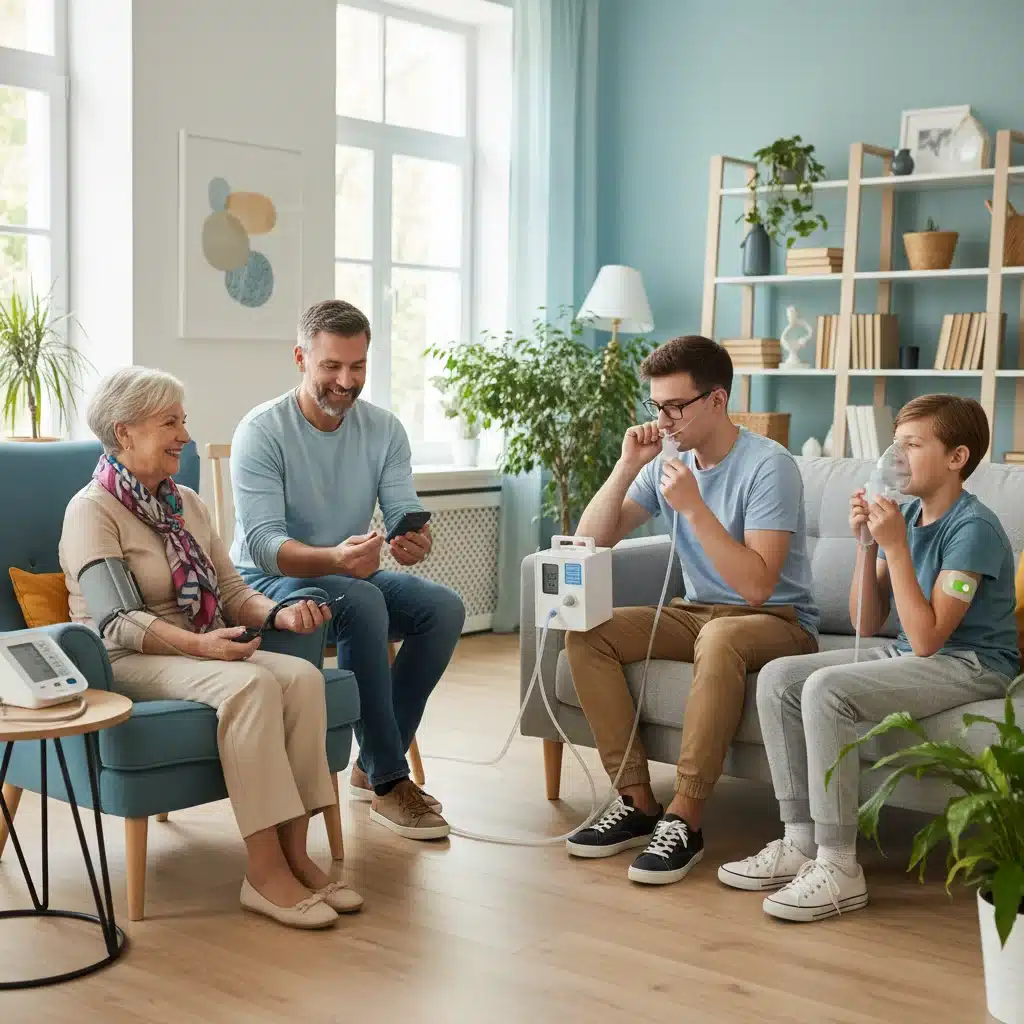
The landscape of healthcare is undergoing a profound transformation, shifting increasingly from traditional clinical settings to the comfort and convenience of patients’ homes. This paradigm shift is largely fueled by advancements in home medical devices, which are not only empowering individuals to take a more active role in managing their health but are also creating a burgeoning market ripe with opportunities. As we approach 2026, the United States is poised to witness significant growth in the adoption and innovation of these home-based medical technologies.
The global pandemic undoubtedly accelerated this trend, highlighting the critical need for remote patient monitoring and accessible healthcare solutions. However, the underlying drivers for this growth were already firmly in place: an aging population, the rising prevalence of chronic diseases, increasing healthcare costs, and technological breakthroughs. These factors collectively underscore the immense potential of the home medical devices market.
The Growing Market for Home-Based Medical Devices: 2026 Opportunities in the US
Understanding the Market Dynamics of Home Medical Devices
The market for home medical devices encompasses a vast array of products, from simple diagnostic tools like blood pressure monitors and glucose meters to sophisticated therapeutic devices such as portable oxygen concentrators and remote cardiac monitors. The core appeal of these devices lies in their ability to provide continuous care, facilitate early detection of health issues, and enable proactive management of chronic conditions, all within the familiar environment of a patient’s home.
Several key factors are propelling the expansion of the home medical devices market:
- Aging Population: The demographic shift towards an older population in the US means a higher incidence of age-related illnesses and chronic conditions that require ongoing monitoring and management. Home-based devices offer a dignified and cost-effective solution for elder care.
- Rise in Chronic Diseases: Conditions such as diabetes, hypertension, cardiovascular diseases, and respiratory illnesses demand continuous monitoring. Home medical devices empower patients and their caregivers to track vital signs and symptoms, leading to better disease management and fewer hospitalizations.
- Technological Advancements: Miniaturization, improved connectivity (Bluetooth, Wi-Fi, 5G), artificial intelligence (AI), and enhanced sensor technology are making devices more accurate, user-friendly, and capable of real-time data transmission to healthcare providers.
- Cost-Effectiveness: Home care often presents a more economical alternative to prolonged hospital stays or frequent clinic visits, reducing the overall burden on the healthcare system and individual patients.
- Patient Preference and Empowerment: There’s a growing desire among patients to maintain independence and manage their health proactively. Home-based solutions offer greater control, convenience, and a better quality of life.
- Telehealth Integration: The synergy between telehealth services and home medical devices is undeniable. Remote consultations are significantly enhanced when clinicians have access to real-time data collected by these devices.
Key Technologies Driving Innovation in Home Medical Devices
Innovation is at the heart of the home medical devices sector. Several technological trends are shaping the next generation of products:
Wearable Devices and Remote Patient Monitoring (RPM)
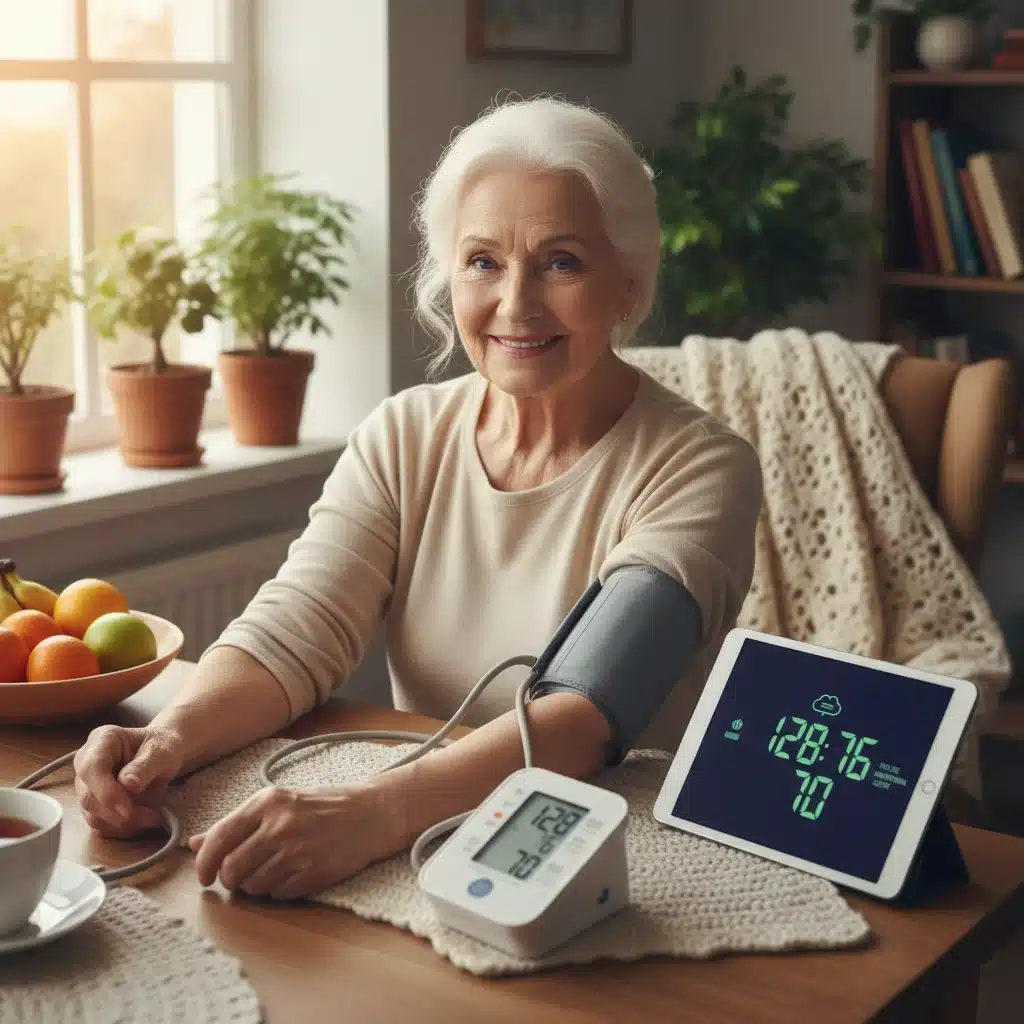
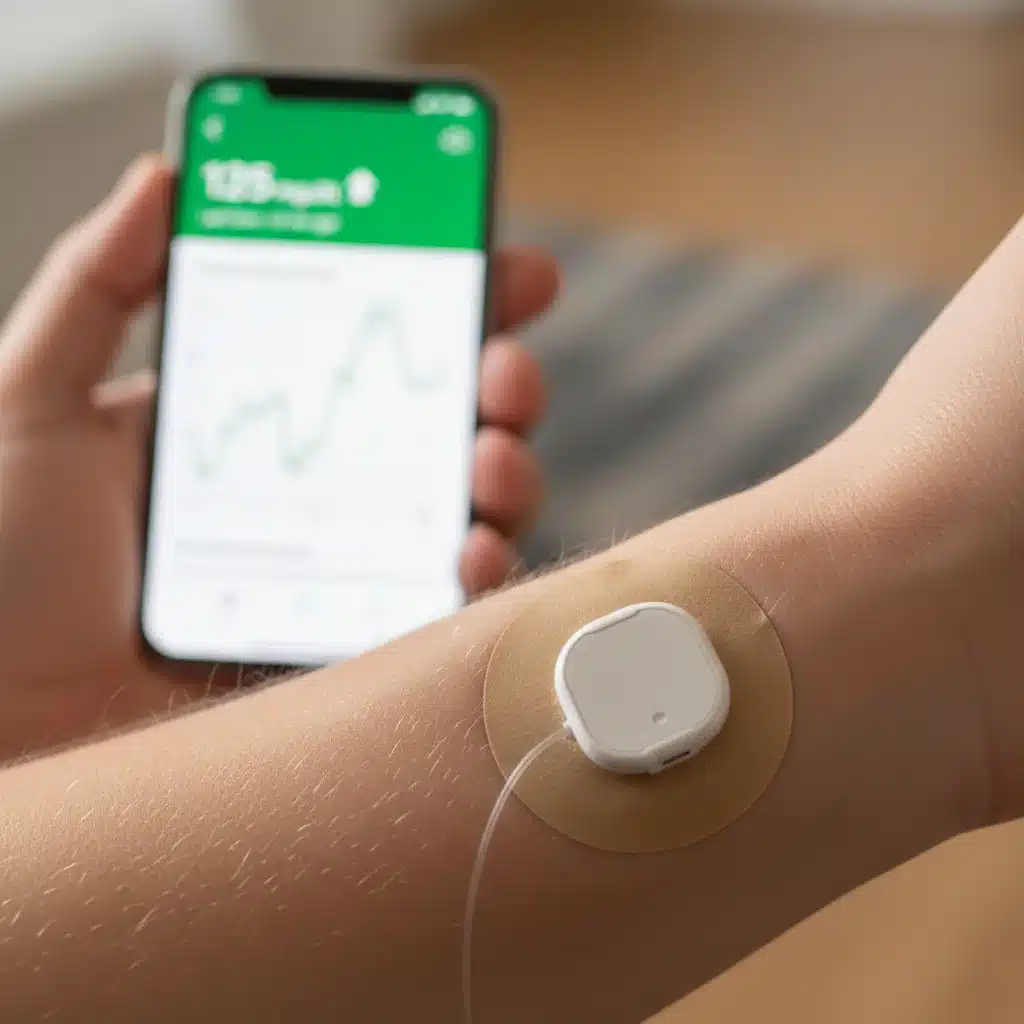
Wearable devices, from smartwatches that track heart rate and activity levels to dedicated medical wearables for continuous glucose monitoring (CGM) or ECG recording, are becoming increasingly sophisticated. These devices collect a wealth of physiological data, which, when integrated with RPM platforms, allows healthcare providers to monitor patients remotely. This proactive approach can prevent adverse events, optimize treatment plans, and provide timely interventions.
Artificial Intelligence and Machine Learning
AI and machine learning (ML) are transforming raw data from home medical devices into actionable insights. AI algorithms can analyze trends, detect anomalies, predict potential health crises, and even offer personalized recommendations for disease management. This intelligence enhances the diagnostic capabilities of devices and supports more informed decision-making by both patients and clinicians.
Enhanced Connectivity and IoT (Internet of Things)
The proliferation of IoT in healthcare means that home medical devices are increasingly interconnected. Devices can communicate with each other, with smartphone apps, and directly with healthcare provider systems. This seamless data flow is crucial for comprehensive patient management and allows for more efficient care coordination.
Miniaturization and Portability
The trend towards smaller, lighter, and more portable devices makes them less intrusive and easier for patients to integrate into their daily lives. This is particularly important for individuals who require constant monitoring or therapeutic interventions, enhancing compliance and comfort.
Opportunities for 2026 in the US Market for Home Medical Devices
For investors, innovators, and healthcare providers, the home medical devices market in the US presents a compelling array of opportunities leading up to 2026:
Investment in Research and Development
There’s a significant opportunity to invest in R&D for next-generation home medical devices. This includes developing more sophisticated sensors, integrating advanced AI for predictive analytics, and creating devices that are even more intuitive and user-friendly. Focus areas could include non-invasive monitoring for complex conditions, smart drug delivery systems, and advanced rehabilitation tools for home use.
Expansion of Telehealth and RPM Platforms
The demand for robust telehealth and RPM platforms that can seamlessly integrate data from various home medical devices will continue to grow. Opportunities exist in developing interoperable systems, secure data transmission protocols, and user-friendly interfaces for both patients and clinicians. Cloud-based solutions that offer scalability and accessibility will be particularly valuable.
Specialized Devices for Chronic Disease Management
Given the rising prevalence of chronic diseases, there’s a strong market for specialized home medical devices tailored to specific conditions. Examples include advanced insulin pumps with automated glucose monitoring, smart inhalers for asthma/COPD management, and home dialysis units. These devices not only improve patient outcomes but also reduce the burden on acute care facilities.
Preventive and Wellness Technologies
Beyond managing existing conditions, there’s a growing emphasis on preventive healthcare and wellness. This opens doors for home medical devices that track fitness, nutrition, sleep patterns, and stress levels, offering personalized coaching and early warning signs for potential health issues. This market segment appeals to a broader consumer base interested in proactive health management.
Regulatory and Reimbursement Landscape
Navigating the regulatory environment (FDA approval) and securing reimbursement from insurance providers (CMS, private insurers) are critical for market success. Companies that can effectively manage these aspects and demonstrate clear clinical utility and cost-effectiveness will have a significant advantage. Advocacy for favorable reimbursement policies for home medical devices and services will also be crucial.
Challenges and Considerations for the Home Medical Devices Market
While the opportunities are vast, several challenges need to be addressed for the sustainable growth of the home medical devices market:
Data Security and Privacy
With sensitive health data being collected and transmitted remotely, ensuring robust cybersecurity and patient privacy is paramount. Compliance with regulations like HIPAA is essential, and companies must invest in secure data encryption and storage solutions.
Interoperability and Standardization
A lack of interoperability between different devices and healthcare systems can hinder seamless data flow and comprehensive patient management. Developing industry standards for data exchange and connectivity will be crucial for the market’s maturity.
Digital Literacy and Access
Not all patients or caregivers have the same level of digital literacy or access to reliable internet connectivity. Ensuring that home medical devices are easy to use and accessible to diverse populations, including those in rural areas or with limited technological experience, is a significant challenge.
Regulatory Clarity and Reimbursement Policies
While progress has been made, ongoing efforts are needed to establish clear regulatory pathways for novel home medical devices and to ensure consistent and adequate reimbursement policies that incentivize their adoption.
The Future of Home-Based Care: A Holistic Approach
The future of home-based medical devices is not just about individual gadgets; it’s about creating a holistic ecosystem of care. This involves not only the devices themselves but also the supporting infrastructure, including:
- Integrated Care Platforms: Systems that consolidate data from various devices, electronic health records (EHRs), and patient-reported outcomes to provide a comprehensive view of a patient’s health.
- Caregiver Support Systems: Tools and resources that empower family caregivers and professional home health aides to effectively use home medical devices and interpret the data they provide.
- Educational Resources: Accessible and easy-to-understand educational materials for patients and caregivers on how to use devices correctly, troubleshoot common issues, and understand their health data.
- Logistics and Supply Chain: Efficient systems for distributing, installing, maintaining, and repairing home medical devices, ensuring they are readily available and functional when needed.
By 2026, we can expect to see a more integrated and sophisticated approach to home healthcare, with home medical devices playing a central role in delivering personalized, preventive, and proactive care. This will not only improve patient outcomes and satisfaction but also contribute to a more sustainable and efficient healthcare system.
Conclusion: A Bright Outlook for Home Medical Devices
The market for home medical devices in the US is on an undeniable upward trajectory, driven by powerful demographic, technological, and economic forces. As we move towards 2026, the opportunities for innovation, investment, and expansion in this sector are immense. Companies that focus on user-centric design, robust data security, interoperability, and clear clinical value will be well-positioned for success.
The future of healthcare is increasingly decentralized, with the home emerging as a vital hub for health management. Home medical devices are not just instruments; they are enablers of independence, dignity, and improved quality of life for millions of Americans. Embracing this transformative shift will be key to building a more resilient and patient-centered healthcare system for the years to come.