Simulation Training in MedTech: Enhancing Skills for 2026 and Beyond
Anúncios
The Indispensable Role of MedTech Simulation Training: Enhancing Skills for 2026 and Beyond
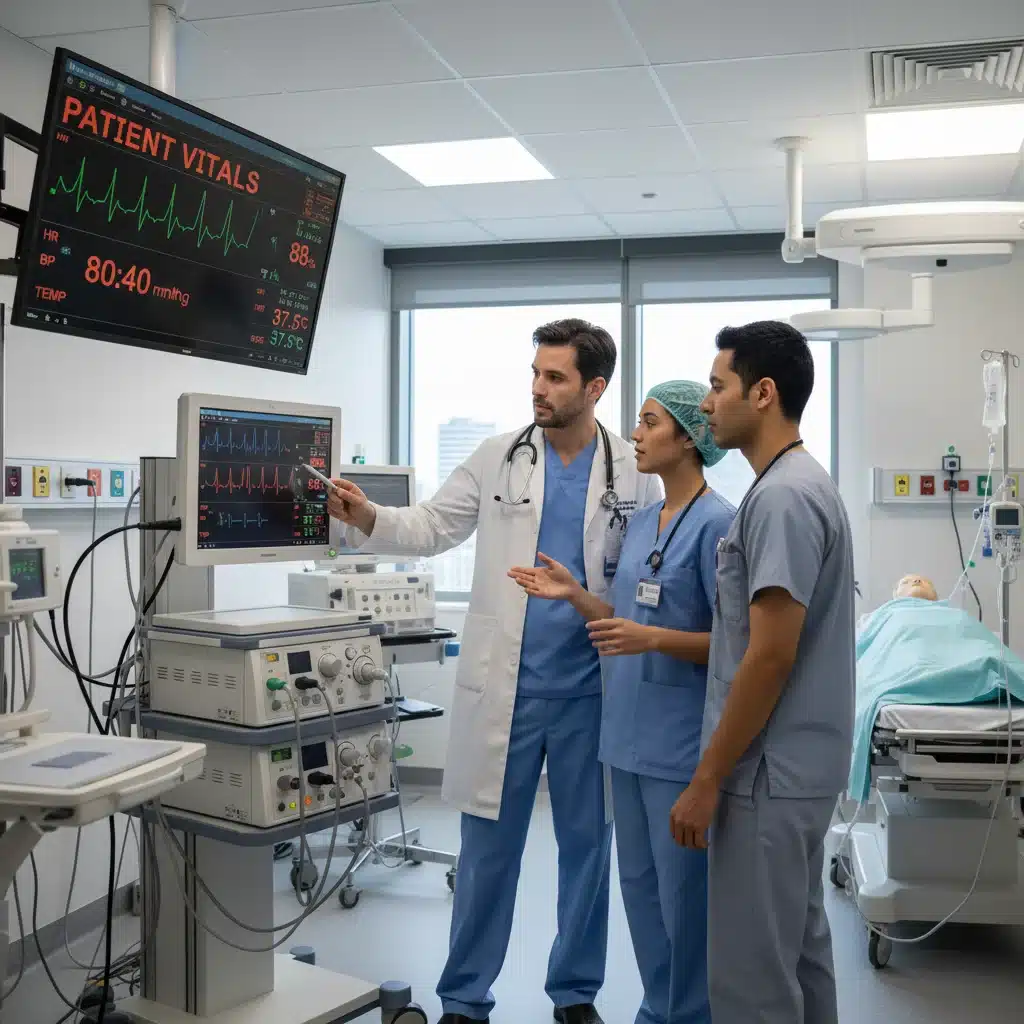
The healthcare landscape is evolving at an unprecedented pace, driven by rapid advancements in medical technology (MedTech). From sophisticated diagnostic tools to robotic surgical systems and innovative therapeutic devices, the complexity and capabilities of modern medical equipment demand a new paradigm in professional training. In this dynamic environment, MedTech simulation training has emerged not merely as a supplementary educational tool but as an indispensable cornerstone for enhancing skills, ensuring patient safety, and preparing healthcare professionals for the challenges and opportunities that lie ahead, particularly as we look towards 2026 and beyond.
The imperative for robust simulation training is clear. The stakes in healthcare are inherently high, where even minor errors can have severe consequences. Traditional training methods, while valuable, often fall short in providing the repetitive, consequence-free practice necessary to master complex MedTech devices and procedures. This is where high-fidelity simulation steps in, offering a safe, controlled, and realistic environment for practitioners to hone their skills, build confidence, and develop critical decision-making abilities.
Anúncios
This comprehensive article will delve into the multifaceted aspects of MedTech simulation training, exploring its benefits, various modalities, the challenges it addresses, and its projected impact on healthcare education and practice in the coming years. We will examine how simulation is not just about mastering a device, but about fostering a culture of continuous learning, interdisciplinary collaboration, and ultimately, superior patient care.
The Evolving Landscape of MedTech and the Need for Advanced Training
The medical technology sector is characterized by relentless innovation. New devices, software, and procedures are introduced almost daily, promising improved diagnostics, more effective treatments, and enhanced patient outcomes. However, this rapid innovation also presents a significant challenge: how do we ensure that healthcare professionals are adequately trained to utilize these advanced tools safely and effectively? The gap between technological advancement and clinical proficiency can be perilous.
Anúncios
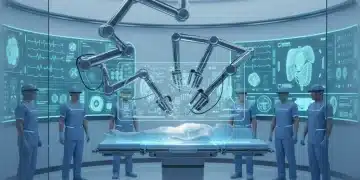
Consider the advent of robotic surgery. While offering precision and minimally invasive options, operating these complex systems requires extensive training. Similarly, advanced imaging technologies, AI-powered diagnostic aids, and personalized medicine platforms demand a deep understanding of both the technology itself and its clinical implications. Without specialized and hands-on training, the full potential of these innovations remains untapped, and worse, there’s an increased risk of medical errors.
Traditional “see one, do one, teach one” models are increasingly inadequate for the intricate world of modern MedTech. The learning curve for new devices can be steep, and practicing on live patients without prior mastery is ethically questionable and risky. This is precisely why MedTech simulation training has become non-negotiable. It bridges the gap, offering a structured, repeatable, and safe environment for learning and refinement.
Key Benefits of MedTech Simulation Training
The advantages of integrating simulation into MedTech education are numerous and far-reaching, impacting individuals, teams, and the healthcare system as a whole.
1. Enhancing Clinical Competence and Skill Acquisition
Simulation provides a realistic platform for practitioners to acquire and refine technical skills related to specific MedTech devices. This includes everything from setting up and calibrating equipment to performing complex procedures. Repetitive practice in a simulated environment allows for muscle memory development and mastery, reducing the likelihood of errors when performing procedures on actual patients.
2. Improving Patient Safety and Reducing Errors
Perhaps the most critical benefit, simulation allows healthcare professionals to make mistakes and learn from them without jeopardizing patient well-being. By rehearsing critical scenarios, identifying potential pitfalls, and practicing emergency protocols, teams can significantly improve their response times and decision-making under pressure. This directly translates to fewer medical errors and enhanced patient safety in real clinical settings.
3. Fostering Interdisciplinary Teamwork and Communication
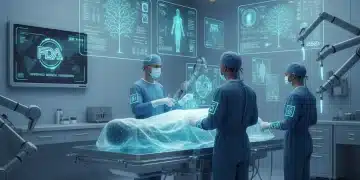
Modern healthcare is a team sport. Many MedTech devices require the coordinated effort of doctors, nurses, technicians, and other specialists. Simulation scenarios can be designed to mimic these interdisciplinary interactions, allowing teams to practice communication, leadership, and collaboration in high-stakes situations. This builds stronger, more cohesive teams capable of delivering integrated care.
4. Accelerating Learning and Onboarding
New graduates and professionals transitioning to new roles or departments can benefit immensely from simulation. It accelerates the onboarding process for new equipment and procedures, allowing them to quickly become proficient and confident in their roles. This reduces the time it takes for new staff to become fully productive and minimizes the burden on experienced staff for direct supervision.
5. Standardizing Training and Assessment
Simulation offers a standardized platform for training and evaluating competence. Unlike varied clinical experiences, simulation scenarios can be precisely replicated, ensuring that all trainees receive consistent instruction and are assessed against uniform criteria. This standardization is crucial for ensuring a baseline level of proficiency across the healthcare workforce.
6. Cost-Effectiveness in the Long Run
While initial investments in simulation equipment can be significant, the long-term cost savings are substantial. By reducing medical errors, minimizing complications, and improving efficiency, simulation ultimately leads to better patient outcomes and reduced healthcare expenditures associated with adverse events.
Modalities of MedTech Simulation Training
The field of simulation has evolved dramatically, offering a diverse array of modalities tailored to different learning objectives and technological complexities.
1. High-Fidelity Manikins and Task Trainers
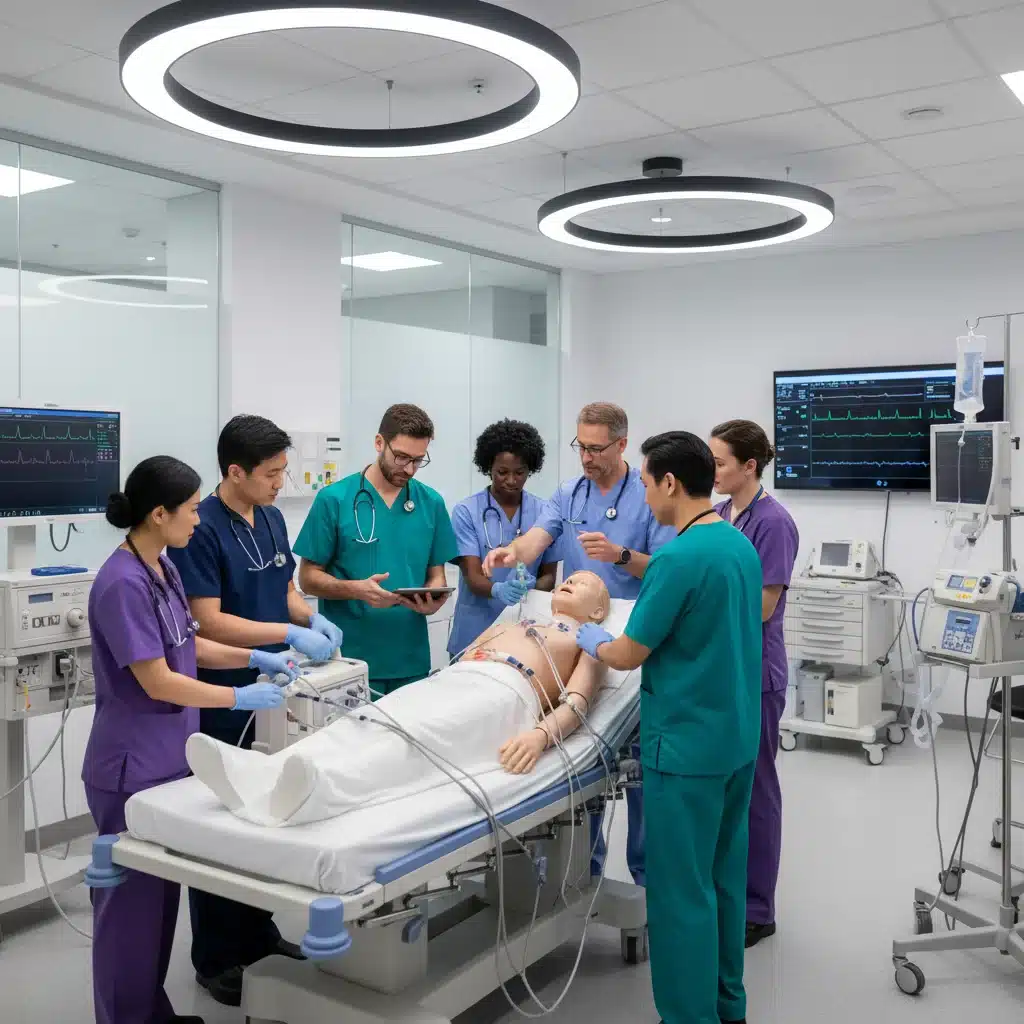
These are lifelike patient simulators capable of mimicking physiological responses, allowing practitioners to practice procedures such as intubation, central line insertion, cardiac arrest management, and advanced life support. Task trainers focus on specific skills, like suturing or laparoscopic techniques, providing tactile feedback and realistic anatomical representations.
2. Virtual Reality (VR) and Augmented Reality (AR) Simulations
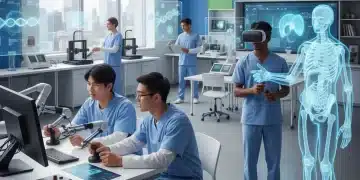
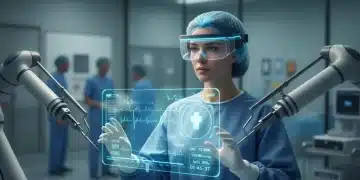
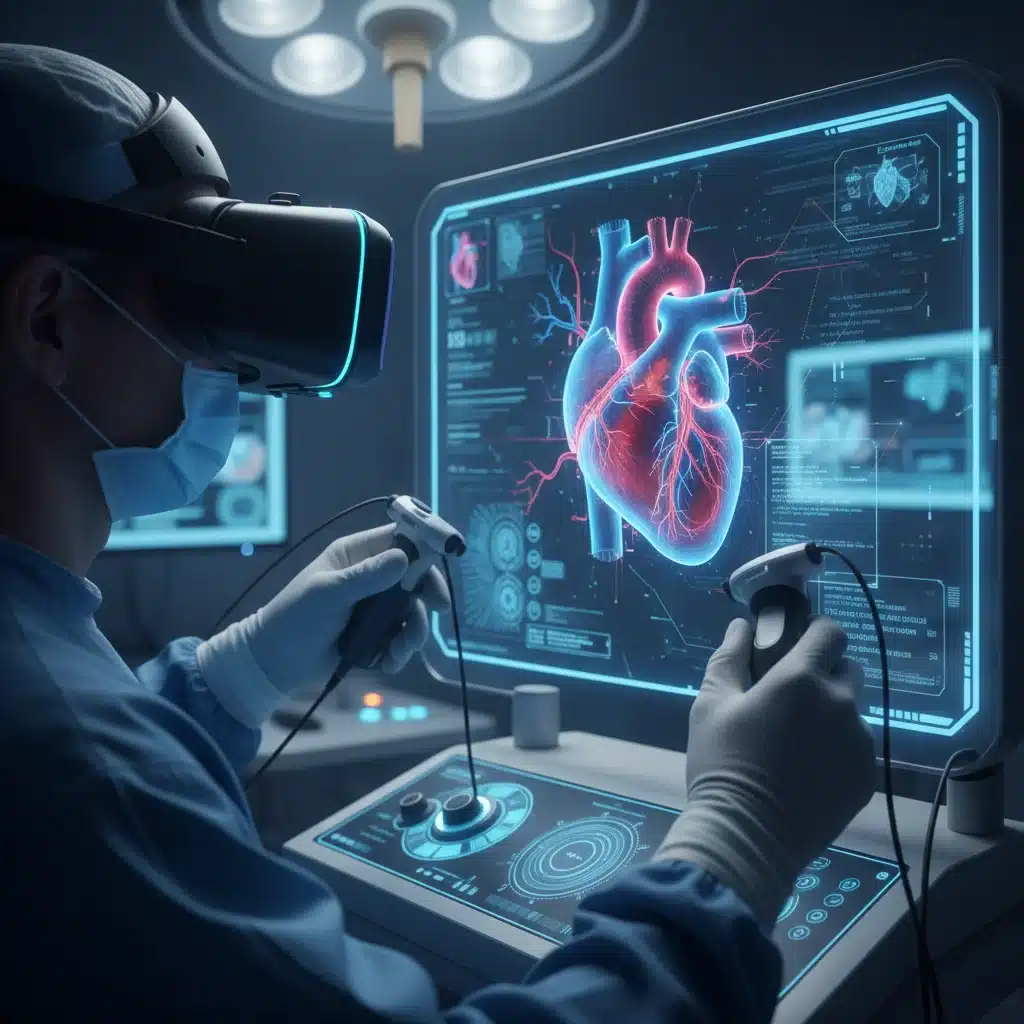
VR and AR are revolutionizing MedTech simulation training. VR immerses users in fully digital environments, allowing them to perform virtual surgeries, navigate anatomical structures, or interact with virtual medical devices. AR overlays digital information onto the real world, enhancing training with interactive guides, real-time data, and anatomical visualizations during actual procedures or on physical models.
3. Haptic Feedback Systems
Often integrated with VR simulations, haptic feedback systems provide tactile sensations, allowing users to ‘feel’ the resistance of tissue, the tension of sutures, or the texture of organs. This adds a crucial layer of realism to procedural training, particularly for surgical and interventional specialties.
4. Hybrid Simulations
Hybrid simulations combine different modalities, for example, using a task trainer for a physical procedure while a VR headset provides contextual information or a challenging environment. This allows for a more comprehensive and integrated learning experience.
5. Role-Playing and Standardized Patients
While not strictly technological, these methods are integral to simulation training. Standardized patients (actors trained to portray specific patient conditions) help practitioners develop communication skills, empathy, and patient-centered care approaches, which are critical when interacting with patients using MedTech devices.
Addressing Challenges in MedTech Training Through Simulation
Several inherent challenges in traditional MedTech training are effectively mitigated by simulation:
- Limited Access to Real Equipment: High-cost, specialized MedTech devices are often scarce and in constant use, making hands-on practice difficult. Simulation provides unlimited access to virtual or simulated versions.
- Variability in Patient Cases: Real clinical cases are diverse and unpredictable. Simulation allows for exposure to a wide range of scenarios, including rare or high-risk conditions that might not be encountered frequently in practice.
- Patient Safety Concerns: As mentioned, practicing on real patients carries inherent risks. Simulation eliminates this risk, allowing trainees to experiment and learn without fear of harming a patient.
- Logistical Constraints: Scheduling time for training in a busy clinical environment can be challenging. Simulation centers offer dedicated learning spaces and flexible scheduling.
- Measuring Competence Objectively: Simulation platforms often include built-in assessment tools, providing objective metrics on performance, decision-making, and skill acquisition, which can be difficult to quantify in real clinical settings.
The Future of MedTech Simulation Training: 2026 and Beyond
As we project towards 2026 and further into the future, the role of MedTech simulation training is set to expand and deepen. Several trends will shape its evolution:
1. Integration of Artificial Intelligence (AI) and Machine Learning (ML)
AI and ML will make simulations even smarter. AI can adapt scenarios in real-time based on a trainee’s performance, offering personalized learning paths and immediate, intelligent feedback. ML algorithms can analyze vast amounts of performance data to identify learning gaps, predict future performance, and optimize training curricula.
2. Hyper-Realistic and Immersive Experiences
Advances in graphics, haptics, and sensory feedback will create simulation environments that are virtually indistinguishable from reality. This hyper-realism will enhance engagement and transfer of learning to actual clinical practice.
3. Remote and Distributed Training
The COVID-19 pandemic highlighted the need for flexible, remote learning solutions. Cloud-based simulation platforms and portable VR/AR systems will enable healthcare professionals to access high-quality MedTech simulation training from anywhere, breaking down geographical barriers and increasing accessibility.
4. Focus on Soft Skills and Crisis Management
Beyond technical proficiency, future simulations will place an even greater emphasis on non-technical skills such as leadership, communication, ethical decision-making, and stress management in complex MedTech environments. Scenarios will increasingly mimic real-world crises, forcing teams to collaborate under pressure.
5. Predictive Analytics for Competency-Based Education
By leveraging data from simulations, educational institutions and healthcare organizations will move towards more robust competency-based education. Predictive analytics will help identify individuals who need additional training in specific areas, ensuring that all practitioners meet defined competency standards before engaging with patients.
6. Personalized Learning Paths
No two learners are alike. Future simulation platforms will offer highly personalized learning paths, adapting to an individual’s pace, learning style, and specific skill gaps. This adaptive learning will optimize training efficiency and effectiveness.
Implementing Effective MedTech Simulation Programs
For healthcare organizations and educational institutions looking to leverage the full potential of MedTech simulation training, several considerations are crucial for successful implementation:
- Clear Learning Objectives: Define what skills and knowledge trainees should acquire from each simulation scenario.
- Realistic Scenario Design: Scenarios must accurately reflect real-world clinical situations, including the complexities and potential complications associated with MedTech devices.
- Expert Facilitation and Debriefing: The debriefing session after a simulation is often more valuable than the simulation itself. Skilled facilitators guide participants through reflective learning, identifying strengths and areas for improvement.
- Integration with Curriculum: Simulation should not be an isolated activity but integrated seamlessly into the overall educational curriculum or professional development program.
- Regular Evaluation and Updates: Simulation programs must be regularly evaluated for effectiveness and updated to reflect new MedTech advancements and best practices.
- Interdisciplinary Approach: Encourage and facilitate interprofessional training to foster teamwork and communication, crucial for complex MedTech environments.
- Investment in Technology and Personnel: Adequate investment in high-quality simulation equipment and, equally important, in trained simulation educators and technicians is vital for long-term success.
Conclusion
The rapid evolution of medical technology presents both immense promise and significant challenges. To harness the full potential of MedTech innovations while ensuring the highest standards of patient safety and care, robust and sophisticated training methodologies are essential. MedTech simulation training stands at the forefront of this revolution, offering unparalleled opportunities for skill enhancement, team collaboration, and risk-free learning.
As we advance towards 2026 and beyond, simulation will continue to evolve, becoming more intelligent, immersive, and integrated into every facet of healthcare education and professional development. For healthcare systems aiming to remain at the cutting edge, investing in and embracing advanced simulation technologies is not merely an option but a strategic imperative. It is the key to unlocking the full potential of MedTech, empowering healthcare professionals, and ultimately, delivering safer, more effective, and more innovative patient care for generations to come.