Digital Health Tools: Enhancing Patient Engagement in US Healthcare

Enhancing Patient Engagement with Digital Health Tools: 2026 Strategies for US Providers
The landscape of healthcare in the United States is undergoing a profound transformation, driven by technological advancements and an increasing demand for patient-centric care. As we look towards 2026, the imperative for healthcare providers to effectively engage patients has never been more critical. Traditional methods, while foundational, are often insufficient to meet the evolving needs and expectations of today’s digitally-savvy patients. This is where digital patient engagement steps in, offering a powerful suite of tools and strategies to bridge communication gaps, empower individuals in their health journey, and ultimately, improve health outcomes.
Patient engagement is not merely about patient satisfaction; it’s a dynamic process that encompasses a patient’s active involvement in their own care, decision-making, and health management. High levels of patient engagement have been consistently linked to better adherence to treatment plans, fewer hospital readmissions, improved chronic disease management, and a more efficient healthcare system overall. For US healthcare providers, leveraging digital health tools is no longer an option but a necessity to remain competitive, meet regulatory requirements, and deliver high-quality care.
This comprehensive guide will delve into the critical role of digital patient engagement, explore key strategies for US providers in 2026, and highlight the digital health tools that are shaping the future of patient care. We will examine how these technologies can be integrated effectively to foster a more proactive, informed, and collaborative relationship between patients and their healthcare teams.
The Evolving Landscape of Patient Engagement
For decades, patient engagement was largely confined to in-person interactions and paper-based communications. However, the advent of the internet, smartphones, and wearable technology has ushered in a new era. Patients now expect convenient access to information, seamless communication with their providers, and tools that help them manage their health proactively. The COVID-19 pandemic further accelerated this shift, making telehealth and other digital solutions mainstream and indispensable.
The US healthcare system, with its complexities and diverse patient populations, presents unique challenges and opportunities for digital engagement. Providers must navigate a patchwork of regulations, ensure data security, address health equity, and integrate new technologies with existing legacy systems. Despite these hurdles, the potential rewards – enhanced patient satisfaction, improved clinical outcomes, and streamlined operational efficiency – are immense.
Why Digital Patient Engagement Matters Now More Than Ever
- Empowering Patients: Digital tools provide patients with greater control and access to their health information, enabling them to make informed decisions and actively participate in their care.
- Improving Health Outcomes: Engaged patients are more likely to adhere to medication, attend appointments, and adopt healthier lifestyles, leading to better management of chronic conditions and overall health.
- Enhancing Operational Efficiency: Automating routine tasks like appointment scheduling, prescription refills, and information dissemination frees up administrative staff, allowing them to focus on more complex patient needs.
- Reducing Healthcare Costs: Proactive engagement can prevent acute episodes, reduce emergency room visits, and decrease hospital readmissions, contributing to significant cost savings.
- Meeting Patient Expectations: Modern patients expect digital convenience. Providers who fail to offer these tools risk falling behind and losing patients to competitors.
- Data-Driven Insights: Digital platforms collect valuable data on patient behavior and health trends, providing providers with insights to personalize care and improve population health strategies.
Key Digital Health Tools for Enhanced Patient Engagement in 2026
The marketplace for digital health tools is vast and rapidly expanding. For US providers, identifying and implementing the right technologies is crucial. Here are some of the most impactful tools driving digital patient engagement:
1. Advanced Patient Portals
Beyond basic access to medical records, modern patient portals are evolving into comprehensive engagement hubs. In 2026, expect portals to offer:
- Seamless Communication: Secure messaging with care teams, including options for asynchronous communication and virtual consultations.
- Personalized Health Information: Tailored educational content, health reminders, and post-visit summaries.
- Appointment Management: Online scheduling, rescheduling, and cancellation, along with automated reminders.
- Medication Management: Prescription refill requests, medication adherence tracking, and educational resources about drugs.
- Billing and Financial Transparency: Easy access to billing statements, payment options, and cost estimates for services.
- Integration with Wearables: Connecting data from personal fitness trackers and health devices directly into the patient’s record.
2. Telehealth and Virtual Care Platforms
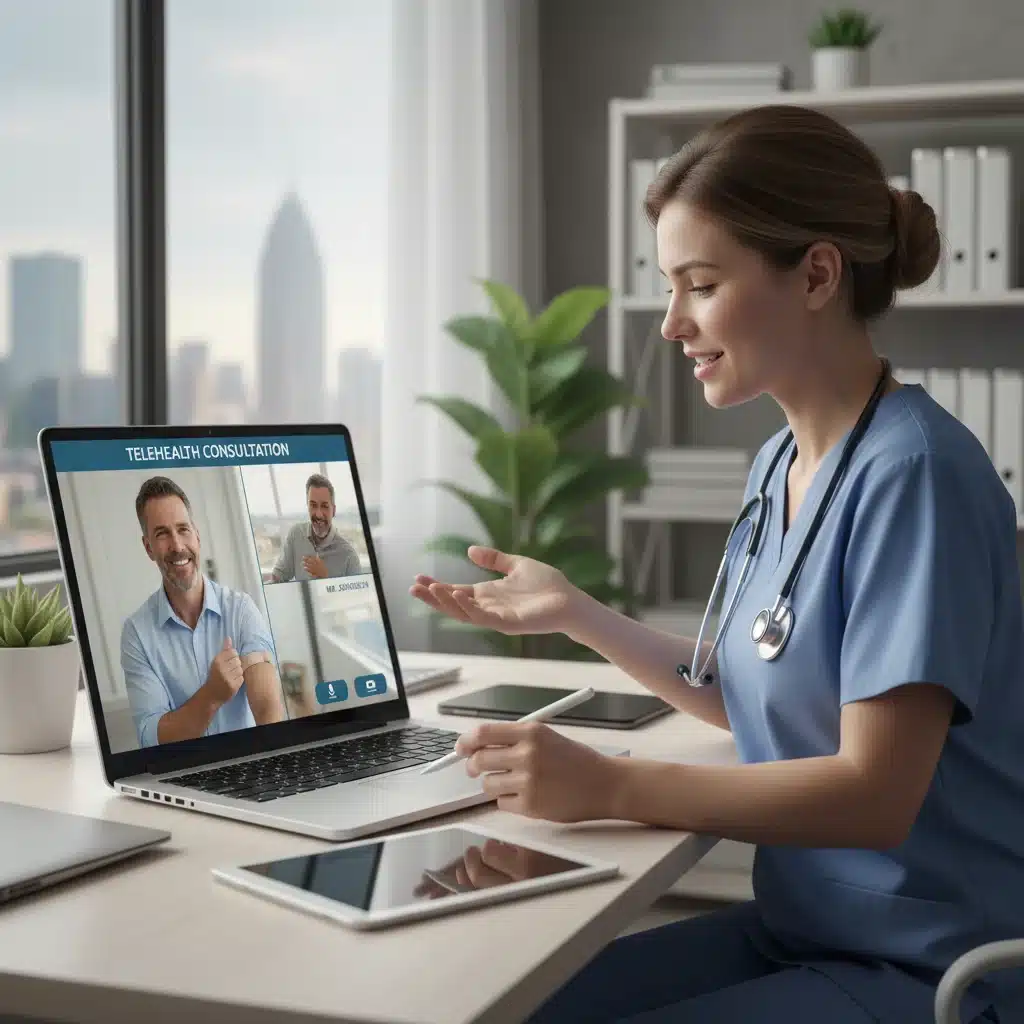
Telehealth has moved beyond a temporary solution during the pandemic to a permanent fixture in healthcare delivery. In 2026, advanced telehealth platforms will offer:
- Comprehensive Virtual Consultations: High-definition video, secure audio, and chat functionalities for a wide range of medical encounters.
- Remote Patient Monitoring (RPM): Devices that collect vital signs, glucose levels, blood pressure, and other data from patients at home, transmitting it securely to providers for continuous oversight. This is particularly crucial for chronic disease management.
- Virtual Triage and Urgent Care: AI-powered chatbots and virtual assistants that can guide patients to the appropriate level of care, reducing unnecessary ER visits.
- E-Prescribing and Remote Diagnostics: Streamlined prescription workflows and the ability to conduct certain diagnostic tests remotely.
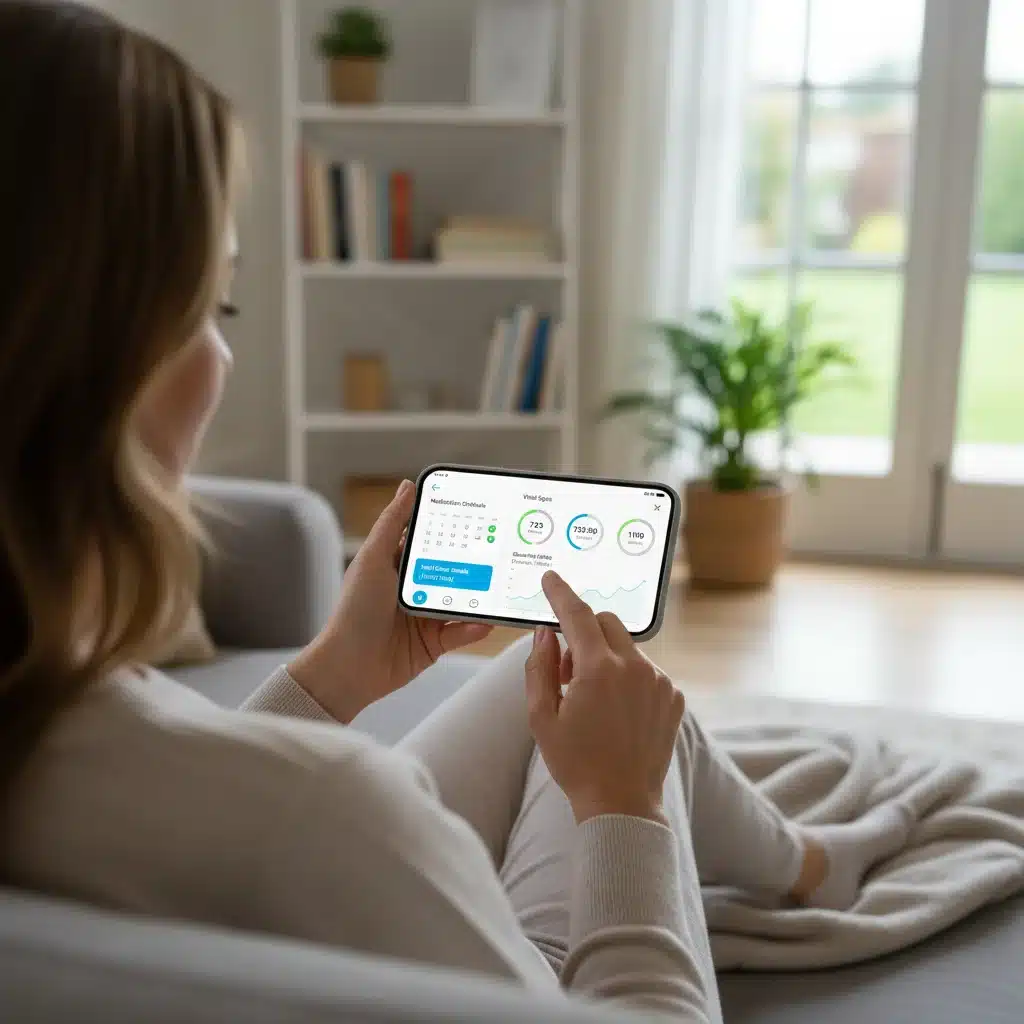
3. Mobile Health (mHealth) Applications
Smartphones are ubiquitous, making mHealth apps powerful tools for digital patient engagement. These apps can:
- Provide Health Tracking: Allow patients to log symptoms, diet, exercise, and mood.
- Deliver Personalized Education: Offer condition-specific information, lifestyle coaching, and preventive care tips.
- Facilitate Medication Adherence: Send reminders, provide dosage instructions, and track compliance.
- Support Behavioral Health: Offer mindfulness exercises, cognitive behavioral therapy (CBT) tools, and access to mental health resources.
- Gamification: Incorporate game-like elements to motivate patients to achieve health goals.
4. Artificial Intelligence (AI) and Machine Learning (ML)
AI and ML are revolutionizing how providers interact with patients and analyze health data:
- Personalized Care Plans: AI can analyze vast amounts of patient data to suggest highly personalized treatment plans and preventive strategies.
- Predictive Analytics: Identify patients at high risk of developing certain conditions or experiencing adverse events, allowing for proactive interventions.
- AI-Powered Chatbots: Provide instant answers to common patient questions, guide them through processes, and even conduct preliminary symptom assessments.
- Clinical Decision Support: Assist providers in making more informed decisions by synthesizing complex data and highlighting relevant information.
5. Social Media and Online Communities (Managed)
While requiring careful management, social media and online patient communities can foster a sense of belonging and provide peer support. Providers can:
- Share Reliable Health Information: Disseminate accurate and up-to-date health advice.
- Host Q&A Sessions: Engage with patients directly and address common concerns.
- Facilitate Peer Support Groups: Create moderated online spaces where patients with similar conditions can share experiences and support each other.
Strategic Implementation of Digital Patient Engagement in 2026
Simply adopting digital tools is not enough; successful digital patient engagement requires a well-thought-out strategy. US providers must focus on several key areas:
1. Interoperability and Integration
The fragmented nature of healthcare IT systems is a major challenge. In 2026, providers must prioritize tools that seamlessly integrate with existing Electronic Health Records (EHRs) and other clinical systems. This ensures a unified view of patient data, reduces administrative burden, and prevents data silos. APIs and standardized data exchange protocols will be critical.
2. User-Centric Design and Accessibility
Digital tools must be intuitive, easy to use, and accessible to all patient populations, including the elderly and those with disabilities. A poor user experience will lead to low adoption rates. Providers should invest in user experience (UX) research and design, ensuring multi-language support and adherence to accessibility standards (e.g., WCAG).
3. Data Security and Privacy (HIPAA Compliance)
Patient data is highly sensitive. Adherence to HIPAA regulations and robust cybersecurity measures are non-negotiable. Providers must ensure that all digital platforms are secure, encrypt data in transit and at rest, and have clear privacy policies. Building patient trust in data security is paramount for successful digital patient engagement.
4. Staff Training and Workflow Integration
Technology is only as good as the people using it. Comprehensive training for healthcare staff – from front-desk personnel to clinicians – is essential. Workflows must be redesigned to incorporate digital tools efficiently, ensuring that technology enhances rather than hinders clinical operations. This includes training on how to use patient portals, conduct telehealth visits, and interpret RPM data.
5. Personalization and Customization
One-size-fits-all approaches rarely work in healthcare. Digital engagement strategies should be highly personalized based on patient demographics, health conditions, preferences, and communication styles. AI and machine learning can play a significant role in delivering tailored content and interventions.
6. Measuring and Iterating
Providers must establish clear metrics to evaluate the effectiveness of their digital engagement initiatives. Key performance indicators (KPIs) might include patient portal adoption rates, telehealth utilization, medication adherence rates, patient satisfaction scores (HCAHPS), and clinical outcome improvements. Regular analysis of these metrics allows for continuous improvement and iteration of strategies.
Overcoming Challenges in Digital Patient Engagement
While the benefits are clear, implementing effective digital patient engagement strategies comes with its own set of challenges:
- Digital Divide: Not all patients have equal access to technology or digital literacy. Providers must offer alternative communication channels and provide support to bridge this gap.
- Data Overload: The sheer volume of data generated by digital tools can be overwhelming. Intelligent filters and analytics are needed to present actionable insights to providers.
- Interoperability Issues: As mentioned, integrating disparate systems remains a significant hurdle. Industry-wide standards and vendor collaboration are crucial.
- Privacy Concerns: Despite security measures, some patients may still be hesitant to share sensitive health information digitally. Clear communication about data protection is vital.
- Physician Burnout: Adding new technologies without careful workflow integration can increase physician workload. Solutions must be designed to reduce, not add to, administrative burden.
The Future of Digital Patient Engagement: 2026 and Beyond
Looking ahead to 2026, the evolution of digital patient engagement will likely see several exciting developments:
- Hyper-Personalization with AI: AI will move beyond basic recommendations to truly understand individual patient needs, preferences, and even emotional states, delivering highly customized care pathways and support.
- Virtual Reality (VR) and Augmented Reality (AR) in Healthcare: These immersive technologies could be used for patient education, pain management, rehabilitation, and even surgical preparation, making complex information more accessible and engaging.
- Wearables and Implantable Devices: Continuous, real-time monitoring of physiological data will become more sophisticated and integrated, providing unprecedented insights into patient health and enabling proactive interventions.
- Blockchain for Health Data Security: Blockchain technology could offer enhanced security, transparency, and patient control over their health records, addressing some of the privacy concerns.
- Increased Focus on Behavioral Health Integration: Digital tools will play an even larger role in delivering accessible and scalable mental health support, reducing stigma and improving access to care.
- Preventive and Predictive Care: The emphasis will shift further from reactive treatment to proactive prevention, with digital tools identifying risks and guiding patients toward healthier lifestyles before conditions manifest.
The regulatory environment will also continue to adapt, with policies likely evolving to support greater interoperability, telehealth reimbursement, and data-sharing standards, all while reinforcing patient privacy and security.
Case Study Example (Hypothetical)
Consider ‘Harmony Health Systems,’ a mid-sized US hospital network that implemented a comprehensive digital patient engagement strategy in 2024. They upgraded their patient portal to include AI-powered symptom checkers, integrated remote patient monitoring for their diabetic population, and launched a dedicated mobile app for prenatal care. Within two years, by 2026, Harmony Health reported:
- A 40% increase in patient portal active users.
- A 25% reduction in hospital readmissions for patients using RPM.
- A 15% improvement in medication adherence for chronic disease patients.
- A significant increase in patient satisfaction scores related to communication and access to care.
- A 10% reduction in administrative costs due to automated scheduling and information dissemination.
This hypothetical example illustrates the tangible benefits that a well-executed digital engagement strategy can yield.
Conclusion: Embracing the Digital Future of Patient Care
The journey towards optimized digital patient engagement is continuous, demanding adaptability, innovation, and a steadfast commitment to putting the patient at the center of care. For US healthcare providers, 2026 represents a pivotal moment to fully embrace the transformative potential of digital health tools. By strategically implementing advanced patient portals, leveraging telehealth, utilizing mHealth apps, and integrating AI, providers can foster a more collaborative, informed, and ultimately, healthier patient population.
The benefits extend beyond individual patient outcomes to encompass operational efficiencies, cost reductions, and a more resilient healthcare system. As technology continues to evolve, so too must our approach to patient care. Those who lead the charge in effective digital engagement will not only thrive in the evolving healthcare landscape but will also set new standards for compassionate, high-quality, and accessible care for all.
Embracing these strategies is not just about adopting new gadgets; it’s about fundamentally rethinking how we connect with patients, empower them in their health journeys, and build a future where healthcare is truly collaborative and patient-driven. The time for robust digital patient engagement is now.