Secure Messaging Platforms for US Healthcare: Enhancing Communication and Reducing Errors by 10% in 2026

Secure Messaging Platforms for US Healthcare: Enhancing Communication and Reducing Errors by 10% in 2026
In the complex and fast-paced environment of US healthcare, effective and secure communication is not merely a convenience; it is a critical pillar of patient safety and operational efficiency. The healthcare industry has long grappled with communication breakdowns, which are frequently cited as a root cause of medical errors. As we move further into the digital age, secure messaging platforms are emerging as a transformative solution, poised to revolutionize how healthcare professionals interact, share vital information, and ultimately, deliver care. This article delves into the profound impact of secure healthcare messaging, exploring its benefits, challenges, and the ambitious goal of achieving a 10% reduction in medical errors by 2026 through its widespread adoption.
The US healthcare system, with its intricate web of specialists, departments, and patient pathways, often suffers from fragmented communication. Pagers, faxes, and unsecured text messages, while still in use, represent outdated and often non-compliant methods that can lead to delays, misinterpretations, and ultimately, adverse patient outcomes. The imperative to improve communication is not just about efficiency; it’s about saving lives and enhancing the quality of care. Secure messaging platforms offer a robust alternative, providing a HIPAA-compliant, real-time communication channel that can bridge these gaps.
The Critical Need for Enhanced Communication in Healthcare
Communication failures in healthcare are a well-documented and persistent problem. Studies by organizations like The Joint Commission consistently highlight communication issues as a leading cause of sentinel events – unexpected occurrences involving death or serious physical or psychological injury. These failures can manifest in various ways: delayed information transfer, incomplete handoffs, miscommunication of orders, and lack of coordination among care teams. The consequences are severe, ranging from delayed diagnoses and inappropriate treatments to preventable readmissions and increased healthcare costs.
Traditional communication methods are simply not equipped to meet the demands of modern healthcare. Pagers are one-way and offer no context. Faxes are slow, prone to errors, and lack the immediacy required for critical decisions. Standard text messages and emails, while convenient, often lack the necessary encryption and security features to comply with the Health Insurance Portability and Accountability Act (HIPAA), leaving patient data vulnerable. This creates a significant dilemma for healthcare providers who need to communicate quickly but are bound by strict privacy regulations.
The advent of secure healthcare messaging addresses these fundamental shortcomings. By providing an encrypted, auditable, and real-time platform, these solutions enable seamless information exchange, fostering better collaboration among physicians, nurses, pharmacists, and other allied health professionals. This improved communication is not just about speed; it’s about accuracy, context, and the ability to make informed decisions swiftly, leading to better patient outcomes.
Understanding Secure Messaging Platforms: Features and Functionality
At its core, a secure messaging platform for healthcare is designed to facilitate encrypted, HIPAA-compliant communication between healthcare professionals. While specific features may vary between vendors, several core functionalities are essential:
- End-to-End Encryption: All messages, including text, images, and attachments (such as lab results or ECGs), are encrypted from the sender’s device to the recipient’s, ensuring data privacy and compliance with HIPAA regulations.
- HIPAA Compliance: Platforms are built with strict adherence to HIPAA security rules, including administrative, physical, and technical safeguards. This often includes audit trails, access controls, and data backup and recovery protocols.
- Real-Time Communication: Instant delivery of messages, alerts, and notifications allows for rapid decision-making and immediate response to critical situations.
- Group Messaging and Collaboration: The ability to create secure group chats for specific patient cases or care teams fosters multidisciplinary collaboration and ensures all relevant parties are informed simultaneously.
- Attachment Sharing: Securely share patient-related files, images, and documents, eliminating the need for faxes or unsecured email.
- Integration Capabilities: Many platforms offer integration with Electronic Health Records (EHR) systems, scheduling software, and other clinical applications, streamlining workflows and providing a comprehensive view of patient information.
- Read Receipts and Delivery Confirmations: These features provide accountability, allowing senders to know when a message has been delivered and read, which is crucial for critical communications.
- On-Call Scheduling and Directory Management: Integrated directories and on-call schedules simplify finding the right person to contact, reducing delays in communication.
- Secure Photo and Video Sharing: Healthcare professionals can securely capture and share clinical images or videos for consultation, diagnosis, or documentation, maintaining patient privacy.
The combination of these features transforms communication from a potential vulnerability into a powerful tool for coordinated care. For instance, a physician can securely send a patient’s imaging results to a specialist for an immediate consult, or a nurse can quickly alert a doctor to a change in a patient’s condition, all within a secure and auditable environment.
Targeting a 10% Reduction in Medical Errors by 2026
The ambitious goal of reducing medical errors by 10% by 2026 is not merely aspirational; it is a tangible target that secure healthcare messaging platforms are uniquely positioned to help achieve. Communication breakdowns are directly linked to a significant percentage of preventable errors. By addressing these breakdowns, secure messaging can have a direct and measurable impact on patient safety.
- Improved Handoffs: Poor handoffs between shifts or departments are notorious for leading to errors. Secure messaging facilitates structured, comprehensive, and real-time handoff communication, ensuring that all critical patient information is accurately transferred.
- Reduced Delays in Care: Instant communication means faster responses to critical lab results, changes in patient status, or requests for physician orders. This can significantly reduce delays in diagnosis and treatment.
- Enhanced Medication Safety: Clear, unambiguous communication of medication orders, allergies, and patient responses through a secure platform can minimize transcription errors and ensure the right medication is administered at the right time.
- Better Team Coordination: When all members of a care team can communicate seamlessly and securely, they can coordinate care plans more effectively, leading to fewer redundancies, improved adherence to protocols, and a more holistic approach to patient management.
- Access to Timely Information: Secure platforms provide healthcare providers with immediate access to colleagues and patient information, allowing them to make more informed decisions, even when not physically present.
Achieving a 10% reduction requires a concerted effort, but the data strongly suggests that improving communication is one of the most impactful interventions. By quantifying the current error rates attributable to communication and then systematically implementing and measuring the impact of secure messaging, healthcare organizations can track progress towards this vital goal.
HIPAA Compliance: The Cornerstone of Secure Healthcare Messaging
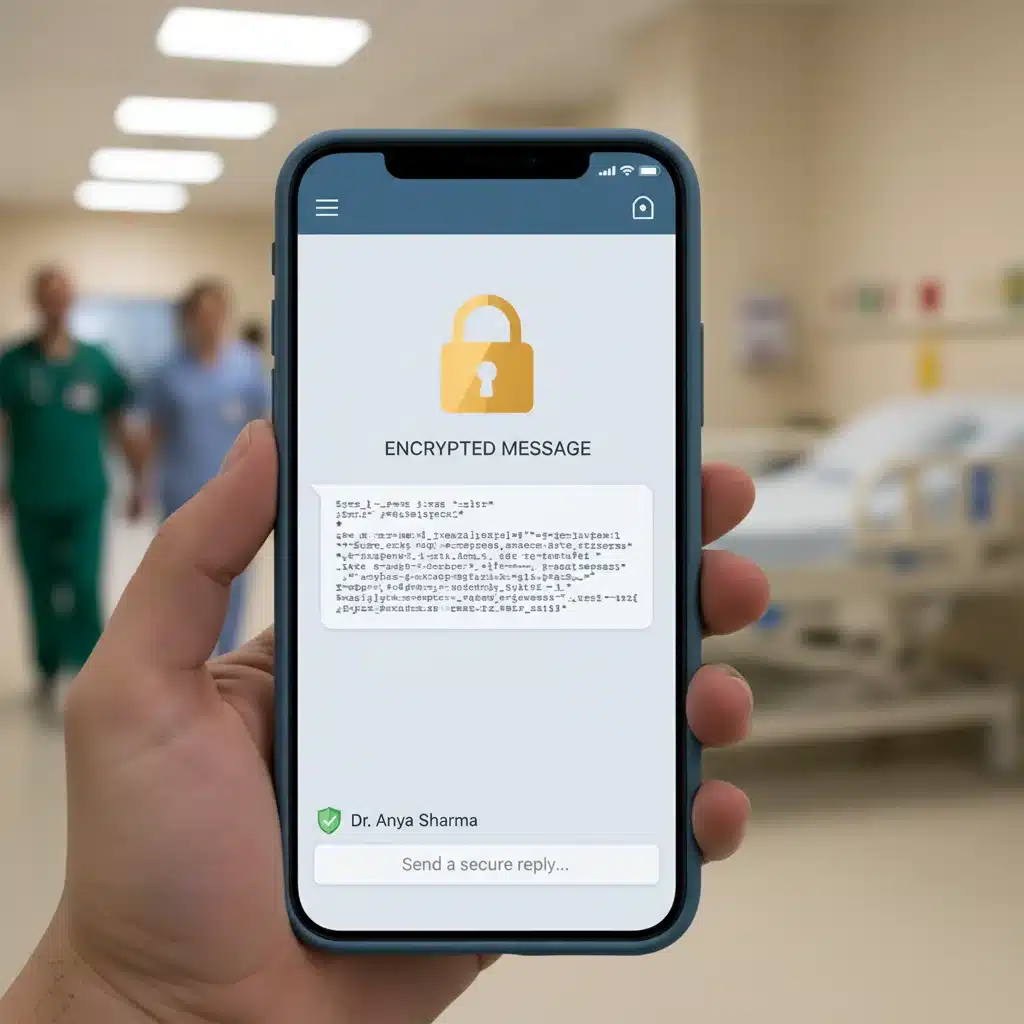
In the US healthcare landscape, HIPAA compliance is non-negotiable. Any technology that handles Protected Health Information (PHI) must meet stringent federal regulations designed to protect patient privacy and data security. This is where secure healthcare messaging platforms truly differentiate themselves from consumer-grade messaging apps.
HIPAA regulations require:
- Confidentiality: PHI must be protected from unauthorized access, use, or disclosure. Secure messaging platforms achieve this through robust encryption and access controls.
- Integrity: PHI must not be altered or destroyed in an unauthorized manner. Audit trails and secure data storage ensure the integrity of messages and attachments.
- Availability: PHI must be accessible and usable upon demand by authorized persons. Redundant systems and disaster recovery plans are integral to maintaining availability.
Furthermore, HIPAA mandates that covered entities (healthcare providers, health plans, and healthcare clearinghouses) and their business associates (third-party vendors who handle PHI) enter into a Business Associate Agreement (BAA). A reputable secure messaging vendor will readily sign a BAA, outlining their responsibilities in protecting PHI and ensuring compliance. This legal agreement is a critical safeguard for healthcare organizations.
Using unsecured communication channels, such as standard text messages or personal email accounts, for patient-related discussions is a direct violation of HIPAA and can lead to severe penalties, including hefty fines and reputational damage. Secure messaging platforms are engineered from the ground up with HIPAA in mind, providing the necessary technical, administrative, and physical safeguards to ensure that all communications are compliant and patient data remains protected.
Implementation Strategies for Healthcare Organizations
Successful adoption of secure healthcare messaging requires more than just purchasing a platform; it necessitates a well-thought-out implementation strategy. Healthcare organizations should consider the following steps:
- Needs Assessment: Identify specific communication pain points within the organization. What departments struggle most with information exchange? Where are the highest risks for communication-related errors?
- Vendor Selection: Evaluate different secure messaging platforms based on features, scalability, integration capabilities (especially with EHRs), user-friendliness, security protocols, and vendor support. Ensure the vendor is willing to sign a BAA.
- Pilot Program: Start with a pilot program in a specific department or unit. This allows for testing the platform in a real-world setting, gathering feedback from end-users, and identifying any unforeseen challenges or opportunities for optimization.
- Comprehensive Training: Provide thorough training to all users, emphasizing not only how to use the platform but also the importance of secure communication and HIPAA compliance. Training should be ongoing and accessible.
- Policy Development: Establish clear policies and procedures for the use of the secure messaging platform, including guidelines for appropriate content, response times, and escalation protocols.
- Integration with Existing Systems: Prioritize integration with existing EHRs and other clinical systems to create a seamless workflow and avoid data silos. This enhances the value of the platform by making patient data readily available within the communication context.
- Phased Rollout: After a successful pilot, gradually roll out the platform across the entire organization, providing continuous support and addressing user concerns.
- Performance Monitoring and Feedback: Continuously monitor the platform’s usage and effectiveness. Collect feedback from users and leadership to identify areas for improvement and demonstrate the return on investment. Track key metrics related to communication efficiency and error reduction.
Engaging clinical leadership and champions throughout the process is crucial for driving adoption and ensuring that the platform meets the practical needs of healthcare professionals. A top-down and bottom-up approach to engagement will foster a culture of secure and efficient communication.
Benefits Beyond Error Reduction: The Broader Impact
While the reduction of medical errors is a paramount goal, the benefits of secure healthcare messaging extend far beyond patient safety. These platforms contribute to a more efficient, collaborative, and resilient healthcare system:
- Enhanced Efficiency: Reduced time spent on phone calls, faxes, and tracking down colleagues. Instant communication streamlines workflows, allowing healthcare professionals to dedicate more time to direct patient care.
- Improved Clinician Satisfaction: Frustration with inefficient communication tools is a common source of burnout. Providing intuitive and effective secure messaging solutions can improve job satisfaction by making daily tasks easier and more productive.
- Better Patient Experience: Faster communication leads to quicker diagnoses, more coordinated care, and ultimately, a more positive experience for patients and their families. While direct patient messaging is a separate, though related, area, internal secure communication indirectly benefits patients by improving the quality and speed of care delivery.
- Cost Savings: By reducing errors, avoiding readmissions, and optimizing staff time, secure messaging can lead to significant cost savings for healthcare organizations. Reduced reliance on traditional communication methods (e.g., paper, fax lines) also contributes to operational savings.
- Disaster Preparedness and Business Continuity: In emergencies or disasters, secure messaging provides a reliable and resilient communication channel when traditional systems might fail. It allows for rapid dissemination of critical information and coordination of response efforts.
- Data Analytics and Insights: The data generated by secure messaging platforms can be analyzed to identify communication patterns, bottlenecks, and areas for further improvement, providing valuable insights for operational optimization.
The cumulative effect of these benefits paints a picture of a healthcare system that is not only safer but also more agile, responsive, and sustainable. The investment in secure healthcare messaging is an investment in the future of healthcare delivery.
Addressing Challenges and Future Outlook
Despite the undeniable advantages, the widespread adoption of secure messaging platforms is not without its challenges. These include:
- Integration Complexities: Integrating new platforms with legacy EHR systems and other clinical software can be technically challenging and require significant IT resources.
- User Adoption: Healthcare professionals are often resistant to change, and ensuring full user adoption requires effective training, ongoing support, and demonstrating clear benefits.
- Cost: Implementing and maintaining secure messaging platforms can represent a significant investment, particularly for smaller healthcare facilities.
- Alert Fatigue: While immediate communication is beneficial, an overload of notifications can lead to alert fatigue, where critical messages are overlooked. Platforms need intelligent notification management.
- Interoperability: Ensuring seamless communication between different healthcare organizations that may use different secure messaging platforms remains a challenge, though industry standards are evolving.
However, these challenges are being actively addressed by technology providers and healthcare organizations. Advances in API development are making integrations smoother, and user-centered design is improving platform usability. The long-term benefits in terms of patient safety and efficiency far outweigh the initial hurdles.
Looking ahead, the future of secure healthcare messaging is bright. We can expect to see:
- Increased AI and Machine Learning Integration: AI could help triage messages, identify critical information, and even suggest responses, further enhancing efficiency.
- Enhanced Telehealth Capabilities: Secure messaging will become even more integral to telehealth, facilitating asynchronous communication between providers and patients, and among care teams supporting virtual visits.
- Greater Interoperability: Industry efforts to standardize data exchange will lead to more seamless communication across different platforms and organizations.
- Personalized Communication: Platforms may evolve to offer more personalized communication experiences tailored to the specific roles and preferences of individual healthcare professionals.
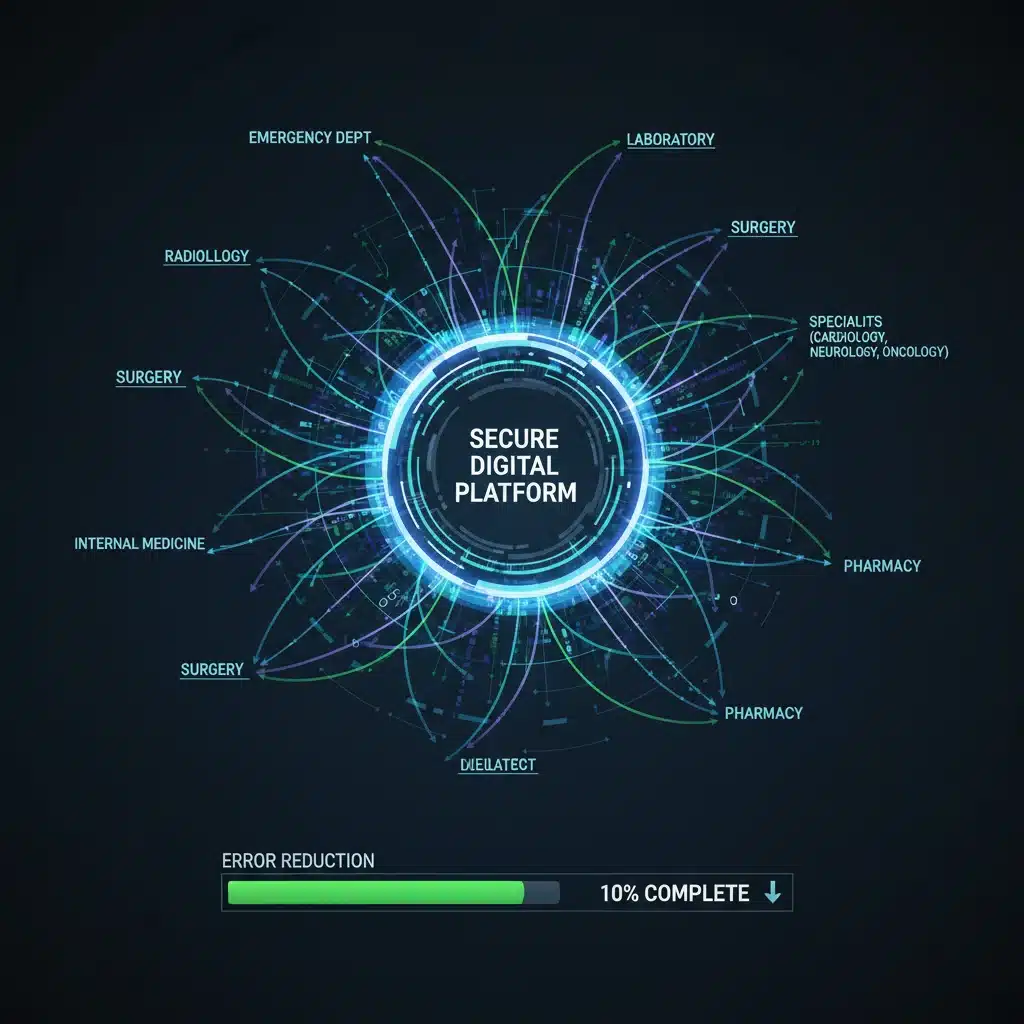
The goal of a 10% reduction in medical errors by 2026 is an ambitious yet achievable target, driven significantly by the intelligent deployment and utilization of secure messaging platforms. By fostering a culture of secure, efficient, and collaborative communication, the US healthcare system can make significant strides towards a safer and more effective future.
Conclusion
The journey towards a safer and more efficient US healthcare system is intrinsically linked to how effectively and securely its professionals communicate. Communication breakdowns have historically been a significant contributor to medical errors, leading to preventable harm and increased costs. The advent and maturation of secure healthcare messaging platforms offer a powerful antidote to these challenges.
By providing HIPAA-compliant, real-time, and encrypted channels for information exchange, these platforms are not just improving operational efficiency; they are fundamentally transforming patient care. The ability to instantly share critical patient data, coordinate care teams, and make rapid, informed decisions in a secure environment is invaluable. The ambitious target of reducing medical errors by 10% by 2026 is a testament to the transformative potential of these technologies.
While implementation requires careful planning, training, and integration, the long-term benefits in terms of enhanced patient safety, improved clinician satisfaction, and overall system efficiency are profound. As healthcare continues its digital evolution, secure messaging platforms will undoubtedly remain at the forefront, serving as an indispensable tool in the ongoing quest to deliver the highest quality of care to every patient. The future of healthcare communication is secure, collaborative, and critically, error-reducing.