
Digital Mental Health Solutions: Boosting US Care Accessibility by 20% by 2027
The landscape of mental healthcare in the United States is at a critical juncture. Despite growing awareness and reduced stigma, a significant portion of the population still faces immense barriers to accessing timely and effective mental health support. From geographical isolation and transportation issues to financial constraints and a shortage of qualified professionals, the challenges are multifaceted. However, a powerful paradigm shift is underway, driven by the rapid evolution of digital mental health solutions. These innovative approaches promise to democratize access, making mental healthcare more available, affordable, and personalized than ever before. Our ambitious goal, and the focus of this article, is to explore how these digital tools can help increase mental health care accessibility across the US by a remarkable 20% by the year 2027.
The Unmet Need: Why Digital Mental Health is Crucial
The statistics paint a stark picture. According to Mental Health America, nearly one in five American adults experiences a mental illness each year, yet over half of them do not receive treatment. This gap in care is exacerbated by several systemic issues:
- Provider Shortages: There’s a significant deficit of mental health professionals, particularly in rural and underserved areas. Many counties in the US lack even a single psychiatrist.
- Geographical Barriers: For millions living in remote regions, traveling to a therapist’s office is impractical or impossible.
- Cost of Care: High co-pays, deductibles, and limited insurance coverage often deter individuals from seeking help.
- Stigma: While decreasing, the societal stigma associated with mental illness still prevents many from reaching out.
- Time Constraints: Busy schedules, work commitments, and family responsibilities make it difficult to attend traditional in-person appointments.
This confluence of factors creates a profound and urgent need for scalable, flexible, and cost-effective solutions. This is precisely where digital mental health interventions shine, offering a beacon of hope for millions. By leveraging technology, we can transcend traditional boundaries and bring care directly to those who need it most, when they need it most.
Defining Digital Mental Health: More Than Just Video Calls
When we talk about digital mental health, it’s essential to understand that this umbrella term encompasses a wide array of technologies and services. It goes far beyond simple video conferencing, though telehealth is certainly a cornerstone. Key components include:
- Telehealth and Telepsychiatry: Real-time video or audio consultations with licensed therapists, psychologists, and psychiatrists. This is perhaps the most direct digital analogue to traditional in-person care.
- Mobile Mental Health Apps: Applications offering guided meditations, mood tracking, cognitive behavioral therapy (CBT) exercises, mindfulness practices, and even peer support networks.
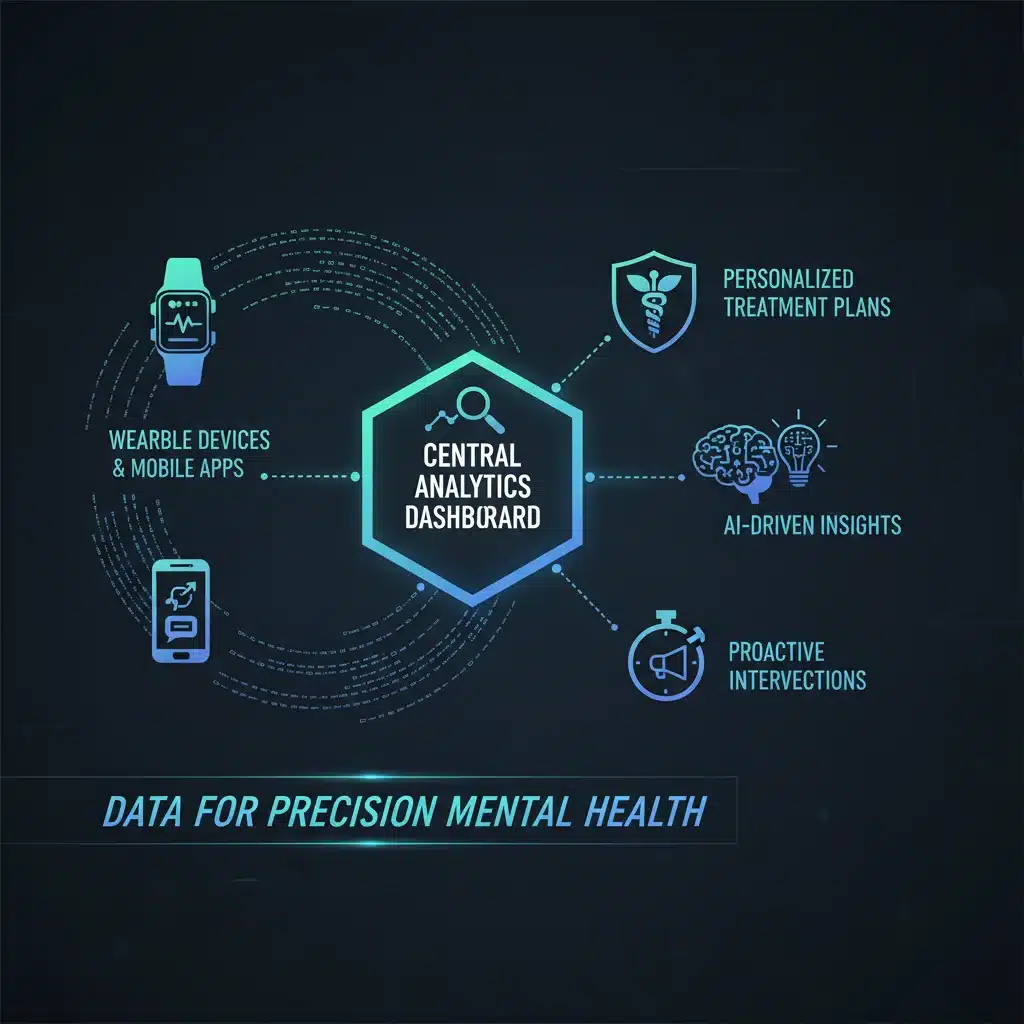
- Wearable Technology Integration: Devices that monitor physiological markers like heart rate variability, sleep patterns, and activity levels, which can provide insights into stress and mood fluctuations.
- Virtual Reality (VR) and Augmented Reality (AR): Immersive experiences used for exposure therapy (e.g., for phobias), stress reduction, and skill-building in safe, controlled environments.
- Artificial Intelligence (AI) and Machine Learning (ML): AI-powered chatbots for initial screenings, personalized content recommendations, predictive analytics for relapse prevention, and even AI-driven therapeutic interventions.
- Online Peer Support Platforms: Moderated forums and communities where individuals can connect with others facing similar challenges, offering mutual support and reducing feelings of isolation.
- Digital Therapeutics (DTx): Software programs designed to prevent, manage, or treat a medical disorder or disease. These are often evidence-based and require regulatory approval.
The beauty of this diverse ecosystem is its ability to cater to different needs, preferences, and levels of severity. From self-help tools for mild stress to comprehensive tele-therapy for severe conditions, digital mental health offers a spectrum of care previously unimaginable.
The Path to 20% Increased Accessibility by 2027
Achieving a 20% increase in mental health care accessibility by 2027 is an ambitious but attainable goal, predicated on strategic implementation and broad adoption of digital mental health solutions. This requires a multi-pronged approach involving technology providers, healthcare systems, policymakers, and individuals.
Expanding Telehealth Infrastructure and Reimbursement
The COVID-19 pandemic dramatically accelerated the adoption of telehealth, demonstrating its efficacy and necessity. To sustain and expand this momentum, several steps are crucial:
- Permanent Telehealth Policies: Making temporary pandemic-era telehealth policies permanent, ensuring consistent reimbursement parity with in-person services across all payers (Medicare, Medicaid, and private insurance).
- Interstate Licensure Compacts: Streamlining licensing processes for mental health professionals to practice across state lines, addressing provider shortages in underserved regions.
- Broadband Access: Investing in robust broadband infrastructure, especially in rural areas, to ensure equitable access to high-quality video consultations.
- Digital Literacy Programs: Offering support and training to both patients and providers to enhance their comfort and proficiency with digital platforms.
By solidifying these foundational elements, telehealth can become a ubiquitous and reliable component of mental healthcare, reaching individuals who were previously geographically or logistically isolated. This expansion is a cornerstone for increasing overall access to digital mental health services.

Leveraging Mobile Apps and Digital Therapeutics
The ubiquity of smartphones presents an unparalleled opportunity for scalable mental health support. Mobile apps and digital therapeutics can:
- Provide Early Intervention: Offer immediate, low-barrier support for individuals experiencing mild to moderate symptoms, potentially preventing escalation.
- Supplement Traditional Therapy: Serve as valuable adjuncts to in-person or telehealth therapy, reinforcing learned skills and providing between-session support.
- Reach Underserved Populations: Offer culturally competent and language-specific resources to diverse communities.
- Offer Psychoeducation: Disseminate accurate information about mental health conditions, coping strategies, and self-care techniques to a broad audience.
For these tools to contribute effectively to increased accessibility, rigorous evaluation for clinical efficacy and user-friendliness is paramount. Healthcare providers need clear guidelines on how to recommend and integrate these apps into care plans, ensuring that the digital mental health landscape is not just vast, but also trustworthy.
The Role of AI and Data Analytics in Personalized Care
Artificial intelligence and machine learning are poised to revolutionize personalized mental healthcare. These technologies can:
- Enhance Diagnosis and Triage: AI algorithms can analyze symptom patterns and user input to assist in early diagnosis and guide individuals to the most appropriate level of care.
- Personalize Treatment Plans: By analyzing vast datasets, AI can help tailor therapeutic interventions, content, and coping strategies to an individual’s unique needs and progress.
- Predict Relapse Risk: Machine learning models can identify patterns that precede a mental health crisis, allowing for proactive interventions and support.
- Automate Routine Tasks: AI chatbots can handle administrative queries, provide basic psychoeducation, and offer guided exercises, freeing up human clinicians to focus on more complex cases.
The ethical implications of AI in mental health, particularly concerning data privacy and bias, must be carefully navigated. However, the potential for AI to create a more responsive, individualized, and efficient digital mental health system is immense, directly contributing to better access and outcomes.
Addressing Challenges and Ensuring Equity
While the promise of digital mental health is undeniable, several challenges must be addressed to ensure that increased accessibility is also equitable and effective.
Digital Divide and Equity
The “digital divide” – disparities in access to technology and reliable internet – remains a significant hurdle. Efforts to increase accessibility must intentionally target underserved communities, providing not just the platforms but also the necessary devices and internet access. Furthermore, solutions must be designed with cultural competence in mind, ensuring they are relevant and respectful of diverse backgrounds.
Data Privacy and Security
Mental health data is highly sensitive. Robust encryption, compliance with HIPAA regulations, and transparent data usage policies are non-negotiable. Building and maintaining user trust is paramount for widespread adoption of digital mental health services.
Regulatory Frameworks and Quality Control
As the digital mental health landscape expands, clear regulatory frameworks are needed to ensure the safety, efficacy, and ethical delivery of services. This includes guidelines for app development, AI implementation, and professional standards for telehealth providers. Establishing clear benchmarks for quality will help distinguish effective tools from ineffective or even harmful ones.
Integration with Existing Healthcare Systems
For maximum impact, digital mental health solutions should not operate in silos. Seamless integration with electronic health records (EHRs) and existing healthcare workflows is crucial for coordinated care, enabling providers to have a holistic view of a patient’s physical and mental health. This interoperability ensures that digital tools augment, rather than complicate, care delivery.
Case Studies and Success Stories in Digital Mental Health
Numerous examples already highlight the effectiveness of digital mental health in action:
- Veterans Affairs (VA) Telehealth: The VA has been a leader in telehealth, providing extensive mental health services to veterans across vast geographical areas, significantly reducing wait times and improving access for a population often facing unique challenges.
- Kaiser Permanente’s Digital Offerings: This integrated healthcare system offers a range of digital mental health tools, including online therapy, self-help modules, and apps, demonstrating how large organizations can successfully embed these services.
- Specialized Apps for Specific Conditions: Apps like ‘PTSD Coach’ from the VA, or commercial apps focusing on anxiety, depression, or sleep, show how targeted digital interventions can provide effective, accessible support.
- Crisis Text Line: This service provides 24/7 support for individuals in crisis via text message, showcasing how digital communication can offer immediate, anonymous, and life-saving intervention.
These examples underscore the tangible benefits and the potential for wider impact as digital mental health solutions continue to evolve and gain traction. They serve as blueprints for how we can scale up efforts to meet our 20% accessibility goal by 2027.
The Future Outlook: A More Accessible and Equitable Mental Healthcare System
The journey towards a 20% increase in mental health care accessibility by 2027 is ambitious, but entirely feasible with concerted effort. It requires continued innovation, thoughtful policy-making, and a commitment to equitable implementation. The integration of digital mental health into mainstream healthcare is not just a technological advancement; it is a fundamental shift in how we conceive of and deliver mental wellness support.
Imagine a future where:
- Anyone, regardless of their location or socioeconomic status, can access high-quality mental health support with a few clicks.
- Early intervention is the norm, preventing mental health conditions from escalating into crises.
- Mental healthcare is seamlessly integrated into primary care, making it a routine part of overall wellness.
- Personalized, data-driven insights lead to more effective and efficient treatment paths.
This vision is within reach. By embracing the power of digital mental health, we can dismantle existing barriers, empower individuals to take control of their mental well-being, and ultimately build a healthier, more resilient society. The next few years will be pivotal in shaping this future, and the commitment to increasing accessibility by 20% is a critical step in that direction.
Conclusion: A Call to Action for Digital Mental Health
The mental health crisis in the US demands innovative and scalable solutions. Digital mental health offers a powerful and proven pathway to significantly enhance accessibility, reaching millions who currently go without care. By focusing on robust telehealth infrastructure, leveraging mobile and AI-driven tools, and diligently addressing issues of equity, privacy, and regulation, we can achieve our goal of a 20% increase in care accessibility by 2027.
This is not merely about adopting new technologies; it’s about fundamentally rethinking how mental healthcare is delivered. It’s about empowering individuals, supporting communities, and building a healthcare system that truly serves everyone. The time for digital mental health is now, and its potential to transform lives is boundless. Let us collectively work towards this future, ensuring that mental wellness is not a privilege, but an accessible right for all Americans.