5G’s Transformative Impact on US Digital Health: Remote Care Boost
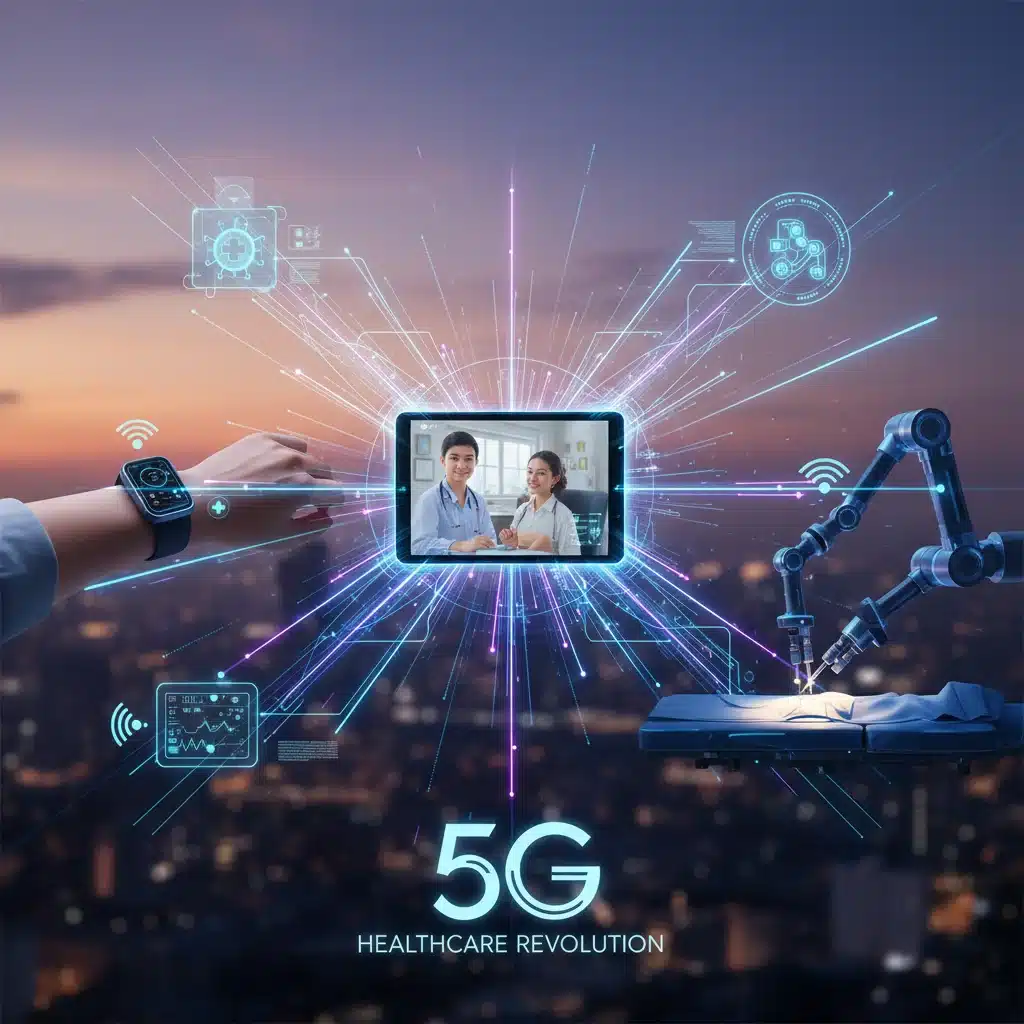
The landscape of healthcare is undergoing a profound transformation, driven by technological advancements that promise to reshape how medical services are delivered and accessed. At the forefront of this revolution is 5G technology, a game-changer poised to dramatically enhance the US digital health infrastructure. The promise of 5G digital health isn’t just about faster internet; it’s about enabling a new era of remote care, real-time monitoring, and accessible medical expertise that could improve patient outcomes and operational efficiencies across the nation.
In an increasingly connected world, the demand for instantaneous, reliable, and secure data transmission in healthcare has never been more critical. The COVID-19 pandemic underscored the urgent need for robust digital health solutions, pushing telemedicine and remote patient monitoring from niche services to essential components of care delivery. As we look ahead, the integration of 5G digital health capabilities is projected to boost remote care capabilities by a remarkable 25% in the next 12 months, setting a new benchmark for healthcare accessibility and quality.
This article delves into the multifaceted impact of 5G on the US digital health infrastructure, exploring how its unique characteristics address current healthcare challenges and unlock unprecedented opportunities. We will examine the core technological advantages of 5G, its specific applications in remote care, the economic and societal benefits, and the challenges that must be overcome to fully realize its potential. Understanding the nuances of 5G digital health is crucial for healthcare providers, policymakers, and patients alike, as it charts the course for a healthier, more connected future.
Understanding 5G: The Backbone of Future Digital Health
To fully appreciate the impact of 5G digital health, it’s essential to understand what sets this technology apart from its predecessors. 5G, the fifth generation of cellular technology, offers three primary advantages that are particularly pertinent to healthcare: enhanced mobile broadband (eMBB), ultra-reliable low-latency communications (URLLC), and massive machine-type communications (mMTC).
Enhanced Mobile Broadband (eMBB): This refers to significantly faster speeds and higher bandwidth. For digital health, eMBB means that large medical images (like MRI or CT scans), high-definition video consultations, and complex data sets can be transmitted almost instantaneously. This drastically reduces the time healthcare professionals spend waiting for information, enabling quicker diagnoses and more efficient treatment plans, especially in remote or underserved areas where access to specialists might be limited.
Ultra-Reliable Low-Latency Communications (URLLC): Latency is the delay before a transfer of data begins following an instruction. 5G’s ultra-low latency, often measured in milliseconds, is perhaps its most revolutionary feature for healthcare. This capability is critical for applications requiring real-time control and feedback, such as remote robotic surgery, haptic feedback systems for physical therapy, and real-time monitoring of vital signs where even a slight delay could have severe consequences. The reliability of URLLC ensures that these critical applications function without interruption, providing a level of safety and precision previously unattainable through wireless networks.
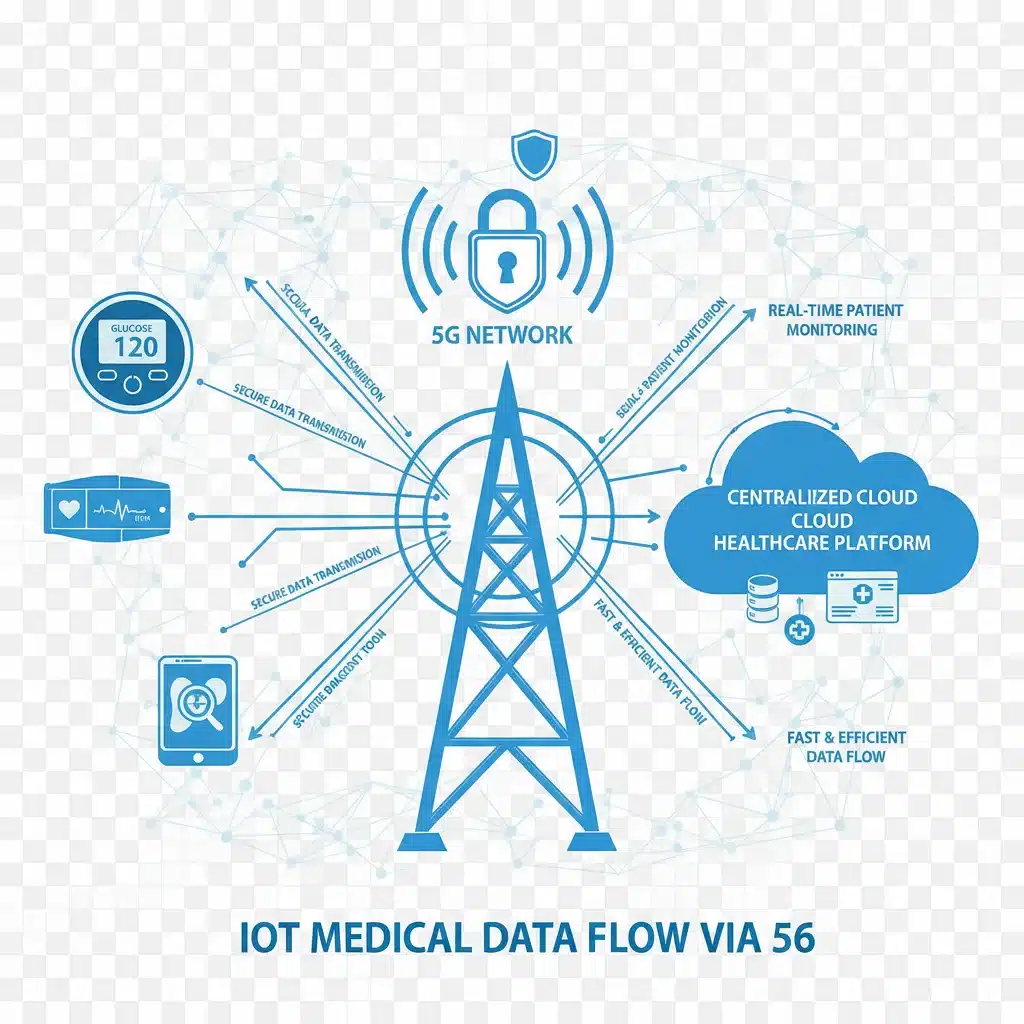
Massive Machine-Type Communications (mMTC): This aspect of 5G allows for a vast number of devices to connect to the network simultaneously. In the context of 5G digital health, mMTC supports the proliferation of Internet of Medical Things (IoMT) devices. Imagine a world where thousands of wearable sensors, smart inhalers, continuous glucose monitors, and other health trackers can all transmit data seamlessly and continuously without overwhelming the network. This capability is fundamental for widespread remote patient monitoring, allowing healthcare providers to gather comprehensive data from a large patient population, identify trends, and intervene proactively.
Together, these characteristics of 5G lay the groundwork for a robust and dynamic digital health ecosystem. The sheer speed and capacity of 5G digital health networks mean that data-intensive applications, which were once confined to wired connections in hospitals, can now be deployed in homes, ambulances, and remote clinics. This democratizes access to advanced medical care, moving healthcare beyond the traditional hospital walls and into the community.
Revolutionizing Remote Care: The Core of 5G Digital Health
The most immediate and impactful application of 5G digital health is in the realm of remote care. The ability to provide high-quality medical attention to patients regardless of their geographical location is a long-standing goal of healthcare systems, and 5G is making this a tangible reality. The projected 25% increase in remote care capabilities within the next year is a testament to the transformative power of this technology.
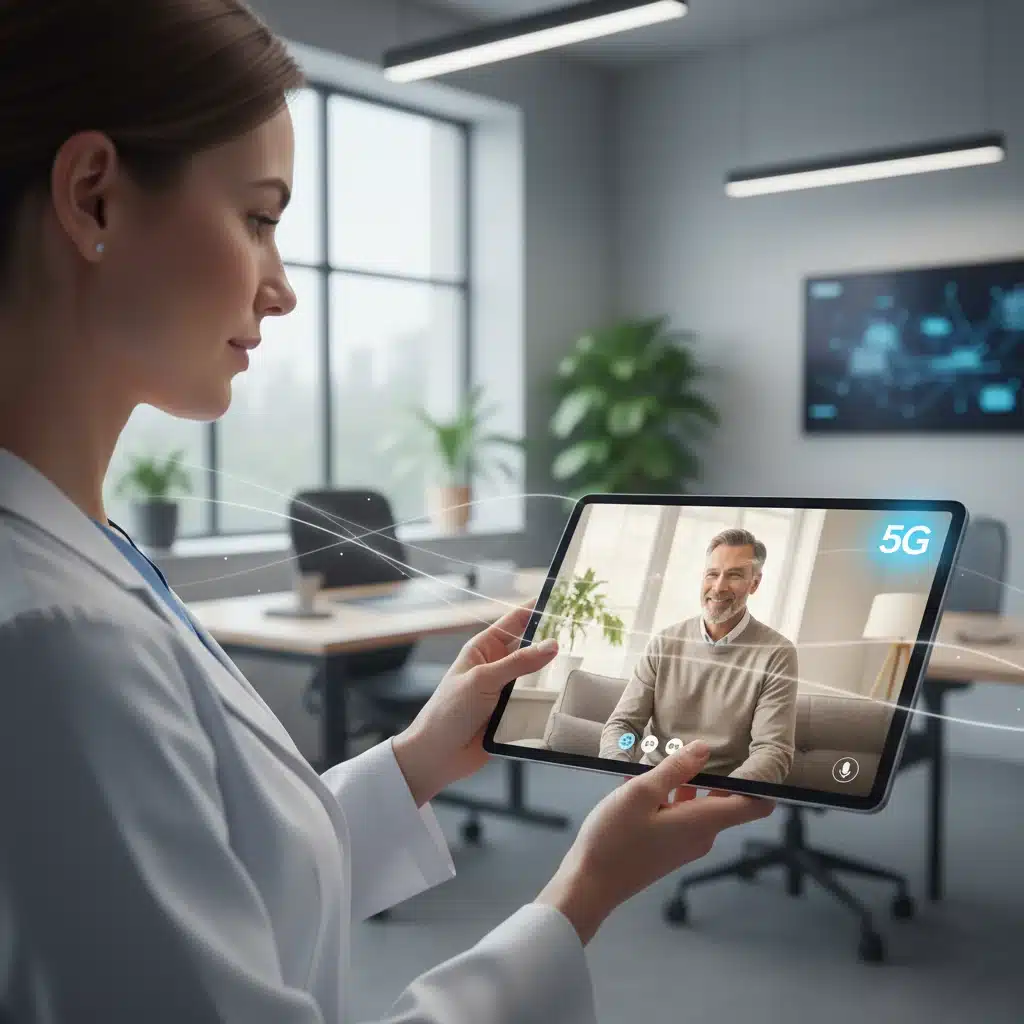
Advanced Telemedicine: While telemedicine has existed for years, 5G elevates it to an entirely new level. High-definition video consultations become crystal clear, eliminating the frustrating lags and pixelation often experienced with slower connections. This enhanced clarity allows physicians to conduct more thorough visual examinations, improving diagnostic accuracy for conditions that rely on visual cues. Furthermore, 5G enables multi-party video conferencing without degradation in quality, facilitating complex case discussions involving multiple specialists from different locations.
Remote Patient Monitoring (RPM) and IoMT: The widespread deployment of IoMT devices, powered by 5G’s mMTC capabilities, will revolutionize how chronic conditions are managed. Patients with diabetes, heart disease, or respiratory issues can wear unobtrusive sensors that continuously collect vital data – blood pressure, glucose levels, heart rate, oxygen saturation – and transmit it in real-time to their healthcare providers. This continuous stream of data allows for proactive interventions, preventing serious health episodes and reducing hospital readmissions. For instance, an AI algorithm could detect an anomaly in a patient’s heart rhythm via a wearable device and alert their doctor instantly, potentially saving a life. This constant, reliable monitoring is a cornerstone of effective 5G digital health strategies.
Virtual Reality (VR) and Augmented Reality (AR) in Remote Care: 5G’s low latency and high bandwidth make VR and AR applications feasible for remote care. Surgeons could use AR overlays to guide paramedics through complex procedures in an ambulance, or specialists could virtually ‘attend’ a surgery in a remote hospital, offering real-time guidance. For patients, VR can be used for remote physical therapy, pain management, or even mental health therapy, offering immersive and interactive experiences from the comfort of their homes. This innovative use of 5G digital health extends the reach of highly specialized care.
Impact on US Digital Health Infrastructure and Accessibility
The integration of 5G digital health is not just about individual patient care; it has significant implications for the entire US healthcare infrastructure, particularly in addressing disparities in access and quality of care.
Bridging the Rural-Urban Divide: Rural areas in the US often suffer from a shortage of healthcare professionals and limited access to specialized services. 5G digital health offers a powerful solution by enabling remote consultations, diagnostics, and even procedures that were previously impossible without a physical presence. This means a patient in a remote farming community can receive expert medical advice from a specialist in a major city without having to travel hundreds of miles, significantly improving healthcare equity.
Emergency Services Enhancement: First responders can leverage 5G to transmit real-time, high-definition video from an ambulance to an emergency room, allowing hospital staff to prepare for a patient’s arrival with critical information already in hand. Paramedics can also use 5G-enabled devices to conduct advanced diagnostics on-site and receive immediate guidance from emergency physicians, improving pre-hospital care and potentially saving lives. The URLLC aspect of 5G digital health is paramount here, ensuring life-critical data is transmitted without delay.
Hospital Efficiency and Operations: Within hospitals, 5G can facilitate the deployment of countless connected devices, from smart beds that monitor patient vitals to inventory management systems for medical supplies. This creates a more efficient, data-driven environment, reducing operational costs and freeing up staff to focus more on direct patient care. Furthermore, 5G can support robotic assistants for tasks like delivering medications or cleaning, further streamlining hospital workflows.
Challenges and Considerations for Widespread 5G Digital Health Adoption
While the promise of 5G digital health is immense, its widespread adoption and full realization come with a set of challenges that need careful consideration and strategic planning.
Infrastructure Deployment: Building out a comprehensive 5G network across the entire US, especially in rural and underserved areas, requires substantial investment and time. While major urban centers are seeing rapid deployment, ensuring equitable access to 5G digital health infrastructure nationwide remains a significant hurdle. This involves not only installing new cell towers but also upgrading existing fiber optic networks to support the increased data traffic.
Data Security and Privacy: The proliferation of IoMT devices and the transmission of sensitive patient data over 5G networks raise critical concerns about cybersecurity and privacy. Robust encryption, secure network protocols, and strict adherence to regulations like HIPAA are paramount. Healthcare organizations must invest in advanced cybersecurity measures to protect patient information from breaches and ensure trust in 5G digital health systems.
Regulatory Frameworks and Reimbursement Policies: Existing healthcare regulations and reimbursement models may not be fully equipped to handle the rapid evolution of 5G digital health services. Policymakers need to develop agile frameworks that support innovation while ensuring patient safety and ethical practices. Clear reimbursement policies for remote monitoring, virtual consultations, and other 5G-enabled services are crucial for encouraging their adoption by providers.
Interoperability and Standardization: For 5G digital health to be truly effective, all devices, platforms, and systems must be able to communicate seamlessly. Establishing industry-wide standards for interoperability is essential to prevent data silos and ensure that patient information can flow smoothly between different providers and care settings. Without robust interoperability, the full potential of 5G digital health cannot be realized.
Digital Literacy and Training: Both healthcare professionals and patients need to be adequately trained and comfortable with new 5G digital health technologies. This includes understanding how to use IoMT devices, participate in virtual consultations, and navigate digital health platforms. Bridging the digital divide and ensuring widespread digital literacy will be vital for equitable access and effective utilization of these advanced services.
The Economic and Societal Benefits of Advanced 5G Digital Health
Beyond direct patient care, the widespread adoption of 5G digital health promises substantial economic and societal benefits for the US.
Cost Reduction: By enabling more efficient remote care, reducing hospital readmissions through proactive monitoring, and streamlining hospital operations, 5G digital health can significantly lower healthcare costs. Patients save on travel expenses and lost work time, while healthcare systems reduce the burden on emergency rooms and inpatient facilities. The shift from reactive to proactive care, facilitated by 5G digital health, is inherently more cost-effective.
Improved Public Health Outcomes: With enhanced data collection and real-time analytics, public health agencies can gain a more comprehensive and immediate understanding of population health trends, disease outbreaks, and environmental health factors. This allows for more targeted and effective public health interventions, from vaccination campaigns to chronic disease management programs, ultimately leading to a healthier population. The ability of 5G digital health to process vast amounts of data quickly is key here.
Innovation and Economic Growth: The development and deployment of 5G digital health solutions will spur innovation in medical technology, software development, and network infrastructure. This creates new job opportunities, attracts investment, and fosters a dynamic ecosystem of healthcare innovation, contributing to overall economic growth. The US can position itself as a global leader in this transformative sector.
Enhanced Patient Experience: Patients often prefer the convenience and comfort of receiving care in their own homes. 5G digital health empowers this preference, offering more personalized, accessible, and less disruptive healthcare experiences. Reduced waiting times, easier access to specialists, and continuous support contribute to greater patient satisfaction and engagement in their own health management.
Workforce Efficiency and Satisfaction: Healthcare professionals, often burdened by administrative tasks and long hours, can benefit from the efficiencies brought by 5G digital health. Automation of routine tasks, easier access to patient data, and streamlined communication can reduce burnout, improve job satisfaction, and allow clinicians to dedicate more time to direct patient interaction and complex medical decisions.
The Future Outlook: Sustaining the 5G Digital Health Momentum
The journey towards a fully integrated 5G digital health ecosystem is ongoing, but the initial progress and projected growth are incredibly promising. To sustain this momentum and achieve the ambitious goal of a 25% increase in remote care capabilities within the next year, several key areas will require continued focus and investment.
Continued Investment in Infrastructure: Both public and private sectors must continue to invest in expanding 5G coverage, particularly in rural and underserved areas. Government incentives, public-private partnerships, and innovative funding models will be crucial to ensure equitable access to 5G digital health for all Americans.
Research and Development in AI and Machine Learning: The true power of 5G digital health lies not just in data transmission but in intelligent data utilization. Further R&D in AI and machine learning algorithms will be essential to analyze the massive datasets generated by IoMT devices, identify predictive patterns, and provide actionable insights for personalized medicine and preventative care.
Education and Training Programs: Developing a workforce skilled in 5G digital health technologies is paramount. This includes training healthcare professionals on new tools, educating patients on self-management technologies, and fostering a new generation of engineers and developers focused on healthcare innovation. Digital literacy programs will help bridge the gap for those less familiar with technology.
Collaborative Ecosystems: Success in 5G digital health requires collaboration across various stakeholders: telecommunications companies, healthcare providers, medical device manufacturers, software developers, and government agencies. Fostering an environment of open innovation and partnership will accelerate the development and adoption of new solutions.
Ethical Considerations and Policy Adaptation: As 5G digital health advances, continuous dialogue around ethical considerations, data governance, and regulatory adaptation will be necessary. Ensuring that technological progress aligns with societal values and protects individual rights is fundamental to building public trust and ensuring long-term success.
Conclusion
The advent of 5G technology marks a pivotal moment for the US digital health landscape. Its unparalleled speed, ultra-low latency, and massive connectivity capabilities are not merely incremental improvements; they are foundational shifts that are redefining what is possible in healthcare delivery. From enabling advanced telemedicine and comprehensive remote patient monitoring to revolutionizing emergency services and hospital operations, 5G digital health is set to dramatically enhance remote care capabilities, with a projected 25% increase in the next 12 months.
While challenges related to infrastructure, security, regulation, and interoperability remain, the commitment to overcoming these hurdles is strong. The economic and societal benefits – including reduced costs, improved public health outcomes, enhanced patient experiences, and significant innovation – provide compelling reasons to push forward. As we embrace this new era, 5G digital health stands as a beacon of progress, promising a more accessible, efficient, and equitable healthcare system for all Americans. The future of healthcare is undeniably connected, and 5G is the network that will power its most transformative journey.