Navigating 2025 Medicare Changes: Part B Premiums & New Coverage

Navigating 2025 Medicare Changes: What Beneficiaries Need to Know About Part B Premium Adjustments and New Coverage Options involves understanding critical updates to ensure continued access to comprehensive healthcare benefits and informed financial planning.
As we approach 2025, understanding the upcoming 2025 Medicare Changes is more crucial than ever for beneficiaries. These adjustments can significantly impact your healthcare costs and available coverage, making proactive preparation key to maintaining your well-being and financial stability.
Understanding Medicare Part B Premium Adjustments for 2025
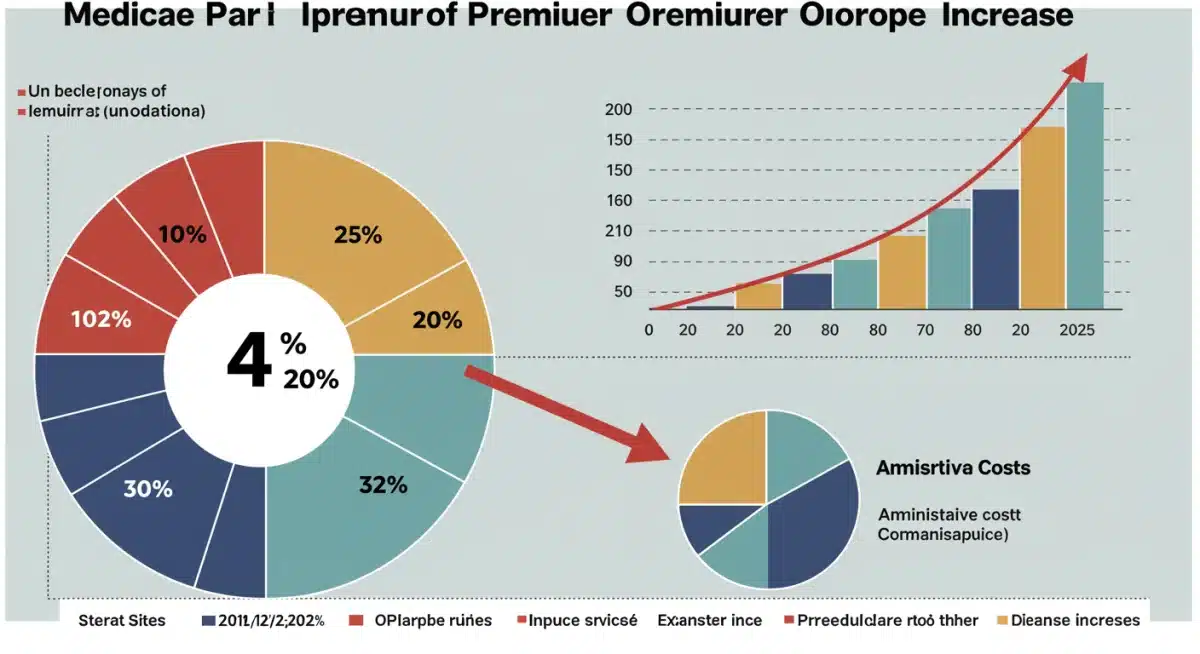
Medicare Part B premiums are a consistent concern for many beneficiaries, and 2025 is expected to bring some notable adjustments. These premiums cover outpatient care, doctor’s services, and other medical services not covered by Part A. The precise figures are typically announced late in the preceding year, but understanding the factors that influence these rates can help beneficiaries anticipate potential changes.
Several elements contribute to the annual determination of Part B premiums. These include the overall cost of healthcare services, utilization trends, and legislative decisions. Economic factors, such as inflation and the performance of the broader economy, also play a significant role. Beneficiaries should prepare for potential increases, although the exact amount will depend on a comprehensive review by the Centers for Medicare & Medicaid Services (CMS).
Factors Influencing Part B Premiums
The annual Part B premium is influenced by a complex interplay of economic and healthcare-specific factors. Understanding these can demystify the adjustment process.
- Healthcare Spending Trends: Increases in the cost of medical services, prescription drugs, and hospital care directly impact premiums.
- Medicare Trust Fund Solvency: The financial health of the Medicare trust funds is regularly assessed, and adjustments may be made to ensure long-term stability.
- Legislative Changes: Congress can pass laws that affect Medicare funding and beneficiary costs, leading to premium modifications.
- Inflation and Economic Growth: Broader economic indicators can influence the cost of providing healthcare, subsequently affecting premiums.
For individuals with higher incomes, the Income-Related Monthly Adjustment Amount (IRMAA) can lead to higher Part B premiums. These surcharges are based on modified adjusted gross income from two years prior. It’s essential for beneficiaries to monitor their income levels as they approach retirement or if their financial situation changes, as this could directly affect their 2025 Part B costs.
In conclusion, while the exact 2025 Part B premium figures are pending, beneficiaries should remain vigilant about official announcements. Understanding the underlying factors and how they might affect personal costs is the first step in preparing for these upcoming changes.
New Coverage Options and Expanded Benefits in 2025
Beyond premium adjustments, 2025 is anticipated to introduce new coverage options and expanded benefits designed to improve access to care and enhance beneficiary well-being. These changes often stem from ongoing efforts to modernize Medicare and address evolving healthcare needs, particularly in areas like preventive care and chronic disease management.
The focus on new coverage options aims to close gaps in current Medicare plans and provide more comprehensive support. This could include expanded access to certain medical technologies, innovative treatments, or enhanced services that were previously limited or not covered. Beneficiaries should actively seek information on these new offerings to determine how they might benefit their individual health needs.
Potential Areas of Benefit Expansion
Medicare frequently evaluates its coverage to incorporate advancements in medicine and public health priorities. The following areas are often considered for expansion:
- Preventive Services: Enhanced coverage for screenings, vaccinations, and health education programs.
- Mental Health Services: Increased access to therapy, counseling, and other mental health support.
- Telehealth Services: Permanent expansion of telehealth options, making healthcare more accessible, especially for rural populations.
- Chronic Disease Management: New programs or services aimed at helping beneficiaries manage long-term conditions more effectively.
These expansions are critical for improving health outcomes and reducing the overall burden of disease among Medicare beneficiaries. For instance, greater access to mental health services can significantly improve quality of life, while expanded telehealth ensures continuity of care regardless of geographical location. It’s important to remember that specific details about these new options will become clearer as 2025 approaches, so keeping an eye on official Medicare communications is vital.
In summary, 2025 is expected to bring positive developments in Medicare coverage. Beneficiaries should explore how these new options can be integrated into their existing healthcare plans, ensuring they take full advantage of all available benefits.
Navigating Enrollment Periods and Plan Choices for 2025
Understanding the various enrollment periods and how to navigate plan choices is paramount for beneficiaries facing 2025 Medicare Changes. These periods are specific windows during which individuals can enroll in, switch, or make changes to their Medicare plans. Missing these deadlines can lead to gaps in coverage or late enrollment penalties, emphasizing the importance of timely action.
The Annual Enrollment Period (AEP), typically from October 15 to December 7 each year, is the most common time for beneficiaries to review and adjust their Medicare coverage. During this time, individuals can switch from Original Medicare to a Medicare Advantage plan, change Medicare Advantage plans, or enroll in a Medicare Part D prescription drug plan. It’s a critical opportunity to adapt your coverage to any new 2025 offerings and personal health needs.
Key Enrollment Periods to Remember
Beyond the AEP, other specific situations allow for changes to Medicare plans:
- Initial Enrollment Period (IEP): A seven-month window around your 65th birthday when you first become eligible for Medicare.
- Special Enrollment Periods (SEPs): Available for specific life events, such as moving to a new area, losing other health coverage, or qualifying for Extra Help.
- General Enrollment Period (GEP): From January 1 to March 31 each year, for those who missed their IEP and don’t qualify for an SEP.
When selecting a plan for 2025, beneficiaries should carefully compare options based on their healthcare needs, budget, and preferred providers. Factors such as deductibles, co-payments, out-of-pocket maximums, and prescription drug formularies should all be considered. Online tools and resources provided by Medicare, as well as assistance from state health insurance assistance programs (SHIPs), can be invaluable in making informed decisions.
Ultimately, proactive engagement during enrollment periods and a thorough review of plan choices will empower beneficiaries to optimize their Medicare coverage for 2025. Staying informed about deadlines and available resources is key to a smooth transition and continuous access to necessary healthcare.
Impact of Inflation and Economic Trends on Medicare in 2025
The broader economic landscape, particularly inflation and prevailing economic trends, will undoubtedly influence 2025 Medicare Changes. Inflationary pressures can increase the cost of healthcare services, prescription drugs, and administrative overhead, potentially leading to higher premiums and out-of-pocket expenses for beneficiaries. Understanding this dynamic is crucial for financial planning.
Economic trends, such as wage growth and unemployment rates, also play a role. A robust economy might lead to higher tax revenues, which could help stabilize Medicare funding. Conversely, a downturn could strain the system. These macroeconomic factors are consistently evaluated by CMS and Congress when determining annual adjustments to Medicare benefits and costs, including Part B premiums and deductibles.
How Economic Factors Affect Beneficiaries
The ripple effect of economic conditions can be felt directly by Medicare beneficiaries in several ways:
- Increased Out-of-Pocket Costs: Higher inflation can mean that deductibles, co-pays, and co-insurance amounts may also rise, even if premiums remain stable.
- Reduced Purchasing Power: If Social Security cost-of-living adjustments (COLAs) don’t keep pace with inflation, beneficiaries’ fixed incomes may have less purchasing power for healthcare and other necessities.
- Plan Offerings: Insurers offering Medicare Advantage and Part D plans may adjust their offerings and pricing in response to economic conditions, influencing plan availability and affordability.
Furthermore, the cost of new medical technologies and advanced treatments, often driven by innovation and demand, can contribute to overall healthcare spending. While these advancements offer significant health benefits, they also add to the financial complexity of Medicare. Beneficiaries should factor these potential cost increases into their annual budgeting and financial assessments.
In conclusion, the economic climate is a significant determinant of Medicare’s financial health and the costs beneficiaries will face. Staying informed about economic forecasts and their potential impact on healthcare expenses is a vital part of preparing for 2025 Medicare adjustments.
Resources and Support for Beneficiaries in 2025
As beneficiaries navigate the upcoming 2025 Medicare Changes, accessing reliable resources and support systems is essential. The complexity of Medicare can be overwhelming, and having trustworthy information and guidance can make a significant difference in making informed decisions about coverage and costs. Official government channels and reputable non-profit organizations are invaluable assets.
The official Medicare website (Medicare.gov) is the primary source for factual, up-to-date information on all aspects of the program, including premium changes, coverage details, and enrollment periods. This portal offers tools for comparing plans, finding providers, and understanding your rights as a beneficiary. It’s crucial to rely on these official sources to avoid misinformation.
Key Resources for Medicare Beneficiaries
Several organizations and programs are dedicated to assisting Medicare beneficiaries:
- State Health Insurance Assistance Programs (SHIPs): Provide free, unbiased counseling on all Medicare-related questions, helping individuals understand their options and rights.
- Centers for Medicare & Medicaid Services (CMS): The federal agency responsible for administering Medicare, offering official publications and direct support.
- Social Security Administration (SSA): Handles Medicare enrollment and premium deductions for many beneficiaries, also assisting with income-related inquiries.
- Non-profit Advocacy Groups: Organizations like the National Council on Aging (NCOA) offer educational materials and advocate for beneficiary interests.
Beyond these, many insurance companies that offer Medicare Advantage and Part D plans have customer service representatives available to answer specific questions about their products. However, it’s always advisable to cross-reference information with unbiased sources like SHIPs or the official Medicare website. Taking advantage of these resources ensures that beneficiaries are well-prepared to handle any adjustments in 2025.
In conclusion, beneficiaries are not alone in navigating Medicare’s complexities. A wealth of resources and support is available to guide them through the 2025 changes, ensuring they make the best decisions for their health and financial well-being.
Preparing for 2025: Actionable Steps for Medicare Beneficiaries
Proactive preparation is key to successfully navigating 2025 Medicare Changes. Beneficiaries can take several actionable steps now to ensure they are ready for any adjustments in premiums, deductibles, or coverage options. This foresight can help mitigate potential financial surprises and ensure continuous access to necessary healthcare services.
One of the most important steps is to regularly review your current Medicare plan. Understand what it covers, what your out-of-pocket costs are, and if it still aligns with your health needs. As new benefits and plan options emerge for 2025, having a clear picture of your current situation will make it easier to compare and decide if a change is warranted during enrollment periods.
Essential Preparatory Actions
Consider these practical steps to prepare for 2025:
- Review Annual Notices: Pay close attention to the Annual Notice of Change (ANOC) and Evidence of Coverage (EOC) documents from your plan, typically sent in the fall. These detail upcoming changes.
- Assess Your Health Needs: Evaluate any changes in your health or prescription medications that might require different coverage in the coming year.
- Budget for Potential Cost Increases: Factor in the possibility of higher Part B premiums or other out-of-pocket expenses when planning your finances.
- Consult with an Expert: Seek advice from a SHIP counselor or a trusted financial advisor specializing in Medicare to discuss your options.
Additionally, staying informed about legislative developments related to Medicare is beneficial. Policy changes can have a direct impact on benefits and costs, so following news from official government sources can provide early insights. Engaging in community seminars or online webinars about Medicare updates can also offer valuable information and opportunities to ask questions.
By taking these actionable steps, beneficiaries can approach 2025 with confidence, ensuring their Medicare coverage continues to meet their evolving healthcare needs effectively and affordably.
| Key Point | Brief Description |
|---|---|
| Part B Premiums | Expect potential adjustments based on healthcare costs, utilization, and economic factors for 2025. |
| New Coverage Options | Look for expanded benefits in preventive care, mental health, and telehealth services. |
| Enrollment Periods | Utilize the Annual Enrollment Period (Oct 15 – Dec 7) to review and change plans for 2025. |
| Economic Impact | Inflation and economic trends may influence out-of-pocket costs and overall plan affordability. |
Frequently Asked Questions About 2025 Medicare Changes
The primary areas of 2025 Medicare changes include adjustments to Part B premiums, the introduction of new coverage options, and potential expansions in benefits for specific services like preventive care and mental health. These changes aim to enhance accessibility and affordability for beneficiaries.
Medicare Part B premiums for 2025 will be determined by factors such as national healthcare spending trends, the financial stability of Medicare trust funds, legislative actions, and broader economic indicators like inflation. Official figures are usually released in the fall preceding the new year.
New coverage options in 2025 could include expanded access to telehealth services, enhanced mental health support, broader coverage for preventive screenings, and improved programs for chronic disease management. These additions are designed to meet evolving healthcare needs and improve beneficiary outcomes.
The best time to review your Medicare plan for 2025 is during the Annual Enrollment Period (AEP), which runs from October 15 to December 7 each year. This period allows you to make changes to your existing coverage or enroll in a new plan to best suit your needs.
Reliable information about 2025 Medicare changes can be found on the official Medicare website (Medicare.gov), through State Health Insurance Assistance Programs (SHIPs), and from the Centers for Medicare & Medicaid Services (CMS). These sources provide accurate and unbiased guidance.
Conclusion
The upcoming 2025 Medicare Changes present both challenges and opportunities for beneficiaries. By staying informed about Part B premium adjustments, exploring new coverage options, and proactively engaging with enrollment periods, individuals can ensure their healthcare needs are met. Utilizing available resources and adopting a forward-thinking approach will empower beneficiaries to navigate these changes effectively, securing their health and financial well-being in the year ahead.