Mastering Employer-Sponsored Health Accounts: Your 5-Step Financial Wellness Plan for 2026

In today’s dynamic financial landscape, achieving holistic financial wellness requires a multi-faceted approach. While investments, savings, and debt management often take center stage, the role of employer-sponsored health accounts is frequently underestimated. These powerful tools, including Health Savings Accounts (HSAs), Flexible Spending Accounts (FSAs), and Health Reimbursement Arrangements (HRAs), offer significant opportunities to manage healthcare costs, reduce tax burdens, and build a more secure financial future. By 2026, those who strategically leverage these accounts will be significantly ahead in their journey toward comprehensive financial stability. This article outlines a definitive 5-step plan to help you master your employer-sponsored health accounts and boost your overall financial wellness.
Understanding the nuances of each account type, their eligibility requirements, and their unique benefits is the cornerstone of this plan. Many individuals leave money on the table or miss out on tax advantages simply because they are unaware of how to best utilize these resources. Our goal is to demystify these powerful financial instruments and provide actionable strategies that you can implement starting today, ensuring you are well-positioned for financial success in the coming years. Let’s dive into how you can make your health accounts work harder for your financial wellness.
Step 1: Understand Your Health Account Options and Eligibility
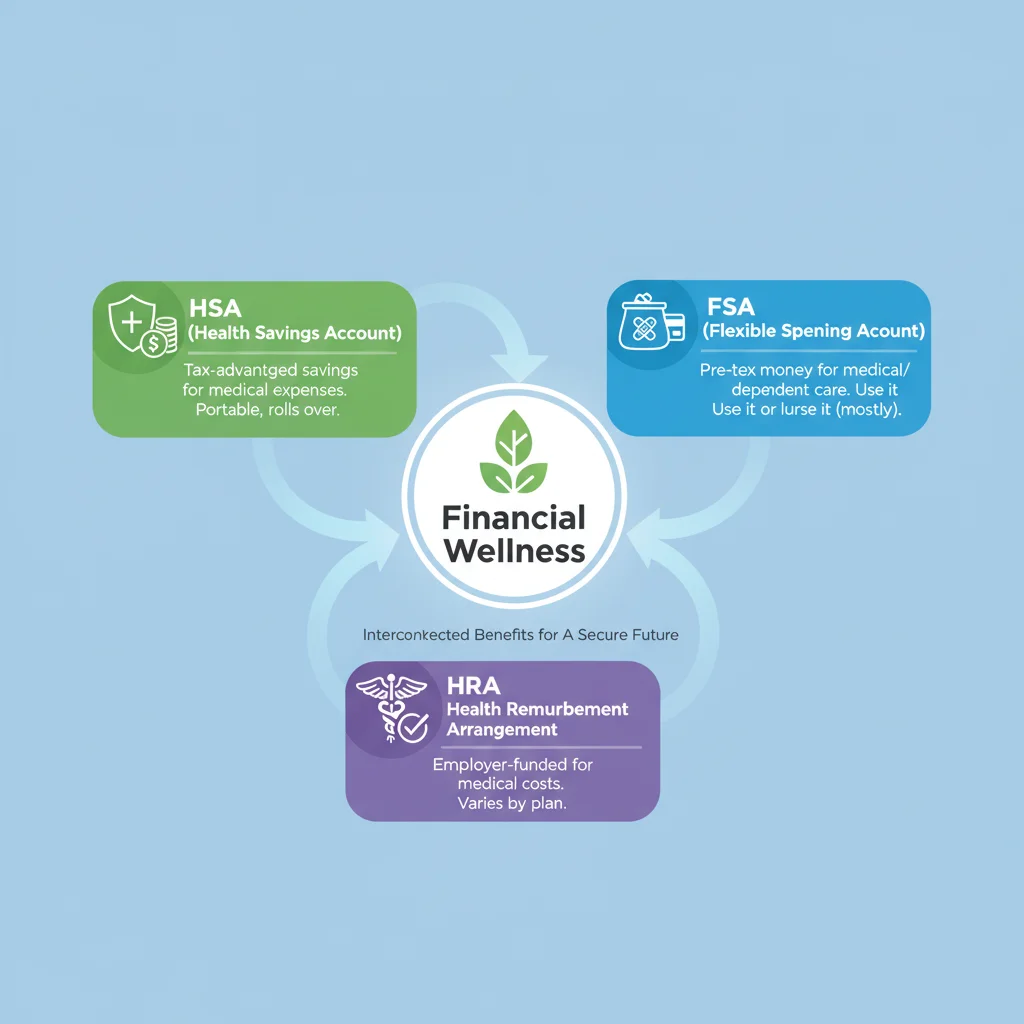
The first and most crucial step in leveraging employer-sponsored health accounts for enhanced financial wellness is to thoroughly understand what options are available to you and, critically, your eligibility for each. Not all health accounts are created equal, and your choices will largely depend on your employer’s offerings and your specific health insurance plan. The three primary types are Health Savings Accounts (HSAs), Flexible Spending Accounts (FSAs), and Health Reimbursement Arrangements (HRAs).
Health Savings Accounts (HSAs)
HSAs are often hailed as the most powerful of the health accounts due to their triple tax advantage: tax-deductible contributions, tax-free growth, and tax-free withdrawals for qualified medical expenses. However, eligibility is strict: you must be enrolled in a High-Deductible Health Plan (HDHP) and not be covered by any other non-HDHP health insurance (with some exceptions). If you meet these criteria, an HSA can be a game-changer for your financial wellness. Unlike FSAs, HSAs are portable, meaning the funds belong to you even if you change employers or retire. They also have no ‘use-it-or-lose-it’ rule, allowing funds to roll over year after year and even be invested, growing your savings over time. This long-term growth potential makes HSAs an excellent retirement savings vehicle, especially for healthcare costs in later life.
Flexible Spending Accounts (FSAs)
FSAs are employer-established benefit plans that allow employees to contribute pre-tax dollars to pay for eligible medical expenses. The primary advantage of an FSA is the immediate tax savings on contributions. However, FSAs typically operate under a ‘use-it-or-lose-it’ rule, meaning any funds not spent by the end of the plan year (or a short grace period) are forfeited. Some employers offer a rollover option for a limited amount (e.g., up to $610 for 2023), or a grace period of up to 2.5 months to use funds from the previous year. It’s crucial to understand your employer’s specific FSA rules. FSAs are generally available to employees regardless of their health plan type, making them accessible to a broader population than HSAs. They are particularly beneficial for those with predictable annual healthcare expenses.
Health Reimbursement Arrangements (HRAs)
HRAs are solely funded by the employer and are not portable. Employers contribute funds to these accounts, which employees can then use to pay for qualified medical expenses, health insurance premiums, or both, depending on the specific HRA design. Unlike HSAs and FSAs, employees cannot contribute to an HRA. The funds are tax-free for both the employer and the employee when used for eligible expenses. HRAs also typically have a ‘use-it-or-lose-it’ component, though some plans allow for limited rollover. The specific rules regarding what expenses are covered and whether funds roll over are entirely determined by your employer. HRAs are often used in conjunction with high-deductible health plans, offering an employer-funded cushion for out-of-pocket costs.
To effectively implement this first step, dedicate time to reviewing your employer’s benefits package. This usually involves logging into your HR portal, attending benefits enrollment webinars, or speaking directly with an HR representative. Pay close attention to eligibility requirements, contribution limits, rollover policies, and the types of expenses covered. Understanding these details is paramount to making informed decisions about which accounts to utilize and how much to contribute for optimal financial wellness by 2026.
Step 2: Maximize Contributions and Understand Tax Advantages
Once you’ve identified which health accounts are available to you, the next critical step for enhancing your financial wellness is to maximize your contributions and fully grasp the significant tax advantages they offer. This strategic approach can lead to substantial savings over time, especially when planning for 2026 and beyond.
Optimizing HSA Contributions
For those eligible for an HSA, maximizing contributions should be a top priority. The IRS sets annual contribution limits, which often increase slightly each year (e.g., for 2023, $3,850 for self-only coverage and $7,750 for family coverage, with an additional catch-up contribution of $1,000 for those aged 55 and over). These contributions are tax-deductible, reducing your taxable income in the year you contribute. This is the first tax advantage. The second is that the funds grow tax-free, similar to a 401(k) or IRA. The third, and perhaps most powerful, is that withdrawals for qualified medical expenses are also tax-free. If you can afford to pay for current medical expenses out-of-pocket and let your HSA funds grow, you’re essentially creating a tax-free investment vehicle for future healthcare costs, including those in retirement. This makes HSAs an unparalleled tool for long-term financial wellness.
Strategic FSA Contributions
While FSAs have the ‘use-it-or-lose-it’ rule, they still offer valuable tax savings. Contributions are made with pre-tax dollars, which reduces your taxable income, leading to immediate savings on federal, state, and FICA taxes. For individuals with predictable healthcare expenses – such as regular prescriptions, co-pays, eyeglasses, or dental work – an FSA can be incredibly effective. The key is careful planning. Review your past year’s medical expenses and estimate your upcoming year’s needs. If you anticipate significant expenses, like an upcoming surgery or orthodontic work, an FSA can save you hundreds, if not thousands, in taxes. Remember to factor in any employer-offered rollover or grace period to mitigate the ‘use-it-or-lose-it’ risk.
Leveraging HRA Employer Contributions
Since HRAs are employer-funded, your action here is not about contributing but about understanding and utilizing the funds efficiently. Your employer dictates the amount contributed and the specific expenses covered. Ensure you know how much your employer contributes annually and what medical services, prescriptions, or even insurance premiums are eligible for reimbursement. By understanding these parameters, you can strategically align your out-of-pocket spending to maximize the use of these employer-provided funds, thereby reducing your personal healthcare burden and contributing to your financial wellness.
The cumulative effect of these tax advantages is significant. Pre-tax contributions to FSAs and tax-deductible contributions to HSAs reduce your current year’s taxable income. Tax-free growth within HSAs amplifies your savings over decades. Tax-free withdrawals from all three accounts for qualified medical expenses mean you keep more of your hard-earned money. By consistently maximizing these benefits year after year, you are not just managing healthcare costs; you are actively building a robust financial safety net and contributing significantly to your overall financial wellness by 2026.
Step 3: Strategize Your Spending and Reimbursement Process
Once you’ve understood your options and committed to maximizing contributions, the next crucial step is to develop a strategic approach to spending and reimbursement. This step is vital for ensuring you get the most out of your health accounts and avoid common pitfalls, particularly the ‘use-it-or-lose-it’ trap associated with FSAs, while optimizing your financial wellness in the process.
For FSAs: Plan and Track Diligently
The ‘use-it-or-lose-it’ rule for FSAs demands meticulous planning. Begin by creating a detailed estimate of your anticipated medical expenses for the year. This includes known costs like prescriptions, co-pays, dental cleanings, vision exams, and any planned medical procedures. Don’t forget eligible over-the-counter (OTC) items, which expanded significantly under the CARES Act to include items like pain relievers, cold and flu medications, and feminine hygiene products without a prescription. Keep all receipts for eligible expenses. Many FSA providers offer debit cards for direct payment, simplifying the process. However, always retain receipts as you may need them for substantiation. If you find yourself with unspent funds late in the plan year, consider stocking up on eligible OTC items, getting an extra pair of glasses, or scheduling a preventative care visit to deplete your balance. This proactive approach ensures you don’t forfeit any hard-earned money and fully benefit from the tax savings on your FSA contributions, directly supporting your financial wellness goals.
For HSAs: Invest for Growth and Reimburse Strategically
With an HSA, the strategy shifts from immediate spending to long-term growth. If your HSA provider offers investment options, take advantage of them. Treat your HSA as a retirement savings vehicle specifically for healthcare costs. If you can afford to pay for current medical expenses out-of-pocket, save your receipts. You can reimburse yourself tax-free from your HSA at any point in the future – even years down the line – for those past qualified expenses. This allows your HSA funds to continue growing tax-free for a longer period. Imagine paying for a $500 doctor’s visit today, saving the receipt, and then reimbursing yourself for that $500 (plus any investment gains) ten years later, completely tax-free. This strategy significantly boosts your long-term financial wellness, providing a substantial fund for healthcare expenses in retirement, when they are often highest.
For HRAs: Understand Reimbursement Rules and Deadlines
Since HRAs are employer-funded, your main task is to understand the specific reimbursement procedures and deadlines set by your employer. Some HRAs might automatically pay providers, while others require you to submit claims with receipts. Familiarize yourself with the eligible expenses, as these can vary greatly between plans. For instance, some HRAs might cover only deductibles, while others might extend to premiums or a broader range of medical services. Pay close attention to any ‘use-it-or-lose-it’ rules or rollover limits. By actively managing your HRA, you ensure that you are maximizing the employer-provided benefit, effectively reducing your out-of-pocket healthcare costs, and thereby enhancing your immediate financial wellness.
The Importance of Record-Keeping
Regardless of the account type, meticulous record-keeping is paramount. Keep all receipts, Explanation of Benefits (EOB) statements, and any other documentation related to your medical expenses. This is crucial for substantiating claims, especially for FSAs and HRAs, and for future tax-free reimbursements from HSAs. Many account providers offer online portals where you can upload and store documents digitally, simplifying the process. Consistent and accurate record-keeping is a cornerstone of responsible financial management and will significantly contribute to your financial wellness by 2026.

Step 4: Integrate Health Accounts into Your Broader Financial Plan
Leveraging employer-sponsored health accounts effectively goes beyond simply contributing and spending; it involves integrating them seamlessly into your broader financial plan. For true financial wellness by 2026, these accounts should not be viewed in isolation but as integral components of your overall savings, investment, and retirement strategies.
HSAs as a Retirement Savings Vehicle
As discussed, HSAs offer a unique triple tax advantage, making them arguably the most powerful retirement savings tool after a 401(k) or IRA, particularly for healthcare expenses. If you are eligible and can afford to pay for current medical expenses out-of-pocket, prioritize maxing out your HSA contributions. Invest the funds aggressively if you have a long time horizon, as they grow tax-free. In retirement, you can withdraw funds tax-free for qualified medical expenses, which are often a significant burden for retirees. This strategy not only secures your healthcare future but also potentially frees up other retirement savings for different purposes, significantly boosting your long-term financial wellness.
Balancing FSAs with Emergency Funds
While FSAs offer immediate tax savings, their ‘use-it-or-lose-it’ nature means they shouldn’t replace your emergency fund. Your emergency fund should be easily accessible cash for unexpected events, including unforeseen medical emergencies that might exceed your FSA balance or occur before FSA funds are available. Use your FSA for predictable, budgeted healthcare costs. This balance ensures you benefit from tax advantages without compromising your financial safety net, contributing to a more stable financial wellness picture.
Considering Your Health Account Strategy During Job Changes
Your health account strategy needs to adapt if you change jobs. HSAs are portable; the funds are yours to keep and manage. However, FSAs and HRAs are generally tied to your employer. If you leave a job, you typically lose access to any remaining FSA funds, though some employers offer a limited grace period or COBRA-like extension for FSAs. HRAs are almost always forfeited upon leaving employment. Factor this into your financial planning, especially if you anticipate a job change. Understanding the portability of each account type is crucial for maintaining financial continuity and avoiding unexpected losses, which is key to sustained financial wellness.
Reviewing Your Strategy Annually
Your healthcare needs, employer benefits, and financial situation can change. Therefore, it’s essential to review your health account strategy annually, typically during open enrollment. Re-evaluate your health plan choice (especially if considering an HDHP for HSA eligibility), adjust your contribution amounts based on anticipated expenses and IRS limits, and ensure your spending strategy aligns with your current circumstances. This annual review ensures that your health accounts continue to serve your financial wellness goals optimally, adapting to any life changes and market shifts as you approach 2026.
Step 5: Stay Informed and Adapt to Evolving Regulations
The landscape of healthcare regulations and employer benefits is constantly evolving. To truly maintain and enhance your financial wellness through employer-sponsored health accounts by 2026, it is imperative to stay informed about changes and adapt your strategies accordingly. This proactive approach ensures you continue to maximize benefits and avoid any potential pitfalls.
Monitor IRS Contribution Limits and Eligible Expenses
The IRS frequently adjusts contribution limits for HSAs and FSAs, often increasing them annually to account for inflation. Staying abreast of these changes is crucial for maximizing your tax-advantaged savings. Additionally, the list of eligible medical expenses can be updated. For instance, the CARES Act significantly expanded eligible over-the-counter (OTC) items for FSAs and HSAs. Regularly checking official IRS publications or reliable financial news sources will ensure you are always contributing the maximum allowed and utilizing your funds for the broadest range of eligible expenses, thus optimizing your financial wellness.
Understand Employer Plan Changes
Employers periodically revise their benefits packages. This could include changes to health insurance plans (e.g., introducing a new HDHP option, or modifying existing plan deductibles and out-of-pocket maximums), altering HRA contributions or rules, or adjusting FSA rollover policies. Pay close attention during open enrollment periods to any communications from your HR department regarding these changes. Attending informational webinars or reading benefits guides thoroughly can uncover new opportunities or necessitate adjustments to your current strategy. For example, a new HDHP option might make you HSA-eligible for the first time, opening up significant long-term savings opportunities for your financial wellness.
Seek Professional Advice When Needed
While this guide provides a comprehensive overview, individual financial situations can be complex. If you have significant healthcare needs, complex investment portfolios, or are nearing retirement, consulting with a qualified financial advisor or tax professional can be highly beneficial. They can help you integrate your health account strategy with your broader financial and estate planning, ensuring you are making the most tax-efficient decisions and aligning your health accounts with your unique financial wellness objectives for 2026 and beyond.
Educate Yourself Continuously
The best defense against financial uncertainty is knowledge. Continuously educate yourself about personal finance, healthcare costs, and benefit options. Subscribe to reputable financial newsletters, follow industry blogs, and participate in financial literacy programs. The more informed you are, the better equipped you will be to make strategic decisions about your health accounts, ensuring they remain powerful tools for achieving and maintaining your financial wellness.
Conclusion: A Path to Enhanced Financial Wellness by 2026
Leveraging employer-sponsored health accounts is not merely about managing healthcare costs; it’s a fundamental pillar of comprehensive financial wellness. By meticulously following this 5-step plan – understanding your options, maximizing contributions, strategizing spending, integrating with your broader financial plan, and staying informed – you can transform these benefits into powerful assets. HSAs, with their triple tax advantage and investment potential, stand out as exceptional tools for long-term savings and retirement planning. FSAs offer immediate tax relief for predictable expenses, while HRAs provide valuable employer-funded support. Each plays a distinct role in safeguarding and enhancing your financial health.
The journey to financial wellness is ongoing, but by implementing these strategies consistently, you will build a robust financial foundation. By 2026, those who have diligently applied these principles will find themselves in a significantly stronger position, better prepared for healthcare expenses, and more secure in their overall financial future. Take control of your health accounts today, and unlock a new level of financial stability and peace of mind. Your future financial wellness depends on it.