Maximize Your FSA Funds 2026: Avoid Forfeiture and Save

Maximize Your FSA Funds 2026: Avoid Forfeiture and Save Up to $500
As the clock ticks towards December 31, 2026, a crucial deadline looms for millions of Americans: the expiration of Flexible Spending Account (FSA) funds. For many, this date marks the potential forfeiture of hard-earned money allocated for healthcare expenses. Understanding how to effectively utilize your FSA funds before this cut-off is not just about saving money; it’s about maximizing your tax-advantaged benefits and ensuring you don’t leave up to $500 (or more, depending on your plan) on the table. This comprehensive guide will walk you through the intricacies of your FSA, highlight key strategies to spend down your balance, and help you navigate the rules to avoid the dreaded ‘use it or lose it’ scenario.
Flexible Spending Accounts are powerful tools designed to help individuals save money on qualified medical and dental expenses. Contributions to an FSA are made with pre-tax dollars, which means you reduce your taxable income, ultimately leading to significant savings. However, the primary challenge with FSAs is their strict annual deadline. Unlike Health Savings Accounts (HSAs), which allow funds to roll over year after year, FSAs typically operate under a ‘use it or lose it’ rule. While some plans offer a grace period or a limited carryover amount, the default is usually forfeiture if funds aren’t spent by the end of the plan year.
With December 31, 2026, fast approaching, now is the opportune moment to review your FSA balance and strategize your spending. This article will delve into the types of expenses eligible for FSA reimbursement, explore common pitfalls to avoid, and provide actionable tips to ensure every dollar in your FSA is put to good use. From routine medical check-ups to vision care, dental procedures, and even eligible over-the-counter items, the range of qualified expenses might be broader than you think. Let’s embark on this journey to become an FSA expert and safeguard your financial well-being.
Understanding Your Flexible Spending Account (FSA)
Before diving into spending strategies, it’s essential to have a firm grasp of what an FSA is and how it works. A Flexible Spending Account (FSA) is an employer-sponsored benefit that allows you to set aside pre-tax money for out-of-pocket healthcare costs. This means that the money you contribute to your FSA is not subject to federal income tax, Social Security, or Medicare taxes, leading to substantial tax savings.
The maximum amount you can contribute to an FSA is set annually by the IRS. For example, for 2026, the limit might be around $3,200 (this figure adjusts yearly, so always confirm the exact amount for the current plan year). You elect a certain amount at the beginning of your plan year, and this amount is then deducted from your paycheck in equal installments throughout the year.
The ‘Use It or Lose It’ Rule and Its Exceptions
The defining characteristic of an FSA is its ‘use it or lose it’ rule. Generally, any funds remaining in your FSA at the end of your plan year (often December 31st) are forfeited. This is why the deadline of December 31, 2026, is so critical for those with an FSA tied to the calendar year.
However, there are two common exceptions to this rule that some employers may offer:
- Grace Period: Some plans offer a grace period, typically up to 2.5 months, allowing you to incur expenses and use your FSA funds from the previous plan year during this extended period. For a calendar year plan ending December 31, 2026, a grace period would extend your spending window until mid-March 2027.
- Carryover Option: Another common exception allows you to carry over a limited amount of unused FSA funds to the next plan year. The IRS sets this maximum carryover amount annually. For example, for the 2026 plan year, you might be able to carry over up to $610 (this amount is also subject to change). If your plan offers this, any amount exceeding the carryover limit will still be forfeited.
It is absolutely crucial to check with your employer or plan administrator to understand which (if any) of these exceptions apply to your specific FSA plan. This information will dictate your strategy for spending down your FSA funds before the December 31, 2026, deadline.
Why FSAs are So Beneficial
Despite the ‘use it or lose it’ rule, FSAs offer significant financial advantages:
- Tax Savings: The pre-tax contributions are the primary draw. By reducing your taxable income, you effectively save money on every dollar you spend on eligible healthcare costs.
- Immediate Access: You can typically access the full amount of your annual election from day one of your plan year, even if you haven’t contributed that much yet. This can be a huge benefit if you have unexpected medical expenses early in the year.
- Wide Range of Eligible Expenses: As we’ll explore, many common medical, dental, and vision expenses qualify, making it easier to utilize your funds.
Understanding these fundamentals sets the stage for effective planning to maximize your FSA funds before the December 31, 2026, forfeiture deadline.
Identifying Eligible Expenses: What Can You Buy With Your FSA Funds?
One of the biggest challenges for FSA holders is knowing exactly what qualifies as an eligible expense. The good news is that the list is quite extensive and has even expanded in recent years. Generally, eligible expenses are for medical care as defined by the IRS, which includes diagnosis, cure, mitigation, treatment, or prevention of disease, and for treatments affecting any structure or function of the body.
Common Categories of Eligible Expenses
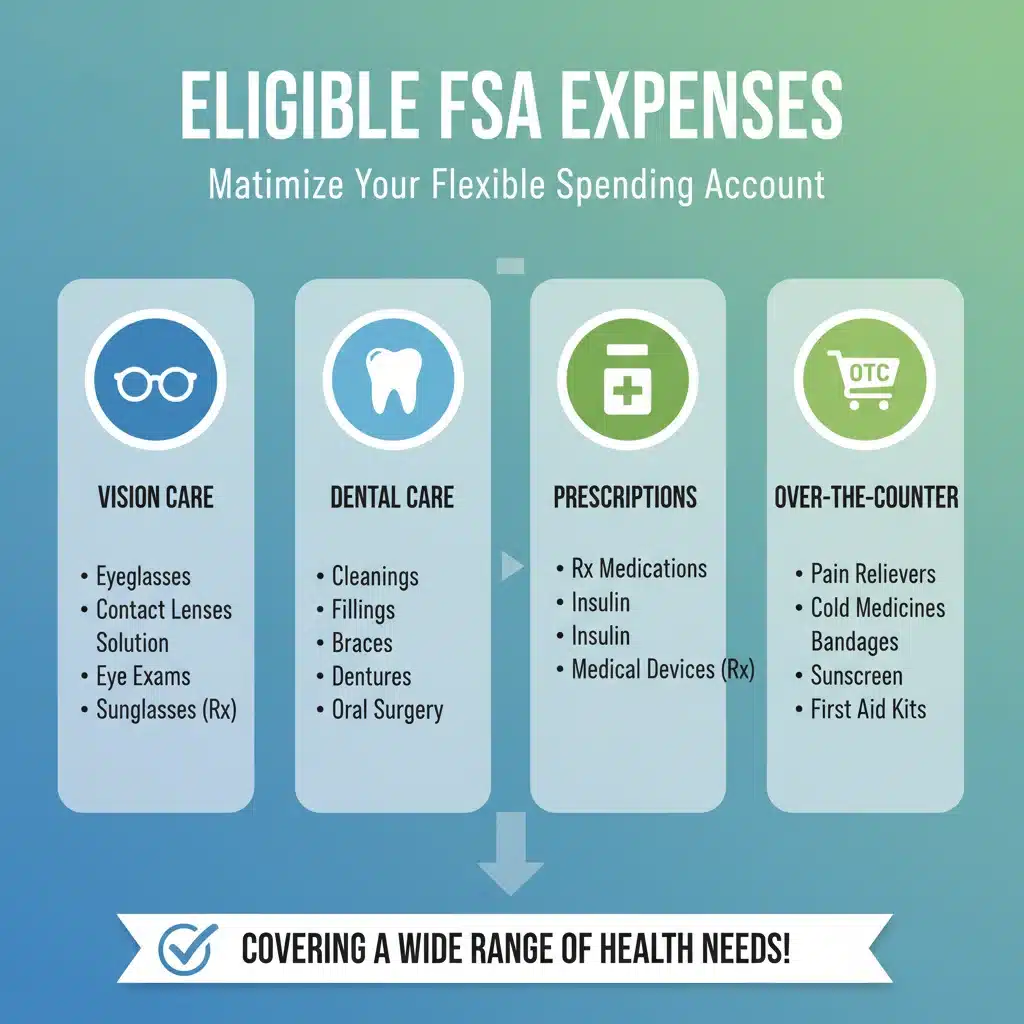
Here’s a breakdown of common categories where you can spend your FSA funds:
1. Medical and Dental Care
- Doctor’s Office Visits: Co-pays, deductibles, and co-insurance for general practitioner visits, specialists (dermatologists, cardiologists, etc.), and urgent care.
- Dental Care: Cleanings, fillings, crowns, braces, dentures, and other orthodontic treatments. Cosmetic procedures are generally not covered unless medically necessary.
- Hospital Stays: Costs associated with hospital stays, including room and board, surgery, and other medical services.
- Prescription Medications: All prescription drugs are eligible.
- Lab Tests and X-rays: Diagnostic tests and imaging services.
- Therapy: Physical therapy, occupational therapy, and mental health counseling.
- Chiropractic Care: Adjustments and related services.
- Acupuncture: For medical conditions.
- Smoking Cessation Programs: Including nicotine patches and gum, if prescribed.
- Weight-Loss Programs: If recommended by a physician for a specific medical condition.
2. Vision Care
- Eye Exams: Routine and specialized eye examinations.
- Eyeglasses and Contact Lenses: Including prescription sunglasses.
- Contact Lens Solutions and Supplies: Cleaning solutions, cases, etc.
- LASIK Surgery: A significant expense that can quickly deplete an FSA balance.
3. Over-the-Counter (OTC) Items
Thanks to the CARES Act, many OTC medications and products are now eligible without a prescription, making it much easier to spend down your FSA balance. This was a significant change from previous rules.
- Pain Relievers: Aspirin, ibuprofen, acetaminophen, etc.
- Cold and Flu Medications: Decongestants, cough syrup, sore throat sprays.
- Allergy Medications: Antihistamines, nasal sprays.
- Digestive Aids: Antacids, laxatives.
- First-Aid Supplies: Bandages, antiseptic wipes, gauze, hot/cold packs.
- Feminine Hygiene Products: Tampons, pads, liners (another significant addition).
- Sunscreen: With an SPF of 15 or higher.
- Acne Treatments: Over-the-counter creams, washes.
- Reading Glasses: Non-prescription reading glasses.
- Insoles: Orthopedic shoe inserts.
4. Medical Equipment and Supplies
- Blood Pressure Monitors: For personal use.
- Diabetic Supplies: Test strips, lancets.
- Wheelchairs and Crutches: If medically necessary.
- Hearing Aids: And batteries for them.
- Breast Pumps and Supplies: Including storage bags, bottles.
- Therapeutic Devices: Such as TENS units, heating pads for medical conditions.
Important Considerations for Eligibility
- Dependent Care FSA vs. Healthcare FSA: Be sure you are using your Healthcare FSA for medical expenses. A Dependent Care FSA is for childcare or adult dependent care expenses, and the funds are not interchangeable.
- Cosmetic Procedures: Generally not covered unless deemed medically necessary by a doctor.
- General Health Items: Items like vitamins (unless prescribed), gym memberships, or health food are typically not eligible unless specifically recommended by a physician to treat a particular medical condition.
- Documentation: Always keep receipts and detailed records for all FSA purchases. Your plan administrator may require them for verification, especially for services or certain items.
A good rule of thumb is to check your plan administrator’s website or the IRS Publication 502, ‘Medical and Dental Expenses,’ for the most up-to-date and comprehensive list of eligible expenses. This proactive approach will prevent any surprises and ensure your FSA funds are used appropriately before the December 31, 2026, deadline.
Strategic Spending to Avoid Forfeiture of FSA Funds
With a clear understanding of eligible expenses, the next step is to develop a strategic spending plan to ensure you utilize every dollar in your FSA before the December 31, 2026, deadline. Don’t wait until the last minute; proactive planning is key to avoiding forfeiture.
1. Check Your Balance and Review Your Plan Details
The very first step is to know exactly how much you have. Log into your FSA account online or contact your plan administrator to get your current balance. At the same time, reconfirm your plan’s specific rules regarding grace periods or carryover amounts. This information is critical for determining your true deadline and the amount you need to spend down.
2. Plan for Known and Anticipated Expenses
Think ahead about any healthcare needs you or your family might have before the end of 2026:
- Annual Check-ups: Schedule any overdue physicals, dental cleanings, or eye exams.
- Specialist Visits: If you’ve been putting off seeing a dermatologist, chiropractor, or therapist, now is the time to schedule those appointments.
- Dental Work: Consider getting that filling, crown, or even starting orthodontic treatment if you’ve been planning it.
- Vision Needs: Get new eyeglasses, contact lenses, or stock up on contact lens solution. If you’ve ever considered LASIK, this could be a perfect way to use a substantial FSA balance.
- Prescription Refills: Refill any ongoing prescriptions, even if you have a few weeks or months left on your current supply.
3. Stock Up on Over-the-Counter (OTC) Essentials
This is often the easiest and most overlooked way to spend down smaller FSA balances. Think about your medicine cabinet and replenish frequently used items:
- First-Aid Kit: Bandages, antiseptic wipes, pain relievers, hot/cold packs.
- Cold and Allergy Meds: Stock up on your preferred brands for the upcoming cold and flu season.
- Sunscreen: High SPF sunscreen is eligible and always useful.
- Feminine Hygiene Products: These are now eligible and can add up over time.
- Reading Glasses: If you use them, buy a few extra pairs for different locations.
- Acne Treatments: If you regularly use OTC acne solutions.
Consider buying larger sizes or multi-packs of these items, especially if they have a long shelf life. Remember, you don’t need a prescription for most of these items anymore, making it incredibly convenient to use your FSA card directly at pharmacies or even general merchandise stores with an FSA-eligible section.
4. Invest in Medical Devices and Supplies
If you have specific health conditions or needs, consider purchasing eligible medical devices or supplies:
- Blood Pressure Monitor: Essential for those managing hypertension.
- Thermometer: A basic but necessary household item.
- Heating Pads/Ice Packs: For chronic pain or injury recovery.
- Diabetic Supplies: If applicable, stock up on test strips, lancets, etc.
- Orthopedic Supports: Braces, shoe inserts, or compression socks if recommended.
- Air Purifier: If medically necessary for allergies or asthma (requires a Letter of Medical Necessity).
5. Don’t Forget About Dependents
Your FSA funds can be used for eligible medical expenses for yourself, your spouse, and your qualified dependents, even if they are covered by another health plan. This significantly expands the potential for spending down your balance. Consider their upcoming appointments, prescription needs, or any OTC items they might require.
6. Obtain a Letter of Medical Necessity (LMN)
For certain items or services that are not typically covered but are medically necessary for you, your doctor can provide a Letter of Medical Necessity (LMN). This letter justifies the expense, making it eligible for FSA reimbursement. Examples might include certain vitamins, specific exercise programs for a medical condition, or an air purifier for severe allergies. Always check with your plan administrator first to see if an LMN will make a particular item eligible.
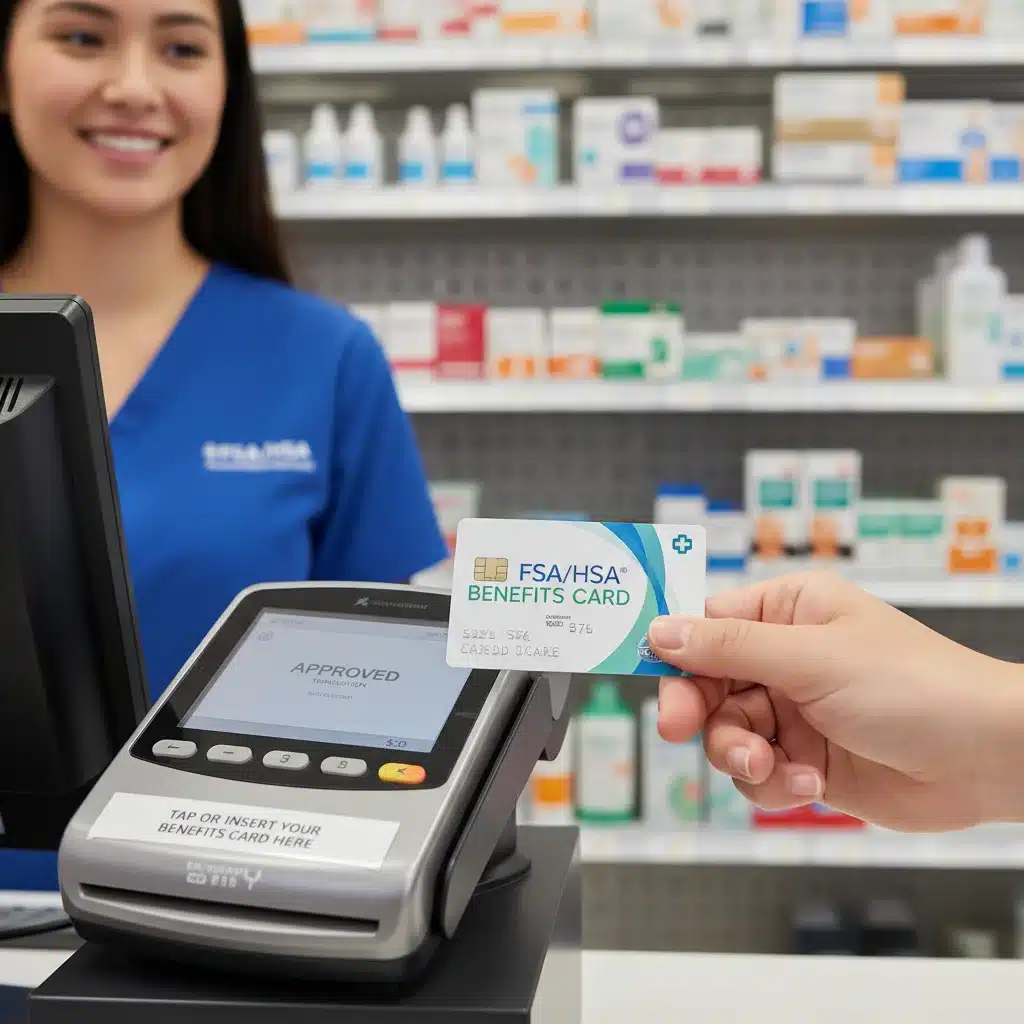
7. Use Your FSA Debit Card
Many FSA plans provide a debit card, making it incredibly easy to pay for eligible expenses directly at the point of sale. This eliminates the need for out-of-pocket payments and subsequent reimbursement claims. However, always retain your receipts, as your plan administrator may still request them for verification, especially for larger purchases or certain categories of items.
8. Submit All Reimbursement Claims Promptly
If you pay for an eligible expense out-of-pocket, make sure to submit your reimbursement claim well before the December 31, 2026, deadline (or your plan’s specific grace period deadline). There’s usually a separate deadline for submitting claims, which can extend a bit past the spending deadline, but it’s best not to procrastinate.
9. Consider a ‘Health Store’ Trip
Many pharmacies and large retailers now clearly mark FSA-eligible items in-store and online. Dedicate a shopping trip specifically to browse these sections and pick up items you’ll need. Websites like FSAstore.com or HSAstore.com are also excellent resources for discovering eligible products and making purchases with your FSA card.
By implementing these strategies, you can confidently approach the December 31, 2026, deadline, knowing you’ve taken all necessary steps to maximize your FSA funds and avoid the forfeiture of up to $500 or more. Remember, every dollar spent from your FSA is a dollar saved on taxes and out-of-pocket healthcare costs.
Common Pitfalls to Avoid When Using Your FSA Funds
While FSAs offer significant benefits, there are several common mistakes that can lead to frustration or, worse, forfeiture of your hard-earned funds. Being aware of these pitfalls can help you navigate your FSA effectively before the December 31, 2026, deadline.
1. Procrastinating Until the Last Minute
This is arguably the most common and costly mistake. Waiting until the last week or even the last day of December to spend your FSA funds can lead to rushed, unnecessary purchases or, if you can’t find eligible items, forfeiture. Medical appointments might be fully booked, and shipping for online orders could be delayed. Start planning your spending strategy well in advance – ideally, by October or November – to allow ample time for appointments, purchases, and claim submissions.
2. Not Knowing Your Plan’s Specific Rules
Assuming all FSAs are the same is a critical error. Some plans offer a grace period, others a carryover, and some offer neither. The exact deadline for incurring expenses and submitting claims can also vary. Always confirm these details with your HR department or FSA administrator. This information is foundational to your spending strategy and crucial for avoiding surprises.
3. Misunderstanding Eligible Expenses
While the list of eligible items is extensive, not everything health-related qualifies. For instance, gym memberships, vitamins (unless prescribed for a specific condition), and cosmetic procedures are generally not covered. Buying ineligible items with your FSA card can lead to requests for substantiation, and if the expense is ultimately deemed ineligible, you may have to repay the funds or face tax penalties. Always verify eligibility before making a purchase, especially for less common items.
4. Neglecting to Keep Receipts and Documentation
Even when using an FSA debit card, it’s vital to keep all receipts and Explanation of Benefits (EOB) statements from your insurance company. Your FSA administrator may audit your purchases and require documentation to prove eligibility. If you cannot provide proof, you might be required to repay the funds, and the amount could be considered taxable income. A digital folder for FSA receipts can be a lifesaver.
5. Missing the Claims Submission Deadline
There are typically two deadlines: one for incurring expenses and another for submitting claims for reimbursement. The claims submission deadline usually extends a few months past the end of the plan year (e.g., March 31, 2027, for a December 31, 2026, plan year). However, if you miss this second deadline, even for eligible expenses incurred on time, you will not be reimbursed, and those funds will be forfeited. Submit claims as soon as possible after incurring an expense.
6. Confusing FSA with HSA
While both are tax-advantaged accounts for healthcare, they operate very differently. HSAs allow funds to roll over indefinitely and are portable, but you must be enrolled in a High-Deductible Health Plan (HDHP) to qualify. FSAs, on the other hand, typically have the ‘use it or lose it’ rule (with exceptions) and are tied to your employer. Do not assume your FSA works like an HSA; understand its specific limitations.
7. Over-Contributing to Your FSA
While it’s good to maximize tax savings, over-contributing can lead to forfeiture if you don’t have enough eligible expenses. When electing your FSA amount at the beginning of the year, try to estimate your expected out-of-pocket costs accurately. If you have a good sense of your regular medical, dental, and vision expenses, plus a buffer for OTC items, you’ll be in a better position to use all your funds.
8. Not Utilizing the Entire Family’s Needs
Remember that your FSA funds can cover eligible expenses for you, your spouse, and your tax dependents. Don’t just think about your own needs. Factor in your children’s dental appointments, vision care, or any specific medical supplies they might need. This broadens your scope for spending and helps ensure no funds are left behind.
By being mindful of these common pitfalls, you can navigate your FSA with greater confidence and efficiency, ensuring that you maximize your tax savings and avoid the forfeiture of your valuable FSA funds before December 31, 2026.
The Long-Term Benefits of Maximizing Your FSA
Beyond the immediate goal of avoiding forfeiture by December 31, 2026, understanding and strategically utilizing your Flexible Spending Account offers significant long-term financial and health benefits. It’s not just about spending money; it’s about smart financial planning and prioritizing your well-being.
1. Consistent Tax Savings
The primary and ongoing benefit of an FSA is the tax advantage. By contributing pre-tax dollars, you effectively reduce your taxable income, which translates directly into more money in your pocket. Over years, these savings can be substantial, especially for individuals or families with predictable healthcare costs. Maximizing your FSA each year means consistently benefiting from these tax breaks.
2. Encourages Proactive Healthcare
The ‘use it or lose it’ rule, while sometimes stressful, can also serve as a powerful motivator for proactive healthcare. Knowing you have funds available encourages you to schedule those annual check-ups, dental cleanings, eye exams, and specialist visits you might otherwise postpone. This regular engagement with healthcare providers can lead to early detection of health issues, better management of chronic conditions, and ultimately, improved long-term health outcomes.
3. Budgeting for Healthcare Expenses
An FSA helps you budget for your anticipated healthcare expenses. By setting aside a specific amount at the beginning of the year, you create a dedicated fund for medical costs, preventing unexpected health bills from disrupting your overall financial planning. This structured approach to healthcare spending can provide peace of mind and financial stability.
4. Financial Buffer for Unexpected Costs
While the goal is to spend down your FSA, having the full elected amount available from day one provides an immediate financial buffer for unexpected medical emergencies or significant healthcare needs that arise early in the plan year. This feature can be invaluable, especially for those with high-deductible health plans.
5. Reduced Out-of-Pocket Spending
By using your FSA for co-pays, deductibles, and eligible expenses, you reduce the amount of post-tax money you need to spend out-of-pocket. This means more of your regular income remains available for other financial goals, such as saving, investing, or discretionary spending.
6. Informed Healthcare Consumerism
Actively managing your FSA encourages you to become a more informed healthcare consumer. You’ll learn about eligible expenses, compare costs of different medical supplies or services, and better understand your insurance benefits. This knowledge empowers you to make smarter decisions about your healthcare and how you pay for it.
7. Peace of Mind
Knowing that you have a dedicated, tax-advantaged fund for healthcare expenses can provide significant peace of mind. It alleviates some of the financial stress associated with managing health and allows you to focus on well-being rather than worrying about the cost of care.
In conclusion, while the December 31, 2026, deadline for your current FSA funds is an immediate concern, the broader picture reveals that mastering your FSA is a fundamental component of robust personal financial planning. By consistently maximizing your FSA, you’re not just avoiding forfeiture; you’re actively engaging in smart tax planning, promoting proactive health management, and building a more secure financial future for yourself and your family. Make it a habit to review your FSA status annually, understand your benefits, and strategically plan your spending to reap these enduring advantages.
Final Checklist for Your FSA Funds Before December 31, 2026
As we approach the critical deadline of December 31, 2026, it’s essential to have a clear action plan to ensure you maximize your FSA funds and avoid any forfeiture. Use this checklist to guide your final spending decisions and ensure every dollar is accounted for.
- Check Your Current FSA Balance: Log into your FSA account online or call your plan administrator to get your exact remaining balance. Knowing the precise amount is the first step in effective planning.
- Confirm Your Plan’s Specific Rules: Reconfirm if your FSA plan offers a grace period (e.g., until March 15, 2027) or a limited carryover amount (e.g., up to $610 for 2026 funds). This information will significantly impact your spending strategy.
- Review Your Healthcare Needs: Think about any outstanding medical, dental, or vision appointments for yourself, your spouse, or your dependents that can be scheduled before the end of the year.
- Schedule Appointments Promptly: Book those dental cleanings, eye exams, annual physicals, or specialist visits now. Appointment slots fill up quickly as the year-end approaches.
- Refill Prescriptions: Check all ongoing prescriptions and refill any that are due or can be refilled before the deadline.
- Stock Up on OTC Essentials: Make a list of eligible over-the-counter medications and supplies you regularly use, such as pain relievers, cold and flu medicines, allergy meds, bandages, sunscreen, and feminine hygiene products. Consider buying in bulk or larger sizes.
- Consider Medical Devices/Supplies: Evaluate if you need any eligible medical equipment like a blood pressure monitor, thermometer, heating pad, or diabetic supplies.
- Utilize FSA-Eligible Retailers: Shop at pharmacies or online stores (like FSAstore.com) that clearly mark eligible items. This simplifies the process and ensures you’re buying approved products.
- Keep All Receipts: For every purchase made with your FSA card or out-of-pocket, keep detailed receipts and documentation. These are crucial for substantiation if your plan administrator requests them.
- Submit Reimbursement Claims Immediately: If you paid out-of-pocket for any eligible expenses, submit your claims for reimbursement as soon as possible, well before the final claims submission deadline.
- Don’t Procrastinate: Start your spending plan now. The closer you get to December 31, 2026, the harder it will be to use up your remaining funds effectively.
By diligently following this checklist, you can confidently navigate the end-of-year FSA rush and ensure that you maximize your tax-advantaged healthcare savings. Don’t let your hard-earned FSA funds go to waste; take action today to avoid forfeiture and secure your financial well-being.