2026 CHIP Reauthorization: Enhanced Benefits for 9 Million US Children

The landscape of children’s healthcare in the United States is poised for a transformative shift with the impending 2026 CHIP Reauthorization. This critical legislative action is not merely a renewal of an existing program; it represents a profound commitment to the well-being of over 9 million children across the nation. For decades, the Children’s Health Insurance Program (CHIP) has served as a vital safety net, ensuring that children from low-income families, who earn too much to qualify for Medicaid but cannot afford private insurance, have access to essential medical care. The 2026 CHIP Reauthorization is expected to build upon this foundational success, introducing new benefits and strengthening existing provisions to address the evolving healthcare needs of America’s youth.
Understanding the implications of the 2026 CHIP Reauthorization is crucial for parents, guardians, healthcare providers, and policymakers alike. This comprehensive overview will delve into the anticipated changes, highlight the new benefits that will directly impact millions of children, and discuss the broader significance of this reauthorization for the future of pediatric healthcare in the US. From expanded coverage options to enhanced access to specialized services, the 2026 CHIP Reauthorization is designed to create a more robust and equitable healthcare system for our youngest citizens.
The Enduring Legacy of CHIP: A Foundation for the Future
Before exploring the specifics of the 2026 CHIP Reauthorization, it is important to acknowledge the program’s historical significance. Established in 1997, CHIP was a bipartisan effort to address the growing number of uninsured children in the United States. Since its inception, CHIP has provided comprehensive health coverage, including doctor visits, prescription medications, dental care, vision care, and mental health services, to millions of children. Its success lies in its flexibility, allowing states to tailor programs to meet the unique needs of their populations, while adhering to federal guidelines.
The program has consistently enjoyed broad support due to its proven effectiveness in reducing child uninsured rates and improving health outcomes. Studies have repeatedly shown that children covered by CHIP are more likely to receive preventive care, vaccinations, and necessary treatments, leading to healthier lives and better academic performance. The 2026 CHIP Reauthorization seeks to not only continue this legacy but to elevate the program’s impact, adapting to new challenges and opportunities in the healthcare landscape. The reauthorization is a testament to the belief that every child, regardless of their family’s income, deserves access to quality healthcare.
Key Provisions and New Benefits of the 2026 CHIP Reauthorization
While the final details of the 2026 CHIP Reauthorization will be solidified closer to its implementation, discussions and proposals suggest several key areas of enhancement. These new benefits are designed to address gaps in current coverage, improve access to specialized care, and promote holistic child development. For the 9 million children currently benefiting from CHIP, and potentially more who will become eligible, these changes will be life-altering.
Expanded Mental Health and Behavioral Health Services
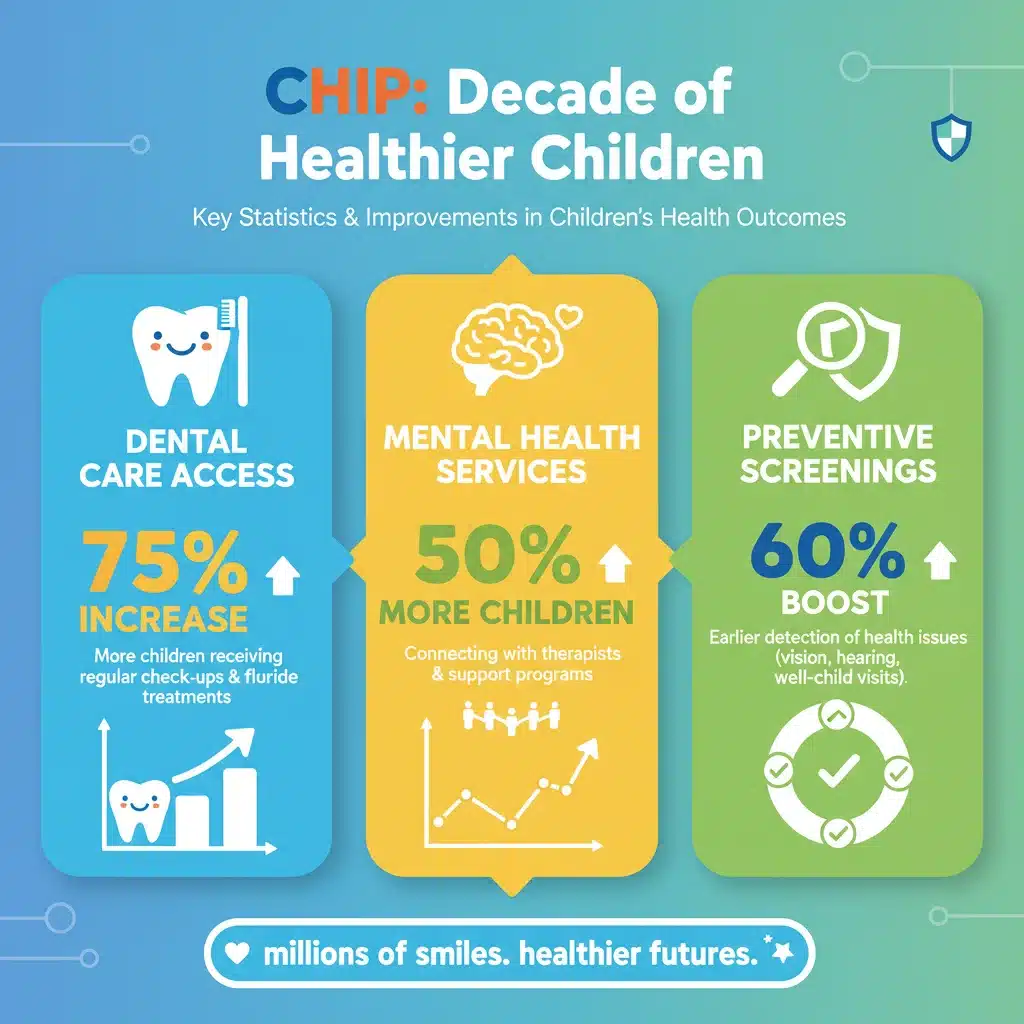
One of the most significant anticipated enhancements in the 2026 CHIP Reauthorization is the expansion of mental health and behavioral health services. Recognizing the growing crisis in youth mental health, there is a strong push to ensure that CHIP covers a broader range of services, including therapy, counseling, psychiatric evaluations, and substance abuse treatment, with parity to physical health benefits. This means that mental health services will be treated with the same importance and accessibility as physical health services, eliminating barriers to care that many families currently face. This expansion is crucial for addressing anxiety, depression, and other mental health conditions that affect a substantial portion of children and adolescents today.
Enhanced Dental and Vision Care
While CHIP has always included dental and vision benefits, the 2026 CHIP Reauthorization is expected to strengthen these provisions further. This could mean more comprehensive dental coverage, including orthodontics in medically necessary cases, and improved access to vision screenings and corrective lenses. Many children from low-income families suffer from preventable dental issues and uncorrected vision problems that can impact their learning and overall quality of life. By enhancing these benefits, the reauthorization aims to ensure that children have the fundamental tools for healthy development and academic success.
Increased Focus on Preventive Care and Early Intervention
The 2026 CHIP Reauthorization is likely to place an even greater emphasis on preventive care and early intervention. This includes expanded coverage for well-child visits, immunizations, developmental screenings, and health education programs. The philosophy behind this is simple: preventing illness and identifying developmental delays early on leads to better long-term health outcomes and reduces the need for more costly treatments down the line. This proactive approach will empower families to take charge of their children’s health from an early age, fostering a culture of wellness.
Telehealth and Remote Care Integration
The COVID-19 pandemic highlighted the critical role of telehealth in healthcare delivery. The 2026 CHIP Reauthorization is expected to formalize and expand the integration of telehealth and remote care services. This will significantly improve access to care for children in rural areas or those with limited transportation, allowing them to consult with specialists, receive therapy, and manage chronic conditions from the comfort of their homes. Telehealth can break down geographical barriers and ensure that all children, regardless of their location, can access the care they need.

Eligibility and Enrollment: What Families Need to Know
A crucial aspect of the 2026 CHIP Reauthorization will be its impact on eligibility and enrollment. While the core eligibility criteria are likely to remain based on family income relative to the federal poverty level, there may be adjustments to income thresholds or simplified enrollment processes to ensure more children can access the program. States will continue to have some flexibility in setting their specific income limits, but the federal framework will guide these decisions.
Families interested in CHIP coverage should be aware that eligibility typically varies by state. Generally, children up to age 19 are eligible. The program covers children in families who earn too much to qualify for Medicaid but cannot afford private health insurance. Many states also offer CHIP coverage to pregnant women. The 2026 CHIP Reauthorization is expected to streamline the application process, making it easier for eligible families to enroll and re-enroll their children, reducing administrative burdens and ensuring continuous coverage.
Outreach and education efforts will be paramount to ensure that all eligible families are aware of the new benefits and how to access them. Community organizations, healthcare providers, and state agencies will play a vital role in disseminating information and assisting families with the enrollment process. The goal is to maximize the reach of the 2026 CHIP Reauthorization, ensuring that every child who qualifies receives the healthcare they deserve.
Impact on Healthcare Providers and the System
The 2026 CHIP Reauthorization will not only impact children and families but also have significant implications for healthcare providers and the broader healthcare system. With expanded benefits and potentially increased enrollment, pediatricians, dentists, mental health professionals, and other specialists will likely see a greater demand for their services. This increased demand will necessitate a robust healthcare workforce and potentially lead to investments in infrastructure and training.
For providers, the reauthorization may bring clearer guidelines for billing and reimbursement for new services, particularly in areas like mental health and telehealth. It could also foster greater collaboration between different healthcare disciplines, promoting a more integrated and holistic approach to child health. The emphasis on preventive care and early intervention within the 2026 CHIP Reauthorization will encourage providers to focus on proactive health management rather than just reactive treatment, leading to better long-term health outcomes for children and more efficient use of healthcare resources.
Furthermore, the stability provided by a long-term reauthorization allows states and providers to plan more effectively, investing in programs and services with the assurance of continued federal support. This stability is crucial for maintaining a high quality of care and ensuring that the healthcare system can adequately meet the needs of its youngest patients.
Addressing Health Disparities and Promoting Equity
A core objective of the 2026 CHIP Reauthorization is to continue addressing and reducing health disparities among children from different socioeconomic and racial backgrounds. Children from low-income families and minority groups often face greater barriers to accessing quality healthcare, leading to poorer health outcomes. By expanding benefits and streamlining eligibility, CHIP plays a critical role in leveling the playing field.
The enhanced mental health services, for instance, are particularly important for communities that have historically lacked access to such specialized care. Similarly, improved dental and vision benefits can significantly impact children whose families may not have the resources for these essential services. The 2026 CHIP Reauthorization is an opportunity to reinforce the commitment to health equity, ensuring that every child has the chance to grow up healthy and thrive, regardless of their family’s circumstances or where they live.
By providing a comprehensive and accessible healthcare safety net, CHIP acts as a powerful tool for social mobility and economic opportunity. Healthy children are more likely to attend school regularly, perform better academically, and grow into productive adults. The investment made through the 2026 CHIP Reauthorization is not just in healthcare; it is an investment in the future prosperity and well-being of the entire nation.
Challenges and Considerations for the 2026 CHIP Reauthorization
While the prospects of the 2026 CHIP Reauthorization are overwhelmingly positive, there will undoubtedly be challenges and considerations that policymakers must address. Funding remains a perennial concern. Ensuring adequate and sustainable federal funding will be critical to support the expanded benefits and potential increase in enrollment. The economic climate and competing legislative priorities will influence these discussions.
Another consideration is the balance between federal oversight and state flexibility. While states appreciate the ability to tailor CHIP programs to their unique needs, a strong federal framework is necessary to ensure consistent quality of care and equitable access across the country. The 2026 CHIP Reauthorization will likely involve intricate negotiations to strike this balance effectively.
Furthermore, ongoing monitoring and evaluation will be essential to assess the effectiveness of the new benefits and make any necessary adjustments. Data collection on health outcomes, access to care, and family satisfaction will provide valuable insights into the program’s impact and inform future policy decisions. The success of the 2026 CHIP Reauthorization will depend on a collaborative effort between federal and state governments, healthcare providers, advocacy groups, and families.
The Future of Pediatric Healthcare in the US
The 2026 CHIP Reauthorization is more than just a legislative act; it is a reaffirmation of a national commitment to children’s health. It signals a move towards a more comprehensive, equitable, and forward-thinking approach to pediatric healthcare in the United States. The new benefits, focusing on mental health, preventive care, and accessibility, reflect a deeper understanding of the complex needs of modern children.
As the reauthorization takes effect, we can anticipate a future where more children have access to the full spectrum of care they need to thrive. This includes not just treating illnesses but promoting overall well-being, addressing developmental needs, and fostering resilience. The long-term impact will be a healthier, more educated, and more productive generation of Americans.
Families are encouraged to stay informed about the specific changes implemented in their state as a result of the 2026 CHIP Reauthorization. Resources will be available through state health departments, CHIP program websites, and community health centers. By understanding and utilizing these new benefits, parents and guardians can ensure their children receive the best possible start in life, setting them on a path to lifelong health and success.
Conclusion: A Healthier Tomorrow for America’s Children
The 2026 CHIP Reauthorization stands as a beacon of hope for millions of children and their families across the United States. By renewing and significantly enhancing the Children’s Health Insurance Program, this legislative effort promises to deliver new benefits that address critical areas of need, from comprehensive mental health services to improved dental and vision care. It underscores the nation’s unwavering dedication to ensuring that every child has the opportunity to access quality healthcare, regardless of their family’s economic standing.
The anticipated expansion of services, coupled with efforts to streamline eligibility and enrollment, will undoubtedly lead to better health outcomes, reduced health disparities, and a stronger foundation for future generations. As we look towards the implementation of the 2026 CHIP Reauthorization, it is clear that this pivotal moment in health policy will shape a healthier, more equitable tomorrow for the over 9 million children who depend on this vital program. The investment in CHIP is an investment in the future of America, ensuring that our children have the health and well-being necessary to reach their full potential.