Access Affordable Healthcare: Your Guide to Free and Low-Cost Clinics 2026
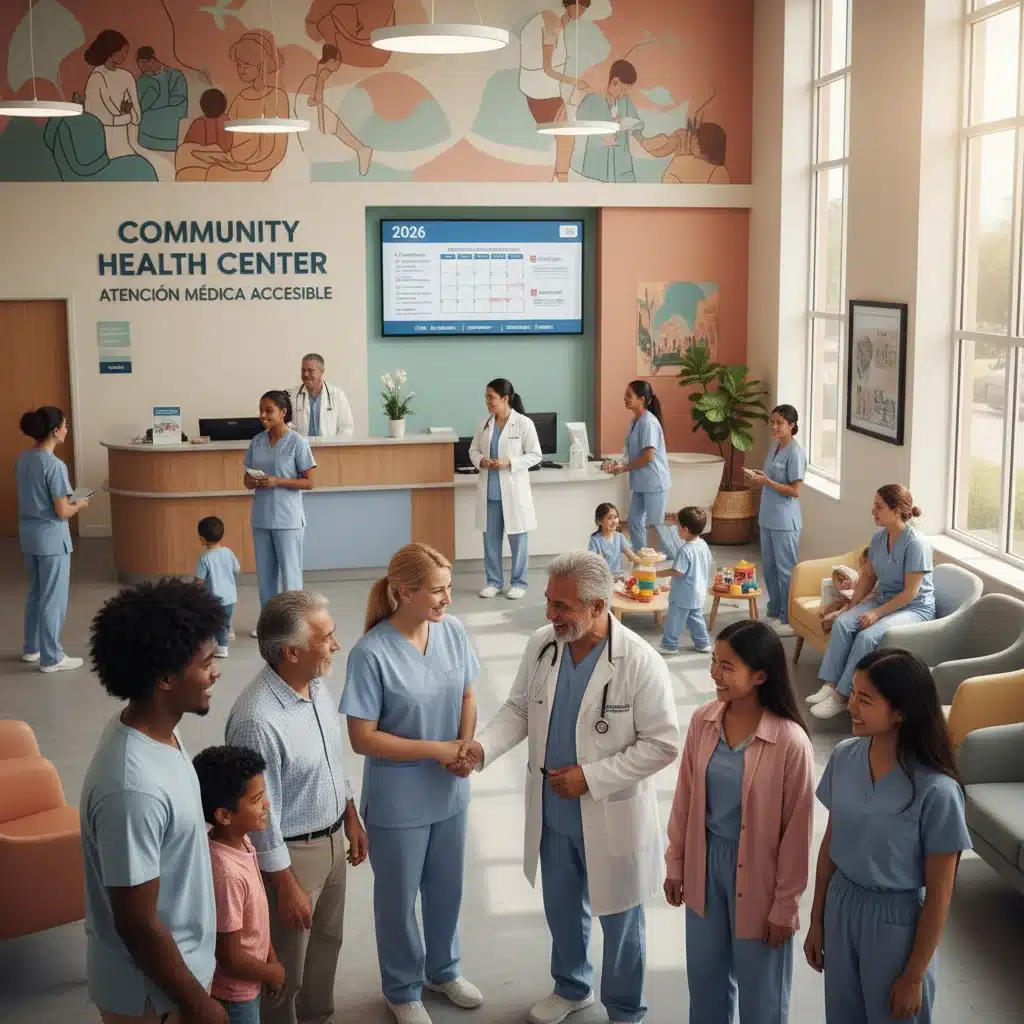
In an era where healthcare costs continue to climb, finding affordable healthcare access is more crucial than ever. Many individuals and families across the United States struggle with the burden of high medical expenses, lack of insurance, or insufficient coverage. The good news is that there are robust networks of free and low-cost clinics dedicated to providing essential medical services to everyone, regardless of their ability to pay. This comprehensive guide will illuminate the pathways to affordable healthcare access in 2026, with a particular focus on Federally Qualified Health Centers (FQHCs) and other vital resources.
Understanding your options for affordable healthcare access can be life-changing. Whether you’re uninsured, underinsured, or simply seeking cost-effective care, knowing where to look and what services are available is the first step towards better health outcomes. We’ll delve into what FQHCs are, the extensive services they offer, how to locate them, and other valuable avenues for affordable medical attention.
The Cornerstone of Affordable Healthcare: Federally Qualified Health Centers (FQHCs)
Federally Qualified Health Centers (FQHCs) are the backbone of affordable healthcare access in the United States. These community-based healthcare providers receive federal funding to deliver primary care services in underserved areas. Their mission is simple yet profound: to provide comprehensive, culturally competent, and quality primary healthcare services to all, regardless of their ability to pay. As of 2026, there are over 1,400 FQHCs operating across more than 14,000 service delivery sites nationwide, serving over 30 million patients annually.
What Makes FQHCs Unique?
FQHCs stand out for several reasons that directly contribute to enhanced affordable healthcare access:
- Sliding Fee Scale: This is perhaps the most critical feature. FQHCs are mandated to offer a sliding fee discount program to eligible patients based on their family size and income. This means that if you’re uninsured or have a low income, your medical bills will be significantly reduced, or even waived entirely, making healthcare truly affordable.
- Comprehensive Services: Unlike many private practices that specialize, FQHCs offer a wide array of services under one roof. This integrated approach ensures that patients can receive holistic care without having to navigate multiple facilities.
- Patient-Centered Care: FQHCs are governed by community boards, with at least 51% of members being patients themselves. This structure ensures that the centers are responsive to the needs of the communities they serve, fostering a truly patient-centered environment.
- Accessibility: By design, FQHCs are located in medically underserved areas, making healthcare more accessible to populations that traditionally face barriers to care, including rural communities, low-income urban areas, and migrant worker communities.
Services Offered by FQHCs: More Than Just Primary Care
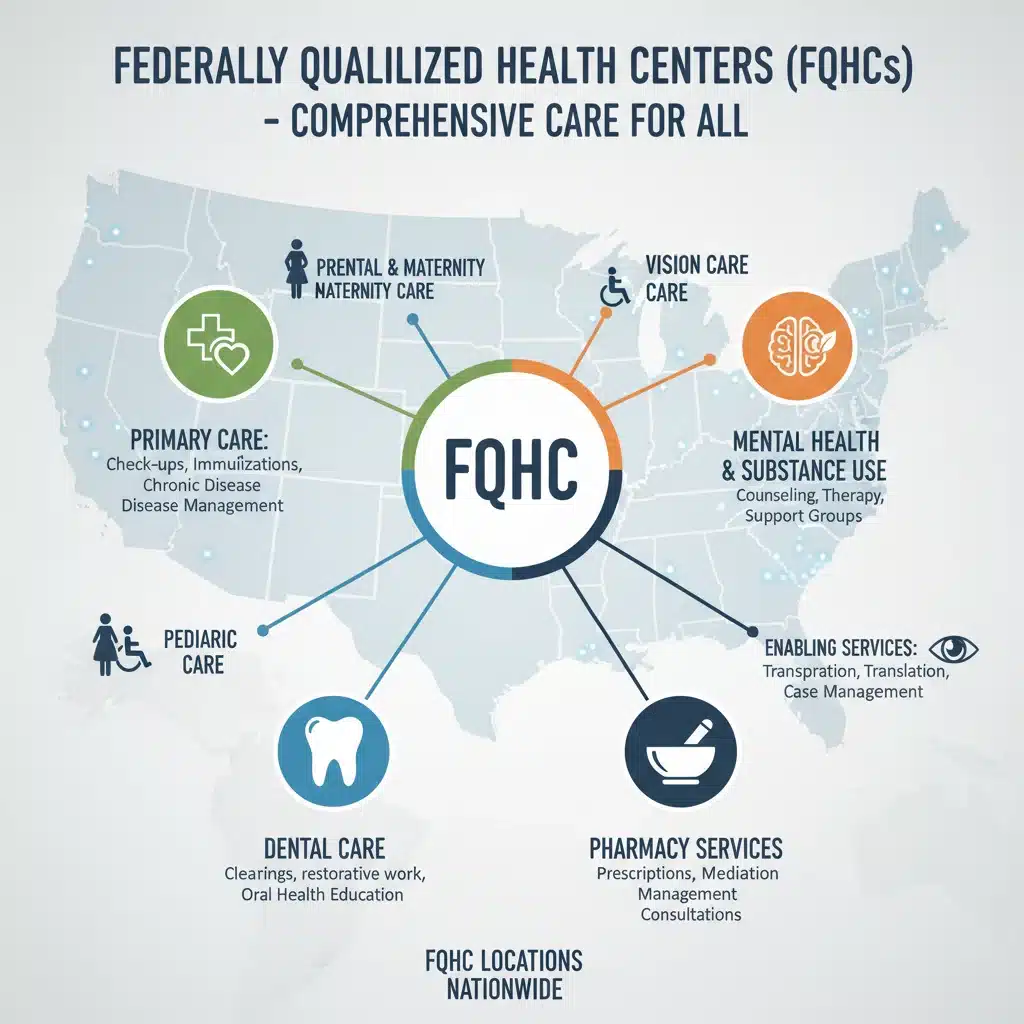
The range of services available at FQHCs goes far beyond basic check-ups. They are designed to be comprehensive health hubs, addressing a multitude of health needs to ensure complete affordable healthcare access. This integrated model is crucial for preventing chronic conditions and managing existing ones effectively.
Core Services Include:
- Primary Medical Care: This is the foundation, covering everything from routine physicals and immunizations to acute illness treatment and chronic disease management (e.g., diabetes, hypertension).
- Dental Care: Many FQHCs offer essential dental services, including cleanings, fillings, extractions, and preventative care. Dental health is often overlooked but is a critical component of overall well-being.
- Mental Health and Substance Abuse Services: Recognizing the growing need, FQHCs provide counseling, therapy, psychiatric services, and substance abuse treatment, often integrating these services with primary care for a holistic approach.
- Vision Services: Some centers offer eye exams and basic vision care.
- Pharmacy Services: Many FQHCs have on-site pharmacies or partnerships with local pharmacies to provide discounted prescription medications, further enhancing affordable healthcare access.
- Enabling Services: These are non-clinical services that remove barriers to healthcare. They include transportation assistance, translation services, health education, case management, and eligibility assistance for various programs.
- Prenatal and Postnatal Care: Comprehensive care for expectant mothers and new parents, ensuring healthy outcomes for both mother and child.
- Pediatric Care: Dedicated services for infants, children, and adolescents, covering well-child visits, immunizations, and treatment for childhood illnesses.
How to Find an FQHC Near You in 2026
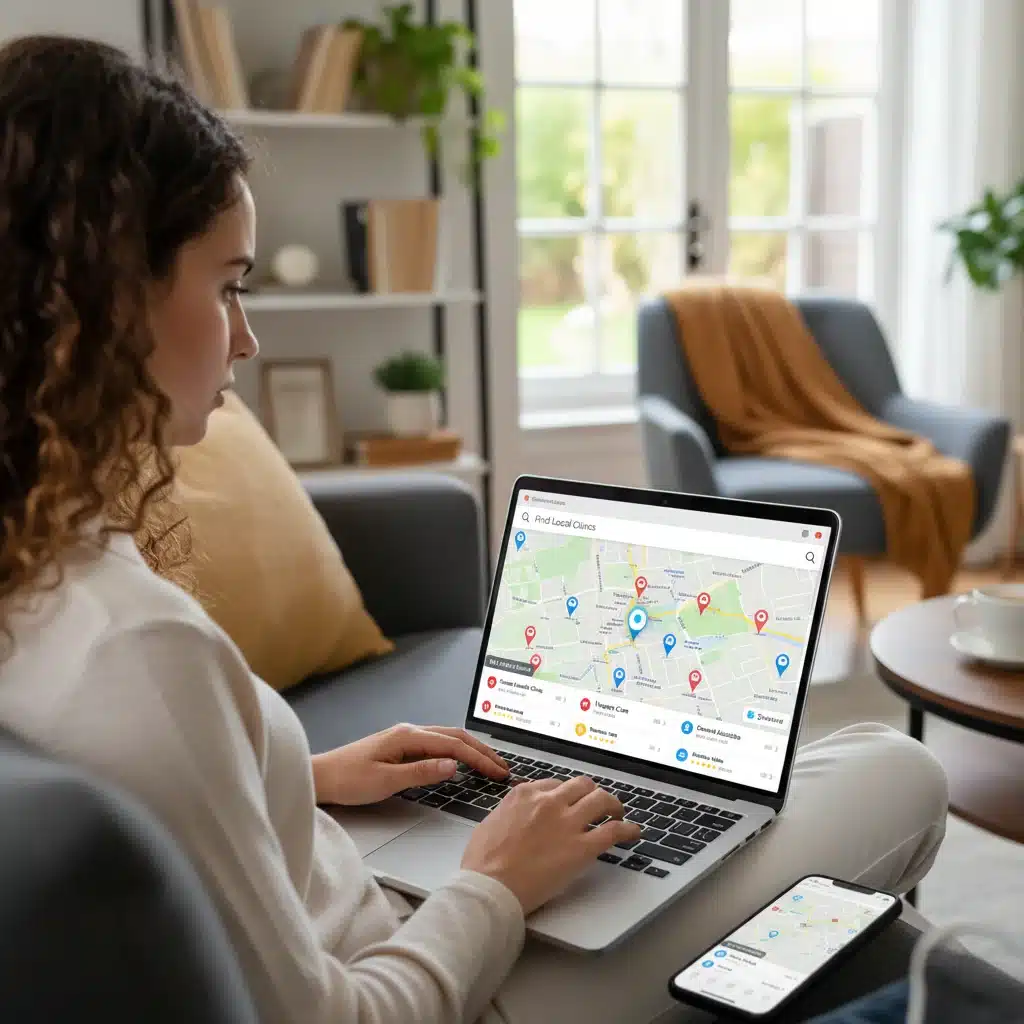
Locating an FQHC that provides affordable healthcare access is straightforward, thanks to readily available online resources. The federal government maintains a comprehensive directory that is regularly updated. Here’s how you can find one:
- HRSA Health Center Locator: The most reliable tool is the U.S. Health Resources and Services Administration (HRSA) Health Center Locator. You can access it through the HRSA website. Simply enter your address, city, state, or zip code, and it will display a list of nearby FQHCs, along with their contact information and services offered.
- Search Engines: A quick search on Google or your preferred search engine for terms like “Federally Qualified Health Centers near me,” “community health clinics [your city/state],” or “low-cost medical clinics 2026” will yield relevant results. Always verify the information on the clinic’s official website.
- State Primary Care Associations: Each state has a Primary Care Association (PCA) that supports FQHCs within its jurisdiction. These associations often have directories on their websites, offering a more localized search option.
- Local Health Departments: Your local or county health department can also be a valuable resource. They often have information on community clinics and other affordable healthcare access options in your area.
- Word of Mouth and Community Resources: Don’t underestimate the power of local networks. Community centers, social service agencies, and even local libraries might have information on nearby clinics.
When you contact an FQHC, be sure to inquire about their sliding fee scale program, eligibility requirements, and what documentation you’ll need to bring (e.g., proof of income, family size). It’s also wise to ask about appointment availability and whether they accept your specific insurance, if you have any.
Beyond FQHCs: Other Avenues for Affordable Healthcare Access
While FQHCs are a primary resource, they are not the only option for affordable healthcare access. Several other types of clinics and programs can help you get the care you need without a prohibitive cost.
Free Clinics:
Free clinics, often run by volunteers and supported by donations, provide a crucial safety net for individuals who cannot afford any medical care. These clinics typically offer basic primary care services, sometimes including limited dental or vision care. Their services are usually entirely free, but they may have specific eligibility criteria or operate on a first-come, first-served basis due to high demand. The National Association of Free & Charitable Clinics (NAFC) is an excellent resource for finding these facilities.
University and Teaching Hospitals:
Many university medical centers and teaching hospitals operate clinics where medical residents and students, under the supervision of experienced physicians, provide care. These clinics often offer services at reduced rates, and some may have programs for uninsured or low-income patients. They can be an excellent source for specialized care as well.
Urgent Care Centers:
For non-life-threatening conditions that require immediate attention, urgent care centers can be a more affordable alternative to emergency rooms. While not always free, their costs are generally lower than ER visits, and many accept various insurance plans or offer self-pay options. Always check their pricing structure before visiting.
Retail Clinics:
Located within pharmacies or retail stores, these clinics offer convenient and relatively inexpensive care for minor illnesses and preventative services like flu shots. They are staffed by nurse practitioners or physician assistants and can be a good option for quick, basic medical needs. While not always “low-cost” in the same way an FQHC is, they can be more affordable than a traditional doctor’s office visit for certain conditions.
Community Mental Health Centers:
For mental health services, community mental health centers (CMHCs) provide low-cost or free counseling, therapy, and psychiatric services to individuals and families. They often operate on a sliding scale similar to FQHCs and are funded by state and federal grants.
Medicaid and CHIP:
For eligible low-income individuals and families, Medicaid and the Children’s Health Insurance Program (CHIP) provide comprehensive health coverage. While not a clinic in themselves, these government programs offer significant affordable healthcare access by covering medical costs. Eligibility varies by state, but it’s always worth checking if you qualify.
Preparing for Your Visit to a Low-Cost Clinic
To make the most of your visit and ensure smooth affordable healthcare access, it’s wise to come prepared. Gathering necessary documents and understanding the clinic’s procedures can save you time and stress.
Key Items to Bring:
- Identification: A valid photo ID (driver’s license, state ID, passport).
- Proof of Address: A utility bill, lease agreement, or other official document showing your current address.
- Proof of Income: This is crucial for sliding fee scales. Bring recent pay stubs, tax returns, W-2 forms, or a letter from your employer. If you are unemployed, inquire about alternative documentation they accept.
- Proof of Family Size: For sliding scale eligibility, you may need to provide documentation for all dependents, such as birth certificates or school records.
- Insurance Information (if applicable): Even if you have insurance, low-cost clinics might still offer benefits or services that complement your plan. Bring your insurance card and policy details.
- Medical History: A list of current medications, known allergies, past surgeries, and significant medical conditions. This helps the provider understand your health needs quickly.
- Questions: Write down any questions or concerns you have for the doctor.
What to Expect:
While the setting might be different from a traditional private practice, the quality of care at FQHCs and other low-cost clinics is often excellent. You can expect:
- Professional Staff: Clinics are staffed by licensed and experienced healthcare professionals, including doctors, nurse practitioners, physician assistants, dentists, and mental health specialists.
- Comprehensive Assessment: Expect a thorough review of your medical history and current symptoms.
- Respectful Treatment: All patients are treated with dignity and respect, regardless of their financial situation.
- Referrals: If specialized care is needed that the clinic cannot provide, they will often assist with referrals to other affordable healthcare access options or specialists.
The Importance of Preventative Care and Early Intervention
One of the most significant benefits of enhanced affordable healthcare access is the ability to engage in preventative care and early intervention. Regular check-ups, screenings, and vaccinations can detect potential health issues before they become serious and much more expensive to treat. FQHCs are champions of preventative care, offering services like:
- Immunizations: Protecting against infectious diseases for all age groups.
- Cancer Screenings: Mammograms, Pap tests, and colon cancer screenings.
- Chronic Disease Management: Regular monitoring and education for conditions like diabetes, asthma, and heart disease to prevent complications.
- Health Education: Resources and counseling on nutrition, exercise, smoking cessation, and other lifestyle factors.
By making these services accessible, FQHCs contribute not only to individual well-being but also to the overall health of the community, reducing the burden on emergency services and improving public health outcomes.
Addressing Common Concerns About Low-Cost Clinics
It’s natural to have questions or even some skepticism about free and low-cost healthcare options. Let’s address some common concerns to reassure you about the quality and effectiveness of these services in providing affordable healthcare access.
Are the Doctors Qualified?
Absolutely. Healthcare professionals at FQHCs and other reputable low-cost clinics are fully licensed and qualified. Many are passionate about serving underserved communities and choose to work in these settings. In teaching hospitals, care is provided by residents under the direct supervision of experienced attending physicians.
Is the Equipment Outdated?
While some smaller free clinics might have more basic equipment, FQHCs receive federal funding that often allows them to maintain modern facilities and utilize up-to-date medical technology. They are subject to rigorous oversight and must meet specific quality standards.
Will I Have to Wait a Long Time for an Appointment?
Appointment wait times can vary, just like in any healthcare setting. FQHCs are in high demand, so it’s advisable to call ahead and inquire about their current scheduling. Some offer walk-in services for urgent needs, while others require appointments. Being flexible with your schedule can sometimes help you get in sooner.
Is My Information Confidential?
Yes, all healthcare providers, including FQHCs and free clinics, are bound by HIPAA (Health Insurance Portability and Accountability Act) regulations, which protect the privacy and security of your medical information. Your health records are confidential.
What if I Need a Specialist?
FQHCs typically have established referral networks. If you need to see a specialist, your primary care provider at the FQHC will help you find an affordable option, often within their network or through partnerships with other healthcare organizations that offer discounted rates to FQHC patients.
The Future of Affordable Healthcare Access in 2026 and Beyond
The landscape of affordable healthcare access is continually evolving. In 2026, the commitment to expanding access remains strong, with ongoing efforts to support and grow the FQHC network. Policymakers and healthcare advocates recognize the vital role these centers play in maintaining public health and reducing health disparities.
As technology advances, we can also expect to see increased integration of telehealth services in low-cost clinics, further enhancing accessibility, especially for those in remote areas or with transportation challenges. Digital health tools can also help patients manage chronic conditions and stay connected with their care providers.
Community engagement will continue to be a cornerstone of FQHCs, with ongoing programs aimed at health education, preventive care, and addressing social determinants of health (e.g., food insecurity, housing instability) that impact overall well-being. By tackling these broader issues, FQHCs strive to create healthier communities from the ground up.
Conclusion: Empowering Yourself with Affordable Healthcare Access
Navigating the healthcare system can be overwhelming, but understanding your options for affordable healthcare access is a powerful step towards taking control of your health. Federally Qualified Health Centers (FQHCs) stand as beacons of hope, offering comprehensive, high-quality care on a sliding fee scale to millions across the nation.
In 2026, with over 1,400 FQHCs and numerous other free and low-cost clinics, essential medical, dental, and mental health services are within reach. Don’t let financial barriers prevent you from seeking the care you deserve. Utilize the resources available, whether it’s the HRSA locator, state primary care associations, or local health departments, to find a clinic near you.
Prioritize your health. Explore the incredible resources designed to provide affordable healthcare access, and take advantage of the preventative care and comprehensive services that can lead to a healthier, happier life. Your well-being is an investment, and with these options, it’s an investment you can afford to make.