The landscape of healthcare is in a constant state of evolution, driven by technological advancements, shifts in patient care models, and regulatory updates. One area that has seen significant growth and attention, particularly in recent years, is Remote Patient Monitoring (RPM). As we look towards the future, healthcare providers, medical device manufacturers, and billing specialists must prepare for the upcoming 2026 CPT RPM Changes. These changes are poised to reshape how RPM services are coded, billed, and ultimately, how they are integrated into patient care pathways.
Understanding these potential modifications early is not just about compliance; it’s about strategic planning, optimizing revenue cycles, and ensuring the continued delivery of high-quality, efficient remote care. This comprehensive guide will delve into the anticipated 2026 CPT RPM Changes, offering insights into their potential impact, and providing actionable strategies to help your organization navigate this evolving regulatory environment successfully.
The Foundation of Remote Patient Monitoring and CPT Codes
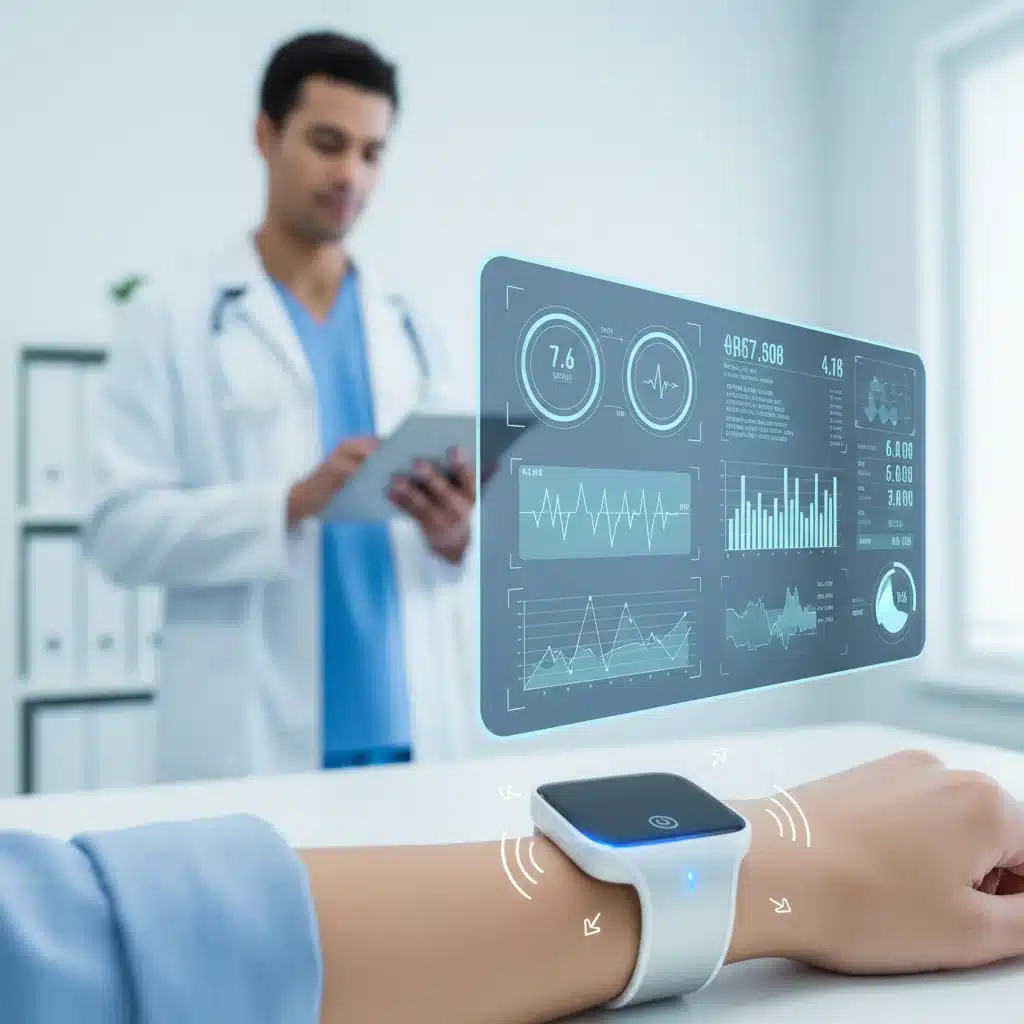
Remote Patient Monitoring, or RPM, involves the use of digital technologies to collect health data from individuals in one location and electronically transmit that information securely to healthcare providers in a different location for assessment and recommendations. This technology allows for continuous monitoring of vital signs, blood glucose levels, cardiac rhythms, and other crucial health indicators, enabling proactive interventions and reducing the need for frequent in-person visits.
The Centers for Medicare & Medicaid Services (CMS) and the American Medical Association (AMA) have recognized the immense value of RPM in managing chronic conditions, improving patient outcomes, and increasing access to care. Consequently, specific Current Procedural Terminology (CPT) codes have been established to allow for the appropriate billing and reimbursement of these services. These codes outline the requirements for device provision, data collection, and clinical review, forming the backbone of RPM’s financial viability.
Current CPT Codes for RPM Services
To fully appreciate the significance of the 2026 CPT RPM Changes, it’s essential to understand the current framework. As of now, several key CPT codes facilitate billing for RPM services, including:
- 99453: Remote monitoring of physiologic parameter(s) (e.g., weight, blood pressure, pulse oximetry, respiratory flow rate); initial set-up and patient education on use of equipment. This is a one-time, per-episode-of-care code.
- 99454: Remote monitoring of physiologic parameter(s); supply of device(s) with daily recording(s) or programmed alert(s) transmission, each 30 days. This covers the device itself and the daily data transmission.
- 99457: Remote physiologic monitoring treatment management services, clinical staff/physician/other qualified health care professional time in a calendar month requiring interactive communication with the patient/caregiver during the month; initial 20 minutes. This code covers the clinical time spent reviewing data and interacting with the patient.
- 99458: Remote physiologic monitoring treatment management services, clinical staff/physician/other qualified health care professional time in a calendar month requiring interactive communication with the patient/caregiver during the month; each additional 20 minutes. This is an add-on code to 99457 for additional clinical time.
These codes have been instrumental in fostering the adoption of RPM. However, as technology advances and clinical understanding deepens, the need for refinement becomes apparent.
Why Anticipate 2026 CPT RPM Changes?
CPT codes are not static. They undergo regular review and revision by the AMA CPT Editorial Panel to reflect new medical procedures, technologies, and evolving clinical practices. Several factors typically drive these changes, and RPM is particularly susceptible due to its rapid innovation cycle and growing integration into standard care.
Technological Advancements
The pace of innovation in medical devices and digital health solutions is relentless. RPM devices are becoming more sophisticated, capable of monitoring a wider array of parameters, offering enhanced accuracy, and integrating with artificial intelligence (AI) for predictive analytics. Current CPT codes may not adequately capture the complexity or value of these newer technologies and the services they enable.
Evolving Clinical Best Practices
As more research emerges on the efficacy and benefits of RPM for various conditions, clinical guidelines and best practices are refined. The current codes might not fully align with the optimal ways healthcare providers are now utilizing RPM data for patient management, leading to a need for codes that better reflect the clinical effort and outcomes.
Reimbursement and Policy Adjustments
CMS continuously evaluates the financial impact and appropriate reimbursement levels for medical services. As RPM becomes more widespread, there’s a constant dialogue about fair valuation, preventing fraud, waste, and abuse, and ensuring sustainable growth. Policy adjustments often necessitate CPT code modifications to align with new reimbursement structures or criteria.
Feedback from Stakeholders
Healthcare providers, device manufacturers, and patient advocacy groups actively provide feedback to the AMA and CMS regarding the adequacy and clarity of existing codes. Issues such as administrative burden, gaps in coverage, or ambiguity in code definitions can trigger a review process that culminates in changes.
Potential Areas of Impact for the 2026 CPT RPM Changes
While the specifics of the 2026 CPT RPM Changes are still under development and subject to public comment, we can anticipate several key areas that are likely to be addressed. These potential changes could significantly influence how RPM programs are structured and managed.
Refinement of Device Categories and Data Transmission
Currently, CPT 99454 broadly covers the ‘supply of device(s) with daily recording(s).’ The 2026 updates might introduce more granular distinctions based on the type of device (e.g., continuous glucose monitors vs. blood pressure cuffs), the complexity of data collected, or the frequency/method of data transmission. This could lead to new codes or modifications to existing ones to better differentiate reimbursement for varying technological capabilities and service requirements.
Adjustments to Clinical Time Requirements
The current 20-minute thresholds for CPT 99457 and 99458 have been a point of discussion. The 2026 CPT RPM Changes might alter these time increments, introduce new tiers based on patient acuity or complexity, or modify what activities count towards ‘interactive communication.’ There could also be clearer guidance on what constitutes billable clinical time, especially with the rise of AI-powered data analysis tools.
Integration with Other Digital Health Services
RPM often overlaps with other digital health services like Remote Therapeutic Monitoring (RTM) and telehealth. The 2026 changes might aim to clarify the distinctions between these services, prevent duplicate billing, or introduce bundled codes that better reflect comprehensive digital care packages. This could streamline billing processes for integrated care models.
Emphasis on Patient Engagement and Education
Effective RPM relies heavily on patient adherence and understanding. The initial setup and education (CPT 99453) are crucial. The 2026 CPT RPM Changes could place a greater emphasis on ongoing patient engagement and education, potentially introducing new codes or expanding the scope of existing ones to cover sustained patient support efforts beyond the initial setup.
Quality Metrics and Outcome-Based Reimbursement
As healthcare moves towards value-based care, there’s an increasing focus on outcomes. While not directly CPT codes, future changes might implicitly or explicitly link RPM reimbursement to specific quality metrics or demonstrated improvements in patient health. This could influence the data points collected and the reporting requirements for RPM services.
Navigating the 2026 CPT RPM Changes: Strategies for Success
Proactive preparation is key to successfully adapting to the upcoming 2026 CPT RPM Changes. Here are actionable strategies for healthcare organizations, providers, and technology vendors:
1. Stay Informed and Engaged
The most crucial step is to actively monitor official sources for updates. The AMA CPT Editorial Panel meetings, CMS proposed rules, and industry publications will be vital. Participate in public comment periods if possible, to voice concerns or offer insights that could influence the final codes. Subscribing to relevant newsletters and attending industry webinars will ensure you receive timely information.
2. Conduct an Internal Audit of Current RPM Practices
Review your existing RPM workflows, documentation practices, and billing procedures. Identify areas that might be particularly susceptible to changes in code definitions, time requirements, or eligible conditions. This internal audit will provide a baseline against which to measure the impact of new codes.
3. Enhance Documentation Practices
Regardless of the specifics of the 2026 CPT RPM Changes, robust and meticulous documentation will remain paramount. Ensure that clinical notes clearly articulate the medical necessity for RPM, the specific services rendered, the time spent on management, and the interactive communication with the patient. Detailed documentation not only supports accurate billing but also demonstrates the value of RPM for patient care.
4. Evaluate Technology and Vendor Partnerships
Work closely with your RPM technology vendors. Inquire about their plans to adapt their platforms to accommodate potential new coding requirements, data collection standards, or reporting functionalities. A flexible and compliant technology partner will be invaluable in transitioning smoothly. Consider if your current devices are capable of meeting potential new data capture or transmission requirements.
5. Train Your Staff
Once the final 2026 CPT RPM Changes are announced, comprehensive training for your clinical, administrative, and billing staff will be essential. This training should cover:
- New or modified CPT codes and their definitions.
- Revised documentation requirements.
- Changes in eligible patient populations or conditions.
- Updates to billing software and processes.
- Best practices for patient education and engagement under the new guidelines.
Regular refreshers and access to resources will help ensure ongoing compliance.
6. Financial Impact Analysis
Develop models to project the financial impact of various potential changes. How would altered reimbursement rates, new time thresholds, or different device categories affect your revenue stream? This analysis can help you strategically adjust your RPM program’s scope, staffing, or technology investments to maintain financial viability.
7. Consider Integrated Care Models
If the 2026 CPT RPM Changes push towards more integrated digital health services, begin exploring how RPM can be seamlessly combined with telehealth, RTM, or chronic care management (CCM) programs. Integrated care models can offer greater efficiency and comprehensive patient support, potentially aligning better with future coding structures.
The Broader Implications of RPM Code Changes
The 2026 CPT RPM Changes are not merely administrative adjustments; they reflect the evolving role of technology in healthcare and have broader implications for patients, providers, and the healthcare system as a whole.
For Patients
Patients stand to benefit from more precise coding that encourages the use of advanced RPM technologies tailored to their specific conditions. Clearer guidelines can lead to improved access to remote care, better chronic disease management, and potentially enhanced health outcomes as providers are better equipped to monitor and intervene proactively. However, changes could also impact patient out-of-pocket costs or eligibility for certain services, making transparent communication crucial.
For Providers and Healthcare Systems
For providers, the changes present both challenges and opportunities. While adapting to new codes requires effort, it also offers a chance to refine RPM programs, optimize workflows, and potentially unlock new revenue streams by delivering more specialized or efficient services. Healthcare systems can leverage these changes to build more robust, data-driven care models that extend beyond the traditional clinic walls, contributing to population health management and reducing hospital readmissions.
For Device Manufacturers and Technology Developers
The 2026 CPT RPM Changes will directly influence product development and market strategy for device manufacturers. Companies that can quickly adapt their offerings to align with new coding requirements, demonstrate clinical efficacy that supports reimbursement, and integrate seamlessly with provider workflows will have a competitive edge. There will be an increased demand for devices that capture specific data points or offer functionalities explicitly covered by new codes.

The Process of CPT Code Revision
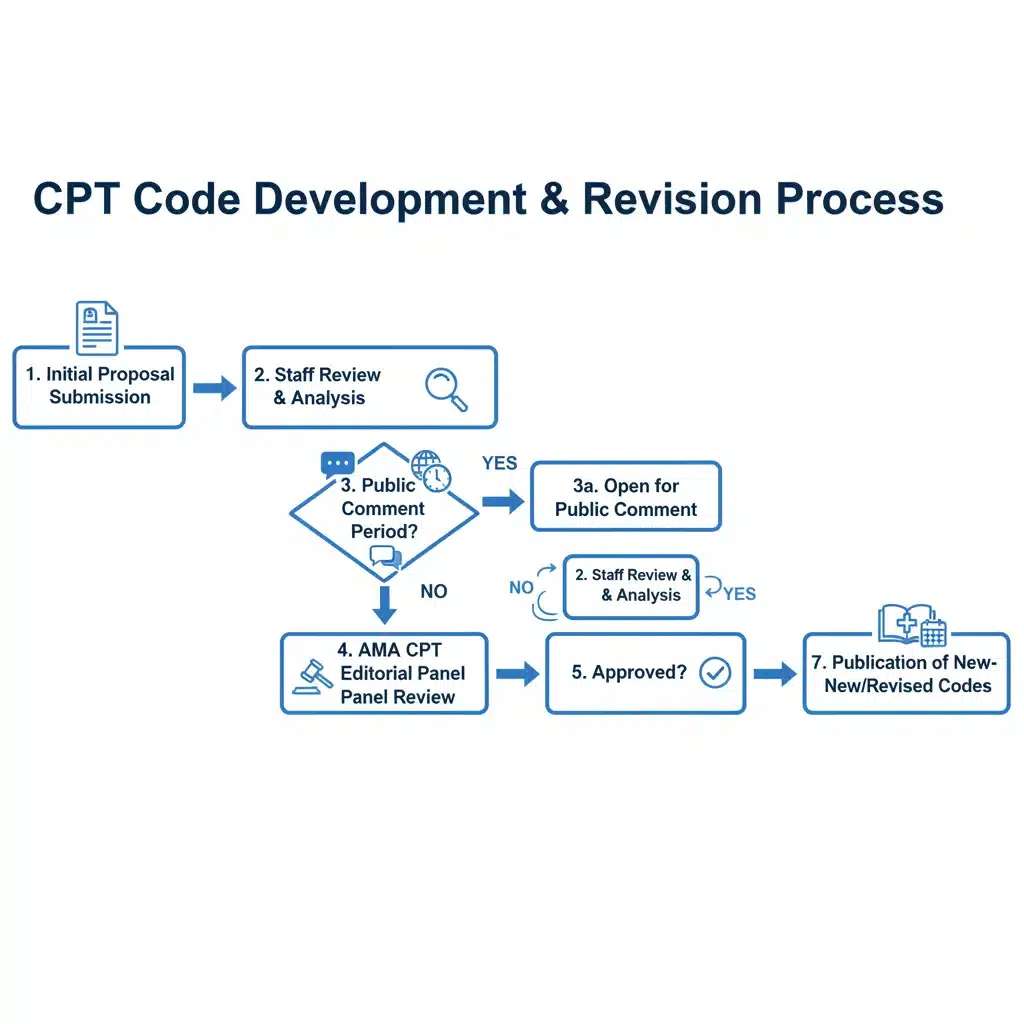
Understanding the mechanism behind CPT code changes can demystify the process and highlight why proactive engagement is so important. The CPT Editorial Panel, composed of physicians from various specialties and other healthcare professionals, is responsible for maintaining the CPT code set. The process typically involves:
- Application Submission: Stakeholders (e.g., medical societies, individual physicians, technology companies) submit applications for new codes, revisions to existing codes, or deletion of outdated codes. These applications must include detailed clinical evidence and rationale.
- Panel Review: The CPT Editorial Panel reviews these applications, often seeking input from clinical advisors and specialty societies. They assess medical necessity, clinical utility, and whether the proposed changes accurately reflect current medical practice.
- Public Comment: Proposed changes are often made public, allowing for broad stakeholder feedback. This is a critical window for organizations to provide input that can shape the final codes.
- Final Decision and Publication: After considering all input, the Panel makes a final decision. Approved changes are then published, typically with an effective date a year or more in advance (e.g., changes finalized in late 2024 would likely take effect in 2026).
This multi-stage process underscores the importance of monitoring developments and engaging strategically. The 2026 CPT RPM Changes are currently in various stages of this cycle, making early awareness paramount.
Beyond 2026: The Future of RPM and Coding
The 2026 CPT RPM Changes are but one milestone in the ongoing evolution of remote patient monitoring. Looking further ahead, we can anticipate continued trends that will shape both RPM technology and its associated coding:
- Personalized RPM: Codes may become more tailored to specific disease states or individual patient needs, moving away from a ‘one-size-fits-all’ approach.
- AI and Machine Learning Integration: As AI plays a larger role in analyzing RPM data, codes may need to account for the value of automated insights and predictive analytics in clinical decision-making.
- Behavioral Health Integration: RPM’s application in behavioral health is growing. Future codes might specifically address remote monitoring for mental health conditions.
- Interoperability and Data Exchange: As healthcare systems strive for greater interoperability, CPT codes may emphasize or require the seamless exchange of RPM data with electronic health records (EHRs).
- Value-Based Care Alignment: Expect a continued push for codes that align with value-based care models, potentially linking reimbursement more directly to patient outcomes and cost savings.
These long-term trends highlight the dynamic nature of healthcare coding and the need for continuous adaptation.
Conclusion
The anticipated 2026 CPT RPM Changes represent a significant juncture for the remote patient monitoring sector. While the exact details are yet to be fully revealed, the overarching message is clear: the regulatory framework for RPM is maturing and becoming more refined. For healthcare providers, proactive engagement, meticulous documentation, strategic technology partnerships, and comprehensive staff training will be critical for navigating these updates successfully.
By staying informed and adapting swiftly, organizations can not only maintain compliance and optimize their revenue cycles but also enhance their ability to deliver innovative, high-quality remote care that meets the evolving needs of patients. The future of healthcare is increasingly digital, and understanding the nuances of the 2026 CPT RPM Changes is an essential step in embracing this transformation.