
Personalized Medicine and Genomics: 2026 Advancements Driving Treatment in the US
The landscape of healthcare is in a constant state of evolution, driven by relentless innovation and a deeper understanding of human biology. Among the most revolutionary forces shaping this future are personalized medicine genomics. By 2026, these fields are not just buzzwords but fundamental pillars transforming diagnosis, treatment, and prevention strategies across the United States. This article will delve into the profound advancements, challenges, and ethical considerations surrounding personalized medicine and genomics, offering a comprehensive look at their impact on US healthcare.
The Dawn of Precision: What is Personalized Medicine?
At its core, personalized medicine, often interchangeably referred to as precision medicine, is an innovative approach to patient care that tailors medical decisions, treatments, practices, and products to the individual patient based on their predicted response or risk of disease. This contrasts sharply with the traditional ‘one-size-fits-all’ approach, which often overlooks the unique genetic, environmental, and lifestyle factors that influence an individual’s health.
The rise of personalized medicine genomics means that instead of treating a disease, healthcare providers can increasingly treat the individual with the disease. This paradigm shift holds immense promise for improving efficacy, reducing adverse drug reactions, and ultimately enhancing patient outcomes. By 2026, the integration of genomic data will be even more pervasive, allowing for a level of precision previously unimaginable.
Genomics: The Blueprint of Personalized Treatment
Genomics, the study of an organism’s complete set of DNA, including all of its genes (the genome), is the bedrock upon which personalized medicine is built. Understanding an individual’s genetic makeup provides invaluable insights into their predisposition to certain diseases, their metabolic responses to drugs, and the unique characteristics of their conditions, such as specific cancer mutations.
Rapid Advancements in Genomic Sequencing
A decade ago, sequencing a human genome was a monumental, costly, and time-consuming task. Today, technological advancements have drastically reduced both the cost and time involved. By 2026, whole-genome sequencing (WGS) is expected to become a more routine diagnostic tool, moving from specialized research labs to mainstream clinical practice. This accessibility will be a major driver for the expansion of personalized medicine genomics.
Next-generation sequencing (NGS) technologies have made this possible, allowing for high-throughput sequencing of DNA and RNA. This enables clinicians to identify genetic variations, mutations, and expressions that are critical for personalized treatment plans. For instance, in oncology, identifying specific genetic drivers of a tumor can guide the selection of targeted therapies, leading to better response rates and fewer side effects.
Key Areas Transformed by Personalized Medicine Genomics in the US by 2026
The impact of personalized medicine genomics is multifaceted, touching various aspects of healthcare. Here are some of the most significant areas seeing transformative changes:
1. Oncology: Tailoring Cancer Treatment
Perhaps no field has been as profoundly affected by personalized medicine as oncology. Cancer, at its heart, is a disease of the genome. By 2026, genomic profiling of tumors will be standard practice for many cancer types. This allows oncologists to:
- Identify Actionable Mutations: Pinpoint specific genetic alterations in a tumor that can be targeted by particular drugs.
- Predict Treatment Response: Determine which patients are most likely to respond to certain chemotherapies, immunotherapies, or targeted agents, and conversely, which patients might experience adverse reactions or no benefit.
- Monitor Disease Progression: Utilize liquid biopsies to detect circulating tumor DNA (ctDNA) for early detection of recurrence or to monitor treatment effectiveness without invasive procedures.
- Guide Clinical Trial Enrollment: Match patients to clinical trials based on their unique genomic profiles, accelerating the development of new therapies.
The FDA’s approval of an increasing number of tumor-agnostic drugs, which target specific genomic alterations regardless of cancer origin, exemplifies this shift towards a more genomic-driven approach to cancer care.
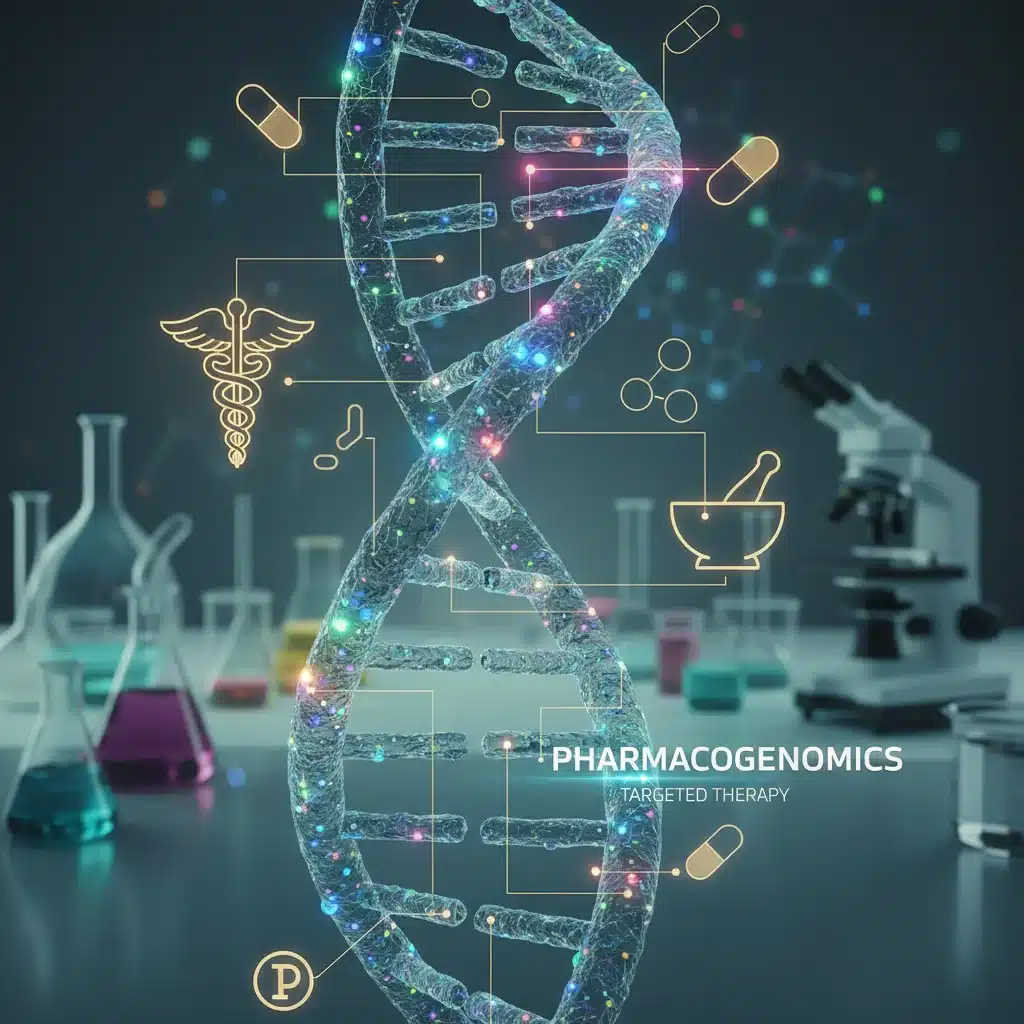
2. Pharmacogenomics: Optimizing Drug Prescriptions
Pharmacogenomics (PGx) is the study of how genes affect a person’s response to drugs. It’s a cornerstone of personalized medicine genomics, aiming to ensure that patients receive the right drug at the right dose from the outset. By 2026, PGx testing is expected to be much more integrated into routine clinical practice, especially for drugs with narrow therapeutic windows or those known to cause significant adverse effects in certain genetic populations.
Consider the impact:
- Antidepressants: Genetic variations can influence how quickly a person metabolizes antidepressants, affecting efficacy and side effects. PGx testing can guide prescribers to more effective initial choices.
- Pain Management: Opioid metabolism can vary significantly due to genetic factors, impacting pain relief and the risk of adverse events.
- Cardiovascular Drugs: Certain genetic profiles can affect a patient’s response to anticoagulants like clopidogrel, increasing the risk of clotting or bleeding.
This proactive approach can save lives, reduce healthcare costs associated with ineffective treatments, and significantly improve patient quality of life.
3. Rare Diseases: Expediting Diagnosis and Treatment
For patients with rare diseases, the diagnostic journey can be long, frustrating, and often inconclusive. Whole exome sequencing (WES) and WGS are revolutionizing this field. By 2026, these genomic tests will increasingly provide definitive diagnoses for many previously undiagnosed conditions, often revealing underlying genetic causes.
This not only ends diagnostic odysseys but also opens doors to targeted therapies or participation in clinical trials that would have been impossible without a precise genetic diagnosis. The ability of personalized medicine genomics to rapidly identify genetic anomalies is a game-changer for these vulnerable patient populations.
4. Preventive Medicine and Risk Assessment
Beyond treating existing conditions, genomics is empowering a new era of preventive medicine. By 2026, genetic risk assessments will become more sophisticated and accessible, allowing individuals to understand their predisposition to various diseases long before symptoms appear.
- Hereditary Cancer Syndromes: Identifying mutations in genes like BRCA1/2 allows for proactive screening, risk-reducing surgeries, or chemoprevention strategies.
- Cardiometabolic Diseases: Genomic data can contribute to a more accurate assessment of an individual’s risk for heart disease, type 2 diabetes, and other common conditions, enabling highly personalized lifestyle interventions.
- Carrier Screening: Expanding carrier screening panels can inform reproductive decisions, reducing the incidence of severe genetic disorders in future generations.
This proactive approach, fueled by personalized medicine genomics, promises to shift healthcare from reactive treatment to proactive prevention, leading to healthier populations and reduced long-term healthcare burdens.
Technological Enablers and Future Directions by 2026
The rapid progress in personalized medicine genomics is underpinned by several key technological advancements and trends:
Artificial Intelligence and Machine Learning
The sheer volume of genomic data generated necessitates advanced analytical tools. Artificial intelligence (AI) and machine learning (ML) algorithms are indispensable for:
- Data Interpretation: Analyzing complex genomic datasets to identify meaningful patterns and associations with disease.
- Biomarker Discovery: Accelerating the identification of novel biomarkers for diagnosis, prognosis, and therapeutic response.
- Drug Repurposing and Discovery: Identifying existing drugs that could be effective for new indications based on genomic insights, or accelerating the discovery of entirely new compounds.
- Clinical Decision Support: Integrating genomic data with electronic health records (EHRs) to provide real-time, personalized recommendations to clinicians.
By 2026, AI-powered genomic analysis platforms will be standard tools in many clinical settings, enhancing the utility and impact of personalized medicine genomics.
CRISPR and Gene Editing Technologies
While still primarily in research and early clinical trials, CRISPR-Cas9 and other gene editing technologies hold immense potential for the future of personalized medicine. By 2026, we may see more approved gene therapies for monogenic disorders, offering curative rather than symptomatic treatments. The ability to precisely edit genes opens up possibilities for correcting disease-causing mutations at their source, representing the ultimate form of personalized genetic intervention.
Liquid Biopsies and Non-Invasive Diagnostics
The development of highly sensitive liquid biopsy techniques, which can detect disease markers from a simple blood sample, is revolutionizing early detection and monitoring. In oncology, ctDNA analysis is already being used to track treatment response and detect minimal residual disease. By 2026, the application of liquid biopsies will expand to other conditions, potentially offering non-invasive screening for various diseases, further enhancing the power of personalized medicine genomics.
Challenges and Considerations for Widespread Adoption
Despite the immense promise, the widespread adoption of personalized medicine genomics in the US faces several significant hurdles:
1. Data Management and Interoperability
Genomic data is vast and complex. Storing, managing, and securely sharing this information across different healthcare systems remains a challenge. Ensuring interoperability between various databases and electronic health records is crucial for integrating genomic insights into routine care effectively.
2. Regulatory and Reimbursement Policies
The rapid pace of innovation often outstrips regulatory frameworks. Establishing clear guidelines for the approval and use of genomic tests and personalized therapies is essential. Furthermore, securing reimbursement from insurance providers for these advanced diagnostics and treatments is critical for patient access and widespread adoption. By 2026, more robust policies are expected to be in place to address these issues.
3. Ethical, Legal, and Social Implications (ELSI)
Genomic information is deeply personal. Concerns about privacy, data security, potential discrimination (e.g., by employers or insurers), and informed consent are paramount. Addressing these ELSI issues through robust ethical guidelines and legal protections is vital to build public trust and ensure equitable access to personalized medicine genomics.
4. Healthcare Provider Education and Training
Many healthcare professionals may not have extensive training in genomics. Bridging this knowledge gap through ongoing education and professional development programs is essential to ensure that clinicians can effectively interpret genomic data and integrate it into patient care. The demand for genetic counselors and bioinformaticians is also growing exponentially.
5. Health Equity and Access
Ensuring that the benefits of personalized medicine genomics are accessible to all segments of the population, regardless of socioeconomic status, race, or geographic location, is a major challenge. Addressing disparities in access to genetic testing, counseling, and advanced therapies will be a critical focus for healthcare systems and policymakers by 2026.

The Future is Now: A Glimpse into 2026 and Beyond
By 2026, the vision of personalized medicine genomics will be significantly closer to a widespread reality in the US. We will likely see:
- Routine Genomic Screening: Newborn genomic screening may become more comprehensive, identifying risks for a wider array of conditions. Adult genomic screening for pharmacogenomic profiles and disease predispositions could also become more common.
- Integrated Genomic Health Records: Electronic health records will seamlessly integrate genomic data, providing clinicians with a holistic view of a patient’s genetic and clinical information.
- Predictive Analytics in Population Health: Genomic data, combined with other health data, will be used to identify populations at higher risk for certain diseases, allowing for targeted public health interventions.
- Advanced Gene Therapies: More gene therapies will move from clinical trials to approved treatments, offering hope for previously untreatable genetic disorders.
- Patient Empowerment: Individuals will have a greater understanding and control over their own genomic data, actively participating in their healthcare decisions.
The collaborative efforts between researchers, clinicians, policymakers, and industry will be crucial in navigating the complexities and harnessing the full potential of these revolutionary fields.
Conclusion
The year 2026 marks a pivotal point in the journey of personalized medicine genomics in the United States. From targeted cancer therapies and optimized drug prescriptions to expedited rare disease diagnoses and advanced preventive strategies, the impact of these fields is profound and ever-expanding. While challenges in data management, regulation, ethics, and equity remain, the relentless pursuit of more precise, effective, and individualized healthcare continues to drive innovation.
As we move forward, the promise of personalized medicine and genomics is not just about treating diseases, but about understanding each individual’s unique biological story, empowering both patients and providers to achieve optimal health outcomes. The future of medicine is personal, and it is genomic.