Healthcare Informatics Curriculum Updates: What MedTech Educators Need to Know for 2025
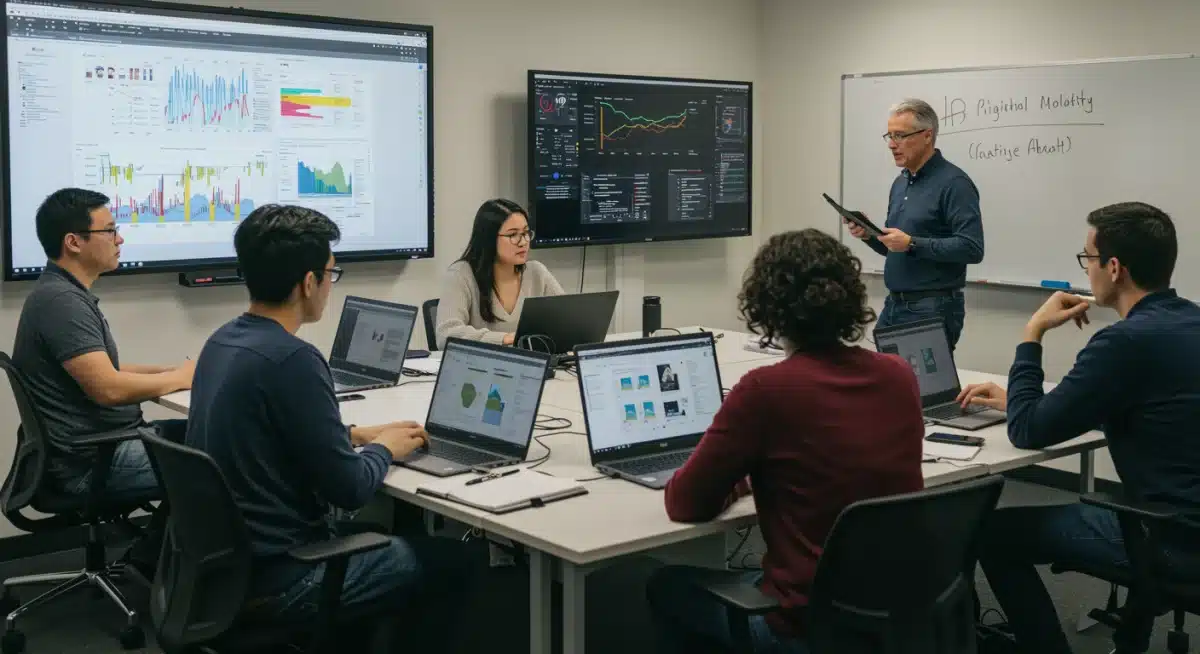
MedTech educators must proactively integrate the latest advancements and evolving industry demands into the healthcare informatics curriculum updates for 2025 to effectively prepare students for the future of digital health.
The landscape of healthcare is undergoing a profound transformation, driven by rapid technological advancements and an increasing reliance on data. For MedTech educators, staying abreast of these changes is not merely advantageous but absolutely critical. The recent updates to healthcare informatics curriculum: what MedTech educators need to know for 2025 are reshaping how future professionals will interact with, analyze, and leverage health information. This article delves into the essential shifts and emerging areas that must be integrated into educational programs to ensure graduates are not just competent, but truly innovative and adaptable in the dynamic digital health ecosystem. Understanding these updates is paramount for designing robust curricula that address both current challenges and future opportunities in healthcare informatics.
The evolving role of data science in healthcare
Data science has moved from a niche specialization to a foundational pillar within healthcare informatics. The sheer volume and complexity of health data generated daily require professionals who can not only manage but also derive meaningful insights from it. This section explores how data science principles are being woven into the core of healthcare informatics education.
As healthcare systems become increasingly digitized, the ability to analyze vast datasets for predictive modeling, personalized medicine, and operational efficiency is indispensable. Educators must emphasize practical applications of statistical analysis and machine learning in real-world healthcare scenarios. This includes understanding data sources, cleaning and preparing data, and interpreting complex algorithms.
Integrating machine learning and AI applications
Machine learning (ML) and artificial intelligence (AI) are no longer futuristic concepts in healthcare; they are tools actively being deployed to enhance diagnostics, treatment planning, and patient management. Curriculum updates for 2025 must reflect this reality by providing hands-on experience with AI tools and ethical considerations.
- Predictive analytics: Training students to develop models for disease outbreak prediction, patient risk stratification, and resource allocation.
- Diagnostic support: Exploring AI applications in medical imaging analysis and automated pathology.
- Personalized treatment: Understanding how AI can tailor treatment plans based on individual patient data and genetic profiles.
- Ethical AI in healthcare: Addressing bias in algorithms, data privacy, and the responsible deployment of AI technologies.
The integration of these advanced data science techniques ensures that graduates are well-versed in leveraging cutting-edge technology to improve patient outcomes and streamline healthcare operations. Practical projects and case studies are crucial for cementing theoretical knowledge with real-world problem-solving skills.
Enhanced focus on interoperability and health information exchange
The fragmentation of health data across various systems and organizations remains a significant challenge in healthcare. Interoperability, the ability of different information systems, devices, and applications to access, exchange, integrate, and cooperatively use data in a coordinated manner, is therefore a critical skill for future informaticists. This section highlights the growing importance of seamless data flow in medical education.
Effective health information exchange (HIE) is vital for comprehensive patient care, public health surveillance, and clinical research. Curriculum changes for 2025 are emphasizing the technical and policy aspects of achieving true interoperability. Students need to understand the standards, protocols, and legal frameworks that govern data sharing.
Understanding health data standards and APIs
To facilitate interoperability, a deep understanding of health data standards and Application Programming Interfaces (APIs) is essential. These are the building blocks that allow disparate systems to communicate effectively. Educators should ensure students gain proficiency in these foundational technologies.
- FHIR (Fast Healthcare Interoperability Resources): Training on FHIR as the leading standard for exchanging healthcare information electronically.
- HL7 (Health Level Seven): Understanding the various versions and applications of HL7 standards for clinical and administrative data.
- APIs in healthcare: Learning how to utilize and develop APIs for integrating different health applications and platforms.
- Challenges in HIE: Discussing the technical, organizational, and political barriers to widespread health information exchange.
By focusing on these areas, educators can prepare students to design and implement systems that support a truly connected healthcare ecosystem, improving care coordination and reducing medical errors. Practical exercises involving simulated HIE environments can be particularly beneficial.
Cybersecurity and data privacy in digital health
As healthcare becomes increasingly digital, the threats to patient data security and privacy escalate proportionally. Breaches can lead to severe financial penalties, erosion of patient trust, and compromised care. Therefore, a robust understanding of cybersecurity principles and data privacy regulations is an indispensable component of any modern healthcare informatics curriculum.
The 2025 curriculum updates place a significant emphasis on equipping students with the knowledge and tools to protect sensitive health information. This involves not only understanding technical defenses but also the legal and ethical responsibilities associated with managing patient data in an interconnected world.
Navigating HIPAA and advanced security protocols
Compliance with regulations like HIPAA (Health Insurance Portability and Accountability Act) is non-negotiable in the United States. Beyond compliance, students must be familiar with advanced security measures to safeguard electronic protected health information (ePHI).
- HIPAA compliance: In-depth study of HIPAA rules, including the Privacy Rule, Security Rule, and Breach Notification Rule.
- Data encryption techniques: Learning about various encryption methods to protect data at rest and in transit.
- Access control mechanisms: Understanding how to implement robust user authentication and authorization systems.
- Risk assessment and management: Developing skills to identify, assess, and mitigate cybersecurity risks within healthcare organizations.
Educators should incorporate case studies of real-world data breaches and simulated security audits to provide practical experience. This ensures graduates are not only knowledgeable about security but also capable of implementing proactive measures to prevent data compromises.
Telehealth and remote patient monitoring integration
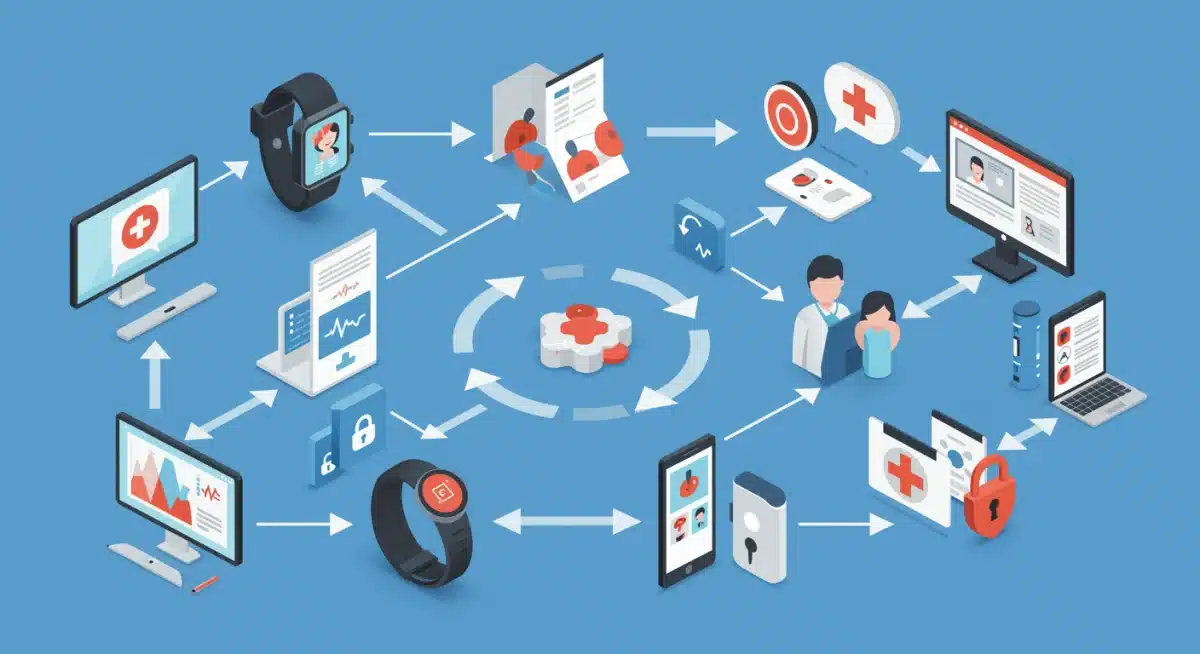
The COVID-19 pandemic dramatically accelerated the adoption of telehealth and remote patient monitoring (RPM), transforming how healthcare services are delivered. These modalities are now central to modern patient care, requiring informaticists to understand their technological infrastructure, implementation, and impact. Curriculum updates for 2025 reflect this new reality, emphasizing the integration of these technologies.
Telehealth encompasses a broad range of services, from virtual consultations to remote diagnostics, while RPM involves collecting patient health data outside traditional clinical settings. Both rely heavily on robust informatics systems and present unique challenges and opportunities for data management and patient engagement.
Designing and managing virtual care platforms
Students need to learn the intricacies of designing, implementing, and managing platforms that support virtual care. This includes understanding the technical requirements, user experience considerations, and regulatory landscape specific to telehealth and RPM.
- Platform selection and implementation: Evaluating different telehealth platforms and planning their rollout in clinical settings.
- Device integration for RPM: Connecting wearable sensors and other medical devices for seamless data collection.
- User experience (UX) design for patients and providers: Creating intuitive interfaces that enhance engagement and ease of use.
- Regulatory and reimbursement policies: Navigating the evolving legal and financial frameworks for telehealth services.
By focusing on these aspects, educators can prepare students to be leaders in expanding access to care through innovative digital solutions. Practical projects involving the development of mock telehealth workflows or RPM protocols can provide valuable experience.
Population health management and public health informatics
Healthcare informatics extends beyond individual patient care to encompass the health of entire populations. Population health management (PHM) and public health informatics are increasingly vital fields, focused on improving health outcomes for defined groups of people, often by analyzing large-scale data to identify trends, risks, and effective interventions. The 2025 curriculum updates recognize the critical role informaticists play in these broader public health initiatives.
Understanding the social determinants of health, epidemiological principles, and the use of informatics tools for public health surveillance are key components. Educators must ensure students can apply data-driven strategies to address health disparities and promote community well-being.
Leveraging data for community health initiatives
Informaticists are instrumental in collecting, analyzing, and disseminating data to support public health decision-making. This includes tracking disease outbreaks, assessing environmental health risks, and evaluating the effectiveness of public health programs.
- Epidemiological data analysis: Using statistical methods to understand disease patterns and risk factors within populations.
- Geographic Information Systems (GIS): Applying GIS to visualize health data geographically and identify areas of need.
- Public health surveillance systems: Understanding the design and operation of systems that monitor public health conditions.
- Intervention evaluation: Utilizing data to measure the impact of public health interventions and policy changes.
By preparing students in these areas, educators empower them to contribute significantly to improving community health and addressing widespread health challenges. Collaborative projects with local public health agencies can offer invaluable real-world experience.
The human element: fostering leadership and communication skills
While technical proficiency is undoubtedly crucial, the most effective healthcare informaticists also possess strong leadership, communication, and interprofessional collaboration skills. Technology alone cannot drive change; it requires individuals who can bridge the gap between technical teams, clinicians, administrators, and patients. The 2025 curriculum updates acknowledge this by placing a greater emphasis on developing these essential soft skills.
Informaticists often act as translators, interpreting complex technical information for non-technical stakeholders and vice versa. They also lead implementation projects, manage teams, and advocate for data-driven decision-making. These roles demand more than just coding or data analysis abilities.
Developing effective interprofessional collaboration
Working effectively within diverse healthcare teams is paramount. Students must learn to communicate clearly, negotiate, and build consensus among professionals with varying backgrounds and priorities. This prepares them to successfully implement and manage informatics projects across an organization.
- Project management in healthcare IT: Learning methodologies for planning, executing, and closing informatics projects.
- Stakeholder engagement: Developing strategies for effectively involving clinicians, IT professionals, and administrators in system design and implementation.
- Change management: Understanding how to facilitate the adoption of new technologies and workflows within healthcare settings.
- Ethical decision-making: Navigating complex ethical dilemmas in healthcare informatics, balancing innovation with patient well-being and privacy.
Integrating role-playing exercises, team-based projects, and leadership seminars can help cultivate these vital skills. Graduates who master both technical expertise and interpersonal effectiveness will be best positioned to drive meaningful innovation in healthcare informatics.
| Key Update Area | Brief Description |
|---|---|
| Data Science & AI | Increased emphasis on machine learning, predictive analytics, and ethical AI applications in healthcare. |
| Interoperability | Focus on health data standards (FHIR, HL7) and APIs for seamless information exchange. |
| Cybersecurity & Privacy | Deep dive into HIPAA compliance, data encryption, and risk management for ePHI. |
| Telehealth & RPM | Integration of virtual care platforms, remote patient monitoring devices, and associated policies. |
Frequently asked questions about healthcare informatics curriculum
The most significant changes for 2025 include a stronger emphasis on data science, AI/ML applications, advanced cybersecurity measures, and the integration of telehealth and remote patient monitoring. These shifts are driven by technological advancements and the evolving needs of digital healthcare delivery, demanding a more comprehensive skill set from professionals.
Interoperability is crucial because fragmented health data hinders comprehensive patient care and efficient operations. The updated curriculum focuses on standards like FHIR and HL7 to ensure students can design and manage systems that allow seamless exchange of health information, directly impacting care coordination and reducing medical errors across diverse platforms.
The curriculum addresses cybersecurity by providing in-depth training on HIPAA compliance, data encryption techniques, robust access control mechanisms, and risk assessment strategies. Students learn to implement proactive measures to protect electronic protected health information (ePHI) from breaches, which is vital for maintaining patient trust and legal compliance in a digital environment.
Soft skills like leadership, communication, and interprofessional collaboration are increasingly emphasized. Informaticists need to bridge gaps between technical experts, clinicians, and administrators. The curriculum aims to develop project management, stakeholder engagement, and change management abilities, ensuring graduates can effectively implement and drive the adoption of new technologies.
MedTech educators can prepare by engaging in continuous professional development, collaborating with industry partners, and updating teaching methodologies to include more hands-on, project-based learning. Integrating real-world case studies and inviting guest speakers from the field can also provide students with practical insights into the evolving demands of healthcare informatics.
Conclusion
The rapid evolution of digital health necessitates a proactive and adaptive approach to education in healthcare informatics. The recent updates to healthcare informatics curriculum: what MedTech educators need to know for 2025 represent a comprehensive effort to prepare the next generation of professionals for a world where data, AI, and connectivity are paramount. By integrating advanced data science, emphasizing robust cybersecurity, mastering interoperability, embracing telehealth, and cultivating essential soft skills, educational institutions can ensure their graduates are not only technically proficient but also capable of leading innovation and improving patient care. Staying current with these changes is not just about keeping pace; it’s about shaping the future of healthcare through informed and capable informaticists.