MedTech Online Courses: Shaping the Future Workforce by 2026
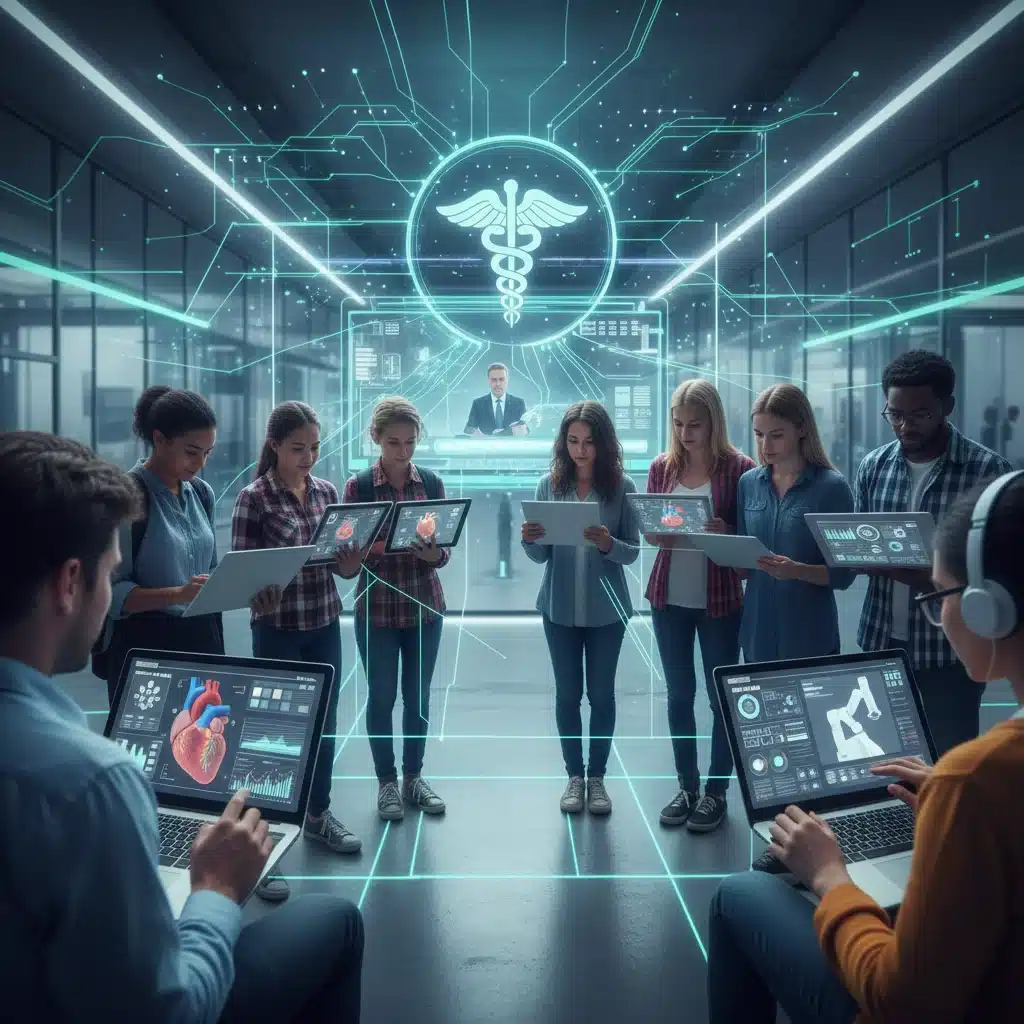
The healthcare industry is in a perpetual state of evolution, driven by relentless technological advancements and an increasing demand for specialized skills. At the heart of this transformation lies Medical Technology, or MedTech, a sector that encompasses everything from advanced diagnostics and imaging to robotic surgery and personalized medicine. As the complexity and sophistication of these technologies grow, so too does the need for a highly skilled workforce capable of developing, implementing, and maintaining them. This burgeoning demand has, in turn, fueled a significant shift in educational paradigms, with MedTech online courses emerging as a pivotal force in shaping the future healthcare workforce.
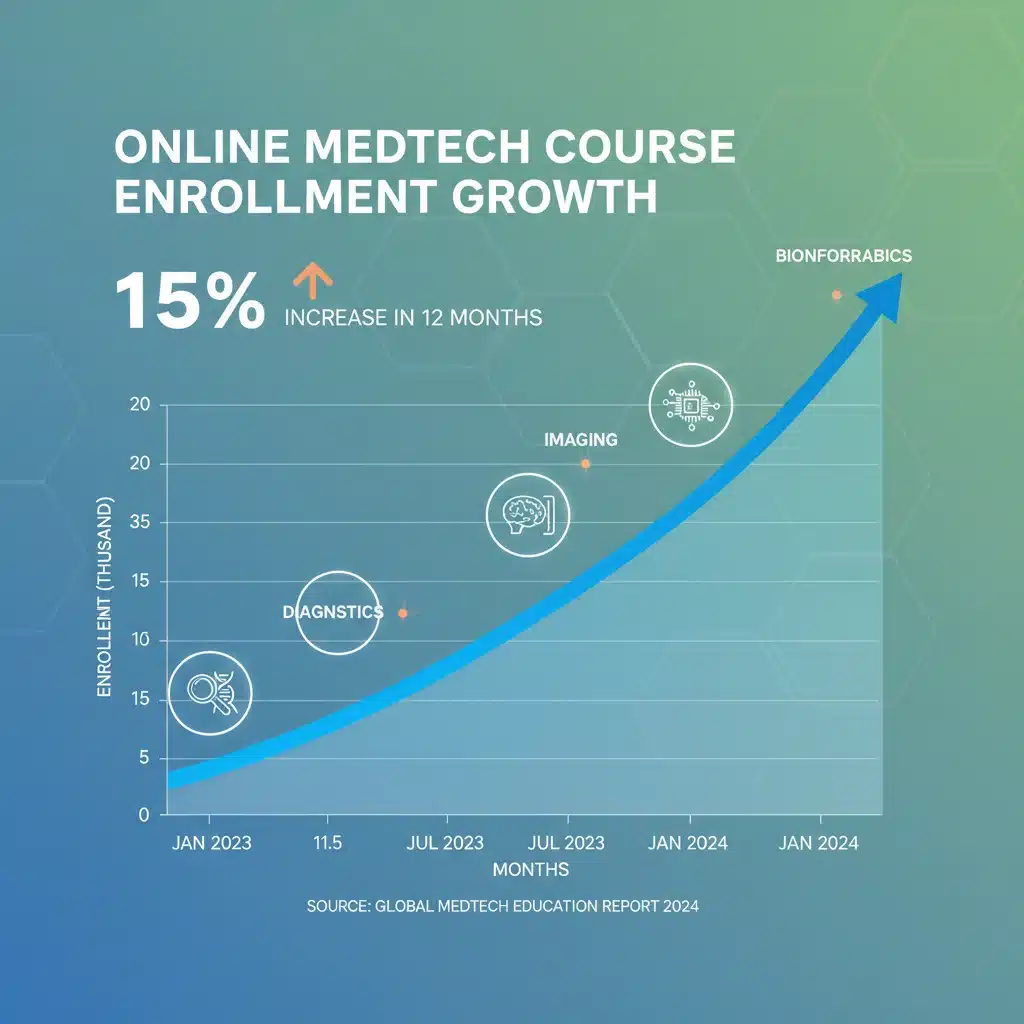
Recent projections indicate a remarkable 15% increase in enrollment in MedTech online courses by 2026. This isn’t just a statistical blip; it represents a fundamental recalibration of how professionals acquire the necessary expertise to thrive in this dynamic field. The accessibility, flexibility, and often specialized nature of online learning platforms make them an ideal conduit for delivering cutting-edge MedTech education to a global audience. This article will delve deep into the implications of this growth, exploring the various educational pathways, the impact on the workforce, and the exciting opportunities that lie ahead for individuals and the industry as a whole.
The Rise of MedTech: A Landscape Transformed
Before we explore the educational responses, it’s crucial to understand the driving forces behind the MedTech boom. The sector is characterized by rapid innovation, with new devices, software, and methodologies emerging at an unprecedented pace. From artificial intelligence (AI) and machine learning (ML) revolutionizing diagnostics to wearable sensors monitoring health in real-time, MedTech is continuously pushing the boundaries of what’s possible in healthcare. This continuous innovation creates a constant demand for professionals who are not only proficient in existing technologies but also adaptable and capable of embracing future advancements.
The global MedTech market is projected to reach trillions of dollars in the coming years, indicating immense economic potential and a corresponding need for a specialized workforce. This growth isn’t confined to traditional medical device manufacturing; it extends to software development for health applications, data analytics for clinical trials, cybersecurity for patient data, and even regulatory affairs for novel medical products. Each of these sub-sectors requires a unique blend of technical expertise and an understanding of the healthcare context, making MedTech online courses particularly valuable for upskilling and reskilling.
Key Drivers of MedTech Growth:
- Aging Global Population: As populations age, the incidence of chronic diseases increases, driving demand for advanced medical interventions and continuous care.
- Technological Convergence: The fusion of disparate technologies like AI, IoT, and biotechnology is creating entirely new categories of medical devices and services.
- Personalized Medicine: Advances in genomics and data analytics are enabling more tailored and effective treatments, requiring sophisticated diagnostic and monitoring tools.
- Digital Transformation of Healthcare: Electronic health records, telehealth, and remote patient monitoring are becoming standard, necessitating a workforce skilled in digital health solutions.
- Increased Healthcare Spending: Governments and individuals are investing more in healthcare, creating a fertile ground for MedTech innovation and adoption.
Educational Pathways: Why MedTech Online Courses are Gaining Traction
The traditional model of higher education, while still vital, often struggles to keep pace with the rapid changes in the MedTech sector. This is where MedTech online courses shine. Their inherent flexibility and ability to be updated quickly allow educational institutions and private providers to offer highly relevant, up-to-the-minute curricula. This adaptability is critical for a field where yesterday’s cutting-edge technology might be commonplace tomorrow.
The 15% projected increase in enrollment by 2026 is a testament to several key advantages offered by online MedTech education:
1. Accessibility and Flexibility:
Online courses break down geographical barriers, allowing individuals from remote areas or those with limited access to specialized institutions to pursue high-quality education. Furthermore, the flexible scheduling inherent in most online programs enables working professionals to upskill or reskill without interrupting their careers. This is particularly important in MedTech, where many professionals are already employed but need to continuously update their knowledge.
2. Specialized and Niche Programs:
The breadth of the MedTech field means that highly specialized knowledge is often required. Online platforms are adept at offering niche courses that might not be viable in a traditional campus setting due to lower enrollment numbers. Examples include courses in medical device cybersecurity, regulatory affairs for AI-driven diagnostics, or advanced biomedical imaging techniques. These specialized MedTech online courses cater directly to industry needs.
3. Cost-Effectiveness:
While not universally true, many online programs can be more affordable than their traditional counterparts, reducing the financial burden on students. This, combined with the ability to continue working, makes online education a more financially viable option for many aspiring MedTech professionals.
4. Industry Collaboration and Practical Application:
Leading online MedTech programs often collaborate directly with industry partners, ensuring that the curriculum is aligned with current industry standards and future trends. Many courses incorporate virtual labs, simulations, and case studies that provide practical, hands-on experience, bridging the gap between theoretical knowledge and real-world application. This practical focus is a significant draw for employers seeking job-ready graduates.
Impact on the MedTech Workforce by 2026
The surge in MedTech online courses is not merely changing how people learn; it’s fundamentally reshaping the MedTech workforce. By 2026, we can expect to see several profound impacts:
1. Bridging the Skills Gap:
One of the most significant challenges in the rapidly evolving MedTech sector is the persistent skills gap. Online courses provide an agile and scalable solution to address this by quickly training individuals in emerging technologies and methodologies. This means more qualified professionals entering the workforce, capable of handling complex medical devices, analyzing vast datasets, and contributing to innovative solutions.
2. Enhanced Career Mobility and Upskilling:
Existing healthcare professionals, such as nurses, technicians, and even physicians, can leverage online MedTech courses to specialize in new areas or enhance their existing skill sets. For instance, a nurse might take courses in telehealth technology or medical device operation, expanding their career opportunities and improving patient care. This continuous upskilling is vital for maintaining a competent and adaptable workforce.
3. Diversification of Talent Pool:
The accessibility of online learning attracts a more diverse pool of candidates, including individuals from non-traditional backgrounds, different geographical regions, and various age groups. This diversity brings fresh perspectives, innovative ideas, and a broader range of experiences to the MedTech industry, fostering a more robust and creative workforce.
4. Faster Adoption of New Technologies:
As more professionals become proficient in new MedTech solutions through online education, the rate of adoption of these technologies within healthcare settings will naturally accelerate. A well-educated workforce is more likely to embrace and effectively utilize new tools, leading to improved patient outcomes, greater efficiency, and a more technologically advanced healthcare system.
5. Specialized Roles and New Job Creation:
The increasing complexity of MedTech creates demand for highly specialized roles. MedTech online courses are directly contributing to the creation and filling of these new positions, such as AI in healthcare specialists, medical device cybersecurity analysts, clinical data managers, and regulatory compliance experts for novel medical technologies. This specialization drives innovation and efficiency across the industry.
Key Areas of Focus in MedTech Online Education
The curriculum of MedTech online courses is as diverse as the industry itself. Here are some of the critical areas gaining significant traction:
1. Biomedical Engineering and Device Development:
Courses focusing on the design, development, and testing of medical devices, from prosthetics to complex diagnostic equipment. This includes topics like biomechanics, biomaterials, medical electronics, and regulatory pathways for device approval.
2. Health Informatics and Data Analytics:
With the explosion of healthcare data, skills in health informatics, data analytics, and big data management are in high demand. Online programs teach students how to collect, analyze, and interpret clinical data to improve patient care, optimize hospital operations, and advance medical research.
3. Artificial Intelligence and Machine Learning in Healthcare:
AI and ML are transforming diagnostics, drug discovery, personalized treatment plans, and predictive analytics. Online courses in this domain cover algorithms, neural networks, computer vision for medical imaging, and ethical considerations of AI in healthcare.
4. Telehealth and Remote Patient Monitoring:
The pandemic significantly accelerated the adoption of telehealth. Online education in this area focuses on the technologies, platforms, and best practices for delivering virtual care, managing remote patient devices, and ensuring data security and privacy.
5. Regulatory Affairs and Quality Assurance:
Navigating the complex regulatory landscape for medical devices and diagnostics is crucial. Online courses provide in-depth knowledge of FDA regulations, ISO standards, clinical trials, and quality management systems essential for bringing safe and effective MedTech products to market.
6. Medical Imaging Technologies:
Specialized courses in MRI, CT, ultrasound, and X-ray technologies, covering principles of operation, image acquisition, processing, and interpretation. These programs are vital for radiographers, imaging specialists, and engineers working with these complex systems.
Challenges and Opportunities in Online MedTech Education
While the growth of MedTech online courses presents immense opportunities, it also comes with its share of challenges that need to be addressed to ensure the quality and efficacy of these programs.
Challenges:
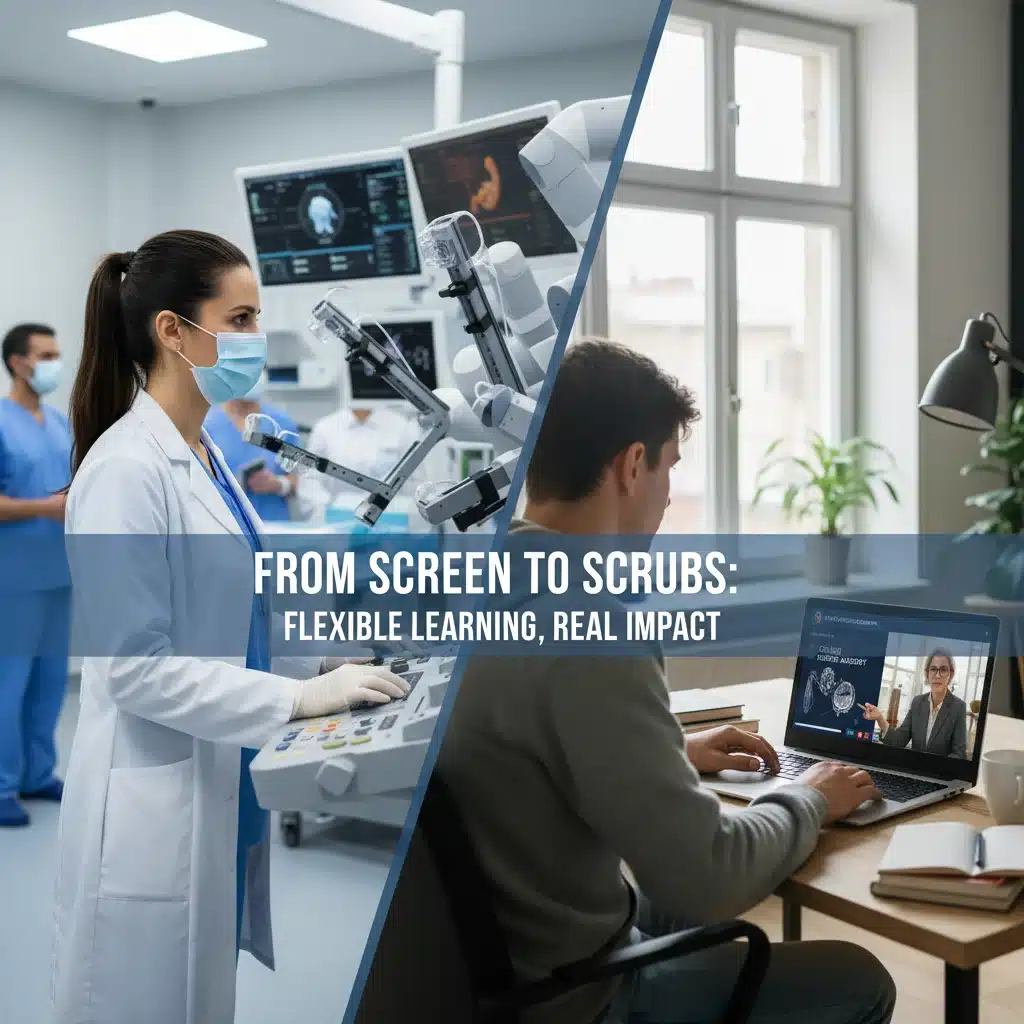
- Hands-on Training: Replicating the hands-on experience of working with physical medical devices in a purely online environment can be difficult. Innovative solutions like virtual reality (VR), augmented reality (AR), and simulation labs are emerging to bridge this gap.
- Accreditation and Quality Control: Ensuring that online MedTech programs meet rigorous academic and industry standards is crucial for their credibility and for employers to recognize their value. Robust accreditation processes are essential.
- Technological Infrastructure: Both educators and learners need access to reliable internet connectivity and appropriate hardware and software to fully engage with online learning resources.
- Student Engagement and Retention: Maintaining student motivation and engagement in an online setting requires well-designed curricula, interactive platforms, and supportive instructor-student interactions.
Opportunities:
- Global Collaboration: Online platforms facilitate collaboration between students and instructors from diverse backgrounds and different parts of the world, enriching the learning experience.
- Personalized Learning Paths: Advanced learning analytics can tailor educational content and pace to individual student needs, optimizing learning outcomes.
- Micro-credentials and Stackable Degrees: The modular nature of online courses allows for the development of micro-credentials, certificates, and stackable degrees, offering flexible pathways to specialized expertise without committing to a full degree program immediately.
- Continuous Professional Development (CPD): Online modules are perfect for ongoing CPD, allowing professionals to stay current with the latest MedTech advancements throughout their careers.
The Future Outlook: MedTech Education Beyond 2026
The projected 15% increase in MedTech online courses by 2026 is just the beginning. As technology continues to advance, and as the global demand for skilled healthcare professionals intensifies, online learning will become even more integrated into the educational fabric of the MedTech industry. We can anticipate several key trends:
1. Hyper-Personalized Learning:
Leveraging AI and machine learning, online platforms will offer even more tailored learning experiences, adapting content, pace, and assessment methods to individual student strengths and weaknesses. This will optimize learning efficiency and effectiveness.
2. Immersive Learning Experiences:
The adoption of VR and AR in online MedTech education will grow significantly. Students will be able to perform virtual surgeries, disassemble and reassemble complex medical devices in 3D, and interact with simulated patient scenarios, providing highly realistic and risk-free practical training.
3. Globalized Curriculum and Collaboration:
Online programs will increasingly feature globally relevant curricula, with case studies and examples from diverse healthcare systems. Cross-border collaborations between educational institutions and MedTech companies will become more common, offering students a truly international perspective.
4. Focus on Interdisciplinary Skills:
Beyond technical proficiency, online MedTech education will place a greater emphasis on interdisciplinary skills such as critical thinking, problem-solving, ethical reasoning, and communication. The ability to work effectively in multidisciplinary teams will be paramount in the complex MedTech landscape.
5. Lifelong Learning Ecosystems:
The concept of a single degree defining a career will further erode. Instead, professionals will engage in continuous lifelong learning through a series of micro-credentials, short courses, and specialized modules offered through online platforms, allowing them to adapt to new technologies and career shifts seamlessly.
Conclusion
The 15% increase in MedTech online courses by 2026 is a clear indicator of a profound shift in educational pathways and workforce development within the healthcare sector. These courses are not merely supplementary; they are becoming indispensable for equipping professionals with the specialized skills needed to navigate the complexities of modern medical technology. By offering unparalleled accessibility, flexibility, and highly relevant curricula, online MedTech education is playing a critical role in bridging skills gaps, fostering innovation, and ultimately, shaping a more robust, adaptable, and technologically advanced healthcare workforce for the future.
For individuals looking to enter or advance within the MedTech field, exploring the diverse range of online programs available is a strategic move. For educational institutions and industry leaders, continued investment in and collaboration on these platforms will be key to unlocking the full potential of medical technology and ensuring a healthier future for all.