Comparing 2025 Employer-Sponsored Health Plans: Deductibles, Out-of-Pocket, and Optimal Selection

Understanding the core differences in deductibles and out-of-pocket maximums is crucial for effectively comparing 2025 employer-sponsored health plans and making informed decisions about benefit selection.
As 2025 approaches, employees across the United States face the critical task of selecting the right healthcare coverage. The process of comparing 2025 employer-sponsored health plans can be complex, often feeling like navigating a maze of acronyms and financial jargon. This guide aims to demystify the key components—deductibles and out-of-pocket maximums—that are pivotal in choosing a plan that best suits your needs and budget.
Understanding the Basics: Deductibles in 2025 Health Plans
A deductible is the amount you pay for covered health care services before your insurance plan starts to pay. Think of it as your initial contribution to your annual medical expenses. For 2025, various employer-sponsored plans will feature different deductible structures, each with its own implications for your financial planning and access to care.
It’s important to recognize that not all services count towards your deductible. Preventive care, for instance, is typically covered at 100% by most plans, even before you meet your deductible. However, services like specialist visits, hospital stays, and prescription medications usually require you to pay out-of-pocket until your deductible is satisfied.
High-Deductible Health Plans (HDHPs) Explained
High-Deductible Health Plans (HDHPs) are a popular option, especially when paired with Health Savings Accounts (HSAs). These plans typically have lower monthly premiums but require you to pay a higher amount out-of-pocket before your insurance begins to cover costs. Understanding the specific deductible thresholds for 2025 is vital for those considering an HDHP.
- Lower Premiums: HDHPs often come with significantly lower monthly premiums compared to traditional plans, making them attractive for individuals who are generally healthy and anticipate minimal healthcare needs.
- HSA Eligibility: A major benefit of HDHPs is eligibility for an HSA, a tax-advantaged savings account that can be used for qualified medical expenses. Contributions are tax-deductible, earnings grow tax-free, and withdrawals for medical costs are tax-free.
- Higher Initial Costs: While premiums are low, you bear more of the initial medical costs yourself until the high deductible is met. This can be a concern for those with chronic conditions or unexpected medical emergencies.
Traditional PPO and HMO Deductibles
Preferred Provider Organization (PPO) and Health Maintenance Organization (HMO) plans often feature lower deductibles than HDHPs, though their monthly premiums tend to be higher. These plans offer a more predictable cost structure for those who anticipate regular medical care.
PPO plans typically offer more flexibility in choosing providers, allowing you to see out-of-network specialists, albeit at a higher cost. HMO plans, conversely, usually require you to select a primary care physician (PCP) within their network who then refers you to specialists, offering a more coordinated care approach.
In conclusion, the deductible is your first financial hurdle in accessing healthcare services. Evaluating the deductible amount in relation to your expected medical expenses and your comfort level with upfront costs is a critical step in selecting the best employer-sponsored health plan for 2025.
Deciphering Out-of-Pocket Maximums: Your Financial Safety Net
While deductibles represent the initial amount you pay, the out-of-pocket maximum is your ultimate financial safety net. This is the absolute most you will have to pay for covered health services in a plan year. Once you reach this limit, your health insurance plan pays 100% of the cost of all covered benefits for the remainder of the year.
Understanding the out-of-pocket maximum is crucial because it caps your financial exposure, protecting you from catastrophic medical bills in the event of a serious illness or injury. This maximum includes your deductible, copayments, and coinsurance amounts.
What Counts Towards the Out-of-Pocket Maximum?
It’s essential to know what expenses contribute to this limit. Generally, amounts paid for deductibles, copayments (a fixed amount you pay for a covered service, e.g., $20 for a doctor’s visit), and coinsurance (your share of the cost of a covered health care service, calculated as a percentage, e.g., 20% of a $100 bill) all count towards your out-of-pocket maximum. However, monthly premiums do not count towards this maximum, nor do charges for services not covered by your plan.
For 2025, employer-sponsored plans will have varying out-of-pocket maximums. High maximums might indicate lower premiums, while lower maximums usually come with higher premiums. This trade-off is a key consideration when comparing plans.
Individual vs. Family Out-of-Pocket Maximums
Many employer-sponsored plans differentiate between individual and family out-of-pocket maximums. If you have family coverage, there will typically be an individual out-of-pocket maximum for each family member, and a higher family out-of-pocket maximum. Once any individual family member meets their individual maximum, the plan pays 100% for that person’s covered services. Once the family as a whole meets the family maximum, the plan pays 100% for everyone’s covered services for the rest of the year.
- Individual Protection: Ensures no single family member faces unlimited costs, even if the family maximum hasn’t been met.
- Family Protection: Provides an overall cap on expenses for the entire household, offering comprehensive financial security.
- Strategic Planning: Understanding these dual limits is vital for families, especially those with members who have chronic conditions or anticipated high medical needs.
In essence, the out-of-pocket maximum is your ultimate financial safeguard. When you are comparing 2025 employer-sponsored health plans, always look closely at this figure, as it dictates your worst-case financial scenario for healthcare costs in a given year.
Navigating Plan Types: PPO, HMO, and POS in 2025
Employer-sponsored health plans in 2025 will primarily fall into a few main categories: PPO, HMO, and Point of Service (POS). Each type offers distinct advantages and disadvantages regarding network flexibility, cost structure, and access to care. Understanding these differences is paramount when selecting your benefits.
The choice between these plans often boils down to a trade-off between flexibility and cost. PPOs generally offer more freedom but come with higher price tags, while HMOs provide a more structured, often more affordable, approach to healthcare.
Preferred Provider Organization (PPO) Plans
PPO plans offer a high degree of flexibility. You usually don’t need a referral to see a specialist, and you can often choose doctors and hospitals both in and out of the plan’s network. However, using out-of-network providers will result in higher out-of-pocket costs.
- Flexibility: Freedom to choose any doctor or hospital, with lower costs for in-network providers.
- No Referrals: Typically, you do not need a referral from a primary care physician to see a specialist.
- Higher Premiums: Generally, PPO plans have higher monthly premiums than HMO or POS plans, reflecting the greater flexibility.
Health Maintenance Organization (HMO) Plans
HMO plans are known for their coordinated care. You select a primary care physician (PCP) within the plan’s network who then manages your care and provides referrals to specialists. Care received outside the network is usually not covered, except in emergencies.
HMOs often have lower monthly premiums and out-of-pocket costs, such as lower deductibles and copayments, making them an attractive option for those who prefer a more structured approach to healthcare and are comfortable with a limited network of providers.
Point of Service (POS) Plans
POS plans combine elements of both HMO and PPO plans. Like an HMO, you typically choose a PCP from a network who provides referrals to specialists. However, like a PPO, you can also go out of network for care, though you will pay more for those services.
POS plans offer a middle ground, providing some flexibility while maintaining a level of cost control. They can be a good option for individuals who want the option of going out-of-network but also appreciate the coordinated care model of an HMO.
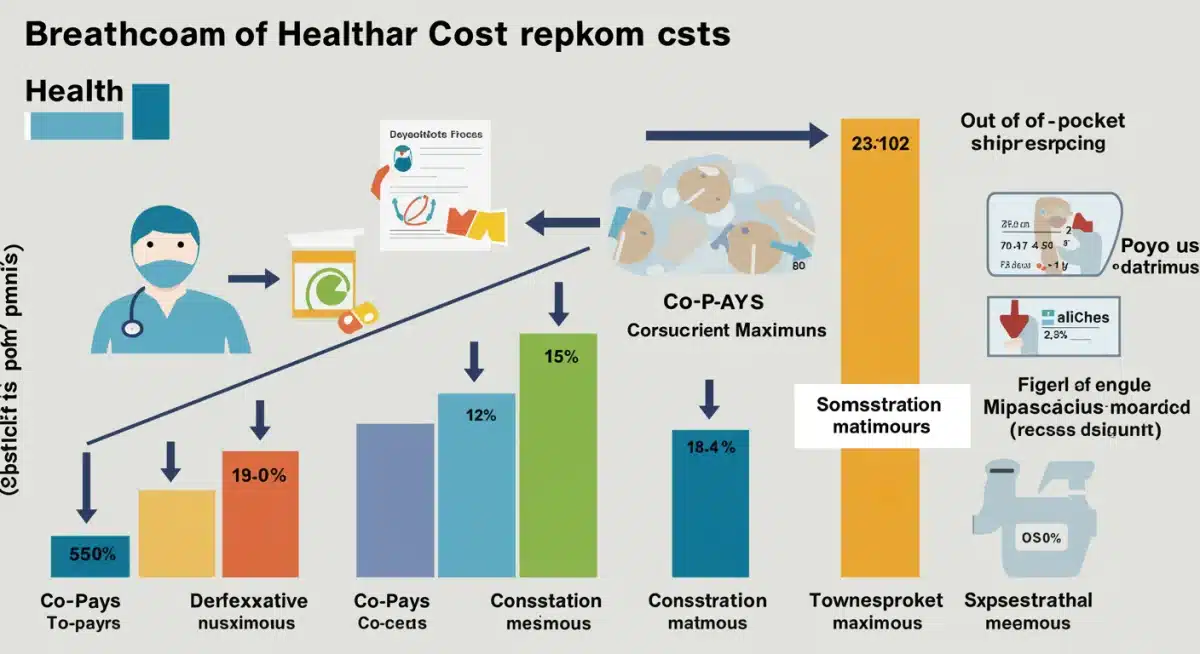

Ultimately, the best plan type for you depends on your personal preferences, healthcare needs, and financial situation. When comparing 2025 employer-sponsored health plans, consider how much flexibility you need versus how much you are willing to pay in premiums and potential out-of-pocket costs.
The Impact of Prescription Drug Coverage on Overall Costs
When comparing 2025 employer-sponsored health plans, it’s easy to focus solely on deductibles and out-of-pocket maximums for medical services. However, prescription drug coverage can significantly impact your overall healthcare costs, especially if you or your family members rely on regular medications. Many plans have separate deductibles or copay structures for prescriptions, or they might integrate them differently into the overall out-of-pocket maximum.
Understanding your plan’s formulary, which is the list of prescription drugs covered by the plan, is also critical. Formularies are typically tiered, with generic drugs usually being the cheapest, followed by preferred brand-name drugs, and then non-preferred brand-name or specialty drugs at the highest cost.
Tiered Prescription Drug Costs
Most health plans utilize a tiered system for prescription drug costs. This system helps manage costs for both the insurer and the insured by encouraging the use of more affordable, equally effective medications.
- Tier 1 (Generics): These are usually the least expensive, often with a low copayment or even covered at no cost after the deductible.
- Tier 2 (Preferred Brands): Mid-range cost, typically brand-name drugs that the plan prefers, with a moderate copayment.
- Tier 3 (Non-Preferred Brands): Higher cost, for brand-name drugs that are not preferred by the plan, or specialized medications, with a higher copayment or coinsurance.
- Tier 4 (Specialty Drugs): The most expensive tier, often for complex or rare conditions, usually requiring a high coinsurance percentage.
Prescription Deductibles and Out-of-Pocket Maximums
Some plans have a separate prescription drug deductible that must be met before the plan starts paying for medications. This can be in addition to, or integrated with, your medical deductible. It’s crucial to clarify how prescription costs contribute to your overall out-of-pocket maximum.
For example, some plans might count all prescription costs towards the single medical out-of-pocket maximum, while others might have a separate, higher out-of-pocket maximum specifically for prescription drugs. This distinction can significantly affect your total financial liability, particularly if you have high prescription drug costs.
When you are comparing 2025 employer-sponsored health plans, take the time to review the prescription drug benefits carefully. Check the formulary for your specific medications and understand how deductibles, copayments, and coinsurance apply to your prescriptions to avoid unexpected costs.
Strategic Selection: Matching Plans to Your Healthcare Needs
Selecting the optimal employer-sponsored health plan for 2025 is not a one-size-fits-all decision. It requires a thoughtful assessment of your personal and family healthcare needs, financial situation, and risk tolerance. A plan that works well for a young, healthy individual with minimal medical expenses might be entirely unsuitable for a family with chronic conditions or anticipated medical procedures.
The goal is to find a balance between monthly premiums, potential out-of-pocket costs, and the level of flexibility and coverage you desire. This strategic selection process involves more than just looking at the lowest premium; it means considering the total potential cost of care.
Assessing Your Healthcare Utilization
Consider your past year’s healthcare usage and anticipate your needs for the upcoming year. Do you have regular doctor visits, specialists, or ongoing prescriptions? Are you planning a family, or expecting any medical procedures?
- Low Utilization: If you rarely visit the doctor and have no chronic conditions, an HDHP with a lower premium and access to an HSA might be a cost-effective choice, allowing you to save for potential future medical expenses.
- Moderate Utilization: For individuals or families with regular but not extensive medical needs, a PPO or POS plan with a moderate deductible and predictable copayments might offer a good balance of coverage and flexibility.
- High Utilization: If you anticipate significant medical expenses, such as managing a chronic illness, frequent specialist visits, or upcoming surgeries, a plan with a lower deductible and a lower out-of-pocket maximum, even with higher premiums, could save you considerable money in the long run.
Financial Considerations and Risk Tolerance
Your financial comfort level with potential out-of-pocket expenses is another key factor. Can you comfortably afford to pay a high deductible before your insurance kicks in, or would you prefer more predictable, lower upfront costs?
Furthermore, consider your emergency fund. An HDHP relies more heavily on your ability to cover initial costs, potentially through an HSA. If your emergency savings are limited, a plan with a lower deductible might offer greater peace of mind.
By carefully assessing your expected healthcare needs and your financial standing, you can strategically compare 2025 employer-sponsored health plans to find one that provides optimal coverage without undue financial strain.
Optimizing Your Benefits: Beyond Deductibles and Out-of-Pocket Maximums
While deductibles and out-of-pocket maximums are critical financial levers, optimizing your employer-sponsored health benefits for 2025 extends beyond these core components. A comprehensive approach considers a variety of other factors that influence both cost and quality of care. These elements often include access to wellness programs, telemedicine options, and specific coverage for mental health or specialized treatments.
A truly optimized benefit selection involves understanding the full spectrum of services offered and how they align with your health and lifestyle priorities. It also means actively engaging with the resources provided by your employer to maximize your health and financial well-being.
Ancillary Benefits and Wellness Programs
Many employer-sponsored plans offer a suite of ancillary benefits and wellness programs designed to promote overall health and reduce long-term healthcare costs. These can include:
- Gym Memberships/Reimbursements: Encouraging physical activity through subsidized fitness options.
- Smoking Cessation Programs: Support and resources for quitting smoking, often fully covered.
- Weight Management Programs: Assistance with healthy eating and weight loss goals.
- Mental Health Resources: Access to counseling, therapy, and mental wellness apps, which are increasingly vital.
These benefits, while not directly impacting deductibles or out-of-pocket maximums, can significantly improve your quality of life and help prevent future health issues, potentially reducing your reliance on costly medical services.
Telemedicine and Digital Health Services
The landscape of healthcare delivery is rapidly evolving, with telemedicine and digital health services becoming integral components of many plans. For 2025, look for plans that offer robust telemedicine options, allowing you to consult with doctors remotely for minor illnesses, prescription refills, and even some specialist appointments. This can save time, reduce travel costs, and provide convenient access to care.
Furthermore, consider plans that integrate digital health tools, such as symptom checkers, online portals for managing appointments and prescriptions, and remote monitoring devices for chronic conditions. These technologies can empower you to take a more active role in managing your health.
By looking beyond the immediate financial figures, you can truly optimize your employer-sponsored health benefits for 2025, ensuring you have access to a comprehensive range of services that support your holistic well-being.
The Enrollment Process and Avoiding Common Pitfalls
The annual open enrollment period is your designated time to review and select your employer-sponsored health plan for 2025. This window is often brief, making it crucial to be prepared and informed to avoid common pitfalls that could lead to suboptimal coverage or unexpected costs. A well-executed enrollment process ensures you leverage your benefits effectively.
Many employees rush through enrollment, often defaulting to their previous year’s plan without thoroughly reviewing changes. Even subtle adjustments in deductibles, out-of-pocket maximums, or formularies can have significant financial implications.
Key Steps for a Smooth Enrollment
Approaching enrollment systematically can help you make the best decision. Start by gathering all available plan documents and benefit summaries from your employer. Don’t hesitate to attend informational sessions or consult with HR representatives if you have questions.
- Review Plan Changes: Always confirm any changes to premiums, deductibles, out-of-pocket maximums, and prescription formularies from the previous year.
- Assess Your Needs: Re-evaluate your and your family’s anticipated healthcare needs for 2025, considering any new health conditions, planned procedures, or changes in medication.
- Compare Costs: Don’t just look at premiums. Calculate potential total costs, including deductibles, copayments, and coinsurance, based on your expected usage.
- Check Provider Networks: Verify that your preferred doctors, specialists, and hospitals are still in-network for any plan you are considering.
Avoiding Common Enrollment Mistakes
Several common errors can lead to regret post-enrollment. One frequent mistake is underestimating the impact of a high deductible without a corresponding Health Savings Account (HSA) strategy. Another is failing to check if current medications are covered under a new plan’s formulary.
Furthermore, neglecting to update beneficiaries or emergency contacts can cause administrative headaches down the line. Take the time to ensure all personal information is accurate and up-to-date. Finally, don’t miss the deadline! Late enrollment can lead to a lapse in coverage or being locked into a plan that doesn’t meet your needs.
By being diligent and proactive during the enrollment period, you can effectively compare 2025 employer-sponsored health plans and confidently select the benefits package that best supports your and your family’s health and financial well-being.
| Key Aspect | Brief Description |
|---|---|
| Deductibles | Amount paid before insurance starts covering costs; varies by plan type (HDHP vs. PPO/HMO). |
| Out-of-Pocket Maximums | The total annual cap on your medical expenses, including deductibles, copays, and coinsurance. |
| Plan Types | PPO offers flexibility, HMO offers coordinated care, POS combines features; each affects costs and access. |
| Prescription Coverage | Review formularies and separate deductibles/copays for medications, critical for overall cost management. |
Frequently Asked Questions About 2025 Health Plans
A deductible is the initial amount you must pay for covered services before your insurance begins to contribute. The out-of-pocket maximum is the total cap on what you will pay for covered services in a plan year, encompassing deductibles, copayments, and coinsurance.
No, most employer-sponsored health plans in 2025, as mandated by the Affordable Care Act, cover preventive care services at 100% without requiring you to meet your deductible first. This includes annual physicals and certain screenings.
An HDHP is often suitable for individuals or families with low anticipated medical needs and a desire for lower monthly premiums. It also benefits those who can leverage an HSA for tax-advantaged savings on medical expenses and have sufficient funds for the higher initial deductible.
Scrutinize the plan’s formulary to ensure your current medications are covered and understand their tier level. Check for separate prescription deductibles or if drug costs contribute to your overall out-of-pocket maximum. This is crucial for managing medication expenses effectively.
Generally, you cannot change your plan outside of the open enrollment period unless you experience a qualifying life event. These events include marriage, birth of a child, divorce, or loss of other health coverage. Otherwise, you must wait until the next open enrollment.
Conclusion
The process of comparing 2025 employer-sponsored health plans is a crucial annual exercise that demands careful consideration. By thoroughly understanding the nuances of deductibles, out-of-pocket maximums, plan types, and prescription coverage, individuals and families can make informed decisions that align with their specific healthcare needs and financial goals. Proactive engagement during the open enrollment period, coupled with a strategic assessment of potential costs and benefits, is the key to optimizing your health coverage and securing peace of mind for the year ahead. Remember, the right plan isn’t just about the lowest premium, but about the best value and protection for your unique situation.