Veterans’ Benefits Update 2025: Key Changes & Impact
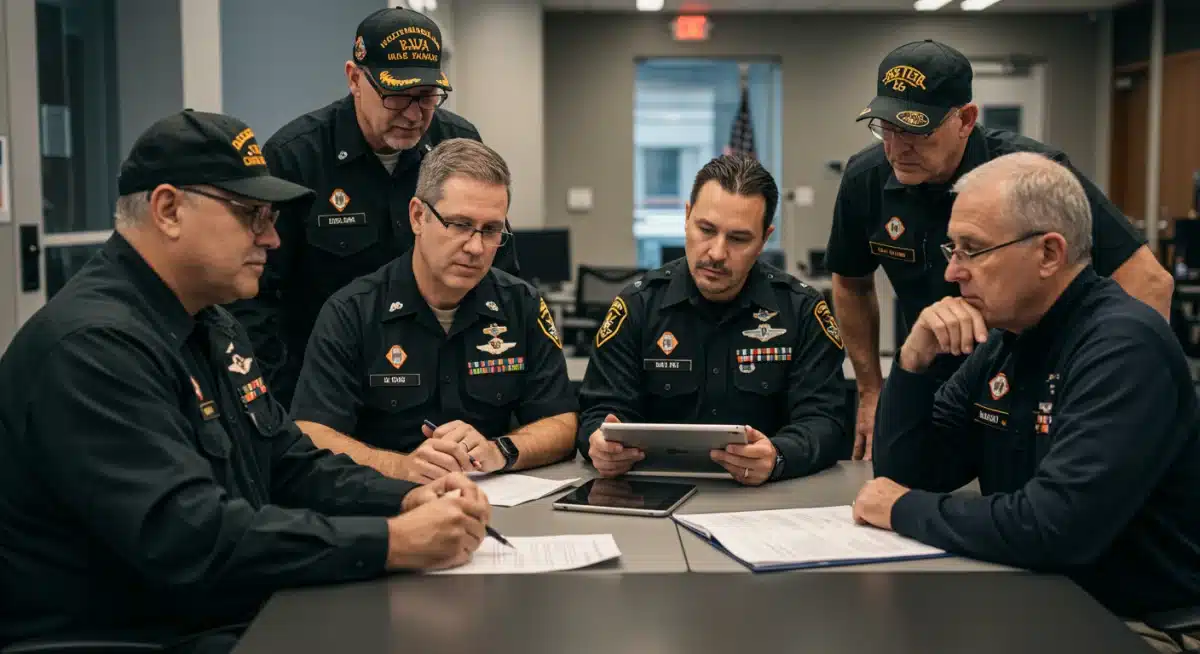
The Veterans’ Benefits Update 2025 introduces pivotal changes to disability compensation, educational programs, and healthcare services, directly affecting over one million veterans. Understanding these modifications is crucial for maximizing entitlements and navigating the evolving support landscape.
As we approach 2025, a significant Veterans Benefits Update 2025 is on the horizon, promising essential changes to the programs designed to support over a million American veterans. These modifications span critical areas, including disability compensation, educational assistance, and healthcare services. Understanding these upcoming adjustments is not just beneficial, it’s vital for veterans and their families to effectively plan and access the full scope of their deserved entitlements.
Understanding the Scope of the 2025 Veterans’ Benefits Update
The year 2025 brings a series of comprehensive changes to veterans’ benefits, reflecting ongoing efforts to refine and improve the support system for those who have served our nation. These updates are a direct result of legislative actions, evolving economic conditions, and a deeper understanding of veterans’ needs. It is crucial for every veteran to grasp the breadth of these modifications, as they could directly impact their financial stability, educational pursuits, and overall well-being.
The Department of Veterans Affairs (VA) continuously strives to adapt its programs to better serve the veteran community. These adjustments often involve a complex interplay of policy shifts and budgetary considerations. For 2025, particular attention has been given to streamlining application processes and enhancing the accessibility of services, aiming to reduce the administrative burden on veterans.
Key Legislative Drivers Behind the Changes
Several legislative initiatives passed in previous years are now coming into full effect, shaping the 2025 benefit landscape. These acts often focus on specific areas of need, such as expanding healthcare coverage for toxic exposure or refining educational pathways.
- PACT Act Implementation: The Promises to Address Comprehensive Toxics (PACT) Act continues its phased implementation, broadening eligibility for veterans exposed to burn pits, Agent Orange, and other toxic substances.
- Inflationary Adjustments: Annual cost-of-living adjustments (COLAs) for disability compensation and pensions are expected to reflect current economic conditions, ensuring benefits maintain their purchasing power.
- Modernization of Services: Ongoing efforts to digitize VA services and improve online portals aim to make accessing and managing benefits more efficient and user-friendly.
The cumulative effect of these legislative and administrative changes is a benefits system that, while complex, is designed to be more responsive to the diverse challenges faced by veterans today. Staying informed about these drivers is the first step in navigating the updated system effectively.
In essence, the 2025 updates represent a dynamic evolution in how the VA supports veterans. From legislative mandates to administrative refinements, each change is intended to bolster the safety net for those who have sacrificed for our country. Veterans are encouraged to proactively seek information and understand how these changes specifically apply to their individual circumstances.
Disability Compensation: Navigating the New Landscape
Disability compensation remains a cornerstone of veterans’ benefits, providing financial support for service-connected conditions. The 2025 updates bring specific changes that veterans receiving or applying for disability benefits need to understand. These modifications often involve adjustments to rating schedules, expanded eligibility criteria, and enhanced review processes, all designed to ensure fair and accurate compensation.
The VA’s disability compensation program aims to provide monetary benefits to veterans with injuries or illnesses incurred or aggravated during active military service. As medical understanding advances and new service-connected conditions are recognized, the VA periodically updates its policies and procedures. The 2025 changes are particularly significant for veterans with conditions linked to toxic exposures.
Expanded Eligibility for Toxic Exposure Conditions
One of the most impactful aspects of the 2025 update for disability compensation is the continued expansion of presumptive conditions related to toxic exposures. The PACT Act, in particular, has paved the way for more veterans to receive benefits for conditions previously difficult to link directly to their service.
- Presumptive Conditions List: The list of presumptive conditions for burn pit and other toxic exposures is being further refined and expanded, potentially simplifying the claims process for affected veterans.
- Evidence Requirements: While the burden of proof is lessened for presumptive conditions, understanding the specific evidence required for a successful claim remains crucial.
- Retroactive Benefits: Some veterans may be eligible for retroactive benefits if their condition is newly recognized as presumptive and service-connected.
These expansions mean that veterans who previously had their claims denied or found it challenging to establish a service connection for certain illnesses may now have a clearer path to receiving compensation. It is vital for veterans to review their medical history and service records in light of these new guidelines.
Furthermore, annual cost-of-living adjustments (COLAs) will ensure that the value of disability compensation keeps pace with inflation. These adjustments are typically tied to the Social Security Administration’s COLA, providing a consistent method for maintaining the purchasing power of benefits. Veterans should anticipate official announcements regarding the exact COLA percentage for 2025 towards the end of the preceding year.
In summary, the 2025 disability compensation updates are geared towards inclusivity and economic stability. Veterans are strongly encouraged to consult with VA claims specialists or accredited veteran service organizations (VSOs) to understand how these changes specifically apply to their individual circumstances and to ensure their claims are filed correctly and promptly.
Educational Programs: Enhancements and Opportunities for 2025
Educational benefits are a powerful tool for veterans transitioning to civilian life or seeking career advancement. The 2025 updates to VA educational programs aim to enhance these opportunities, making higher education and vocational training more accessible and effective. These changes reflect an ongoing commitment to supporting veterans’ academic and professional aspirations, ensuring they have the resources needed to succeed in a competitive job market.
The Post-9/11 GI Bill, Montgomery GI Bill, and various other VA educational assistance programs are continually evaluated and refined. For 2025, the focus includes refining benefit usage, expanding approved programs, and improving counseling services to guide veterans through their educational journeys. These enhancements are designed to maximize the impact of these benefits for the veteran community.
Streamlined Application and Counseling Services
Accessing educational benefits can sometimes be a complex process. The 2025 updates seek to simplify this through improved online portals and more robust counseling services. The goal is to provide veterans with clear pathways to utilizing their benefits effectively, from application to graduation.
- Online Application Portal Updates: The VA’s online application system for educational benefits is undergoing improvements to enhance user experience and reduce processing times.
- Enhanced Academic Counseling: Veterans will have access to more comprehensive academic and career counseling services, helping them choose programs that align with their goals and maximize their benefit usage.
- Program Eligibility Expansion: The list of approved educational and vocational training programs eligible for VA benefits is expected to expand, offering more diverse options for veterans.
These improvements are critical for ensuring veterans can seamlessly transition into educational environments. By providing better tools and guidance, the VA aims to reduce common barriers that veterans face when pursuing higher education or specialized training. This proactive approach supports not only the veteran but also the broader economy by fostering a highly skilled workforce.

Furthermore, there’s an increased emphasis on programs that lead to high-demand careers. The VA is working with educational institutions and industry partners to ensure that the training and degrees veterans pursue are relevant and result in meaningful employment opportunities. This strategic alignment helps veterans secure stable and fulfilling careers post-service.
Ultimately, the 2025 educational program enhancements are designed to empower veterans. By providing clearer application processes, better counseling, and a wider array of eligible programs, the VA is committed to helping veterans achieve their academic and professional goals, contributing significantly to their long-term success and integration into civilian society.
Healthcare Services: Innovations and Accessibility in 2025
Healthcare is a paramount concern for veterans, and the 2025 updates to VA healthcare services focus on innovation, accessibility, and comprehensive care. These changes are designed to address the evolving health needs of the veteran population, incorporating advancements in medical technology and expanding access to specialized treatments. The VA remains committed to providing high-quality, veteran-centric care.
The VA healthcare system is one of the largest integrated healthcare systems in the United States, serving millions of veterans annually. For 2025, efforts are concentrated on improving patient experience, expanding mental health services, and enhancing care for conditions related to military service. These initiatives are vital for ensuring veterans receive the holistic care they deserve.
Telehealth Expansion and Mental Health Support
One of the most significant areas of growth in VA healthcare is the continued expansion of telehealth services. This enables veterans, particularly those in rural or underserved areas, to access medical care without the need for extensive travel. Additionally, mental health support is receiving heightened attention, recognizing the critical importance of psychological well-being for veterans.
- Widespread Telehealth Adoption: Telehealth appointments are becoming more commonplace, covering a wider range of medical and mental health services, improving convenience and access.
- Enhanced Mental Health Programs: The VA is investing in new and expanded mental health programs, including trauma-focused therapies, peer support initiatives, and suicide prevention efforts.
- Specialized Care for Toxic Exposure: Healthcare protocols are being updated to better diagnose and treat conditions linked to toxic exposures, ensuring veterans receive appropriate medical attention.
The emphasis on telehealth is a game-changer for many veterans, reducing barriers to care and making it easier to manage chronic conditions or access routine check-ups. This modernization aligns with broader trends in healthcare delivery, ensuring veterans benefit from the latest technological advancements.
Moreover, the focus on mental health acknowledges the unique psychological challenges many veterans face. By offering a broader spectrum of services and making them more accessible, the VA aims to destigmatize mental health care and encourage more veterans to seek help when needed. This proactive approach to mental well-being is integral to the overall health of the veteran community.
In essence, the 2025 healthcare updates underscore the VA’s dedication to providing comprehensive, accessible, and innovative care. From expanding telehealth to bolstering mental health services, these changes are designed to meet veterans wherever they are, ensuring they receive the best possible medical support throughout their lives.
How Over 1 Million Veterans Are Affected by These Changes
The collective impact of the 2025 Veterans’ Benefits Update extends to over one million veterans across the United States. These changes are not merely administrative adjustments; they represent tangible shifts in the resources and support available to those who have served. Understanding how these modifications specifically affect such a large population is crucial for both veterans and the organizations that support them.
The veteran community is incredibly diverse, encompassing individuals from various eras of service, with different needs and circumstances. The 2025 updates aim to provide a more inclusive and effective support system, addressing a wide array of challenges from physical disabilities and mental health concerns to educational and employment transitions. The sheer volume of affected veterans necessitates a clear communication strategy from the VA and its partners.
Direct and Indirect Impacts on Veteran Lives
The effects of the 2025 updates will be felt in numerous ways, both directly through increased benefits or expanded eligibility, and indirectly through improved service delivery and support networks. These impacts touch upon financial stability, career opportunities, and overall quality of life.
- Financial Security: Expanded disability compensation and COLA adjustments can significantly improve the financial security of veterans and their families, especially those living on fixed incomes.
- Career Advancement: Enhanced educational programs and vocational training opportunities open doors to new career paths, fostering economic independence and professional growth.
- Improved Health Outcomes: Better access to healthcare, including specialized treatments and mental health services, can lead to improved physical and psychological well-being for veterans.
For many veterans, these changes could mean the difference between struggling and thriving. The ability to access better healthcare, pursue further education, or receive adequate compensation for service-connected conditions directly contributes to a higher quality of life. The VA’s commitment to continuous improvement aims to deliver these positive outcomes.
Furthermore, the updates have a ripple effect on veteran families and communities. When veterans are well-supported, their families also benefit, leading to stronger community ties and a more resilient society. Veteran service organizations (VSOs) play a critical role in disseminating information and assisting veterans in navigating these new changes, amplifying their positive impact.
In essence, the 2025 updates are designed to create a more robust and responsive support system for over a million veterans. By understanding the direct and indirect impacts, veterans can proactively engage with the VA and VSOs to ensure they fully leverage these essential changes for their benefit and the well-being of their families.
Preparing for the 2025 Changes: What Veterans Need to Do
With the significant 2025 Veterans’ Benefits Update on the horizon, proactive preparation is key for all veterans to maximize their entitlements and navigate the new landscape effectively. Simply being aware of the changes is not enough; taking concrete steps to understand, apply, and adapt to these modifications is essential. This preparation involves reviewing current benefits, gathering necessary documentation, and seeking expert guidance.
The VA and various veteran service organizations (VSOs) are committed to assisting veterans through this transition. However, the onus also falls on individual veterans to stay informed and take the initiative. Early preparation can prevent delays in receiving benefits and ensure that all available resources are utilized to their fullest potential.
Essential Steps for Veterans to Take
To ensure a smooth transition and full utilization of the 2025 benefits, veterans should follow a structured approach. This includes verifying existing information, understanding new eligibility criteria, and seeking professional assistance when needed.
- Review Current Benefits: Access your VA eBenefits or My HealtheVet accounts to review your current disability ratings, educational benefits usage, and healthcare enrollment status.
- Stay Informed: Regularly check official VA websites, subscribe to VA newsletters, and follow reputable veteran service organizations for the latest announcements and detailed information regarding the 2025 updates.
- Gather Documentation: For any new claims or appeals, start gathering relevant medical records, service records, and any other supporting documentation that may be required.
- Consult with Experts: Reach out to accredited VA claims agents, VSOs like the American Legion or VFW, or local VA offices for personalized advice and assistance with your claims.
Proactive engagement with these steps will significantly reduce potential hurdles. For instance, veterans who believe they may now be eligible for disability compensation due to expanded presumptive conditions should begin compiling their medical history and service records now. Similarly, those planning to use educational benefits in 2025 should verify program eligibility and application deadlines.
Furthermore, attending informational webinars or workshops organized by the VA or VSOs can provide valuable insights and direct answers to specific questions. These resources are designed to demystify complex policies and guide veterans through the application processes. Don’t hesitate to leverage these support systems.
In conclusion, preparing for the 2025 Veterans’ Benefits Update is a critical undertaking that requires diligence and proactive effort. By reviewing current benefits, staying informed, gathering documentation, and consulting with experts, veterans can ensure they are well-positioned to benefit fully from the essential changes designed to enhance their well-being and future opportunities.
Resources and Support: Where to Find Help
Navigating the complexities of veterans’ benefits, especially with upcoming changes, can be challenging. Fortunately, a wealth of resources and support systems are available to help veterans understand and access their entitlements. Knowing where to turn for accurate information and assistance is paramount to successfully leveraging the 2025 Veterans’ Benefits Update.
The Department of Veterans Affairs (VA) is the primary source of information and services, but numerous non-profit organizations, state agencies, and community groups also play vital roles in supporting veterans. These entities offer everything from claims assistance and legal aid to counseling and educational guidance. Veterans should not feel compelled to navigate these processes alone.
Key Support Channels and How to Utilize Them
Accessing the right support at the right time can make a significant difference in a veteran’s journey. Here are the most effective channels and how to best utilize them:
- Department of Veterans Affairs (VA): The official VA website (VA.gov) is the most authoritative source for information, forms, and online application portals. Local VA offices can provide in-person assistance and connect veterans with specific services.
- Veteran Service Organizations (VSOs): Organizations like the American Legion, Veterans of Foreign Wars (VFW), Disabled American Veterans (DAV), and others offer free claims assistance, advocacy, and support services. Their accredited representatives are experts in VA regulations.
- State and Local Veterans Affairs Offices: Many states and counties have dedicated departments that provide additional benefits, resources, and localized support for veterans. These offices can often bridge gaps not covered by federal programs.
- Community Support Groups: Peer-to-peer support groups and veteran-specific community centers offer invaluable emotional support, networking opportunities, and practical advice from fellow veterans.
When seeking assistance, it is always advisable to work with accredited representatives. These individuals have undergone specific training and are authorized by the VA to assist veterans with their claims and appeals. You can verify accreditation through the VA’s Office of General Counsel website.
Furthermore, don’t underestimate the power of online resources. Beyond VA.gov, many reputable VSOs maintain comprehensive websites with FAQs, guides, and contact information. Social media groups and forums dedicated to veterans’ benefits can also be a source of shared experiences and advice, though always cross-reference information with official sources.
In conclusion, a robust ecosystem of resources and support exists to help veterans navigate the 2025 benefits updates. By proactively engaging with the VA, accredited VSOs, state agencies, and community groups, veterans can ensure they receive accurate information, expert assistance, and the full range of benefits and services they have earned through their dedicated service to our nation.
| Key Aspect | Brief Description of 2025 Update |
|---|---|
| Disability Compensation | Expanded eligibility for toxic exposure conditions and annual cost-of-living adjustments. |
| Educational Programs | Streamlined applications, enhanced counseling, and expanded eligible programs for veterans. |
| Healthcare Services | Increased telehealth options and expanded mental health support for veteran well-being. |
| Impact on Veterans | Over 1 million veterans affected, leading to improved financial security, career advancement, and health outcomes. |
Frequently Asked Questions About the 2025 Veterans’ Benefits Update
The most significant changes include expanded eligibility for presumptive conditions related to toxic exposures, primarily driven by the PACT Act. Additionally, annual cost-of-living adjustments (COLAs) will ensure benefits keep pace with inflation, directly impacting veterans’ financial stability and purchasing power.
Educational programs will see improvements through streamlined online application processes and enhanced academic and career counseling services. There’s also an expected expansion of approved educational and vocational training programs, offering veterans more diverse options for career advancement and skill development.
Veterans can expect continued expansion of telehealth services, making healthcare more accessible, especially for those in rural areas. There will also be enhanced mental health programs, including trauma-focused therapies and suicide prevention initiatives, alongside updated protocols for toxic exposure-related conditions.
For personalized assistance, veterans should contact accredited representatives from Veteran Service Organizations (VSOs) like the American Legion, VFW, or DAV. The official VA website (VA.gov) and local VA offices also provide direct support and resources to help clarify individual benefit eligibilities.
Yes, the PACT Act continues to expand presumptive conditions for burn pit exposure in 2025. This means more veterans may find it easier to establish a service connection for illnesses related to such exposures, potentially qualifying them for disability compensation and associated healthcare benefits.
Conclusion
The 2025 Veterans’ Benefits Update represents a pivotal moment for over one million American veterans, ushering in significant enhancements across disability compensation, educational programs, and healthcare services. These essential changes reflect a concerted effort to refine and expand the support available to those who have served. By staying informed, proactively preparing, and utilizing the extensive network of resources, veterans can confidently navigate these updates to secure the comprehensive benefits they have rightfully earned, fostering greater financial stability, educational attainment, and overall well-being.