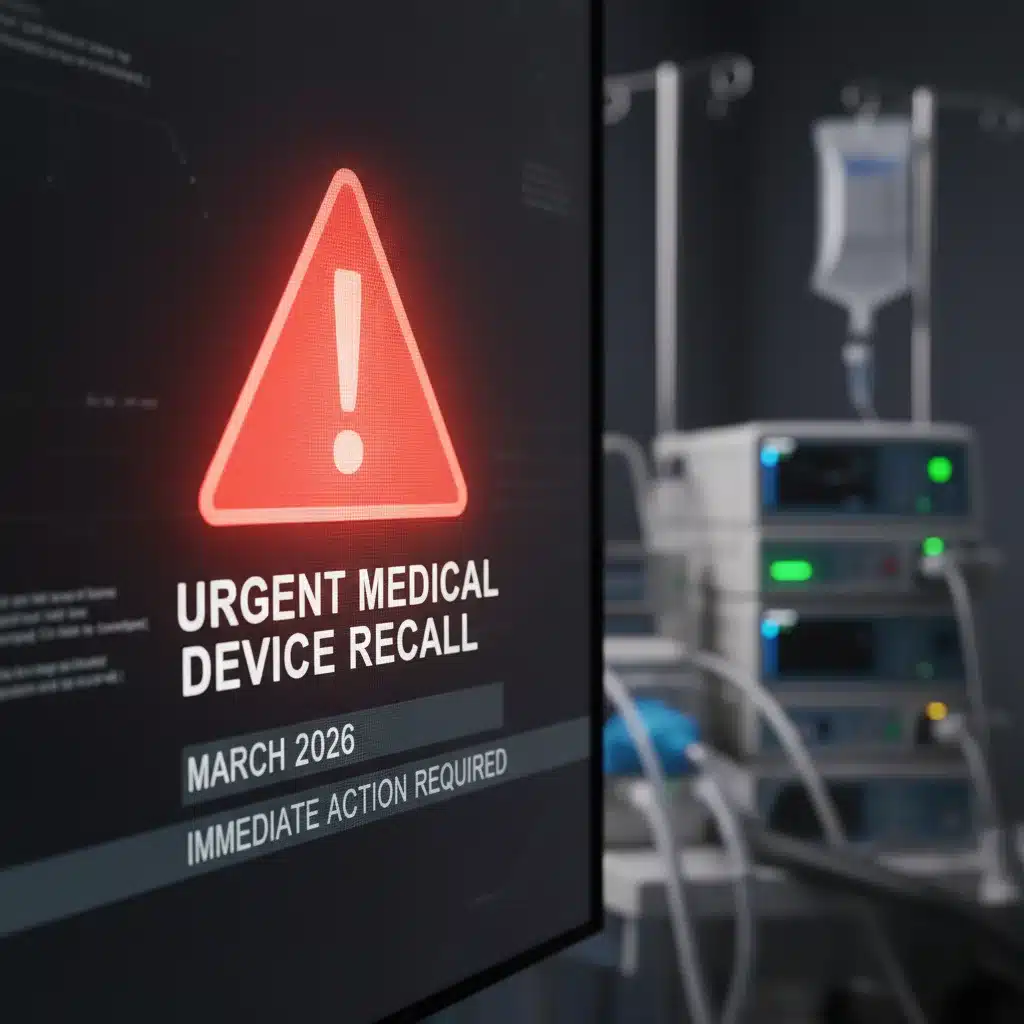
In the ever-evolving landscape of healthcare, the safety and efficacy of medical devices are paramount. The U.S. Food and Drug Administration (FDA) plays a crucial role in monitoring these devices, ensuring they meet rigorous safety standards. However, even with stringent oversight, issues can arise, necessitating FDA Medical Device Recalls. March 2026 has seen the issuance of two significant medical device recalls, impacting patient safety nationwide. These alerts underscore the continuous need for vigilance among healthcare providers, patients, and manufacturers alike.
Anúncios
This comprehensive article delves into the specifics of these recent FDA Medical Device Recalls, exploring their potential impact, the reasons behind them, and the steps being taken to mitigate risks. Understanding these recalls is not just about compliance; it’s about safeguarding lives and maintaining trust in our healthcare system. We will provide an in-depth analysis, offering actionable insights for all stakeholders.
Understanding the FDA’s Role in Medical Device Safety
Before diving into the specifics of the March 2026 recalls, it’s essential to understand the FDA’s broader role in ensuring medical device safety. The FDA is responsible for protecting public health by assuring the safety, effectiveness, and security of human and veterinary drugs, vaccines and other biological products, and medical devices. For medical devices, this involves pre-market review, post-market surveillance, and the authority to mandate recalls when necessary.
The FDA classifies medical devices into three categories based on their potential risks: Class I (low risk), Class II (moderate risk), and Class III (high risk). Recalls can occur for devices in any class, often due to manufacturing defects, design flaws, or labeling errors that could lead to serious health consequences or death. When a recall is initiated, it signifies a serious concern about the device’s safety or performance.
Anúncios
Why Do Medical Device Recalls Happen?
Medical device recalls, including the recent FDA Medical Device Recalls in March 2026, are not uncommon. They typically arise from a variety of factors:
- Manufacturing Defects: Errors during the production process can lead to devices that do not meet specifications.
- Design Flaws: Issues in the device’s design can render it unsafe or ineffective for its intended use.
- Software Bugs: For devices with embedded software, programming errors can lead to malfunctions.
- Labeling and Packaging Errors: Incorrect instructions for use, warnings, or contraindications can result in improper use and patient harm.
- Sterility Issues: Contamination during manufacturing or packaging can lead to infections.
- Adverse Event Reports: Post-market surveillance often uncovers problems through reports from healthcare providers and patients.
The FDA encourages continuous reporting of adverse events related to medical devices through its MedWatch program. These reports are critical in identifying potential safety issues and can trigger investigations that ultimately lead to recalls. The March 2026 FDA Medical Device Recalls highlight the critical importance of this robust reporting system.
The First Major FDA Medical Device Recall: March 2026
The first of the two significant FDA Medical Device Recalls issued in March 2026 involves a widely used diagnostic imaging system. This system, integral to accurate diagnoses across numerous medical specialties, has been found to have a critical software vulnerability that could lead to misinterpretations of diagnostic images.
Device Description and Intended Use
The recalled device, let’s refer to it as ‘ClarityScan 3000’, is an advanced diagnostic imaging system designed to provide high-resolution images of internal body structures. It is utilized in radiology departments, cardiology clinics, and oncology centers for a range of diagnostic procedures, including MRI, CT, and ultrasound scans. Its primary function is to aid clinicians in detecting, diagnosing, and monitoring various medical conditions, from cardiovascular diseases to cancerous tumors.
Reason for the Recall: Software Vulnerability
The recall for ClarityScan 3000 was initiated after multiple reports of anomalous image rendering and data processing errors. Investigations revealed a significant software vulnerability in the device’s image processing algorithm. This vulnerability, while subtle, could lead to:
- Image Artifacts: Unintended distortions or errors appearing in diagnostic images.
- Inaccurate Measurements: Incorrect sizing or spatial relationships of anatomical structures.
- Delayed or Missed Diagnoses: The most severe consequence, where critical medical conditions might be overlooked or misdiagnosed due to flawed image data.
The FDA classified this as a Class I recall, the most serious type, indicating that there is a reasonable probability that use of or exposure to a violative product will cause serious adverse health consequences or death. The potential for misdiagnosis, especially in life-threatening conditions, makes this a particularly urgent matter for the FDA Medical Device Recalls.
Affected Population and Potential Health Risks
Patients who have undergone diagnostic imaging using the ClarityScan 3000 system are potentially affected. The health risks include, but are not limited to:
- Progression of undiagnosed diseases.
- Inappropriate treatment plans based on incorrect diagnoses.
- Increased anxiety and stress for patients and their families.
- In rare but severe cases, irreversible health damage or death if critical conditions are missed.
Healthcare providers are urged to review records of patients scanned with this device and consider re-evaluating their diagnostic images where appropriate. The FDA Medical Device Recalls notice provides specific guidance on identifying affected scans.
Manufacturer’s Response and Corrective Actions
The manufacturer of ClarityScan 3000 has issued an urgent field safety notice to all affected facilities. They are providing a software patch to correct the vulnerability and offering on-site technical support for installation and verification. Furthermore, the company is collaborating closely with the FDA to ensure all affected devices are updated and to investigate the root cause of the software flaw to prevent future occurrences. They have also established a dedicated helpline for inquiries related to this FDA Medical Device Recalls.
The Second Major FDA Medical Device Recall: March 2026
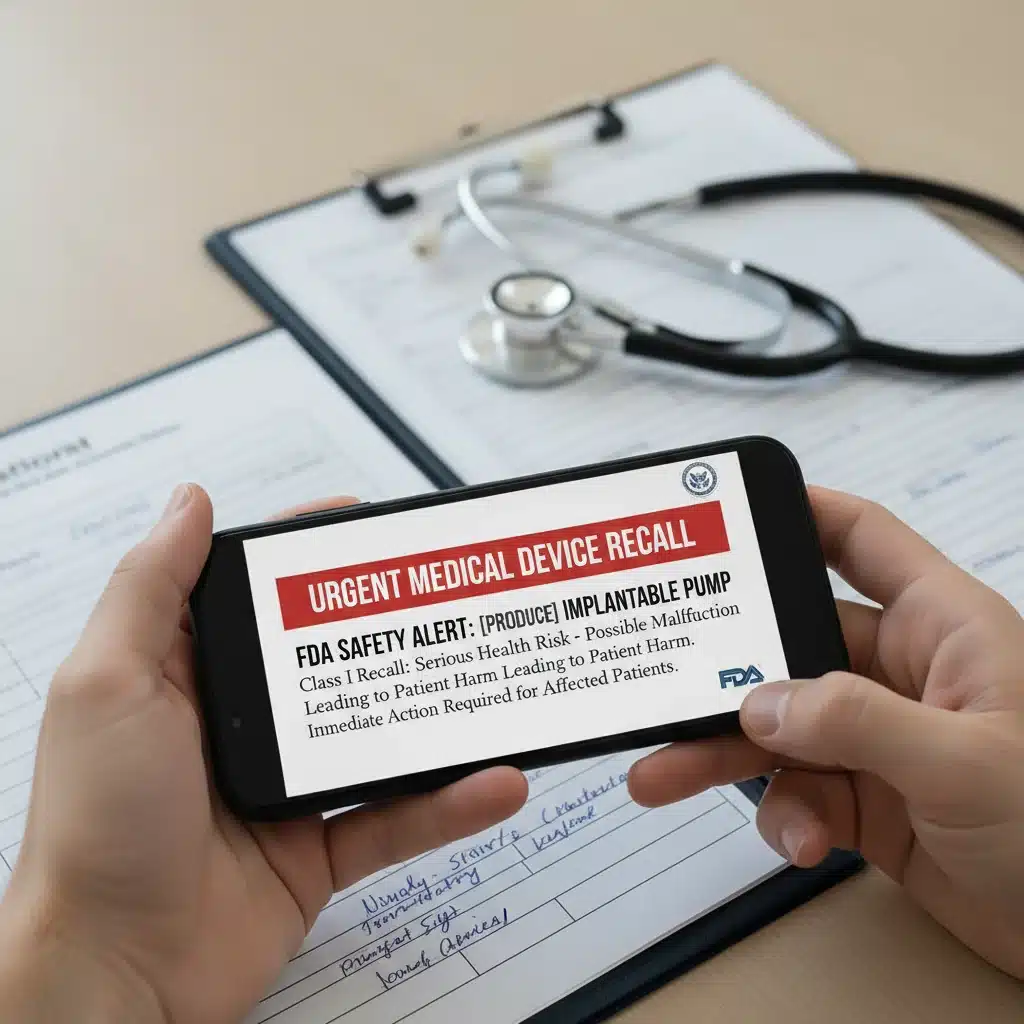
The second significant FDA Medical Device Recalls in March 2026 pertains to an implantable cardiovascular device. This recall is particularly concerning due to the invasive nature of the device and its direct impact on cardiac function.
Let’s call this device the ‘CardioPulse Regulator’. It’s designed to monitor and regulate heart rhythms, providing critical support for patients with various cardiac arrhythmias. Its failure can have immediate and life-threatening consequences.
Device Description and Intended Use
The CardioPulse Regulator is a sophisticated implantable cardioverter-defibrillator (ICD) or pacemaker, crucial for patients at risk of sudden cardiac arrest or those requiring consistent heart rhythm management. It is surgically implanted and continuously monitors the patient’s heart activity, delivering electrical impulses or defibrillation shocks as needed to restore normal rhythm. This device is a lifeline for thousands of individuals, making its recall a matter of extreme urgency.
Reason for the Recall: Component Failure
The recall for the CardioPulse Regulator was triggered by an increasing number of adverse event reports detailing unexpected battery depletion and, in some cases, complete device malfunction. Investigations revealed a defect in a specific internal component responsible for power management and communication within the device. This component failure can lead to:
- Premature Battery Depletion: The device’s battery drains much faster than expected, reducing its operational lifespan.
- Intermittent Functionality: The device may fail to deliver therapy when needed, or deliver it erratically.
- Complete Device Failure: The device ceases to function altogether, leaving the patient without critical cardiac support.
Given the direct impact on life-sustaining functions, the FDA has also designated this as a Class I recall, emphasizing the severe risks associated with its continued use. This specific issue underscores the complexities involved in manufacturing and quality control for implantable devices and the severe implications of FDA Medical Device Recalls in this category.
Affected Population and Potential Health Risks
Patients with an implanted CardioPulse Regulator are directly affected. The potential health risks are severe and immediate:
- Sudden Cardiac Arrest: If the device fails to deliver a life-saving shock or pacing.
- Exacerbation of Arrhythmias: Due to inconsistent or absent rhythm regulation.
- Need for Emergency Surgery: To replace a failing device, posing additional risks.
- Psychological Distress: For patients and their families, knowing their life-sustaining device might be unreliable.
Healthcare providers, particularly cardiologists and electrophysiologists, are advised to promptly identify all patients with the affected models of the CardioPulse Regulator. The FDA Medical Device Recalls notice includes specific serial numbers and manufacturing dates for the impacted devices.
Manufacturer’s Response and Corrective Actions
The manufacturer has initiated a global recall and is working with healthcare providers to identify and manage affected patients. They are recommending a comprehensive evaluation of patients with the recalled device, which may include remote monitoring data review, in-person device checks, and, in some cases, prophylactic device replacement. The company has also committed to covering the costs associated with device replacement and providing support for affected patients. They are collaborating with the FDA to investigate the component failure and implement enhanced quality control measures to prevent similar issues with future products. This proactive approach is critical in managing FDA Medical Device Recalls of this magnitude.
Navigating the Impact of FDA Medical Device Recalls
The recent FDA Medical Device Recalls in March 2026 have far-reaching implications for various stakeholders within the healthcare ecosystem. Understanding these impacts and knowing how to respond is crucial for minimizing harm and maintaining public trust.
For Patients and Caregivers
If you or a loved one are potentially affected by these recalls, it is essential to:
- Contact Your Healthcare Provider: Do not attempt to self-diagnose or make changes to your treatment plan. Your doctor is the best resource for information and guidance regarding your specific situation.
- Stay Informed: Follow official communications from the FDA, the manufacturer, and your healthcare provider.
- Report Concerns: If you experience any unusual symptoms or device malfunctions, report them immediately to your healthcare provider and consider submitting a report to the FDA’s MedWatch program.
- Understand Your Rights: Be aware of any support or compensation offered by the manufacturer for recall-related issues.
For Healthcare Providers and Facilities
Healthcare providers and facilities bear a significant responsibility in managing FDA Medical Device Recalls. Key actions include:
- Identify Affected Devices: Promptly review inventory and patient records to identify all recalled devices.
- Follow Manufacturer’s Instructions: Adhere strictly to the corrective actions recommended by the manufacturer, whether it’s software updates, device replacements, or enhanced monitoring protocols.
- Communicate with Patients: Proactively inform affected patients about the recall, explain the risks, and outline the steps they need to take. Provide clear, empathetic communication.
- Report Adverse Events: Continue to report any adverse events related to the recalled devices to the FDA’s MedWatch program.
- Train Staff: Ensure all relevant staff members are aware of the recall and understand the appropriate procedures for handling and reporting.
For Medical Device Manufacturers
For manufacturers, a recall is a challenging but critical process that tests their commitment to patient safety and quality. Essential steps include:
- Transparency and Cooperation: Work transparently and cooperatively with the FDA throughout the recall process.
- Root Cause Analysis: Conduct a thorough investigation to identify the root cause of the defect and implement robust corrective and preventive actions (CAPA).
- Effective Communication: Develop clear and timely communication strategies for healthcare providers, distributors, and patients.
- Support for Affected Parties: Provide comprehensive support, including technical assistance, financial compensation for replacements (if applicable), and patient counseling.
- Enhance Quality Systems: Use the recall as an opportunity to review and strengthen internal quality management systems to prevent future occurrences.
The Broader Implications for Medical Device Regulation
These recent FDA Medical Device Recalls serve as a stark reminder of the complexities inherent in medical device development, manufacturing, and post-market surveillance. They also prompt a re-evaluation of current regulatory frameworks and industry practices.
Strengthening Post-Market Surveillance
The recalls highlight the indispensable role of robust post-market surveillance systems. While pre-market approvals are stringent, real-world performance data, especially from adverse event reports, is crucial for identifying latent defects. There’s an ongoing discussion within the industry and regulatory bodies about leveraging advanced analytics, artificial intelligence, and real-world evidence to enhance the speed and accuracy of defect detection.
Importance of Cybersecurity in Medical Devices
The software vulnerability in the diagnostic imaging system underscores the growing importance of cybersecurity in medical devices. As devices become more interconnected and software-dependent, they become potential targets for cyber threats or prone to software bugs that can have serious clinical consequences. Manufacturers must integrate cybersecurity considerations from the design phase through the entire product lifecycle.
Patient-Centric Approach to Recalls
Ultimately, all efforts in managing recalls must center on the patient. This means clear, timely, and empathetic communication, ensuring patients have access to the information and care they need without undue burden. The experience of patients during a recall can significantly impact their trust in the healthcare system and specific medical technologies.
Conclusion: A Call for Continued Vigilance
The two major FDA Medical Device Recalls issued in March 2026, affecting a diagnostic imaging system and an implantable cardiovascular device, are critical events that demand immediate attention. They serve as a powerful reminder that even the most advanced medical technologies are not immune to flaws and that continuous vigilance is essential to protect patient safety nationwide.
For healthcare providers, this means staying informed, acting swiftly on recall notices, and communicating transparently with patients. For patients, it means being proactive in understanding their medical devices and maintaining open lines of communication with their doctors. For manufacturers, it’s a call to reinforce quality control, embrace advanced safety protocols, and prioritize ethical responsibility above all else.
The FDA’s proactive role in identifying and addressing these issues is commendable, but the responsibility for safety is shared. By working together, the healthcare community can navigate these challenges effectively, learn from each incident, and continue to build a safer, more reliable future for medical technology. These FDA Medical Device Recalls are not just isolated incidents; they are lessons in continuous improvement and unwavering commitment to patient well-being.