Unlocking Patient Assistance Programs in 2026: Discover Over 50 New Offerings for High-Cost Medications
In an era where medical advancements bring incredible hope, they often come with a formidable price tag. High-cost medications, while life-saving for many, can place an immense financial burden on individuals and families. The good news is that support is available, and in 2026, the landscape of patient assistance programs is expanding significantly. We’re on the cusp of seeing over 50 new offerings designed to make essential treatments more accessible. This comprehensive guide will walk you through the evolving world of patient assistance, helping you navigate the options and secure the support you need.
The Growing Need for Patient Assistance Programs
The cost of prescription drugs in the United States continues to be a major concern for millions. For many chronic and rare diseases, innovative medications can cost tens of thousands, or even hundreds of thousands, of dollars per year. This financial strain can lead to difficult choices: foregoing treatment, accumulating debilitating debt, or sacrificing other necessities. This is precisely where patient assistance programs step in, offering a critical lifeline.
These programs, often sponsored by pharmaceutical companies, non-profit organizations, or government entities, aim to provide financial relief for patients who cannot afford their prescribed medications. They can come in various forms, including free medication, co-pay assistance, or reimbursement programs. The increasing number of high-cost specialty drugs entering the market has directly fueled the expansion of these vital services, making the search for patient assistance more relevant than ever.
What’s New in 2026: Over 50 Expanded and New Offerings
The year 2026 is poised to be a landmark year for patient assistance programs. Our research indicates a significant surge in new initiatives and expansions of existing ones, with over 50 new offerings expected to become available or significantly enhanced. This expansion is driven by several factors:
- Increased Drug Innovation: More high-cost specialty drugs for conditions like cancer, autoimmune diseases, rare genetic disorders, and neurological conditions are receiving FDA approval.
- Growing Public Awareness and Advocacy: Patient advocacy groups and public pressure continue to highlight the need for affordable access to medications.
- Pharmaceutical Company Commitments: Many pharmaceutical companies are recognizing the importance of ensuring their life-saving treatments reach patients, regardless of their financial situation.
- Policy Changes and Healthcare Reforms: Evolving healthcare policies may also play a role in incentivizing or mandating greater access to assistance.
While specific details of all 50+ programs are still emerging and subject to change, the general trend points towards broader eligibility criteria, streamlined application processes, and a wider range of covered medications. This is excellent news for patients struggling with medication costs, as it means more opportunities to find the specific help they need.
Who Qualifies for Patient Assistance Programs? Understanding Eligibility
Eligibility for patient assistance programs can vary significantly from one program to another, but common criteria often include:
Income Guidelines
Most programs have income caps, often expressed as a percentage of the Federal Poverty Level (FPL). For example, a program might require your household income to be at or below 300% or 400% of the FPL. It’s crucial to check the specific FPL guidelines for the current year, as these are updated annually.
Insurance Status
Some programs are specifically for uninsured patients, while others assist those with private insurance, Medicare, or Medicaid who still face high out-of-pocket costs (e.g., high deductibles, co-pays, or co-insurance). A significant number of programs for 2026 are expected to broaden their scope to include underinsured individuals.
Residency Requirements
Most programs require applicants to be U.S. residents or legal citizens.
Medical Necessity
Your physician must prescribe the medication for an approved indication, and it must be deemed medically necessary for your condition.
Specific Medication
Programs are usually tied to specific medications or a range of medications produced by a particular manufacturer. If you’re taking a high-cost drug, there’s a good chance its manufacturer has a patient assistance program.
It’s important to remember that even if you think you might not qualify, it’s always worth investigating. Eligibility criteria can be nuanced, and new programs might have different thresholds.
Navigating the Application Process: A Step-by-Step Guide
Applying for patient assistance programs can seem daunting, but breaking it down into manageable steps can make the process much smoother. Many of the new programs for 2026 are focusing on simplifying this journey.
Step 1: Identify Your Medications and Potential Programs
Start by listing all your high-cost prescription medications. Research the manufacturers of these drugs. Most pharmaceutical companies have dedicated patient assistance websites or departments. Additionally, non-profit organizations often maintain databases of various programs.
Resources to check:
- The manufacturer’s official website for your specific drug.
- Non-profit organizations like NeedyMeds, RxAssist, or the Partnership for Prescription Assistance.
- Your doctor’s office or hospital social worker/patient advocate, who often have direct knowledge of programs.
Step 2: Gather Necessary Documentation
Once you identify potential patient assistance programs, you’ll need to collect specific documents. While requirements vary, common documents include:
- Proof of income (e.g., tax returns, pay stubs, Social Security statements).
- Proof of residency (e.g., utility bills, driver’s license).
- Proof of insurance status (e.g., insurance cards, explanation of benefits).
- A prescription from your doctor.
- A completed application form, often requiring signatures from both you and your prescribing physician.
Be proactive in gathering these documents to avoid delays.
Step 3: Complete the Application Form
Carefully fill out all sections of the application. Ensure all information is accurate and complete. Many forms require a physician’s signature and sometimes additional medical information, so you’ll need to coordinate with your doctor’s office.

Step 4: Submit Your Application
Submit your application and all supporting documents as instructed by the program (e.g., mail, fax, online portal). Keep copies of everything you submit for your records. Consider sending important documents via certified mail for proof of delivery.
Step 5: Follow Up
Don’t be afraid to follow up on your application status if you don’t hear back within the stated timeframe. Program administrators are often busy, and a polite inquiry can help expedite the process. Keep a log of who you spoke with, when, and what was discussed.
Key Trends and Innovations in 2026 Patient Assistance
The expansion of patient assistance programs in 2026 isn’t just about quantity; it’s also about quality and accessibility. Several key trends are emerging:
Digital-First Applications
Many new programs are offering fully digital application processes, making it easier and faster for patients to apply from home. This includes online portals for document submission and status tracking.
Streamlined Eligibility Checks
Technology is being leveraged to simplify income and insurance verification, potentially reducing the burden of documentation for applicants.
Integrated Support Services
Beyond medication access, some programs are beginning to offer more holistic support, such as transportation assistance, disease management resources, and financial counseling to address the broader challenges faced by patients with chronic conditions.
Focus on Rare Diseases and Gene Therapies
With a growing number of ultra-high-cost therapies for rare diseases and emerging gene therapies, expect to see dedicated patient assistance programs specifically tailored to these unique and often extremely expensive treatments. These programs often require specialized navigation due to the complexity of the diseases and the novelty of the treatments.
Increased Transparency
There’s a push for greater transparency regarding program details, eligibility, and the overall application process, aiming to demystify access to help.
Maximizing Your Chances of Success
To successfully access patient assistance programs, consider these tips:
- Start Early: Don’t wait until you’re in a financial crisis. Begin researching programs as soon as you receive a high-cost prescription.
- Be Thorough: Provide all requested information accurately and completely. Incomplete applications are the leading cause of delays or rejections.
- Work with Your Healthcare Team: Your doctor’s office, especially nurses, social workers, or patient navigators, can be invaluable allies. They often have direct contacts with pharmaceutical companies and experience with the application process.
- Keep Organized Records: Maintain a file with all correspondence, application forms, and supporting documents.
- Don’t Give Up: If denied, understand the reason and see if you can appeal or if another program might be a better fit. Eligibility rules can be complex, and a small change in circumstances might make a difference.
- Explore All Avenues: Don’t limit yourself to just one type of program. Look into manufacturer programs, disease-specific foundations, and state-level initiatives.
Beyond Pharmaceutical Programs: Other Avenues of Support
While pharmaceutical patient assistance programs are a cornerstone of support, it’s important to remember other potential avenues for financial relief:
Disease-Specific Foundations
Many non-profit organizations focused on specific diseases (e.g., cancer, multiple sclerosis, diabetes) offer financial assistance for medications, co-pays, and other related expenses. These foundations often have unique criteria and can provide support when other programs cannot.
Government Programs
Medicaid, Medicare’s Low-Income Subsidy (LIS), and state pharmaceutical assistance programs (SPAPs) are crucial for many. If you qualify, these programs can significantly reduce or eliminate medication costs.
Hospital and Clinic Financial Aid
Many hospitals and clinics have their own financial assistance programs or charity care policies. If you receive your medication directly from a clinic or infusion center, inquire about their internal support options.
Coupon Cards and Discount Programs
While not strictly patient assistance, discount cards (like GoodRx) and manufacturer coupons can provide immediate savings on many prescription drugs, especially for generics or less expensive brand-name medications. These can be a good interim solution or complement other forms of assistance.
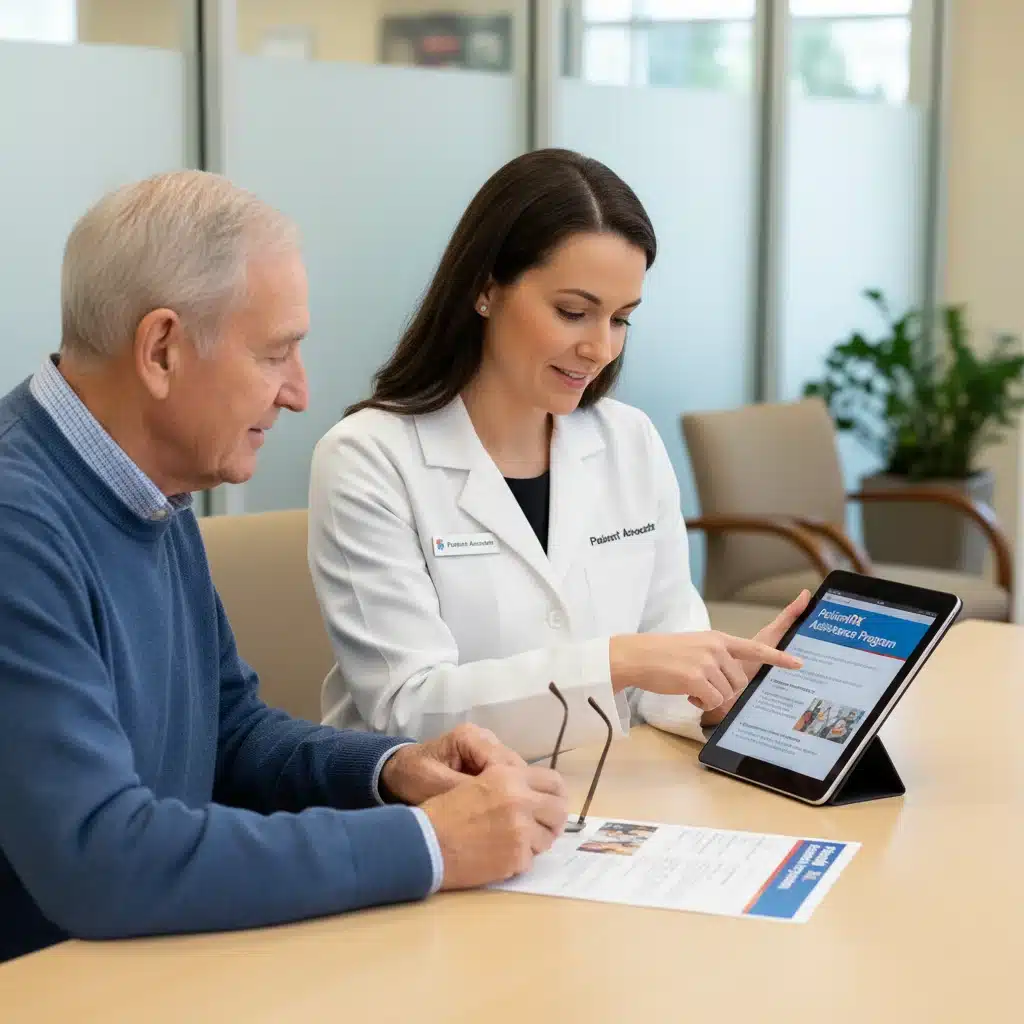
The Role of Patient Advocates and Navigators
For many, the complexity of navigating healthcare and financial assistance can be overwhelming. This is where patient advocates and navigators play a crucial role. These professionals can:
- Help identify relevant patient assistance programs.
- Assist with gathering documentation and completing applications.
- Communicate with pharmaceutical companies and insurance providers on your behalf.
- Provide emotional support and guidance throughout the process.
- Connect you with other community resources.
Many hospitals, cancer centers, and disease-specific organizations offer patient navigator services, often at no cost. Don’t hesitate to ask your healthcare provider if such services are available to you.
Looking Ahead: The Future of Medication Access
The expansion of patient assistance programs in 2026 is a positive indicator of a growing commitment to addressing medication affordability. However, the long-term goal remains systemic reform that makes essential medications accessible to everyone, regardless of their financial status. Advocacy efforts continue to push for policy changes that would lower drug prices and broaden insurance coverage.
In the meantime, these programs remain a vital safety net. Staying informed about new offerings and understanding how to access them is paramount. The more you know, the better equipped you’ll be to advocate for your own health and financial well-being.
Frequently Asked Questions About Patient Assistance Programs
Q: Can I use patient assistance programs if I have insurance?
A: Yes, many patient assistance programs are designed to help underinsured patients who have high co-pays, deductibles, or co-insurance. However, some programs are exclusively for the uninsured. Always check the specific program’s criteria.
Q: How long does it take to get approved for a patient assistance program?
A: The approval timeline varies widely. Some programs offer expedited review, while others can take several weeks to process. Having all your documentation ready and following up proactively can help speed up the process.
Q: What if my income is too high for most programs?
A: Even if your income seems too high, it’s worth exploring options. Some programs have higher income thresholds, or they might consider your specific financial circumstances (e.g., high medical debt). Also, look into co-pay assistance programs, which often have different income requirements.
Q: Are patient assistance programs taxable income?
A: Generally, prescription drug assistance provided by pharmaceutical companies or non-profit organizations is not considered taxable income by the IRS, as it is a direct payment for medical expenses. However, it’s always advisable to consult with a tax professional for personalized advice.
Q: Can my doctor’s office apply for me?
A: Many doctor’s offices, especially those with dedicated patient navigators or financial counselors, will assist you with the application process, or even complete and submit forms on your behalf, especially for the physician’s portion of the application. This can significantly ease the burden on patients.
Q: What happens if a program rejects my application?
A: If your application is rejected, first understand the reason for the denial. It might be due to incomplete information, not meeting eligibility criteria, or the program being out of funds. You may be able to appeal the decision, provide additional documentation, or explore other patient assistance programs that might be a better fit.
Conclusion
The prospect of over 50 new patient assistance programs emerging or expanding in 2026 offers significant hope for individuals and families grappling with the high cost of medications. While the system can be complex, knowledge is power. By understanding the types of programs available, knowing how to navigate the application process, and leveraging the support of healthcare professionals and patient advocates, you can unlock the financial assistance necessary to access life-saving treatments. Don’t let the cost of medication stand in the way of your health; take proactive steps today to explore the assistance that awaits you.