
The Top 7 Underutilized Employee Benefits for 2026: How to Save Over $1,500 Annually
In today’s dynamic economic landscape, every dollar counts. While many employees focus solely on their base salary, a wealth of financial opportunities often lies hidden in plain sight: their employee benefits package. These aren’t just perks; they are powerful tools that, when fully utilized, can significantly boost your financial well-being, save you money, and even accelerate your long-term financial goals. Yet, year after year, countless individuals leave thousands of dollars on the table by not understanding or engaging with the full spectrum of benefits available to them.
For 2026, the landscape of employee benefits continues to evolve, with companies increasingly offering a diverse range of options designed to attract and retain top talent. However, with this diversity comes complexity, and it’s easy for valuable benefits to go unnoticed or misunderstood. This comprehensive guide is designed to shed light on the top 7 underutilized employee benefits that could collectively save you over $1,500 annually. By delving into these often-overlooked advantages, you’ll gain the knowledge and strategies needed to maximize your workplace perks and secure a more stable financial future.
We’ll explore everything from health and wellness programs to financial planning resources and professional development opportunities. Our aim is to empower you with actionable insights, ensuring you don’t miss out on the incredible value your employer provides. Let’s dive in and uncover how you can turn your employee benefits package into a potent savings engine for 2026 and beyond.
1. Health Savings Accounts (HSAs) and Flexible Spending Accounts (FSAs): Beyond Basic Healthcare
When discussing underutilized employee benefits, Health Savings Accounts (HSAs) and Flexible Spending Accounts (FSAs) often top the list. While many employees are aware of these options, a significant portion doesn’t fully grasp their immense financial power. These accounts are not just for covering medical expenses; they are potent savings vehicles that offer substantial tax advantages.
Understanding HSAs: A Triple Tax Advantage
An HSA is available to individuals enrolled in a High-Deductible Health Plan (HDHP). Its triple tax advantage makes it one of the most powerful financial tools available:
- Tax-deductible contributions: Money you put into an HSA is pre-tax, reducing your taxable income.
- Tax-free growth: Your HSA funds can be invested, and any earnings grow tax-free.
- Tax-free withdrawals: Withdrawals for qualified medical expenses are tax-free.
Unlike FSAs, HSAs are portable and roll over year after year, making them an excellent long-term savings vehicle for healthcare costs in retirement. Many employers even contribute to employee HSAs, adding free money to your account. If your employer offers an HDHP and an HSA, maximizing your contributions should be a top priority. For 2026, contribution limits are expected to be higher, allowing for even greater tax-advantaged savings.
Maximizing FSAs: Use It or Lose It (Mostly)
FSAs, while similar in purpose, operate differently. They allow you to set aside pre-tax money for qualified medical or dependent care expenses. The primary drawback of an FSA is the ‘use-it-or-lose-it’ rule, meaning funds typically expire at the end of the plan year. However, many employers offer a grace period (usually 2.5 months) or allow a limited amount to roll over to the next year. Despite this, FSAs are incredibly valuable for predictable expenses like prescriptions, co-pays, eyeglasses, or childcare. By estimating these costs accurately and contributing that amount to an FSA, you effectively pay for them with pre-tax dollars, saving you money on taxes. Don’t let the ‘use-it-or-lose-it’ rule deter you; careful planning can lead to significant tax savings on routine expenses.
Potential Annual Savings: $300 – $800+ (through tax savings on contributions and potential employer contributions).
2. Professional Development & Tuition Reimbursement Programs
In a rapidly evolving job market, continuous learning is not just an advantage; it’s a necessity. Many companies understand this and offer robust professional development and tuition reimbursement programs, yet these are consistently among the most underutilized employee benefits. Employees often hesitate due to perceived time constraints or a lack of awareness regarding the scope of these offerings.
Investing in Your Future, Paid by Your Employer
Tuition reimbursement programs typically cover a portion, or even the entirety, of educational expenses for courses or degrees relevant to your current role or future career path within the company. This isn’t limited to traditional university degrees; it can include certifications, workshops, online courses, and even professional conferences. Imagine earning a valuable certification that boosts your skillset and earning potential, all while your employer foots the bill. This is a direct investment in your human capital, and it’s free money you’re leaving on the table if you don’t take advantage.
Beyond Formal Education: Skills Training and Conferences
Even if you’re not pursuing a degree, look into other professional development opportunities. Many companies offer subscriptions to online learning platforms (like LinkedIn Learning, Coursera, or Udemy), host internal training sessions, or provide budgets for attending industry conferences. These resources can help you acquire new skills, stay current with industry trends, and expand your professional network – all crucial for career advancement. Regularly check your HR portal or speak with your manager about available programs and how to apply. Proactively seeking out these opportunities demonstrates initiative and commitment, which can also positively impact your performance reviews and future promotions.
Potential Annual Savings: $500 – $3,000+ (depending on the program and educational pursuit, including direct costs and potential salary increases from enhanced skills).
3. Employee Assistance Programs (EAPs): Holistic Well-being Support
Employee Assistance Programs (EAPs) are a cornerstone of modern employee benefits packages, designed to support employees’ mental, emotional, and even financial well-being. Despite their comprehensive nature, EAPs remain one of the most significantly underutilized employee benefits, often due to a lack of awareness, stigma, or misunderstanding about the services they provide.
Confidential Support for Life’s Challenges
EAPs offer a wide range of confidential services, typically at no cost to the employee. These can include:
- Mental Health Counseling: Short-term therapy for stress, anxiety, depression, grief, and relationship issues.
- Financial Counseling: Guidance on budgeting, debt management, retirement planning, and even legal advice for financial matters.
- Legal Consultation: Basic legal advice on topics like wills, family law, and tenant rights.
- Work-Life Services: Assistance with elder care, childcare referrals, relocation services, and daily living needs.
- Substance Abuse Support: Resources and referrals for addiction recovery.
The beauty of EAPs is their holistic approach. Life’s challenges, whether personal or professional, can impact productivity and overall well-being. EAPs provide a crucial safety net, offering expert guidance and support before issues escalate. Many programs also extend benefits to family members, further amplifying their value.
Breaking the Stigma and Maximizing Access
One of the main reasons for the underutilization of EAPs is the stigma surrounding mental health or seeking help. It’s crucial to remember that EAPs are designed to be a proactive resource, not just for crises. Utilizing these services can help you manage stress, improve relationships, and make informed decisions, ultimately enhancing your quality of life. Information about your EAP is usually available through your HR department or on your company’s intranet. Take the time to understand what’s offered and don’t hesitate to reach out when needed. Early intervention through an EAP can prevent small issues from becoming large, costly problems.
Potential Annual Savings: $200 – $1,000+ (by avoiding costly external therapy, legal fees, or financial advisor fees).

4. Wellness Programs and Fitness Subsidies
As companies increasingly recognize the link between employee health and productivity, wellness programs and fitness subsidies have become common employee benefits. However, despite the clear advantages of improved health and reduced costs, these programs are often underutilized. For 2026, expect these offerings to become even more sophisticated and personalized.
Investing in Your Health, Saving Your Wallet
Wellness programs can take many forms:
- Gym Membership Reimbursements: Many employers offer partial or full reimbursement for gym memberships, fitness classes, or even home exercise equipment.
- Health Screenings and Flu Shots: Often provided on-site or at no cost, these preventative measures can catch health issues early, saving significant future medical expenses.
- Smoking Cessation Programs: Support and resources to help employees quit smoking, often with incentives.
- Weight Management Programs: Subsidies or free access to programs like Weight Watchers or other nutritional counseling.
- Stress Management Workshops: Sessions on mindfulness, meditation, or yoga to help manage workplace stress.
- Wearable Device Discounts/Incentives: Discounts on fitness trackers or incentives for meeting health goals tracked by these devices.
The financial benefits are twofold: direct savings on fitness-related expenses and indirect savings from improved health. A healthier lifestyle can lead to fewer doctor visits, lower prescription costs, and potentially reduced insurance premiums in the long run. Moreover, the psychological benefits of physical activity and stress reduction are invaluable.
Making Wellness a Priority
To maximize these underutilized employee benefits, actively engage with your company’s wellness initiatives. Attend informational sessions, sign up for challenges, and utilize any available subsidies. Even small steps, like participating in a company-sponsored walking challenge or getting your annual flu shot on-site, contribute to your overall health and save you money. Don’t let these opportunities pass you by; your health is your greatest asset, and your employer is offering to help you maintain it.
Potential Annual Savings: $100 – $500+ (on gym memberships, health screenings, and preventative care).
5. Financial Planning Services and Retirement Advising
Navigating the complexities of personal finance and retirement planning can be daunting. Many employees feel overwhelmed by investment choices, budgeting, and long-term financial goals. Recognizing this, a growing number of employers now offer access to financial planning services and retirement advising as part of their employee benefits package. These are critically underutilized employee benefits that can provide immense value.
Expert Guidance at No or Low Cost
These services can include:
- One-on-One Financial Counseling: Personalized sessions with certified financial planners to discuss budgeting, debt management, savings strategies, and investment goals.
- Retirement Planning Workshops: Seminars and webinars on 401(k) contributions, Roth vs. traditional accounts, pension plans, and Social Security.
- Investment Advice: Guidance on how to allocate your retirement savings, understand risk tolerance, and diversify your portfolio.
- Estate Planning Resources: Assistance with understanding wills, trusts, and power of attorney.
The cost of independent financial advice can be substantial, often hundreds or thousands of dollars annually. By utilizing your employer-sponsored services, you gain access to professional expertise without the hefty price tag. This can lead to better financial decisions, optimized savings, and a clearer path to achieving your financial objectives, including a comfortable retirement.
Taking Control of Your Financial Future
Don’t be intimidated by financial jargon. These services are designed to demystify personal finance and make it accessible to everyone. Schedule a consultation, attend a workshop, and ask all the questions you have. Even if you consider yourself financially savvy, a second opinion or new perspective can be invaluable. Maximizing these underutilized employee benefits means taking an active role in planning your financial future, ensuring you’re making the most of your income and investments. For 2026, with economic uncertainties still present, sound financial advice is more crucial than ever.
Potential Annual Savings: $200 – $1,000+ (by avoiding fees for external financial advisors and making more informed financial decisions).
6. Commuter Benefits and Transportation Subsidies
For many urban and suburban employees, the daily commute is a significant expense, encompassing fuel, public transport fares, parking, and vehicle maintenance. Commuter benefits and transportation subsidies are designed to alleviate this burden, yet they often remain among the most underutilized employee benefits.
Saving on Your Daily Journey
These programs typically allow employees to set aside pre-tax money to pay for eligible commuting expenses. This means you’re paying for your commute with money that hasn’t been taxed, directly reducing your taxable income. Common eligible expenses include:
- Public Transportation: Bus, train, subway, and ferry passes.
- Qualified Parking: Parking fees at or near your workplace or a public transportation stop.
- Vanpooling: Fares for commuter highway vehicles.
Some employers go a step further, offering direct subsidies for public transport passes, bike-to-work incentives, or even electric vehicle charging stations. Given the rising costs of fuel and public transit, leveraging these benefits can lead to significant monthly and annual savings. It’s essentially a discount on a mandatory expense.
Easy Enrollment, Big Impact
Enrollment in commuter benefits is usually straightforward, often managed through your HR or payroll department. You typically designate a certain amount to be deducted from your paycheck pre-tax, and this money is then loaded onto a debit card or used to purchase passes. Don’t overlook these underutilized employee benefits; they are a simple yet effective way to save money on a regular, recurring expense. Calculate your monthly commuting costs and see how much you could save by paying with pre-tax dollars. For 2026, with many companies embracing hybrid work models, some benefits might extend to occasional commuting expenses as well.
Potential Annual Savings: $200 – $700+ (depending on commuting costs and tax bracket).
7. Employee Discounts and Perks Programs
Beyond the major financial and health-related benefits, many companies offer a wide array of employee discounts and perks programs. These are perhaps the most frequently underutilized employee benefits, often because employees are simply unaware of their existence or don’t realize the breadth of savings available.
Everyday Savings, Everywhere
These programs can include:
- Retail Discounts: Special pricing on electronics, clothing, home goods, and more from various retailers.
- Travel & Entertainment: Reduced rates on hotels, rental cars, theme park tickets, movie passes, and local attractions.
- Software & Services: Discounts on personal software, mobile phone plans, internet services, and even auto insurance.
- Local Partnerships: Deals with local restaurants, gyms, and service providers.
- Company Product/Service Discounts: If your company offers products or services, you might receive significant employee-only discounts.
The savings from these programs might seem small individually, but they can add up substantially over a year. Think about your regular spending habits: Do you buy groceries? Need a new phone? Planning a vacation? There’s a good chance your employer has a discount that applies.
Where to Find These Hidden Gems
Information on employee discounts is typically found on your company’s intranet, an employee benefits portal, or through a dedicated discounts platform (e.g., Perks at Work, Beneplace). Take the time to explore these resources. Bookmark the pages and check back regularly, especially before making a major purchase or planning an outing. Don’t pay full price when a discount is available through your underutilized employee benefits.
Potential Annual Savings: $100 – $500+ (depending on usage and spending habits).
Putting It All Together: Maximizing Your Underutilized Employee Benefits for 2026
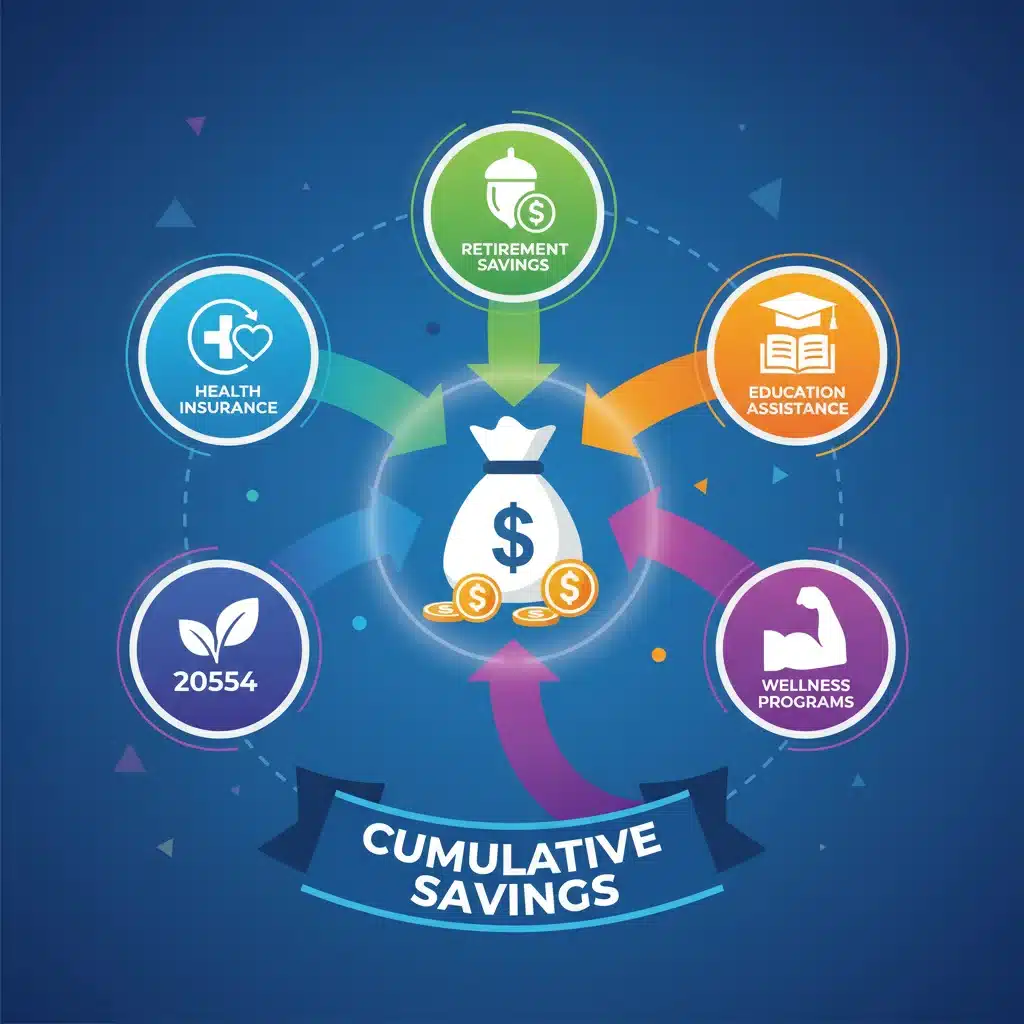
We’ve explored seven categories of underutilized employee benefits that, when leveraged effectively, can save you over $1,500 annually. Let’s recap the potential savings:
- Health Savings Accounts (HSAs) & Flexible Spending Accounts (FSAs): $300 – $800+
- Professional Development & Tuition Reimbursement: $500 – $3,000+
- Employee Assistance Programs (EAPs): $200 – $1,000+
- Wellness Programs & Fitness Subsidies: $100 – $500+
- Financial Planning Services & Retirement Advising: $200 – $1,000+
- Commuter Benefits & Transportation Subsidies: $200 – $700+
- Employee Discounts & Perks Programs: $100 – $500+
Even conservatively, by strategically utilizing just a few of these underutilized employee benefits, you can easily exceed the $1,500 savings mark, and potentially save much more, depending on your individual needs and the generosity of your employer’s offerings.
Actionable Steps to Maximize Your Benefits:
- Review Your Benefits Package Annually: Don’t just skim through it. Read every section carefully. Benefits often change year-to-year.
- Attend Benefits Orientations/Webinars: HR often hosts sessions explaining benefits. These are invaluable for understanding what’s available.
- Consult Your HR Department: If you have questions, ask. Your HR team is there to help you understand and utilize your benefits.
- Create a Personal Benefits Plan: Identify which of these underutilized employee benefits apply to you and how you can integrate them into your financial and personal goals for 2026.
- Set Reminders: For ‘use-it-or-lose-it’ benefits like FSAs, set reminders to utilize funds before the deadline.
- Spread the Word: Share this knowledge with colleagues. A more informed workforce is a more empowered workforce.
Your employer invests significantly in these programs because they understand the value of a healthy, skilled, and financially secure workforce. By taking the initiative to explore and utilize these underutilized employee benefits, you’re not only taking advantage of what’s rightfully yours, but you’re also demonstrating your commitment to your personal and professional growth. Don’t let another year go by leaving money and valuable resources on the table. Start exploring your benefits today and unlock significant savings and advantages for 2026.