Digital Health Financing: Impact on Your Wallet in 24 Months

The Future of Digital Health Financing: How New Technologies Will Impact Your Wallet in the Next 24 Months
The healthcare landscape is undergoing a monumental transformation, driven by an accelerating wave of technological innovation. This isn’t just about better treatments or more efficient diagnostics; it’s profoundly reshaping how we pay for and access medical services. In the next 24 months, the concept of digital health financing will move from a niche topic to a mainstream reality, directly impacting your wallet and your healthcare experience. Are you ready for this paradigm shift?
For decades, healthcare financing has been a complex, often opaque system, characterized by mountains of paperwork, convoluted insurance policies, and unexpected costs. However, the advent of digital technologies is poised to disrupt this traditional model, offering promises of greater transparency, efficiency, and personalization. From AI-driven personalized insurance plans to blockchain-secured payment systems and remote monitoring solutions, the future of healthcare finance is intrinsically linked to our digital evolution.
This comprehensive article will delve deep into the emerging trends and technologies that will define digital health financing in the immediate future. We will explore how these innovations are set to influence your out-of-pocket expenses, insurance premiums, and overall access to care. Understanding these changes now is not just about staying informed; it’s about preparing strategically for a future where your health and your finances are more intertwined with technology than ever before.
The Rise of Personalized Insurance and Predictive Analytics
One of the most significant shifts in digital health financing comes from the integration of personalized insurance models, heavily reliant on predictive analytics and artificial intelligence (AI). Traditional insurance models often rely on broad demographic data and historical claims to assess risk and set premiums. This approach, while functional, often fails to account for individual lifestyle choices, health behaviors, or specific genetic predispositions.
In the next two years, expect to see a surge in insurance products that leverage AI to create highly personalized risk profiles. Wearable devices, smart home health monitors, and even genomic data can provide insurers with a wealth of real-time information about your health. This data, when analyzed by sophisticated AI algorithms, allows for a more granular understanding of individual health risks, leading to more tailored insurance premiums. For some, this could mean lower costs if they demonstrate healthy behaviors. For others, particularly those with pre-existing conditions or higher-risk lifestyles, it could mean higher premiums or more targeted intervention programs designed to mitigate risk.
How AI and Data Will Shape Your Premiums
Imagine an insurance plan that adjusts your monthly premium based on your daily step count, your sleep patterns, or your adherence to medication schedules, all tracked through connected devices. This isn’t science fiction; it’s becoming a reality. Companies are already experimenting with ‘pay-as-you-live’ models, where healthy behaviors are rewarded with discounts. The data collected – with your explicit consent, of course – allows insurers to move beyond a one-size-fits-all approach to a dynamic pricing model that incentivizes wellness.
Predictive analytics will also play a crucial role in preventative care financing. By identifying individuals at high risk for certain conditions before they manifest, insurers and healthcare providers can recommend proactive interventions, such as lifestyle coaching, early screenings, or personalized medication regimens. While the upfront cost of these interventions might seem higher, the long-term savings from preventing chronic diseases can be substantial, leading to a more sustainable healthcare system and potentially lower overall costs for insured individuals.
The ethical implications of such highly personalized models are, of course, a critical discussion point. Concerns around data privacy, potential discrimination, and the accessibility of these technologies for all demographics will need to be carefully addressed as digital health financing evolves. Regulatory frameworks will be essential to ensure fairness and equity in these new systems.
Telemedicine and Remote Monitoring: Reducing Access Barriers and Costs
The COVID-19 pandemic accelerated the adoption of telemedicine and remote patient monitoring (RPM) technologies, pushing them from niche services to essential components of healthcare delivery. In the next 24 months, these technologies will further entrench themselves, fundamentally altering how we access care and, by extension, how it’s financed.
Telemedicine, which encompasses virtual consultations via video, phone, or chat, offers significant cost savings by reducing the need for in-person visits, travel time, and facility overheads. For patients, this translates to less time off work, reduced transportation costs, and greater convenience. Insurance providers are increasingly recognizing these benefits, with many expanding coverage for virtual care services, often at a lower co-pay than traditional office visits. This shift will continue to make healthcare more accessible and affordable for millions.

The Financial Advantages of Remote Patient Monitoring
Remote patient monitoring takes this a step further by allowing healthcare providers to continuously track vital signs, glucose levels, heart rhythms, and other critical health data from a distance. This is particularly beneficial for managing chronic conditions like diabetes, heart disease, and hypertension. By identifying potential issues early, RPM can prevent costly hospitalizations and emergency room visits, leading to significant savings for both patients and the healthcare system.
Financially, RPM can lead to more predictable healthcare expenditures. Instead of reactive, episodic care that often incurs high costs during acute crises, RPM facilitates proactive management, flattening the curve of healthcare spending. Insurers are actively exploring and implementing reimbursement models for RPM services, understanding that these preventative measures are an investment that yields long-term financial benefits. For patients, this means better health outcomes and a potentially reduced financial burden from managing chronic illnesses.
The expansion of 5G networks and the increasing sophistication of wearable tech will further enhance the capabilities of telemedicine and RPM, making them even more reliable and comprehensive. This will solidify their role in the future of digital health financing, making quality care more accessible and affordable, especially in rural or underserved areas.
Blockchain Technology for Enhanced Security and Transparency
Blockchain, the distributed ledger technology best known for underpinning cryptocurrencies, is poised to revolutionize the security and transparency of digital health financing. The current healthcare payment system is notoriously fragmented, with multiple intermediaries, complex billing codes, and a high potential for fraud and administrative inefficiencies. Blockchain offers a compelling solution to many of these challenges.
In the next 24 months, we can expect to see pilot programs and even broader adoption of blockchain for managing patient records, insurance claims, and payment processing. Imagine a system where your medical history, consent forms, and insurance policy details are all securely encrypted and immutable on a blockchain. This would streamline claims processing, reduce administrative overhead, and drastically cut down on fraudulent claims, ultimately leading to lower costs for all stakeholders.
Streamlining Payments and Reducing Fraud
For patients, blockchain could mean faster claims processing and greater transparency into their medical bills. No more opaque charges or confusing explanations of benefits. Every transaction, from a doctor’s visit to a prescription refill, could be recorded on the blockchain, providing an auditable and tamper-proof history. This enhanced transparency empowers patients to understand exactly what they are being charged for and why, fostering greater trust in the healthcare system.
For insurers and providers, blockchain technology promises significant operational efficiencies. Smart contracts, self-executing agreements stored on the blockchain, could automate many aspects of claims adjudication, reducing manual errors and processing times. This reduction in administrative costs can translate into lower premiums and more efficient use of healthcare resources. The enhanced security features of blockchain also offer a robust defense against data breaches, a constant concern in the highly sensitive healthcare sector.
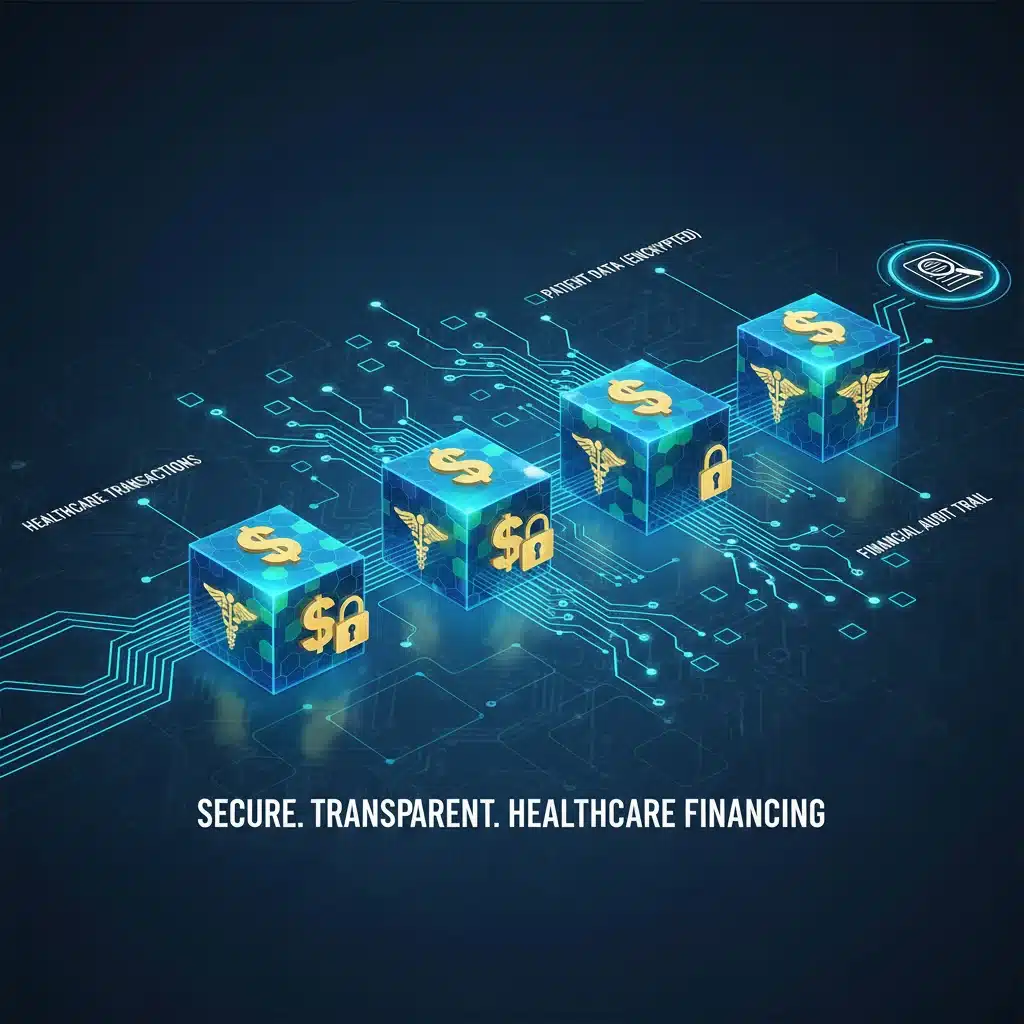
While the full integration of blockchain into mainstream healthcare finance will take time, the foundational elements are being laid now. Expect to see early adopters demonstrate the tangible benefits of improved security, reduced fraud, and enhanced transparency in digital health financing within the next two years.
Digital Wallets and Seamless Payment Experiences
The way we pay for everyday goods and services has been transformed by digital wallets and contactless payments. Healthcare, traditionally a laggard in adopting such innovations, is catching up. In the next 24 months, digital wallets and seamless payment experiences will become increasingly prevalent in digital health financing, offering convenience and greater control over medical expenses.
Imagine paying your co-pay with a tap of your phone, or having your insurance deductible automatically tracked and updated in a secure digital health wallet. This is the future. Digital health wallets can integrate with your insurance provider, track your out-of-pocket maximums, manage your health savings account (HSA) or flexible spending account (FSA) funds, and even provide real-time estimates of your financial responsibility for various procedures.
Integrating Financial Tools with Health Management
These integrated platforms will not only simplify payments but also empower patients to make more informed financial decisions about their healthcare. By clearly seeing their remaining deductible, the cost of different treatment options, and the impact on their HSA/FSA balance, individuals can better manage their healthcare budget. This level of financial transparency has been largely absent from the traditional healthcare system.
Furthermore, digital wallets can facilitate micro-payments for specific digital health services, such as on-demand virtual consultations, subscription-based wellness apps, or individualized health coaching. This ‘unbundling’ of healthcare services allows consumers to pay only for what they need, when they need it, fostering a more consumer-driven approach to health management and digital health financing.
The security of these digital wallets will be paramount, utilizing advanced encryption and biometric authentication to protect sensitive financial and health information. As these systems mature, they will not only streamline the payment process but also contribute to a more efficient and user-friendly healthcare financial ecosystem.
The Role of AI in Optimizing Healthcare Spending
Beyond personalized insurance, AI’s influence on digital health financing extends to optimizing overall healthcare spending at a systemic level. In the coming two years, AI will play an increasingly critical role in identifying inefficiencies, reducing waste, and improving resource allocation within healthcare organizations and across entire systems.
AI algorithms can analyze vast datasets of medical claims, treatment outcomes, and operational costs to pinpoint areas of excessive spending or ineffective treatments. For example, AI can identify patterns in prescription drug utilization that suggest over-prescription or identify diagnostic tests that are frequently ordered but rarely yield actionable results. By surfacing these insights, healthcare providers and payers can make data-driven decisions to optimize their spending without compromising patient care.
Predicting and Preventing Costly Events
Moreover, AI can assist in predicting demand for specific services, allowing hospitals and clinics to better allocate staff and resources, thereby reducing wait times and improving operational efficiency. This proactive approach to resource management directly impacts financial sustainability. By preventing bottlenecks and optimizing scheduling, healthcare providers can serve more patients effectively, potentially lowering the per-patient cost of care and ensuring more efficient use of facilities.
Another powerful application of AI in digital health financing is in fraud detection. The healthcare industry is a prime target for fraudulent claims, costing billions annually. AI-powered systems can analyze claims data in real-time, identifying unusual patterns or anomalies that indicate potential fraud far more quickly and accurately than manual processes. This significantly reduces losses due to fraudulent activities, leading to a healthier financial outlook for the healthcare system and, ultimately, lower costs for patients and taxpayers.
The integration of AI into financial management tools will empower healthcare organizations to operate more leanly and effectively, ensuring that resources are directed where they can have the greatest impact on patient health and financial viability. This intelligent optimization is a cornerstone of the evolving landscape of digital health financing.
Challenges and Considerations for the Next 24 Months
While the prospects of digital health financing are exciting, its rapid evolution is not without challenges. Over the next two years, several critical factors will need to be addressed to ensure a smooth and equitable transition.
Data Privacy and Security
The increased reliance on personal health data for personalized insurance and predictive analytics raises significant concerns about data privacy and security. Robust regulatory frameworks, like HIPAA in the U.S. and GDPR in Europe, will need to be updated and strictly enforced to protect sensitive patient information. Companies developing these technologies must invest heavily in cybersecurity measures to prevent breaches and maintain public trust. A single major data breach could significantly undermine confidence in the entire digital health ecosystem.
Digital Divide and Equity
The benefits of digital health financing, particularly those relying on internet access, smartphones, and wearable devices, risk exacerbating the digital divide. Populations with limited access to technology or digital literacy may be left behind, unable to capitalize on personalized plans or remote care options. Policymakers and healthcare providers must work together to ensure equitable access to these technologies and provide necessary education and support to underserved communities.
Interoperability and Standardization
For digital health financing systems to truly thrive, seamless interoperability between different platforms, electronic health records (EHRs), insurance systems, and payment gateways is essential. Currently, the lack of standardized data formats and communication protocols often creates silos of information. Efforts towards greater interoperability will be crucial to unlock the full potential of integrated digital health solutions and ensure a cohesive financial experience for patients and providers alike.
Regulatory Adaptation
Existing healthcare regulations were not designed for the digital age. Governments and regulatory bodies will need to adapt quickly to the pace of technological change, creating new policies that foster innovation while protecting consumers. This includes defining clear guidelines for data ownership, consent, AI bias, and the reimbursement of novel digital health services.
Addressing these challenges proactively will be key to realizing the full potential of digital health financing and ensuring it serves to improve healthcare access, affordability, and quality for everyone.
Conclusion: Navigating Your Financial Health in a Digital Future
The next 24 months will mark a pivotal period for digital health financing. We are on the cusp of a revolution that promises to make healthcare more transparent, personalized, efficient, and potentially more affordable. From AI-driven insurance models and the pervasive reach of telemedicine to the secure backbone of blockchain and the convenience of digital wallets, technology is poised to redefine our financial relationship with healthcare.
For your wallet, this means a future where your health behaviors could directly influence your insurance premiums, where accessing a doctor might be as simple as a video call, and where understanding your medical bills is no longer a Herculean task. It’s a future where preventative care is incentivized, and administrative waste is significantly reduced.
While challenges related to data privacy, equity, and regulatory adaptation remain, the trajectory is clear: digital health financing is not just coming; it’s already here and rapidly evolving. Staying informed about these changes, actively engaging with new technologies, and advocating for equitable access will be crucial steps in navigating this exciting and transformative era. Prepare to embrace a more connected, data-driven, and financially optimized approach to managing your health.