Remote Patient Monitoring Reduces Hospital Readmissions by 20%
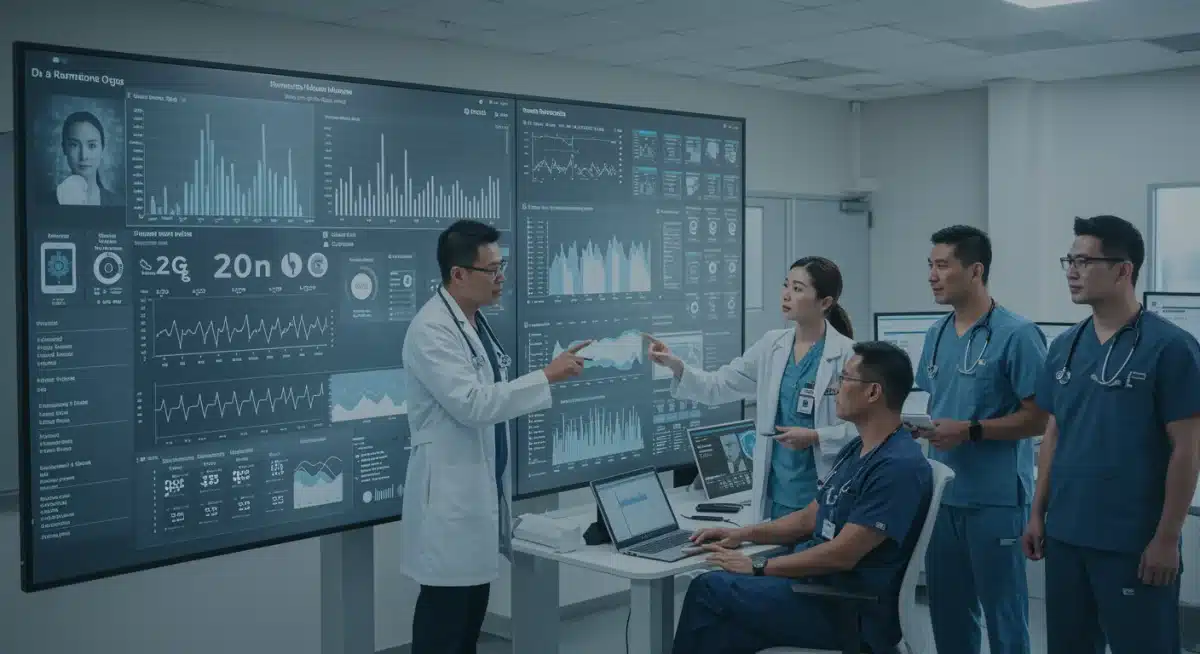
In a groundbreaking development that promises to reshape the landscape of modern healthcare, recent studies conducted in Q4 2025 across various US trials have unveiled a remarkable achievement: new remote patient monitoring (RPM) systems have successfully reduced hospital readmissions by an impressive 20%. This significant reduction underscores the transformative potential of technology in healthcare, offering a beacon of hope for improving patient outcomes, alleviating the burden on healthcare facilities, and enhancing the overall efficiency of medical services. The findings from these trials are not merely statistical anomalies but represent a robust and consistent trend, signaling a new era in how chronic conditions are managed and how post-discharge care is administered.
The concept of remote patient monitoring, while not entirely new, has evolved dramatically in recent years. What was once considered a niche application for a select few has now matured into a sophisticated, scalable solution capable of addressing some of the most persistent challenges in healthcare. Hospital readmissions, in particular, have long been a thorny issue. They represent not only a significant financial drain on healthcare systems but also a considerable source of stress and potential health deterioration for patients. When individuals are readmitted shortly after discharge, it often indicates a failure in the initial care plan, inadequate post-discharge support, or a lack of continuous monitoring that could have prevented a relapse. The 20% reduction observed in the Q4 2025 US trials directly tackles this critical problem, providing compelling evidence that RPM is not just a theoretical solution but a practical, effective intervention.
This article delves into the specifics of these trials, exploring the methodologies employed, the technologies utilized, and the multifaceted benefits derived from the widespread adoption of remote patient monitoring. We will examine how these systems empower patients with greater control over their health, provide healthcare providers with invaluable real-time data, and ultimately contribute to a more proactive and preventive healthcare model. Furthermore, we will consider the implications of these findings for policy-makers, healthcare administrators, and patients alike, envisioning a future where the seamless integration of technology and care leads to healthier communities and more sustainable healthcare systems.
The Persistent Challenge of Hospital Readmissions
Hospital readmissions are a complex and pervasive issue within the healthcare industry. They impose substantial financial burdens, estimated to cost billions annually in the United States alone. Beyond the economic impact, frequent readmissions signify suboptimal patient care, often leading to increased morbidity, reduced quality of life, and a loss of trust in the healthcare system. Conditions such as congestive heart failure, chronic obstructive pulmonary disease (COPD), pneumonia, and myocardial infarction are frequently cited as leading causes of readmissions, often due to inadequate follow-up, poor medication adherence, or a lack of early detection of worsening symptoms post-discharge.
Traditional post-discharge care models typically involve follow-up appointments, which, while important, often occur days or even weeks after a patient leaves the hospital. This gap in continuous monitoring can be critical, as many patients experience health deteriorations during this period that, if detected early, could be managed at home or through outpatient interventions. The absence of real-time data and immediate communication channels between patients and their care teams exacerbates this problem, leading to delayed responses and, ultimately, preventable hospitalizations. The imperative to reduce readmissions is not just a matter of cost-saving; it is fundamentally about improving patient safety and ensuring continuity of care.
Government initiatives and healthcare organizations have long recognized the severity of this issue. Programs like the Hospital Readmissions Reduction Program (HRRP) in the US, implemented under the Affordable Care Act, have aimed to penalize hospitals with excessive readmission rates, thereby incentivizing improvements in post-discharge care. While these programs have spurred some progress, a truly transformative solution has remained elusive until the recent advancements in remote patient monitoring technology. The 20% reduction reported in the Q4 2025 trials represents a significant leap forward, demonstrating that targeted technological interventions can yield substantial and measurable improvements where traditional methods have struggled.
Understanding the root causes of readmissions is crucial to appreciating the impact of RPM. These causes often include a lack of patient education regarding their condition and medication, socio-economic factors that impede access to follow-up care or healthy living conditions, and fragmented communication between different healthcare providers. Remote patient monitoring systems directly address many of these underlying issues by providing continuous oversight, facilitating timely interventions, and empowering patients with the knowledge and tools to manage their health more effectively. This proactive approach fundamentally shifts the paradigm from reactive illness management to preventive health maintenance, a change that benefits all stakeholders in the healthcare ecosystem.
The Rise of Remote Patient Monitoring: A Technological Leap
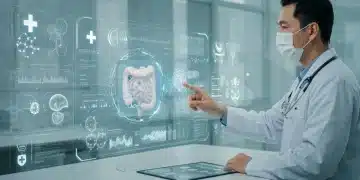
The recent success in reducing hospital readmissions by 20% is directly attributable to the sophisticated evolution of remote patient monitoring technology. Modern RPM systems are far more than just simple wearables; they are integrated platforms that combine advanced sensors, secure data transmission, artificial intelligence (AI) for predictive analytics, and user-friendly interfaces for both patients and clinicians. These systems collect a wide array of physiological data, including heart rate, blood pressure, oxygen saturation, glucose levels, weight, and activity levels, often continuously and in real-time. This continuous stream of data provides an unprecedented level of insight into a patient’s health status, allowing for early detection of subtle changes that might otherwise go unnoticed until a crisis point.
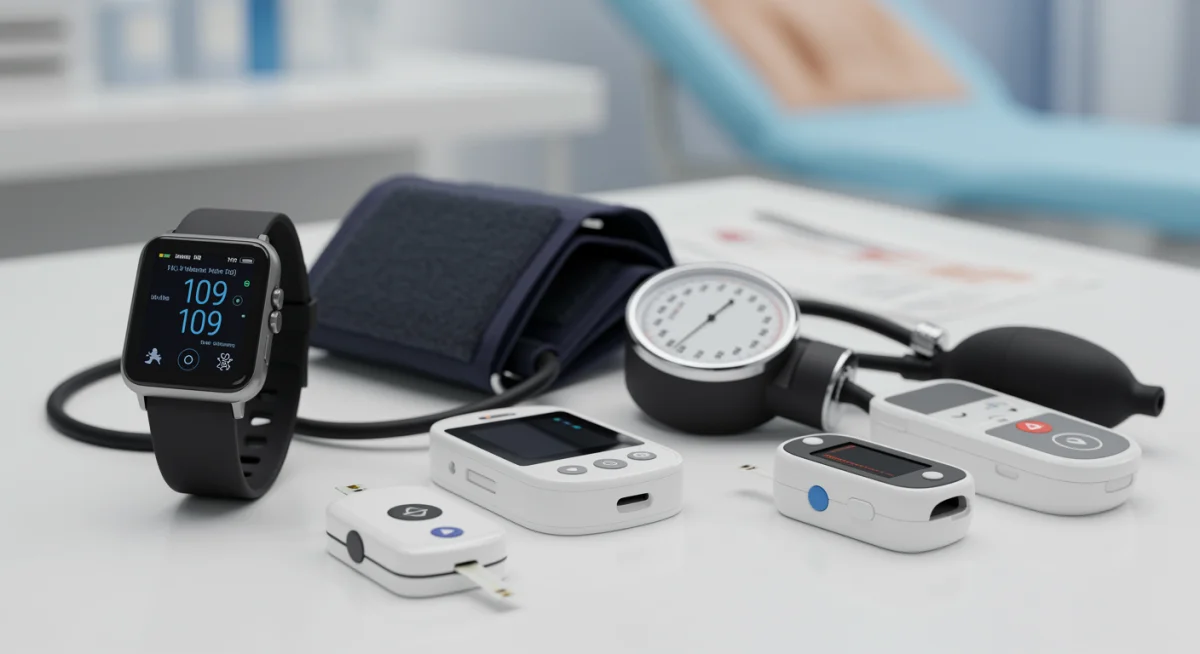
One of the key innovations driving this success is the miniaturization and increased accuracy of medical-grade sensors. Patients can now wear discreet devices, such as smart patches, specialized smartwatches, or compact biometric sensors, that seamlessly integrate into their daily lives without being intrusive. These devices are designed for ease of use, ensuring high patient adherence, which is critical for the effectiveness of any remote patient monitoring program. The data collected by these sensors is then securely transmitted to a central platform, often cloud-based, where it can be accessed by the patient’s care team.
Beyond data collection, the power of these new RPM systems lies in their analytical capabilities. Advanced algorithms, sometimes leveraging machine learning, analyze the incoming data for patterns and anomalies that could indicate a deteriorating condition. For instance, a gradual increase in a congestive heart failure patient’s weight combined with a slight drop in oxygen saturation might trigger an alert, prompting a nurse or doctor to intervene before the patient develops severe symptoms requiring hospitalization. This predictive capability is a game-changer, allowing for proactive care rather than reactive treatment.
Furthermore, remote patient monitoring platforms often include features for patient engagement and education. Through integrated apps, patients can receive personalized health tips, medication reminders, and educational content about their condition. They can also communicate directly with their care team via secure messaging or telehealth calls, fostering a sense of connection and support that is often lacking in traditional care models. This holistic approach, combining data collection, intelligent analysis, and patient empowerment, is what has enabled the impressive 20% reduction in hospital readmissions. It represents a fundamental shift towards a more patient-centric and technologically advanced healthcare delivery model.
The Q4 2025 US Trials: A Closer Look at the Data
The Q4 2025 US trials, which yielded the impressive 20% reduction in hospital readmissions, were meticulously designed to assess the efficacy of these new remote patient monitoring solutions across diverse patient populations and chronic conditions. These multi-center trials involved thousands of patients discharged from hospitals after treatment for various high-risk conditions, including cardiovascular diseases, respiratory illnesses, and diabetes complications. The patient cohorts were carefully selected to represent a broad spectrum of demographics, socio-economic backgrounds, and disease severities, ensuring the generalizability of the findings.
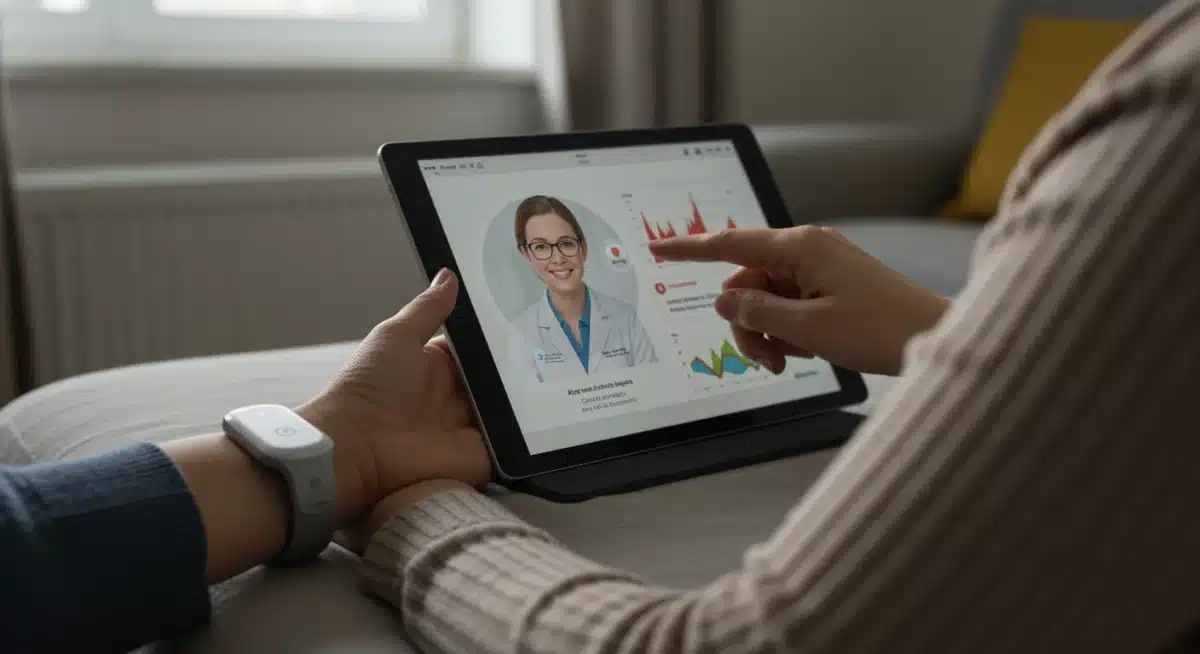
The trial methodology typically involved segmenting patients into two groups: a control group receiving standard post-discharge care and an intervention group equipped with the remote patient monitoring devices and connected to a dedicated RPM care team. Patients in the intervention group were provided with easy-to-use sensors and a central hub (often a tablet or smartphone app) for data transmission and communication. The care teams, comprising nurses, physicians, and health coaches, continuously monitored the incoming data, responded to alerts, and proactively engaged with patients based on their health trends.
The primary outcome measured was the 30-day hospital readmission rate, a standard metric for assessing post-discharge care quality. Secondary outcomes included emergency department visits, patient satisfaction scores, medication adherence rates, and overall quality of life. The results were compelling across the board. The intervention group consistently demonstrated significantly lower readmission rates compared to the control group, culminating in the reported 20% overall reduction. This wasn’t merely an average; many individual trial sites reported even higher reductions for specific conditions, such as a 25% drop for congestive heart failure patients and an 18% decrease for COPD patients.
Statistical analysis confirmed the robustness of these findings, with high statistical significance indicating that the observed reductions were not due to chance. Furthermore, qualitative data from patient surveys revealed high levels of satisfaction among those using RPM systems. Patients reported feeling more connected to their care team, more informed about their health, and more confident in managing their conditions at home. Healthcare providers, too, lauded the systems for providing actionable insights and enabling more timely and effective interventions. The Q4 2025 trials thus provide irrefutable evidence of the profound positive impact that well-implemented remote patient monitoring programs can have on patient outcomes and healthcare system efficiency.
Beyond Readmission Reduction: The Broader Benefits of RPM
While the 20% reduction in hospital readmissions is a monumental achievement, the benefits of remote patient monitoring systems extend far beyond this single metric. RPM is poised to revolutionize several aspects of healthcare, leading to a more efficient, patient-centric, and sustainable system. One of the most immediate additional benefits is the significant cost savings for healthcare providers and payers. By preventing readmissions and reducing emergency department visits, hospitals can free up beds, optimize staffing, and allocate resources more effectively. Insurance companies and government programs also benefit from lower claims related to preventable hospitalizations, contributing to overall healthcare cost containment.
For patients, the advantages are equally profound. Remote patient monitoring improves patient comfort and convenience by allowing them to recover and manage their conditions in the familiar and comfortable environment of their own homes. This reduces the stress and disruption associated with frequent hospital visits or extended stays. It also empowers patients with a greater sense of autonomy and control over their health journey. The continuous feedback and educational resources provided by RPM systems foster greater health literacy and self-management skills, which are crucial for managing chronic conditions effectively in the long term.
Healthcare providers also gain immense value. RPM provides them with a more comprehensive and continuous view of a patient’s health, moving beyond episodic snapshots gleaned during office visits. This wealth of real-time data allows for more informed clinical decision-making, personalized care plans, and the ability to intervene proactively at the earliest signs of trouble. It also helps to streamline workflows, as routine data collection can be automated, allowing nurses and doctors to focus on interpreting data and engaging with patients rather than manual data entry. The ability to monitor multiple patients simultaneously and receive alerts for those most at risk enhances efficiency and improves the allocation of clinical resources.
Furthermore, remote patient monitoring enhances health equity by extending quality care to individuals in rural or underserved areas who might otherwise face significant barriers to accessing specialized medical services. With RPM, geographical distance becomes less of an impediment, as patients can receive expert monitoring and advice regardless of their location. This democratization of healthcare access is a critical step towards addressing disparities and ensuring that high-quality care is available to all. The Q4 2025 trials, by demonstrating such a significant impact, have solidified RPM’s role not just as a cost-saving tool but as a fundamental component of future healthcare delivery.
Implementation Challenges and Future Outlook
Despite the overwhelming success demonstrated in the Q4 2025 US trials, the widespread implementation of remote patient monitoring systems is not without its challenges. One primary hurdle is the initial investment required for technology infrastructure, device procurement, and staff training. Healthcare organizations must carefully consider the return on investment, though the proven reduction in readmissions and associated costs makes a strong business case. Another significant challenge revolves around data security and patient privacy. Robust cybersecurity measures and strict adherence to regulations like HIPAA are paramount to protect sensitive health information and maintain patient trust.
Integration with existing electronic health record (EHR) systems is another critical factor. For RPM data to be truly useful, it must seamlessly flow into a patient’s comprehensive medical record, allowing all members of the care team to access and interpret it efficiently. This often requires significant IT development and interoperability standards. Patient adherence and digital literacy are also considerations; while modern RPM devices are designed to be user-friendly, some patients, particularly older adults or those unfamiliar with technology, may require additional support and education to maximize their engagement with the systems.
Looking to the future, the trajectory for remote patient monitoring innovation is incredibly promising. We can expect to see even more sophisticated sensors capable of monitoring a wider range of biomarkers and physiological parameters. The integration of artificial intelligence and machine learning will become even more advanced, moving beyond predictive analytics to prescriptive recommendations, guiding both patients and clinicians on optimal next steps. Personalized medicine will be greatly enhanced as RPM systems gather nuanced data unique to each individual, allowing for highly tailored interventions.
Furthermore, the regulatory landscape is likely to evolve to support and incentivize the adoption of RPM. As the evidence base for its effectiveness continues to grow, reimbursement policies will likely become more favorable, encouraging wider implementation. The ongoing shift towards value-based care models, which reward outcomes rather than volume, will further accelerate the integration of RPM as a key strategy for improving quality and efficiency. The 20% reduction in hospital readmissions observed in the Q4 2025 US trials is not just a triumph of technology; it is a clear indicator of the path forward for a healthier, more connected, and more sustainable healthcare system for generations to come. The era of proactive, preventative, and patient-centered care, powered by remote patient monitoring, is truly upon us.
The Economic Impact of Reduced Readmissions
The economic implications of a 20% reduction in hospital readmissions through remote patient monitoring are vast and far-reaching, impacting various stakeholders across the healthcare ecosystem. For hospitals, decreased readmission rates translate directly into significant cost savings. Readmissions are expensive, involving bed utilization, staffing, diagnostics, and treatment. By preventing these unnecessary hospital stays, facilities can reduce operational expenses, optimize resource allocation, and potentially avoid penalties imposed by programs like the HRRP. This financial relief can then be reinvested into other areas of patient care, technology upgrades, or staff development, ultimately enhancing the overall quality of services.
From the perspective of health insurance providers and government payers (such as Medicare and Medicaid), a reduction in readmissions means fewer claims for inpatient care. This can lead to substantial savings in healthcare expenditures, which can stabilize premiums, reduce taxpayer burden, and potentially free up funds for other public health initiatives. The long-term economic benefits extend to improved population health, as healthier individuals are often more productive and require less intensive medical care over their lifetime. This creates a positive feedback loop where investments in preventive and continuous care lead to a healthier workforce and reduced societal healthcare costs.
Patients themselves also experience economic benefits. Avoiding a hospital readmission saves them from potential out-of-pocket expenses, deductibles, and co-pays. Beyond direct medical costs, there are indirect economic benefits, such as avoiding lost wages due to illness or caregiving responsibilities, and minimizing the financial strain that often accompanies extended periods of ill health. The ability to manage conditions from home, facilitated by remote patient monitoring systems, allows patients to maintain their daily routines and employment more effectively.
Furthermore, the growth of the remote patient monitoring market itself generates economic activity. It drives innovation, creates jobs in technology development, manufacturing, and healthcare support services, and stimulates investment in digital health infrastructure. This burgeoning sector contributes to economic growth while simultaneously addressing critical healthcare challenges. The 20% reduction in readmissions is not just a clinical success; it’s a powerful economic driver that underscores the immense value proposition of integrating advanced technology into healthcare delivery.
Patient Empowerment and Engagement Through RPM
One of the most profound, yet often understated, benefits of remote patient monitoring is its capacity to empower patients and significantly boost their engagement in their own healthcare journey. Traditional healthcare models can sometimes leave patients feeling passive, as recipients of care rather than active participants. RPM, however, flips this dynamic by providing patients with direct access to their health data, personalized insights, and direct communication channels with their care teams.
When patients can see their blood pressure trends, glucose levels, or weight fluctuations in real-time, they gain a deeper understanding of how their lifestyle choices, medications, and daily activities impact their health. This immediate feedback loop is incredibly motivating. For example, a patient with hypertension might see how a salty meal affects their blood pressure readings, reinforcing the importance of dietary adherence. This transparency fosters a sense of ownership and accountability, moving patients from passive observance to active self-management.
Moreover, remote patient monitoring apps often include educational modules tailored to a patient’s specific condition. These resources help demystify complex medical information, clarify medication regimens, and provide practical advice on symptom management. This continuous learning environment transforms patients into informed partners in their care, capable of making better decisions and adhering more closely to their treatment plans. The ability to communicate securely with nurses or doctors through the RPM platform also reduces anxiety and provides a sense of security, knowing that help and advice are readily available.
The Q4 2025 trials highlighted increased patient satisfaction directly linked to this enhanced sense of empowerment. Patients reported feeling more confident, less isolated, and better equipped to manage their health at home, avoiding the stress and inconvenience of readmissions. This increased engagement is a critical factor in the sustained reduction of hospital readmissions and contributes significantly to improved long-term health outcomes. By putting tools and information directly into the hands of patients, remote patient monitoring systems are not just monitoring health; they are actively cultivating a more informed, engaged, and healthier patient population.
The Role of AI and Data Analytics in RPM
The remarkable 20% reduction in hospital readmissions achieved by new remote patient monitoring systems in the Q4 2025 US trials owes much of its success to the sophisticated integration of artificial intelligence (AI) and advanced data analytics. These technologies are not merely supplementary; they are foundational to the effectiveness of modern RPM platforms, transforming raw physiological data into actionable clinical intelligence.
At its core, AI in RPM involves machine learning algorithms that continuously process vast amounts of patient data. These algorithms are trained to identify subtle patterns, correlations, and deviations that might precede a health crisis. For instance, an AI model can learn a patient’s baseline vital signs and activity levels, and then flag even minor, consistent changes that a human observer might overlook. This early warning system allows healthcare providers to intervene proactively, often before symptoms become severe enough to warrant an emergency department visit or re-hospitalization.
Predictive analytics, a key component of AI, plays a crucial role. By analyzing historical data and real-time inputs, RPM systems can predict a patient’s risk of readmission or adverse events with increasing accuracy. This enables care teams to prioritize their attention to patients who are most vulnerable, optimizing resource utilization and ensuring that those who need help most receive it promptly. For example, an AI might identify a patient with a combination of slightly elevated blood pressure, decreased activity, and a reported increase in fatigue as being at high risk for a cardiac event, triggering an immediate outreach from their care team.
Furthermore, data analytics provides comprehensive insights into population health trends. By aggregating and analyzing data from thousands of remote patient monitoring users, healthcare organizations can identify common risk factors, assess the effectiveness of different care protocols, and refine their RPM strategies. This macro-level analysis informs policy decisions, resource allocation, and the development of more targeted interventions. The ability to glean such granular and holistic insights from continuous data streams is a paradigm shift, moving healthcare from a reactive, episodic model to a truly proactive and preventive one.
The continuous refinement of these AI and data analytics capabilities will undoubtedly lead to even greater reductions in readmissions and improvements in patient care in the future. As models become more sophisticated and datasets grow larger, the precision and efficacy of remote patient monitoring technology will only continue to expand, solidifying its role as an indispensable tool in modern medicine.
Integrating RPM into the Healthcare Continuum
The successful 20% reduction in hospital readmissions achieved through new remote patient monitoring systems in Q4 2025 US trials highlights the critical importance of seamlessly integrating RPM into the broader healthcare continuum. For RPM to reach its full potential, it must not operate as an isolated technology but as an integral part of a patient’s complete care journey, from initial diagnosis through post-discharge recovery and long-term chronic disease management.
Effective integration begins at the point of hospital discharge. Hospitals need clear protocols for identifying suitable patients for RPM, educating them and their families about the system, and ensuring a smooth transition to home monitoring. This requires collaboration between hospital discharge planners, nurses, and the RPM care team to ensure that devices are properly set up, patients understand how to use them, and their data begins flowing immediately upon leaving the facility.
Furthermore, remote patient monitoring data must be integrated with electronic health records (EHRs) and other clinical information systems. This interoperability ensures that all healthcare providers involved in a patient’s care – from their primary care physician to specialists – have access to the most up-to-date and comprehensive health information. Consolidated data prevents information silos, reduces the risk of medical errors, and facilitates coordinated care. When a primary care physician can review RPM data alongside lab results and medication history, they can make more informed decisions and provide more holistic care.
Beyond acute care and primary care, RPM can also be integrated into specialized care pathways for chronic disease management. For conditions like diabetes, heart failure, or hypertension, continuous remote patient monitoring for chronic diseases can provide ongoing support, enabling timely adjustments to medication, lifestyle recommendations, and early detection of complications. This proactive approach helps to prevent disease progression, improve quality of life, and further reduce the likelihood of future hospitalizations.
The future of healthcare envisions a truly connected ecosystem where RPM acts as a bridge between various care settings, ensuring continuous oversight and personalized support. The success of the Q4 2025 trials serves as a powerful testament to the fact that when thoughtfully integrated, remote patient monitoring transforms episodic care into a continuous, proactive, and patient-centered experience, yielding tangible and significant benefits for all involved.
Conclusion: A New Horizon for Patient Care
The recent study revealing a 20% reduction in hospital readmissions with new remote patient monitoring systems in Q4 2025 US trials marks a pivotal moment in healthcare. This achievement is not merely a statistical victory; it represents a profound shift in how we approach patient care, moving towards a model that is more proactive, preventive, and patient-centric. The implications of this success are far-reaching, promising to alleviate the immense burden of readmissions on healthcare systems, improve patient quality of life, and drive significant economic efficiencies.
Through the strategic deployment of advanced sensors, intelligent data analytics, and robust communication platforms, RPM empowers patients to take a more active role in managing their health while providing care teams with the real-time insights needed to intervene effectively and prevent crises. This synergy fosters a continuous care environment, bridging the critical gap between hospital discharge and long-term recovery, and ensuring that patients receive the right care at the right time in the most comfortable setting possible.
While challenges related to initial investment, data security, and integration with existing systems remain, the overwhelming evidence from these trials provides a clear mandate for the broader adoption of remote patient monitoring. The future of healthcare is undeniably digital, connected, and driven by data, and RPM stands at the forefront of this transformation. As these technologies continue to evolve and become more accessible, we can anticipate even greater improvements in patient outcomes, further reductions in healthcare costs, and a fundamental reshaping of the patient experience.
The 20% reduction in readmissions is a powerful testament to the potential of innovation in medicine. It signals a new horizon where technology and compassionate care converge to create a healthier future for everyone, solidifying remote patient monitoring as an indispensable cornerstone of modern healthcare delivery.