Personalized Medicine: MedTech’s Future by 2026
Personalized Medicine: An Educational Overview of its Impact on MedTech Development by 2026
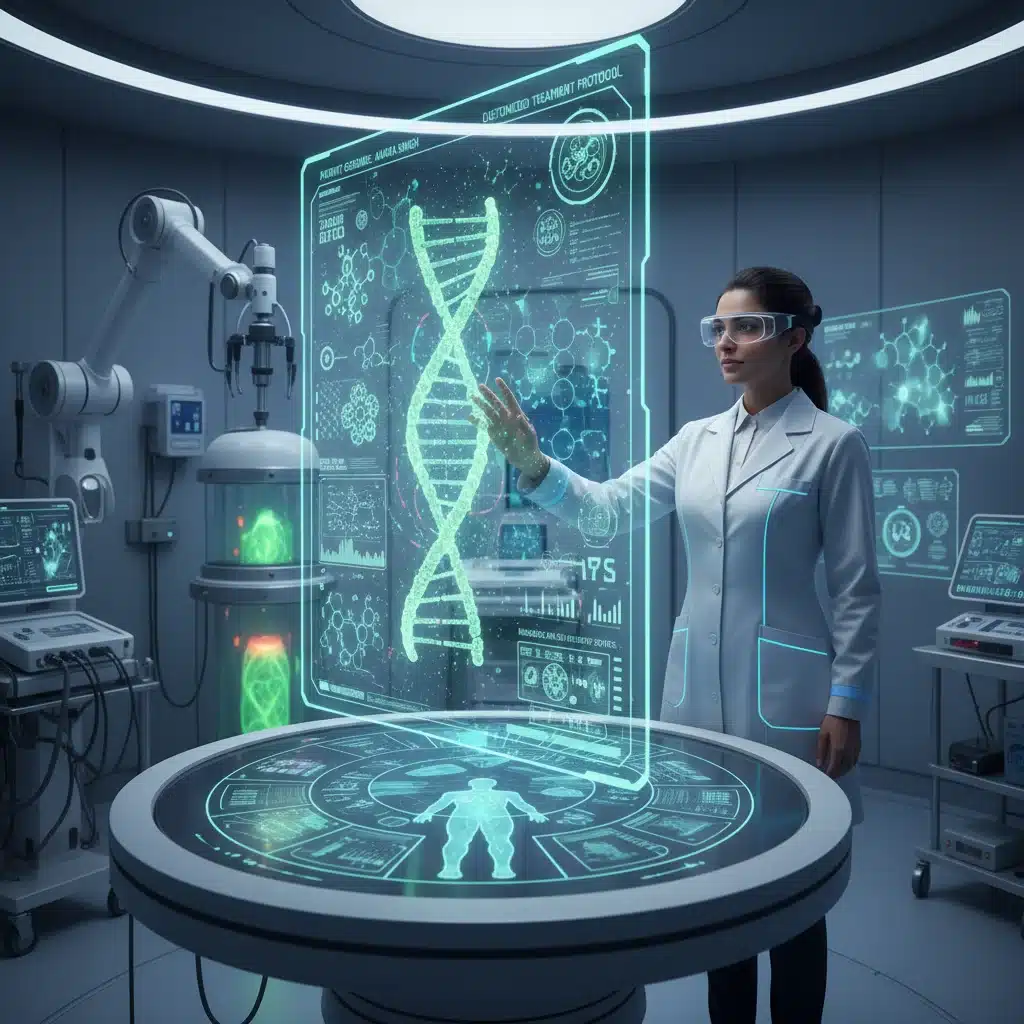
The landscape of healthcare is undergoing a profound transformation, driven by an increasing understanding of individual biological variations and technological advancements. At the forefront of this revolution is Personalized Medicine MedTech, a paradigm shift that promises to tailor medical treatments and interventions to the unique characteristics of each patient. This isn’t just about prescribing the right drug; it’s about optimizing prevention, diagnosis, treatment, and monitoring based on an individual’s genetic makeup, lifestyle, and environment. By 2026, the impact of personalized medicine on MedTech development is projected to be nothing short of revolutionary, shaping how medical devices are conceived, designed, and deployed.
The traditional ‘one-size-fits-all’ approach to medicine is rapidly becoming obsolete. Instead, we are entering an era where precision and personalization are paramount. This article aims to provide an educational overview of this critical shift, exploring the key drivers, technological innovations, challenges, and future outlook of Personalized Medicine MedTech by 2026.
Understanding Personalized Medicine: The Core Concept
At its heart, personalized medicine, often referred to as precision medicine, is an approach to patient care that allows doctors to predict more accurately which treatment and prevention strategies will work in particular groups of people. This approach considers individual variability in genes, environment, and lifestyle for each person. The goal is to deliver the right treatment to the right patient at the right time, minimizing adverse effects and maximizing efficacy. The implications for MedTech are vast, as devices must evolve to capture, process, and act upon this granular, individualized data.
The foundation of personalized medicine rests on several pillars:
- Genomics and Proteomics: Understanding an individual’s genetic code and protein expression patterns provides crucial insights into disease susceptibility, progression, and response to therapies.
- Biomarkers: Identifying specific biological indicators that can help diagnose diseases earlier, predict treatment response, and monitor disease activity.
- Advanced Diagnostics: Developing highly sensitive and specific diagnostic tools that can detect disease at its earliest stages or identify unique patient characteristics.
- Digital Health Technologies: Leveraging wearables, mobile health apps, and connected devices to collect real-time patient data, enabling continuous monitoring and personalized interventions.
- Data Analytics and Artificial Intelligence (AI): Processing vast amounts of patient data to identify patterns, predict outcomes, and inform clinical decisions.
These pillars are not independent but rather interconnected, forming a complex ecosystem that fuels the evolution of Personalized Medicine MedTech. The synergy between these elements is what will truly unlock the potential of personalized healthcare.
The Evolution of MedTech in a Personalized Era
The traditional MedTech industry, focused on developing devices for a broad patient population, is now rapidly adapting to the demands of personalized medicine. This adaptation involves a shift towards devices that are:
- Patient-Centric: Designed with the individual patient’s needs, preferences, and physiological characteristics in mind.
- Data-Driven: Capable of collecting, analyzing, and integrating diverse datasets, from genomic information to real-time physiological metrics.
- Adaptive and Smart: Able to adjust their functionality or treatment delivery based on continuous monitoring and AI-driven insights.
- Interoperable: Seamlessly integrating with other medical devices, electronic health records (EHRs), and digital health platforms.
By 2026, we expect to see an explosion in the development of such devices across various medical specialties. From personalized drug delivery systems to AI-powered diagnostic tools, the influence of Personalized Medicine MedTech will be ubiquitous.
Genomics and Diagnostics: The Bedrock of Personalized MedTech
Genomic sequencing technologies have become faster and more affordable, making genomic data an increasingly integral part of patient care. MedTech companies are capitalizing on this by developing advanced diagnostic tools that can:
- Identify Genetic Predispositions: Devices that can screen for genetic mutations linked to specific diseases, allowing for early intervention or preventative strategies.
- Pharmacogenomic Testing: Tools that predict a patient’s response to certain medications based on their genetic profile, optimizing drug selection and dosage. This is crucial in fields like oncology and psychiatry, where drug efficacy can vary significantly among individuals.
- Liquid Biopsies: Non-invasive diagnostic devices that detect cancer or other diseases from a simple blood sample, analyzing circulating tumor DNA or other biomarkers. This offers a less invasive and more frequent monitoring option for patients.
- Point-of-Care (POC) Diagnostics: Miniaturized and portable diagnostic devices that can provide rapid, accurate results at the patient’s bedside or in remote settings, facilitating quicker personalized treatment decisions.
The integration of these diagnostic capabilities into everyday medical practice will redefine how diseases are detected and managed, making personalized treatment pathways a reality. The focus on early detection and precise characterization of disease will be a hallmark of Personalized Medicine MedTech.
Therapeutic Devices and Personalized Interventions
Beyond diagnostics, personalized medicine is driving innovation in therapeutic MedTech, leading to more targeted and effective treatments.
- Personalized Drug Delivery Systems: Devices such as smart inhalers, insulin pumps, and transdermal patches are becoming increasingly sophisticated. They can deliver precise doses of medication based on real-time physiological data, patient activity, or even genomic information. For instance, an insulin pump might adjust delivery based on continuous glucose monitoring and a patient’s predicted metabolic response.
- Implantable Devices with Adaptive Capabilities: Pacemakers, neurostimulators, and other implantable devices are being designed with AI algorithms that can learn from a patient’s unique physiological patterns and adjust therapies accordingly. This could mean a neurostimulator adapting its electrical impulses to manage chronic pain more effectively based on the patient’s daily activity and reported pain levels.
- 3D-Printed Medical Devices: Customized implants, prosthetics, and surgical guides are being 3D-printed to perfectly match a patient’s anatomy. This ensures better fit, functionality, and reduced recovery times. The ability to create patient-specific devices on demand is a significant leap forward in Personalized Medicine MedTech.
- Wearable and Remote Monitoring Devices: These devices collect continuous data on vital signs, activity levels, sleep patterns, and more. When combined with AI, this data can provide personalized insights into health trends, predict potential health issues, and enable timely interventions. For example, a wearable might detect early signs of cardiac arrhythmia, prompting immediate medical consultation.
The convergence of these technologies allows for a dynamic and responsive approach to treatment, moving away from static prescriptions to adaptive, real-time interventions that are truly personalized.
The Role of Artificial Intelligence and Data Analytics
The sheer volume and complexity of data generated by personalized medicine – from genomic sequences to continuous physiological monitoring – necessitate the use of advanced computational tools. Artificial Intelligence (AI) and machine learning (ML) are indispensable for making sense of this data and translating it into actionable clinical insights.
- Predictive Analytics: AI models can analyze vast datasets to predict disease risk, treatment response, and disease progression for individual patients. This allows healthcare providers to proactively manage patient health rather than reactively treat illness.
- Drug Discovery and Repurposing: AI algorithms can accelerate the identification of new drug targets and even find new uses for existing drugs, tailored to specific genetic profiles. This speeds up the development of personalized therapies.
- Clinical Decision Support Systems (CDSS): AI-powered CDSS can assist clinicians in making personalized treatment decisions by integrating patient data (genomic, clinical, lifestyle) with the latest medical research and guidelines. This ensures that treatment plans are evidence-based and individualized.
- Image Analysis: AI excels at analyzing medical images (X-rays, MRIs, CT scans) to detect subtle abnormalities that might be missed by the human eye, leading to earlier and more precise diagnoses.
By 2026, AI will be deeply embedded in almost every aspect of Personalized Medicine MedTech, acting as the intelligent backbone that transforms raw data into personalized care strategies. The ability of AI to learn and adapt will make healthcare systems more efficient and effective.
Challenges and Ethical Considerations in Personalized MedTech
While the promise of personalized medicine is immense, its widespread adoption and the development of corresponding MedTech devices face several significant challenges:
- Data Privacy and Security: Handling highly sensitive personal health and genomic data requires robust cybersecurity measures and strict adherence to privacy regulations (e.g., GDPR, HIPAA). Breaches could have severe consequences for individuals and erode trust in the system.
- Interoperability and Data Standards: For personalized medicine to work effectively, data from various sources (EHRs, wearables, diagnostic devices) must be seamlessly integrated and shareable. Lack of standardized data formats and interoperability remains a major hurdle.
- Regulatory Landscape: The rapid pace of innovation in Personalized Medicine MedTech often outstrips the ability of regulatory bodies to establish clear guidelines for approval, reimbursement, and ethical use. This can slow down market access for groundbreaking technologies.
- Cost and Accessibility: Personalized treatments and devices can be expensive, potentially exacerbating healthcare disparities. Ensuring equitable access to these advanced therapies will be a critical challenge.
- Ethical Dilemmas: Issues such as genetic discrimination, the responsible use of genetic information, and the potential for ‘designer babies’ raise complex ethical questions that need careful consideration and public discourse.
- Clinical Integration and Physician Training: Healthcare professionals need comprehensive training to interpret complex genomic data, utilize AI-powered tools, and effectively integrate personalized medicine principles into their practice.
Addressing these challenges will require collaborative efforts from MedTech companies, healthcare providers, regulatory agencies, policymakers, and patients themselves. The successful integration of Personalized Medicine MedTech hinges on overcoming these obstacles thoughtfully and ethically.

The Future Outlook: Personalized MedTech by 2026
Looking ahead to 2026, several trends will define the evolution of Personalized Medicine MedTech:
- Increased Adoption of Digital Biomarkers: Beyond traditional biomarkers, digital biomarkers derived from wearables and continuous monitoring will play a crucial role in assessing individual health status and treatment response.
- Democratization of Genomic Data: As sequencing costs continue to fall, genomic information will become a standard component of patient records, driving the demand for MedTech devices that can interpret and utilize this data.
- Hyper-Personalized Preventative Care: MedTech will increasingly focus on preventing disease rather than just treating it. Devices will offer highly personalized risk assessments and preventative strategies based on an individual’s complete health profile.
- Closed-Loop Systems: Expect to see more ‘closed-loop’ MedTech systems where diagnostic and therapeutic devices communicate and adjust treatments autonomously, minimizing human intervention and maximizing precision. Examples include advanced artificial pancreases or automated drug delivery for chronic conditions.
- Patient Engagement and Empowerment: Patients will become more active participants in their healthcare journey, empowered by personalized data and user-friendly MedTech devices that provide actionable health insights.
- Convergence of Biotech and MedTech: The lines between biotechnology and medical technology will blur further, leading to innovative solutions like bio-integrated sensors and gene-editing delivery systems.
- Global Collaboration: International efforts will be crucial in establishing universal standards, sharing best practices, and ensuring equitable access to personalized medicine technologies worldwide.
The journey towards fully personalized healthcare is complex, but the trajectory is clear. By 2026, Personalized Medicine MedTech will have moved from a niche concept to a mainstream reality, fundamentally reshaping how we approach health and disease.
Conclusion: A New Era of Healthcare with Personalized MedTech
The advent of personalized medicine represents one of the most exciting and transformative developments in healthcare history. Its profound impact on MedTech development by 2026 will be characterized by an explosion of innovative devices that are intelligent, adaptive, and deeply integrated into the individual patient’s life. From advanced genomic diagnostics to AI-powered therapeutic interventions, the future of medicine is undeniably personal.
While challenges related to data privacy, regulation, and accessibility remain, the relentless pace of technological advancement, coupled with a growing understanding of human biology, ensures that Personalized Medicine MedTech will continue to evolve rapidly. As we move closer to 2026, the focus will increasingly be on creating a healthcare ecosystem where every individual receives care that is precisely tailored to their unique needs, leading to more effective treatments, better health outcomes, and a truly patient-centric approach to well-being. The vision of a future where medicine is as unique as each patient is not just a dream, but a rapidly approaching reality, powered by the incredible innovations in medical technology.