U.S. State MedTech Regulations: Q3 2025 Outlook
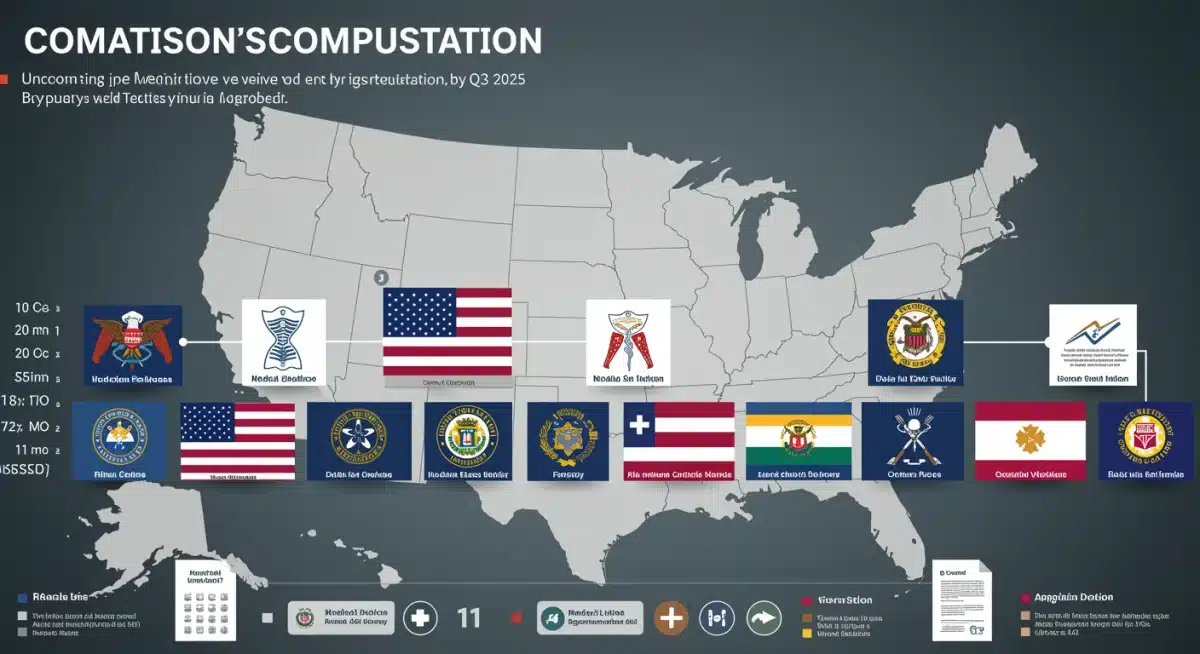
The evolving landscape of U.S. state-level MedTech regulations by Q3 2025 demands vigilant monitoring and proactive compliance strategies from all stakeholders in the medical technology sector.
The medical technology landscape is in constant flux, driven by innovation and, inevitably, by evolving regulatory frameworks. Understanding the U.S. MedTech Regulations 2025 is not merely a compliance exercise; it’s a strategic imperative for manufacturers, developers, and healthcare providers alike.
Understanding the Regulatory Shift in MedTech
The U.S. MedTech sector is bracing for significant changes in state-level regulations by Q3 2025. These shifts are driven by a variety of factors, including technological advancements, patient safety concerns, and a desire for greater transparency in healthcare. Unlike federal regulations, which provide a baseline, state-level rules often introduce nuanced requirements that can vary dramatically from one jurisdiction to another, creating a complex patchwork for businesses to navigate.
These upcoming regulations are not isolated incidents but rather part of a broader trend towards more localized control over healthcare provisions and medical device oversight. States are increasingly asserting their authority to address specific local needs and concerns, which sometimes go beyond the scope of federal guidelines. This localized approach means that a device compliant in one state might face additional hurdles in another, necessitating a granular understanding of each state’s legal framework.
Key Drivers of State-Level Regulatory Changes
Several underlying factors are influencing the current wave of state-level MedTech regulatory changes. These drivers reflect both national trends and localized priorities.
- Patient Data Privacy: States are implementing stricter data privacy laws, often inspired by frameworks like the California Consumer Privacy Act (CCPA), impacting how MedTech devices collect, store, and transmit patient information.
- Cybersecurity Standards: With the increasing connectivity of medical devices, states are mandating enhanced cybersecurity measures to protect against breaches and ensure device integrity.
- Supply Chain Transparency: New regulations aim to improve visibility into the MedTech supply chain, addressing concerns about counterfeit devices and ensuring product quality and origin.
- Equity and Access: Some states are introducing regulations designed to improve access to medical technologies for underserved populations, which might include specific requirements for device design or distribution.
The implications of these regulatory shifts are far-reaching. Companies must not only adapt their product development and manufacturing processes but also re-evaluate their market entry strategies and ongoing compliance protocols. Early engagement with these regulations is crucial to avoid costly delays and potential penalties.
California’s Pioneering Regulatory Landscape
California consistently stands at the forefront of regulatory innovation, and the MedTech sector is no exception. By Q3 2025, the state is expected to introduce several new mandates that will likely influence other states, setting a high bar for compliance. These regulations often focus on consumer protection, data privacy, and environmental sustainability, reflecting California’s progressive policy agenda.
One primary area of focus for California is enhanced data security for medical devices. Given the sensitive nature of health data, the state is pushing for stricter encryption standards, more robust breach notification protocols, and clearer consent mechanisms for data collection. This means MedTech companies operating in California will need to invest significantly in their data governance frameworks to meet these evolving demands.
Anticipated California MedTech Mandates
Several key areas are expected to see significant regulatory development in California:
- Expanded Data Privacy: Building on CCPA, new legislation may extend privacy rights specifically to health-related data collected by medical devices, requiring more granular control for users over their information.
- Device Interoperability Standards: Efforts to improve healthcare system efficiency are leading to regulations promoting interoperability, ensuring medical devices can seamlessly share data with electronic health records (EHRs) and other systems.
- Environmental Impact Reporting: California’s commitment to sustainability may translate into new requirements for MedTech manufacturers to report on the environmental footprint of their devices, from production to disposal.
These regulations are not just about compliance; they are about shaping the future of MedTech innovation. Companies that can proactively adapt to California’s stringent requirements will not only gain a competitive advantage but also contribute to a more secure and ethical healthcare ecosystem. The state’s influence often extends beyond its borders, making these developments a bellwether for national trends.
New York’s Focus on Healthcare Access and Equity
New York is renowned for its diverse population and complex healthcare system. The state’s upcoming MedTech regulations by Q3 2025 are largely centered around improving healthcare access, ensuring equitable distribution of medical technologies, and enhancing patient safety, particularly for vulnerable populations. This often translates into policies that encourage innovation while simultaneously ensuring affordability and widespread availability.
A significant aspect of New York’s regulatory approach involves scrutinizing the marketing and distribution of medical devices to prevent predatory practices and ensure that essential technologies reach all communities, regardless of socio-economic status. This could include requirements for companies to demonstrate how their products will benefit underserved areas or to offer pricing structures that support broader access.
Key Regulatory Themes in New York
New York’s regulatory efforts are characterized by a strong emphasis on public health and consumer protection:
- Telehealth Device Integration: With the rise of telehealth, New York is expected to introduce regulations specifically addressing the safety, efficacy, and data privacy of medical devices used in remote care settings.
- Device Accessibility Standards: New mandates may require MedTech devices to meet certain accessibility standards, ensuring they are usable by individuals with disabilities, aligning with broader state initiatives.
- Ethical AI in Diagnostics: As artificial intelligence becomes more prevalent in diagnostic devices, New York is exploring regulations to ensure AI algorithms are unbiased, transparent, and do not perpetuate health disparities.
The regulatory environment in New York reflects a commitment to leveraging technology for public good, but with a keen eye on potential pitfalls. MedTech companies looking to thrive in this market must demonstrate not only technological prowess but also a strong ethical compass and a clear strategy for contributing to equitable healthcare outcomes. Collaboration with state health agencies will be vital for successful navigation.
Texas and the Emphasis on Innovation and Economic Growth
Texas, a state known for its business-friendly environment and rapidly growing technology sector, approaches MedTech regulation with a dual focus: fostering innovation and ensuring public safety without stifling economic growth. By Q3 2025, Texas is expected to refine its regulatory framework to attract more MedTech companies, streamline approval processes, and promote research and development within the state. This often involves creating incentives for businesses while maintaining essential oversight.
The state aims to strike a balance between robust regulation and a supportive ecosystem for emerging medical technologies. This might include initiatives to expedite the review of novel devices or to establish regulatory sandboxes where companies can test new products under supervised conditions. The goal is to position Texas as a hub for MedTech innovation, drawing in investment and talent.

Texas also places a strong emphasis on practical, outcome-based regulation. Instead of prescriptive rules, the state often prefers regulations that focus on ensuring devices meet performance and safety benchmarks, allowing companies more flexibility in how they achieve those standards. This approach is designed to encourage creative solutions and rapid deployment of beneficial technologies.
Anticipated Texas MedTech Regulatory Adjustments
The forthcoming regulations in Texas are likely to reflect its pro-business and innovation-driven philosophy:
- Streamlined Approval Pathways: Efforts to reduce bureaucratic hurdles for innovative MedTech devices, potentially through fast-track review programs for technologies deemed critical for public health.
- Investment in R&D Infrastructure: Regulations and state programs designed to support MedTech research and development, including tax incentives for companies investing in local innovation centers.
- Cybersecurity for Critical Infrastructure: While promoting innovation, Texas will also reinforce cybersecurity requirements, particularly for medical devices integrated into critical healthcare infrastructure, aligning with its broader energy and tech security concerns.
For MedTech companies, Texas presents an opportunity to innovate and grow within a supportive regulatory environment. However, this support comes with the expectation of high standards in product safety and efficacy. Understanding the state’s strategic priorities will be key to successful market penetration and long-term success.
Emerging Trends and Cross-State Harmonization Efforts
While U.S. state-level MedTech regulations are largely fragmented, there are ongoing discussions and nascent efforts towards cross-state harmonization. The sheer complexity of navigating 50 different sets of rules is pushing industry stakeholders and some policymakers to explore ways to standardize certain aspects of MedTech oversight. However, achieving full harmonization remains a significant challenge due to differing state priorities and legal structures.
One emerging trend is the development of interstate compacts or model legislation that states can voluntarily adopt. These initiatives often focus on areas where consistent regulation would provide clear benefits, such as data privacy standards or cybersecurity protocols for networked medical devices. The goal is to reduce the compliance burden for companies while maintaining robust patient protections.
Challenges and Opportunities in Harmonization
Harmonization efforts face inherent difficulties but also present substantial upsides:
- Legislative Divergence: States have unique legislative processes and priorities, making it difficult to align on common regulatory language and enforcement mechanisms.
- Industry Advocacy: MedTech industry associations are actively advocating for greater uniformity, highlighting how fragmented regulations hinder innovation and increase costs.
- Federal Influence: While states maintain autonomy, federal agencies like the FDA often set a de facto standard that many states consider when drafting their own regulations, creating a subtle form of harmonization.
Despite the challenges, the pressure for some level of harmonization is likely to grow as the MedTech industry becomes more interconnected. Companies that can actively participate in these discussions and help shape future model legislation will be well-positioned to influence a more streamlined regulatory future. Monitoring these cross-state initiatives is as important as tracking individual state mandates.
Preparing for the Post-Q3 2025 MedTech Regulatory Landscape
The period leading up to and beyond Q3 2025 demands a proactive and adaptive approach from MedTech companies. Simply reacting to new regulations as they emerge will likely prove insufficient and costly. Instead, a strategic framework for regulatory preparedness is essential, encompassing everything from product design to market access and post-market surveillance. This preparation needs to be integrated into the core business strategy.
Companies should begin by conducting a comprehensive audit of their current compliance posture against anticipated state-level changes. This involves identifying potential gaps, assessing the impact on existing products and pipelines, and forecasting the resources needed to achieve compliance. Engaging legal and regulatory experts early in this process can provide invaluable insights and prevent future missteps.
Essential Steps for Regulatory Readiness
To navigate the evolving MedTech regulatory landscape effectively, consider these critical steps:
- Regulatory Intelligence Monitoring: Implement robust systems to continuously monitor legislative developments in key states, subscribing to regulatory alerts and engaging with industry groups.
- Cross-Functional Compliance Teams: Establish dedicated internal teams comprising legal, R&D, quality assurance, and marketing personnel to address regulatory challenges holistically.
- Technology Adaptation: Evaluate and upgrade internal systems and technologies to meet new data privacy, cybersecurity, and interoperability requirements.
- Stakeholder Engagement: Foster open communication with state regulatory bodies, patient advocacy groups, and healthcare providers to understand their concerns and contribute to policy discussions.
Ultimately, successful navigation of the post-Q3 2025 regulatory environment hinges on foresight, flexibility, and a commitment to continuous improvement. Companies that view compliance not as a burden but as an integral part of responsible innovation will be those best equipped to thrive in this dynamic sector.
| Key Regulatory Area | Anticipated Impact by Q3 2025 |
|---|---|
| Data Privacy & Cybersecurity | Stricter state-specific requirements for patient data handling and device security. |
| Access & Equity | New mandates in states like New York to ensure equitable distribution and usability. |
| Innovation & Growth | States like Texas may streamline processes and offer incentives for MedTech R&D. |
| Harmonization Efforts | Early discussions and model legislation aiming for cross-state consistency, though full alignment remains distant. |
Frequently Asked Questions About MedTech Regulations
Primary drivers include rapid technological advancements, growing concerns over patient data privacy and cybersecurity, and state initiatives to enhance healthcare access and equity. These factors collectively push states to update and refine their regulatory frameworks to address emerging challenges and opportunities in the medical technology sector.
California often leads with more stringent regulations, especially concerning data privacy (building on CCPA), device interoperability, and environmental impact reporting. Its mandates typically set a high bar and often influence other states, making compliance in California a bellwether for future national trends in MedTech.
New York’s regulations largely prioritize healthcare access, equity, and patient safety for diverse populations. This includes scrutiny of telehealth device integration, accessibility standards for devices, and ethical considerations for AI in diagnostics, aiming to ensure technology benefits all communities fairly.
While full harmonization is challenging due to differing state priorities, there are emerging discussions and efforts towards interstate compacts or model legislation. These initiatives aim to standardize certain aspects like data privacy and cybersecurity to reduce the compliance burden for companies and promote consistency.
Companies should conduct comprehensive compliance audits, implement robust regulatory intelligence monitoring systems, establish cross-functional compliance teams, adapt their technologies to new requirements, and actively engage with state regulatory bodies. Proactive preparation is crucial for navigating the evolving landscape effectively and avoiding costly delays.
Conclusion
The evolving tapestry of U.S. state-level MedTech regulations by Q3 2025 presents both challenges and opportunities for the medical technology industry. From California’s pioneering data privacy mandates to New York’s focus on equitable access and Texas’s emphasis on innovation, each state is carving out its unique regulatory path. Navigating this complex environment demands a proactive, informed, and agile approach. Companies that prioritize continuous regulatory intelligence, invest in adaptable compliance frameworks, and engage constructively with policymakers will be best positioned not only to meet these new requirements but also to thrive and innovate responsibly within the dynamic MedTech sector.