Project Management in MedTech R&D: 2026 Educational Framework
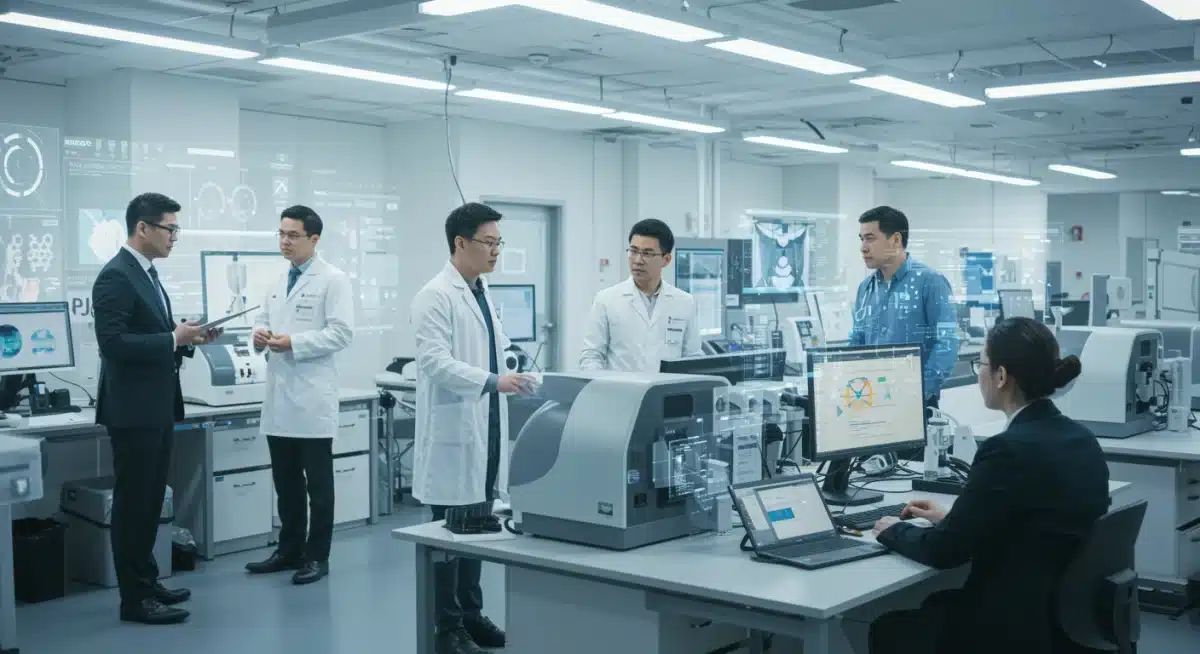
The 2026 educational framework for Project Management in MedTech R&D is crucial for cultivating leaders capable of navigating complex regulatory landscapes, fostering innovation, and successfully bringing life-changing medical technologies to market.
In the rapidly evolving landscape of medical technology, effective project management is not just an advantage; it’s a necessity. The field of Project Management in MedTech R&D: A 2026 Educational Framework for Innovation demands a unique blend of scientific understanding, regulatory acumen, and strategic foresight. This article delves into the critical components of a robust educational framework designed to prepare project managers for the challenges and opportunities of tomorrow’s MedTech sector.
Understanding the MedTech R&D Landscape in 2026
The MedTech R&D environment in 2026 is characterized by unprecedented technological advancements, increasingly stringent regulatory requirements, and a globalized market. Project managers in this sector must possess a comprehensive understanding of these dynamics to steer projects from conception to commercialization successfully. This understanding forms the bedrock of any effective educational framework.
Navigating this intricate landscape requires more than traditional project management skills. It demands a forward-thinking approach that anticipates future trends and challenges. The pace of innovation means that what is cutting-edge today could be obsolete tomorrow, underscoring the need for continuous learning and adaptability.
Key Trends Shaping MedTech R&D
Several significant trends are profoundly impacting MedTech R&D, necessitating specialized knowledge and skills for project managers.
- Digital Health Integration: The convergence of medical devices with digital platforms, AI, and big data analytics is transforming patient care and requiring new competencies in data security and software validation.
- Personalized Medicine: Tailoring treatments to individual patient characteristics is gaining traction, pushing R&D towards more complex, customized device development and clinical trials.
- Accelerated Development Cycles: Market pressures and technological capabilities are driving shorter development timelines, demanding agile project management methodologies.
- Global Regulatory Harmonization Efforts: While still complex, there’s a growing push for global consistency in regulatory standards, which impacts market entry strategies and clinical trial design.
Understanding these trends is not merely academic; it’s practical. Project managers must be equipped to integrate these considerations into every phase of their projects, from initial planning to post-market surveillance. A robust educational framework provides the tools to interpret these trends and translate them into actionable project strategies.
Core Competencies for MedTech Project Managers
Effective project management in MedTech R&D hinges on a specific set of core competencies that extend beyond generic project management principles. These competencies ensure that projects are not only delivered on time and within budget but also meet rigorous quality and safety standards.
Developing these skills requires a targeted educational approach that combines theoretical knowledge with practical application. The framework must cultivate professionals who are adept at both strategic thinking and operational execution, capable of leading diverse teams in a highly regulated environment.
Specialized Knowledge Areas
- Regulatory Affairs and Compliance: Understanding FDA regulations (e.g., 21 CFR Part 820, ISO 13485), EU MDR/IVDR, and other international standards is paramount. This includes knowledge of submission processes, clinical evidence requirements, and post-market surveillance.
- Clinical Trial Management: Expertise in designing, executing, and overseeing clinical studies for medical devices, including patient recruitment, data management, and ethical considerations.
- Quality Management Systems (QMS): Proficiency in implementing and maintaining QMS to ensure product quality, safety, and compliance throughout the product lifecycle.
- Intellectual Property Management: Awareness of patent law, trade secrets, and strategies for protecting proprietary technologies in a competitive landscape.
These specialized knowledge areas are interconnected. A deficiency in one can significantly impact the success of a MedTech project. The educational framework must therefore provide an integrated curriculum that highlights these interdependencies, preparing managers for real-world scenarios.
Navigating Regulatory and Compliance Challenges
The regulatory landscape for medical devices is arguably one of the most complex and dynamic across industries. For MedTech R&D project managers, navigating these challenges is not an ancillary task but a central pillar of their role. A 2026 educational framework must place a significant emphasis on this area.
Compliance is not a one-time event; it’s a continuous process that begins at the earliest stages of product conceptualization and extends throughout the device’s entire lifecycle. Project managers must be adept at integrating regulatory strategies into their project plans from day one.
Key Regulatory Milestones and Strategies
Understanding the critical regulatory milestones and how to strategically approach them is vital for project success and market access.
- Early Regulatory Strategy Development: Integrating regulatory considerations into the R&D plan from the outset, including classification, predicate device identification, and pre-submission meetings with regulatory bodies.
- Clinical Evidence Generation: Developing robust clinical study protocols to generate the necessary safety and performance data for regulatory submissions, balancing scientific rigor with practical timelines.
- Documentation and Quality Systems: Meticulous documentation practices and the establishment of a compliant Quality Management System (QMS) are non-negotiable for successful regulatory audits and approvals.
- Post-Market Surveillance: Understanding and implementing post-market surveillance plans, including adverse event reporting and ongoing risk management, to ensure continued compliance and patient safety.
The educational framework must provide practical case studies and simulations that allow aspiring project managers to apply regulatory knowledge in realistic scenarios. This hands-on experience is invaluable for developing the critical thinking skills needed to navigate unforeseen regulatory hurdles.
Innovation and Technology Integration in Projects
Innovation is the lifeblood of the MedTech industry. Project managers in R&D are not merely overseeing tasks; they are facilitating the creation of groundbreaking solutions that improve patient outcomes. The 2026 educational framework must therefore foster a culture of innovation and equip managers with the skills to integrate cutting-edge technologies effectively into their projects.
This involves more than just understanding new technologies; it requires the ability to assess their potential, manage the associated risks, and strategically deploy them within a regulated development process. Innovation management is a distinct skill set that complements traditional project management.
Driving Innovation Through Project Management
Project managers play a pivotal role in fostering and managing innovation within their teams and projects.
- Fostering Cross-Functional Collaboration: Creating environments where engineers, clinicians, scientists, and regulatory experts can collaborate effectively to generate novel ideas and solve complex problems.
- Adopting Agile and Lean Methodologies: Implementing agile project management practices to enable iterative development, rapid prototyping, and quick adaptation to new insights or market feedback.
- Leveraging Digital Tools and AI: Utilizing advanced simulation tools, AI-driven data analysis, and digital platforms to accelerate design, testing, and optimization processes.
- Intellectual Property Strategy: Proactively identifying and protecting intellectual property throughout the development cycle to secure competitive advantage and encourage further innovation.
The educational framework should include modules on design thinking, creative problem-solving, and technology forecasting. Equipping project managers with these tools enables them to not only manage innovative projects but also to actively drive the innovation process itself within their organizations.
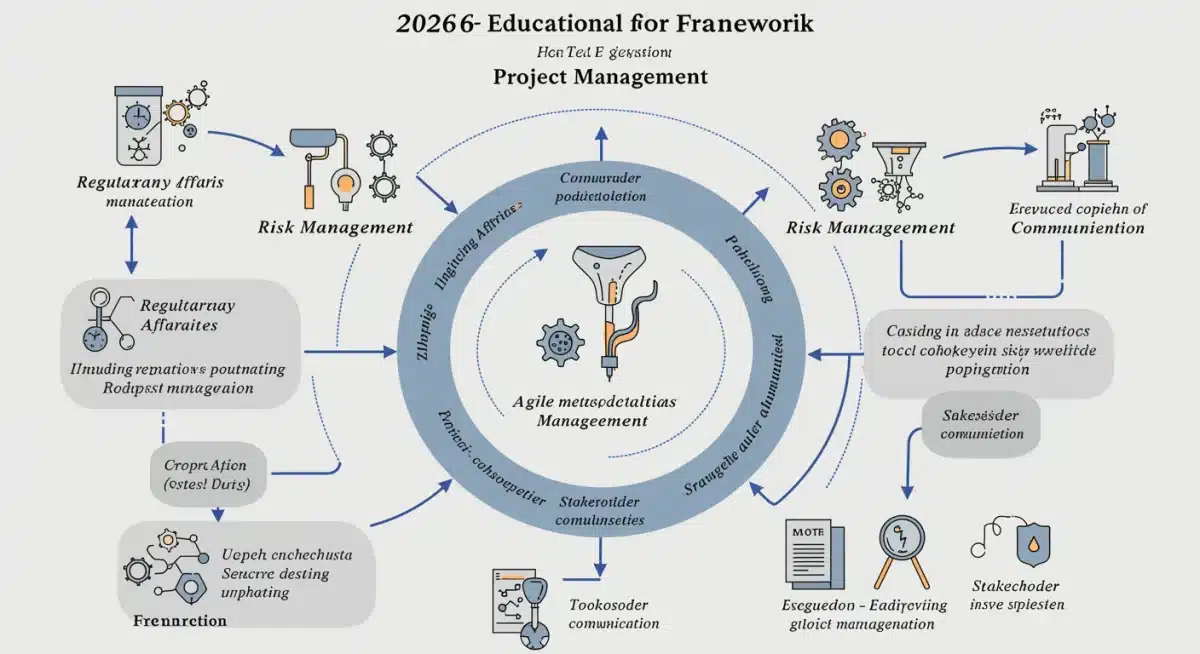
Leadership and Team Management in MedTech R&D
Leading a MedTech R&D project team demands exceptional leadership and team management skills. These teams are typically multidisciplinary, composed of highly specialized individuals, and often operate under immense pressure to deliver life-changing products. The 2026 educational framework must emphasize the development of strong leadership qualities tailored to this unique environment.
Effective leaders in MedTech R&D can inspire, motivate, and guide their teams through complex challenges, fostering a collaborative and productive atmosphere. They understand the nuances of managing experts and facilitating communication across diverse professional backgrounds.
Essential Leadership Qualities
Certain leadership qualities are particularly crucial for success in MedTech R&D project management.
- Strategic Vision: The ability to articulate a clear vision for the project, aligning it with organizational goals and market needs, and inspiring the team to work towards that vision.
- Communication and Stakeholder Engagement: Mastering effective communication with internal teams, senior management, regulatory bodies, and external partners, ensuring transparency and alignment.
- Conflict Resolution and Negotiation: Developing skills to mediate disagreements, build consensus, and negotiate effectively to overcome obstacles and maintain project momentum.
- Ethical Decision-Making: Upholding the highest ethical standards in all project activities, particularly concerning patient safety, data integrity, and regulatory compliance.
The educational framework should incorporate leadership training modules that focus on emotional intelligence, cross-cultural communication, and ethical leadership in a healthcare context. Practical exercises, such as simulated team challenges and mentorship programs, can significantly enhance these critical leadership capabilities.
Future Outlook: Continuous Learning and Adaptation
The MedTech R&D landscape is not static; it is in a constant state of flux. Therefore, a 2026 educational framework for project management must instill a commitment to continuous learning and adaptation. Project managers must be prepared to evolve their skills and knowledge as new technologies emerge, regulations shift, and market demands change.
This forward-looking perspective ensures that project managers remain relevant and effective throughout their careers, capable of leading the next generation of medical innovations. The framework should not just teach current best practices but also equip individuals with the mindset and tools for future learning.
Strategies for Lifelong Learning
Embracing a mindset of continuous improvement is vital for MedTech project managers.
- Professional Development Programs: Engaging in ongoing certifications, workshops, and advanced degree programs specifically tailored to MedTech and project management.
- Industry Conferences and Networking: Actively participating in industry events to stay abreast of emerging trends, regulatory updates, and technological advancements, while building professional networks.
- Mentorship and Peer Learning: Seeking out mentors and engaging in peer-to-peer learning opportunities to share experiences, best practices, and innovative solutions.
- Staying Informed on Regulatory Changes: Regularly reviewing updates from regulatory bodies like the FDA, EMA, and other international agencies to ensure ongoing compliance and strategic planning.
The educational framework should emphasize the importance of creating a personal development plan that includes these elements. By fostering a culture of continuous learning, the framework ensures that MedTech R&D project managers are not only prepared for 2026 but for the decades of innovation that lie ahead.
| Key Aspect | Brief Description |
|---|---|
| Regulatory Acumen | Deep understanding of FDA, EU MDR/IVDR, and global medical device regulations for compliance. |
| Innovation Integration | Ability to strategically incorporate new technologies and foster a culture of innovation. |
| Leadership & Teamwork | Skills to lead diverse, cross-functional R&D teams in a high-pressure, ethical environment. |
| Continuous Learning | Commitment to ongoing professional development and adaptation to industry changes. |
Frequently Asked Questions About MedTech Project Management
The primary challenge is balancing rapid technological innovation with increasingly complex and evolving global regulatory requirements. Project managers must ensure devices are cutting-edge while strictly adhering to safety and compliance standards, often under accelerated development timelines.
Regulatory knowledge is critical because it directly impacts product approval, market entry, and patient safety. Without a deep understanding of regulations like FDA 21 CFR Part 820 or EU MDR, projects risk significant delays, costly redesigns, or even complete failure to launch.
Agile methodology benefits MedTech R&D by allowing for iterative development, rapid prototyping, and quick adaptation to feedback or new scientific discoveries. This approach helps reduce risks, accelerate development cycles, and ensures the final product aligns closely with user needs and market demands.
Ethical decision-making is paramount in MedTech due to the direct impact on human health. Project managers must ensure patient safety, data integrity, and compliance with ethical guidelines in clinical trials and product development, fostering trust and responsible innovation.
Continuous learning strategies include pursuing advanced certifications, attending industry conferences, engaging in mentorship, and staying updated on regulatory changes. These activities ensure managers remain current with technological advancements and evolving compliance landscapes, crucial for long-term success.
Conclusion
The 2026 educational framework for Project Management in MedTech R&D is more than a curriculum; it’s a strategic imperative for the future of healthcare innovation. By focusing on a blend of specialized regulatory knowledge, advanced technological integration, strong leadership, and a commitment to continuous learning, this framework equips project managers to navigate the complexities and capitalize on the opportunities within the dynamic MedTech sector. These prepared professionals will be instrumental in bringing life-improving and life-saving medical technologies from concept to reality, ultimately shaping a healthier future.