CMS Unveils 2026 Medicare Advantage Changes: What Beneficiaries Need to Know

Policy Update: CMS Announces 3 Major Changes to Medicare Advantage Plans for 2026, Beneficiaries Take Note
The healthcare landscape for seniors and eligible individuals is constantly evolving, and staying informed about changes to Medicare plans is paramount. The Centers for Medicare & Medicaid Services (CMS) have recently unveiled significant policy updates impacting Medicare Advantage (MA) plans for the 2026 coverage year. These changes are poised to reshape how millions of beneficiaries access their healthcare, affecting everything from plan offerings and costs to supplemental benefits and provider networks. Understanding these adjustments well in advance is crucial for making informed decisions during the upcoming enrollment periods. This comprehensive guide will delve into the three major changes to Medicare Advantage 2026, providing a detailed analysis of their potential implications for you.
Understanding Medicare Advantage: A Brief Overview
Before we dive into the specifics of the 2026 changes, let’s briefly recap what Medicare Advantage is. Also known as Medicare Part C, Medicare Advantage plans are offered by private companies approved by Medicare. These plans provide all the benefits of Original Medicare (Part A and Part B) and often include additional benefits not covered by Original Medicare, such as prescription drug coverage (Part D), vision, dental, and hearing services. Many also offer extra perks like gym memberships, transportation to appointments, and even healthy food allowances. The appeal of Medicare Advantage lies in its potential for comprehensive coverage, often with lower out-of-pocket costs and a more coordinated care experience compared to Original Medicare.
However, it’s important to remember that MA plans operate within specific networks of doctors, hospitals, and other healthcare providers, and the rules and benefits can vary significantly from one plan to another and from one region to another. This variability makes it essential for beneficiaries to carefully review their options each year, a task that becomes even more critical with the impending changes for Medicare Advantage 2026.
Change 1: Enhanced Scrutiny on Supplemental Benefits and Marketing Practices
One of the most significant shifts for Medicare Advantage 2026 involves increased oversight on supplemental benefits and a crackdown on misleading marketing practices. CMS has observed a growing trend of plans offering an array of supplemental benefits, some of which may not genuinely meet the health-related needs of beneficiaries or are marketed in ways that create confusion. The goal of this change is to ensure that supplemental benefits are truly valuable, medically appropriate, and clearly communicated to beneficiaries.
What This Means for Beneficiaries:
- Clearer Benefit Offerings: You can expect more transparent and standardized descriptions of supplemental benefits. This means less jargon and a clearer understanding of what’s covered and what’s not.
- Focus on Health-Related Benefits: CMS will likely push plans to prioritize benefits that directly contribute to a beneficiary’s health and well-being, rather than those that might be considered tangential or primarily lifestyle-oriented. This could lead to a re-evaluation of certain non-medical benefits currently offered.
- Reduced Misleading Marketing: The days of aggressive, confusing, or even deceptive marketing tactics by some third-party brokers and plans are numbered. CMS is implementing stricter guidelines and enforcement mechanisms to protect beneficiaries from being pressured into plans that aren’t suitable for their needs. This includes stricter rules around cold calling, unsolicited contact, and the presentation of plan comparisons.
- Empowered Decision-Making: Ultimately, this change aims to empower beneficiaries to make better, more informed decisions about their healthcare coverage without undue influence or confusion. You should feel more confident that the information you receive is accurate and unbiased when considering Medicare Advantage 2026 plans.
This increased scrutiny is a direct response to concerns raised by consumer advocacy groups and beneficiaries themselves about the complexity and sometimes deceptive nature of MA plan marketing. CMS is committed to ensuring that the growth of Medicare Advantage is accompanied by robust consumer protections. Beneficiaries should be vigilant and report any instances of misleading marketing to CMS or their State Health Insurance Assistance Program (SHIP).
Change 2: Adjustments to Risk Adjustment and Payment Methodologies
The second major change for Medicare Advantage 2026 revolves around adjustments to the risk adjustment model and payment methodologies. This is a highly technical area, but its impact on beneficiaries can be substantial. CMS pays MA plans a fixed amount per enrollee, adjusted based on the health status (risk score) of their members. Healthier members result in lower payments, while sicker members result in higher payments to compensate plans for the expected higher healthcare costs. The accuracy of these risk scores is crucial for ensuring fair payments to plans and appropriate care for beneficiaries.
What This Means for Beneficiaries:
- Potential Impact on Plan Offerings: Changes to risk adjustment can influence how plans structure their benefits and what populations they target. If the new methodology leads to lower payments for certain conditions or demographics, plans might adjust their offerings, potentially impacting the availability of specific benefits or services in some areas.
- Focus on Accurate Documentation: Healthcare providers will face increased pressure to accurately and thoroughly document patient conditions. This is essential for ensuring that plans receive appropriate payments, which in turn helps them provide comprehensive care. While this is primarily an administrative change, it underscores the importance of clear communication with your doctor about all your health conditions.
- Stability in Care Quality: The long-term goal of refining risk adjustment is to create a more stable and equitable payment system that incentivizes plans to provide high-quality care to all beneficiaries, regardless of their health status. While there might be short-term adjustments, the aim is to ensure that plans are adequately funded to manage the health needs of their enrolled population.
- Monitoring Premium and Cost-Sharing: Beneficiaries should closely monitor any changes in premiums, deductibles, co-pays, and co-insurance for Medicare Advantage 2026 plans. While CMS aims for stability, adjustments in payment methodologies can sometimes trickle down to beneficiary costs.
These adjustments are part of CMS’s ongoing efforts to refine the Medicare Advantage program, ensuring its financial sustainability and fairness. The agency regularly updates its risk adjustment models to reflect the latest healthcare data and improve accuracy. While complex, these changes are fundamental to how plans are funded and, by extension, the benefits they can offer.

Change 3: Emphasis on Health Equity and Access for Underserved Populations
The third major change for Medicare Advantage 2026 places a significant emphasis on advancing health equity and improving access to care for underserved populations. CMS is increasingly recognizing that not all beneficiaries have equal access to quality healthcare, and MA plans have a crucial role to play in bridging these gaps. This change signals a move towards incentivizing plans to address social determinants of health and ensure that all enrollees, regardless of their background or location, receive equitable care.
What This Means for Beneficiaries:
- Tailored Benefits for Specific Needs: Plans may be encouraged or required to offer benefits specifically designed to address the needs of underserved communities. This could include enhanced access to culturally competent care, transportation services to overcome access barriers, or programs addressing food insecurity.
- Expanded Provider Networks in Underserved Areas: CMS might incentivize plans to expand their provider networks in rural or low-income areas where access to specialists and primary care physicians is often limited. This could lead to more choices and better access to local care for beneficiaries in these regions.
- Data Collection and Reporting: Plans will likely be required to collect and report more granular data on health disparities among their enrollees. This data will be used to identify areas where improvements are needed and to hold plans accountable for addressing health equity.
- Focus on Social Determinants of Health: Expect to see a continued emphasis on addressing social determinants of health (SDoH) within Medicare Advantage plans. These are non-medical factors that influence health outcomes, such as socioeconomic status, education, neighborhood, and physical environment. Plans may offer more benefits related to SDoH, such as housing assistance referrals or healthy food programs.
This focus on health equity is a critical component of CMS’s broader strategy to reduce disparities in healthcare. It acknowledges that a one-size-fits-all approach to healthcare doesn’t work and that individualized, community-focused solutions are often necessary. For beneficiaries, this could mean more personalized and supportive care, especially for those who have historically faced barriers to accessing healthcare.
Preparing for Medicare Advantage 2026: Your Action Plan
With these significant changes on the horizon, proactive preparation is key for all Medicare beneficiaries. The decisions you make during the Annual Enrollment Period (AEP) can profoundly impact your health and financial well-being for the entire year. Here’s an action plan to help you navigate the upcoming changes to Medicare Advantage 2026:
1. Stay Informed and Educated
- Monitor Official CMS Announcements: Regularly check the official CMS website (Medicare.gov) for the latest updates and detailed policy documents.
- Read Plan Communications: When your current plan sends out its ‘Annual Notice of Change’ (ANOC) and ‘Evidence of Coverage’ (EOC) documents in the fall, read them thoroughly. These documents will detail all changes to your plan’s benefits, costs, and network for the upcoming year.
- Consult Reliable Sources: Utilize resources from reputable organizations like the State Health Insurance Assistance Program (SHIP), AARP, and other non-profit advocacy groups that provide unbiased information about Medicare.
2. Assess Your Current and Future Healthcare Needs
- Review Your Health Status: Consider any changes in your health, new diagnoses, or anticipated medical procedures. Will your current plan still meet these needs effectively?
- List Your Medications: Create an updated list of all your prescription medications, including dosages. This is crucial for checking formulary coverage for any new plan you consider.
- Consider Your Doctors and Specialists: Confirm that your preferred doctors, specialists, and hospitals will still be in-network with any plan you’re considering. Provider networks can change annually.
- Evaluate Supplemental Benefits: Think about which supplemental benefits are most important to you. Are vision, dental, hearing, or fitness benefits essential? Will the new plans offer what you need?
3. Compare Plans Carefully During AEP
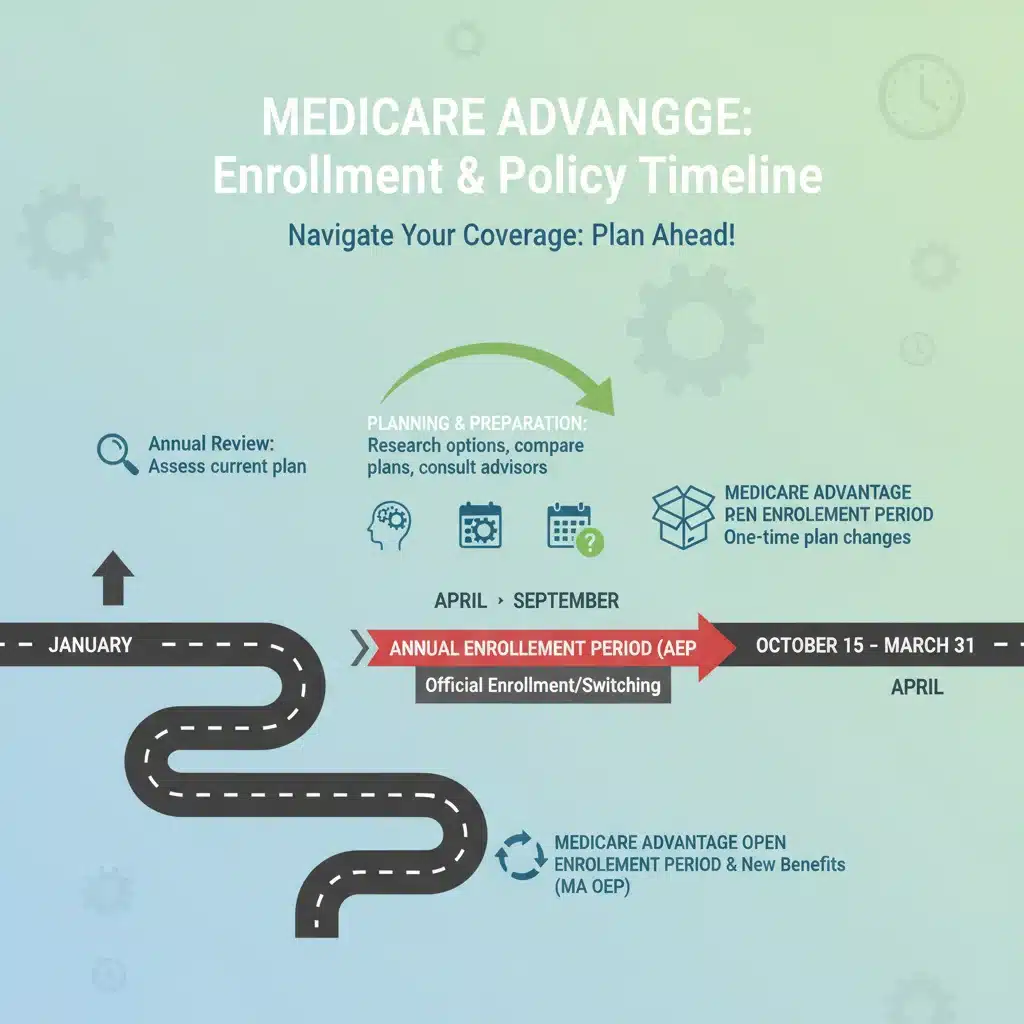
The Annual Enrollment Period (AEP), which typically runs from October 15th to December 7th each year, is your opportunity to make changes to your Medicare coverage. This is when you’ll be able to enroll in a Medicare Advantage plan, switch from one MA plan to another, or switch from an MA plan back to Original Medicare.
- Utilize Medicare.gov Plan Finder: This online tool is invaluable for comparing plans available in your area. You can input your medications and doctors to see how different plans cover them and estimate your out-of-pocket costs.
- Look Beyond Premiums: While a low premium is attractive, it’s essential to look at the full picture, including deductibles, co-pays, co-insurance, and the maximum out-of-pocket limit. A plan with a higher premium might offer better overall value if it has lower cost-sharing for services you frequently use.
- Understand Network Types: Be aware of the differences between HMO (Health Maintenance Organization) and PPO (Preferred Provider Organization) plans. HMOs typically require you to choose a primary care physician (PCP) and get referrals for specialists, while PPOs offer more flexibility but usually at a higher cost for out-of-network services.
- Seek Personalized Advice: If you find the process overwhelming, consider consulting with a licensed insurance agent specializing in Medicare. They can help you compare plans and understand how the changes to Medicare Advantage 2026 might specifically affect your situation. Ensure they are unbiased and represent multiple insurance carriers.
4. Be Wary of Misleading Information
Given CMS’s increased scrutiny on marketing practices, you should still exercise caution. If something sounds too good to be true, it probably is. Never feel pressured to enroll in a plan. Take your time, ask questions, and verify information with official sources.
The changes to Medicare Advantage 2026 are designed to refine the program, enhance beneficiary protections, and promote health equity. While these adjustments may require beneficiaries to be more diligent in reviewing their options, the ultimate goal is to foster a more transparent, fair, and effective healthcare system. By staying informed, understanding your needs, and carefully comparing plans, you can confidently navigate the evolving landscape of Medicare Advantage and select the coverage that best suits your individual circumstances.
The Broader Impact of CMS Policy Shifts
These three major changes to Medicare Advantage 2026 are not isolated incidents but rather part of a broader, ongoing effort by CMS to strengthen the Medicare program. The agency is continually balancing innovation with oversight, aiming to provide beneficiaries with a wide array of choices while ensuring quality, affordability, and protection against exploitation. The emphasis on health equity, for instance, reflects a growing recognition within the healthcare industry that social factors play a profound role in health outcomes. By integrating these considerations into payment models and plan requirements, CMS is pushing MA plans to become more responsive to the diverse needs of the populations they serve.
Furthermore, the intensified focus on marketing and supplemental benefits underscores a commitment to consumer protection. In recent years, the rapid growth of Medicare Advantage has been accompanied by a surge in marketing activities, some of which have been criticized for being aggressive or misleading. The new guidelines are intended to curb these practices, fostering an environment where beneficiaries can make decisions based on clear, accurate information rather than high-pressure sales tactics. This will likely lead to a more level playing field for plans and a more trustworthy experience for enrollees.
For healthcare providers, these changes also bring new considerations. The adjustments to risk adjustment methodologies will require even more meticulous documentation of patient conditions to ensure accurate coding and appropriate reimbursement for the care they provide. The push for health equity may also influence how providers interact with patients, encouraging a more holistic approach that considers social determinants of health. Collaboration between MA plans and their provider networks will be crucial in successfully implementing these new policies and ensuring seamless care for beneficiaries.
Long-Term Outlook for Medicare Advantage
The trajectory of Medicare Advantage continues to be one of growth and adaptation. As more beneficiaries opt for MA plans, CMS’s role in regulating and refining the program becomes increasingly vital. The changes for Medicare Advantage 2026 suggest a future where plans are held to higher standards of transparency, accountability, and equity. This evolution is ultimately aimed at enhancing the value proposition of Medicare Advantage for beneficiaries, ensuring that it remains a viable and attractive option for comprehensive healthcare coverage.
Beneficiaries should view these updates not as obstacles, but as opportunities to engage more deeply with their healthcare choices. The increased transparency and focus on health-related benefits mean that the plans available in 2026 may be more aligned with genuine health needs. The crackdown on misleading marketing should create a more reliable information environment. By taking an active role in understanding these changes, beneficiaries can position themselves to select a Medicare Advantage plan that truly supports their health and well-being for the coming years.
Conclusion: Navigating Your Medicare Advantage Future
The Centers for Medicare & Medicaid Services’ announcement of three major changes to Medicare Advantage plans for 2026 marks a pivotal moment for beneficiaries. From enhanced scrutiny on supplemental benefits and marketing practices to refined risk adjustment methodologies and a strong emphasis on health equity, these updates will undoubtedly shape the future of Medicare Advantage. While the technical aspects can be complex, the core message for beneficiaries is clear: proactive engagement and informed decision-making are more critical than ever.
As we approach the Annual Enrollment Period, remember to:
- Stay informed about the specifics of these changes and how they might affect your current or prospective plan.
- Carefully evaluate your personal health needs, financial situation, and preferences for supplemental benefits.
- Utilize official resources like Medicare.gov and seek unbiased advice to compare plans thoroughly.
- Be vigilant against misleading marketing and ensure you understand all aspects of any plan before enrolling.
The goal of these CMS adjustments is to create a more robust, equitable, and transparent Medicare Advantage program. By understanding and preparing for these changes, you can confidently choose a Medicare Advantage 2026 plan that provides the best possible healthcare coverage and peace of mind. Your health is your most valuable asset, and being well-informed is the first step towards protecting it.